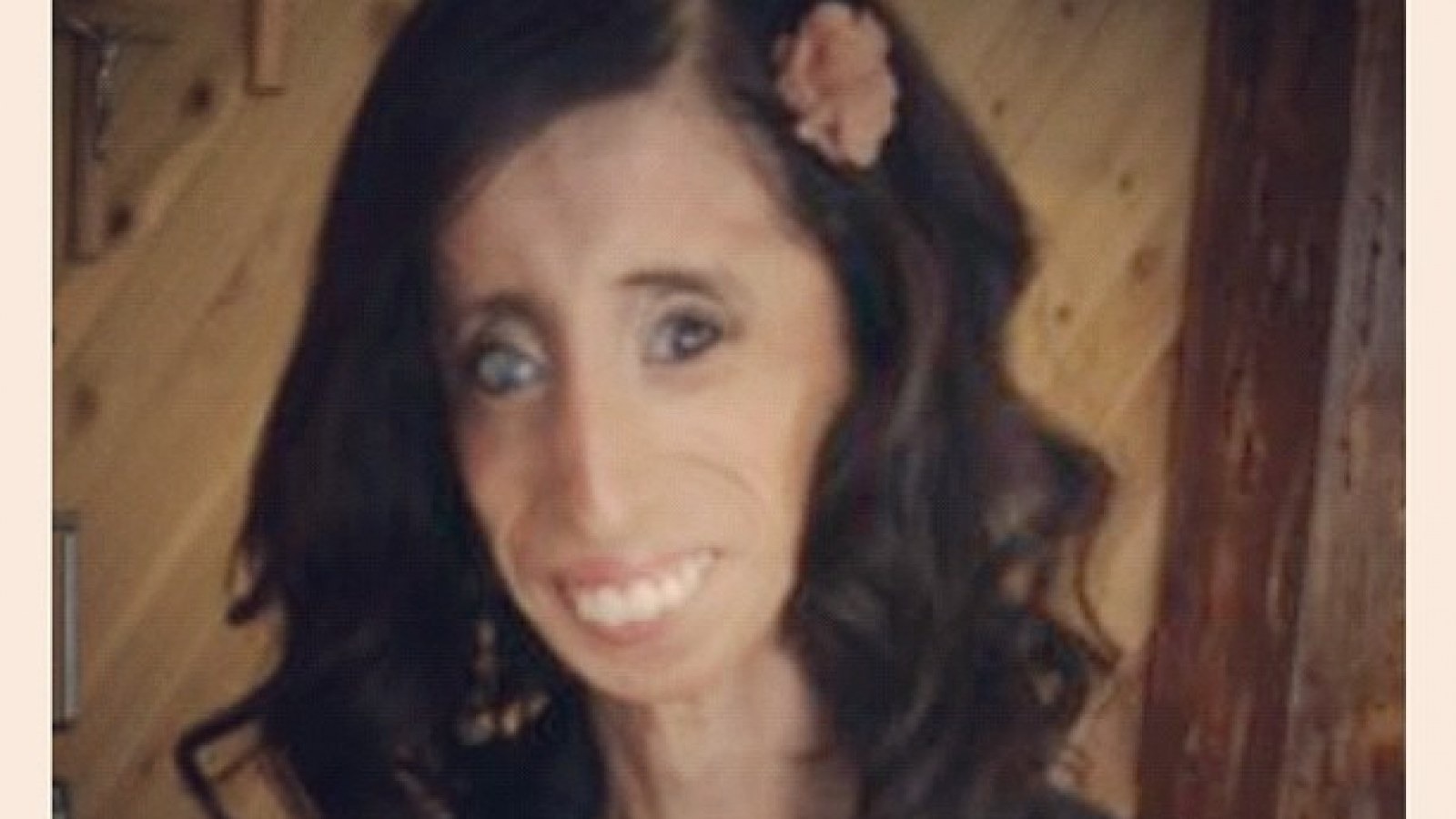

The internet has the power to connect people across the globe, but it can also become a place where thoughtless words spread faster than kindness. For many young people, social media offers opportunities to learn, create, and build friendships. Yet it can also expose individuals to criticism and cyberbullying that leaves lasting emotional effects.
Few stories illustrate this contrast more powerfully than that of Lizzie Velásquez.
As a teenager, Lizzie unexpectedly discovered that a video featuring her appearance had gone viral online. The title was deeply hurtful, and thousands of anonymous comments questioned her worth based solely on the way she looked. For most people, such an experience would have been overwhelming.
Instead, Lizzie chose a different path.
Rather than allowing strangers to define her identity, she transformed one of the most painful moments of her life into a mission centered on kindness, disability awareness, self-acceptance, and anti-bullying advocacy. Today, her story inspires millions of people around the world and demonstrates that compassion can be far more powerful than cruelty.
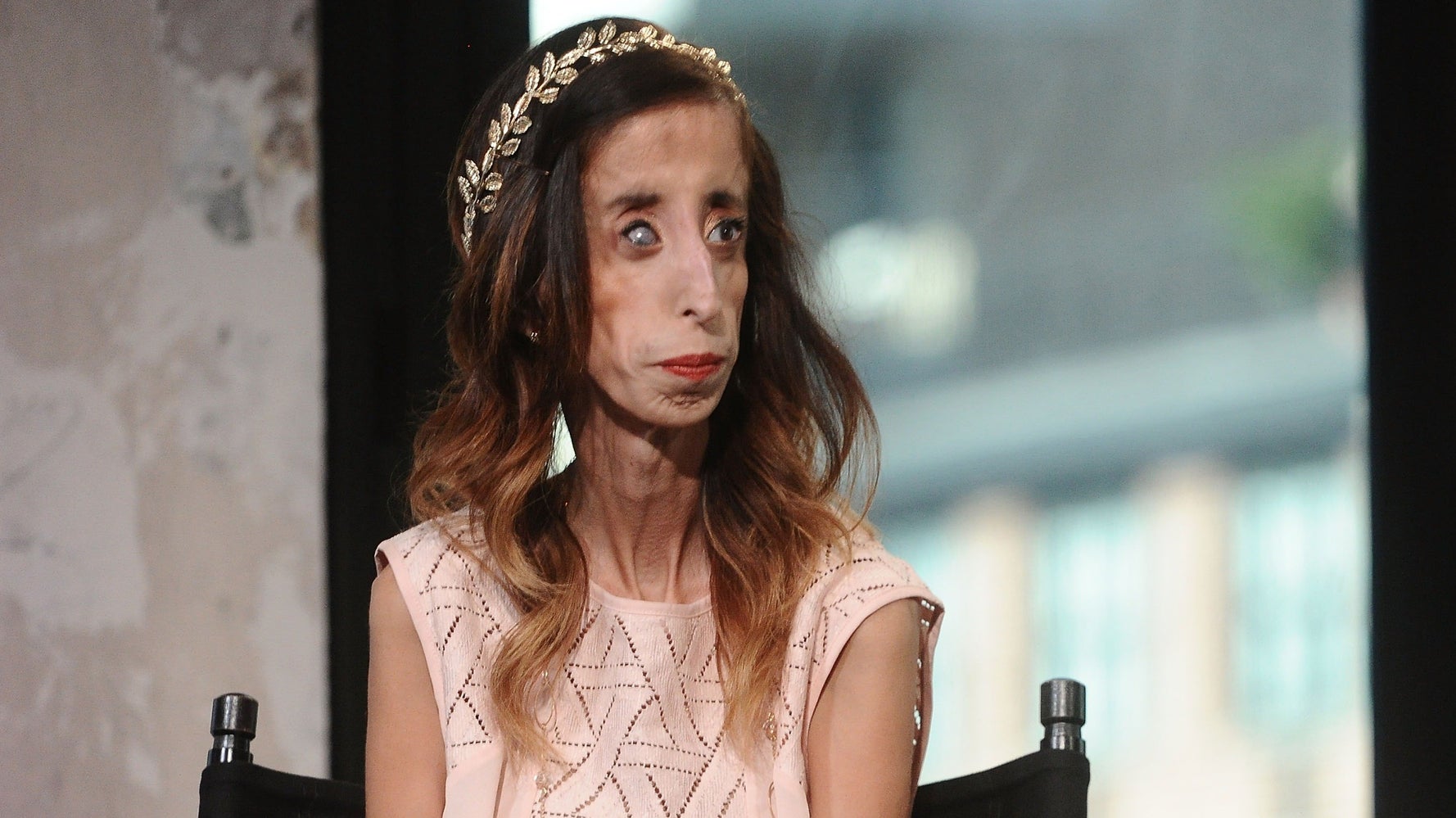
Who Is Lizzie Velásquez?
Lizzie Velásquez is an American motivational speaker, author, content creator, and advocate for disability awareness.
She was born with an extremely rare medical condition that prevents her body from storing fat normally. As a result, maintaining body weight has been a lifelong challenge despite eating regularly and receiving medical care.
Her condition also affects her vision and requires ongoing health management.
Although the condition is exceptionally uncommon, Lizzie has consistently emphasized that it does not define who she is.
Instead, she encourages others to focus on character, determination, and personal values rather than physical appearance.
Growing Up With a Rare Medical Condition
Childhood was not always easy for Lizzie.
Because her appearance differed from what many people expected, she frequently encountered misunderstanding and curiosity from classmates and strangers.
Children often ask questions when they notice someone who looks different, but those questions sometimes evolved into teasing or exclusion.
Experiences like these can affect confidence during important developmental years.
Fortunately, Lizzie grew up in a family that consistently reinforced a different message.
Her parents reminded her that every person deserves respect and that appearance does not determine intelligence, kindness, or future success.
Those lessons became the foundation for the resilience she would later demonstrate.
When Online Bullying Went Viral
One of the most widely known moments in Lizzie’s life occurred when she found a video of herself circulating online.
The video’s title was intentionally hurtful, and many anonymous comments focused only on her appearance.
For countless teenagers, widespread online criticism can feel impossible to escape.
Unlike traditional bullying, digital content can remain visible indefinitely and reach audiences around the world within hours.
Lizzie later explained that discovering the video was emotionally painful.
However, after processing the experience, she made an important decision.
Rather than responding with anger, she chose to use her voice to educate others about empathy, respect, and the real impact of online behavior.
Understanding Cyberbullying
Cyberbullying has become one of the most significant social challenges of the digital age.
Unlike face-to-face interactions, online communication sometimes encourages individuals to say things they would never express in person.
Cyberbullying may include:
-
Hurtful comments
-
Personal attacks
-
Public humiliation
-
Mocking someone’s appearance
-
False rumors
-
Harassing messages
Mental health experts note that repeated online harassment can affect emotional well-being, self-confidence, and overall quality of life.
Promoting respectful digital communication benefits everyone.

The Science Behind Her Rare Condition
Although Lizzie’s story is often discussed in the context of resilience, it also raises awareness about rare genetic conditions.
Her medical condition affects how the body stores fat and regulates metabolism.
Because so few people worldwide share similar characteristics, researchers continue studying these disorders to better understand their biological causes and improve medical care.
Rare diseases collectively affect millions of people around the world, even though each individual condition may impact only a small number of patients.
Greater public awareness helps reduce misunderstanding while encouraging support for scientific research.
Choosing Advocacy Instead of Anger
Many people expected Lizzie’s story to become one defined by hardship alone.
Instead, she chose advocacy.
She began sharing her experiences publicly, speaking honestly about bullying, confidence, and overcoming adversity.
Her message resonated because it focused less on the people who hurt her and more on helping others develop resilience.
Rather than encouraging revenge or resentment, she consistently promoted:
-
Kindness
-
Respect
-
Inclusion
-
Self-acceptance
-
Personal growth
These themes continue to define her public work today.

Becoming a Motivational Speaker
As Lizzie’s story reached wider audiences, invitations to speak at schools, conferences, universities, and community events followed.
Her presentations often address:
Building Self-Confidence
Confidence grows through personal values rather than public approval.
Facing Adversity
Challenges can become opportunities for growth when approached with determination.
Practicing Kindness
Simple acts of compassion can significantly influence another person’s life.
Redefining Success
Success is measured by character, contribution, and perseverance rather than appearance.
Her speeches have inspired audiences across many countries.
The Role of Family Support
Lizzie frequently credits her family for helping shape her perspective.
When she experienced difficult moments during childhood, her parents reminded her that she possessed talents, intelligence, and potential that extended far beyond physical appearance.
Supportive families can play an essential role in helping children develop resilience.
Encouragement during challenging moments often strengthens emotional well-being and promotes healthy self-esteem.
While every family’s experience is different, positive reinforcement can have lasting effects throughout adulthood.
Challenging Society’s Beauty Standards
Modern media often promotes narrow definitions of beauty.
Lizzie’s story encourages people to question these assumptions.
True confidence, she explains, develops through authenticity, kindness, and purpose rather than comparison.
Her advocacy has contributed to broader conversations surrounding:
-
Disability inclusion
-
Body diversity
-
Representation
-
Respectful communication
-
Human dignity
These discussions encourage communities to recognize the value of every individual.
Why Representation Matters
Seeing people with different backgrounds, abilities, and appearances represented in media helps reduce stereotypes.
Representation can:
-
Increase understanding
-
Encourage empathy
-
Challenge misconceptions
-
Build inclusion
-
Inspire confidence in others facing similar experiences
Positive representation benefits society by reflecting the diversity that already exists within communities.
Lessons About Digital Responsibility
The internet gives everyone the opportunity to communicate with global audiences.
With that opportunity comes responsibility.
Before posting online, experts encourage users to consider:
Is the comment respectful?
Words can have lasting consequences.
Would I say this face-to-face?
Empathy should guide digital communication.
Does this contribute positively?
Constructive conversations strengthen online communities.
Digital citizenship begins with treating others respectfully.
Inspiring Future Generations
Today, Lizzie continues encouraging young people to define themselves through their goals rather than public opinion.
Her books, public appearances, interviews, and educational work emphasize that challenges need not determine someone’s future.
Many educators also use her story to discuss:
-
Bullying prevention
-
Character education
-
Inclusion
-
Mental wellness
-
Personal resilience
These conversations help create more supportive learning environments.
Looking Ahead
As awareness of cyberbullying and disability inclusion continues growing, advocates hope future generations will experience more compassionate online communities.
Technology continues evolving, but the values of kindness, empathy, and respect remain timeless.
Public education, family support, responsible social media use, and inclusive communities all contribute to reducing bullying while encouraging acceptance of human differences.
Conclusion
Lizzie Velásquez’s journey demonstrates that one person’s response to adversity can inspire millions. Despite facing painful online bullying because of a rare medical condition, she chose to replace anger with education, advocacy, and hope.
Her story reminds us that every individual deserves dignity regardless of appearance, ability, or circumstance. It also highlights the importance of supportive families, responsible online behavior, and greater awareness of rare medical conditions.
Rather than allowing negativity to define her future, Lizzie built a career encouraging others to embrace confidence, kindness, and resilience. Her message continues to resonate because it speaks to a universal truth: our character, compassion, and actions ultimately shape who we become far more than the opinions of strangers.
As society continues working toward more inclusive communities, her example serves as a lasting reminder that empathy has the power to transform lives—both online and offline.
Sources
-
TED
-
Rare Diseases Clinical Research Network
-
National Organization for Rare Disorders (NORD)
-
National Institutes of Health (NIH)
-
World Health Organization (WHO)
-
Centers for Disease Control and Prevention (CDC)
