
Understanding Edema: Causes, Symptoms, and When to Seek Help
Margaret’s Story: Recognizing the Signs of Edema
One morning, Margaret noticed her wedding ring felt unexpectedly tight. Her fingers appeared swollen, prompting her to attribute the discomfort to a salty meal from the prior evening. Later that day, she discovered her shoes were snug, and her ankles appeared puffy. Pressing her skin left a small indentation – an observation that worried her. Her husband suggested simple remedies, such as elevating her feet, assuming the issue was merely the result of prolonged standing.
However, Margaret’s swelling persisted over several days. She experienced tight fingers in the morning, heavy feet in the evening, and even facial puffiness on occasion. Concerned, she turned to the internet for information and discovered that swelling, medically known as edema, can arise from a variety of causes ranging from minor fluid retention to potentially serious medical conditions.
What Is Edema?
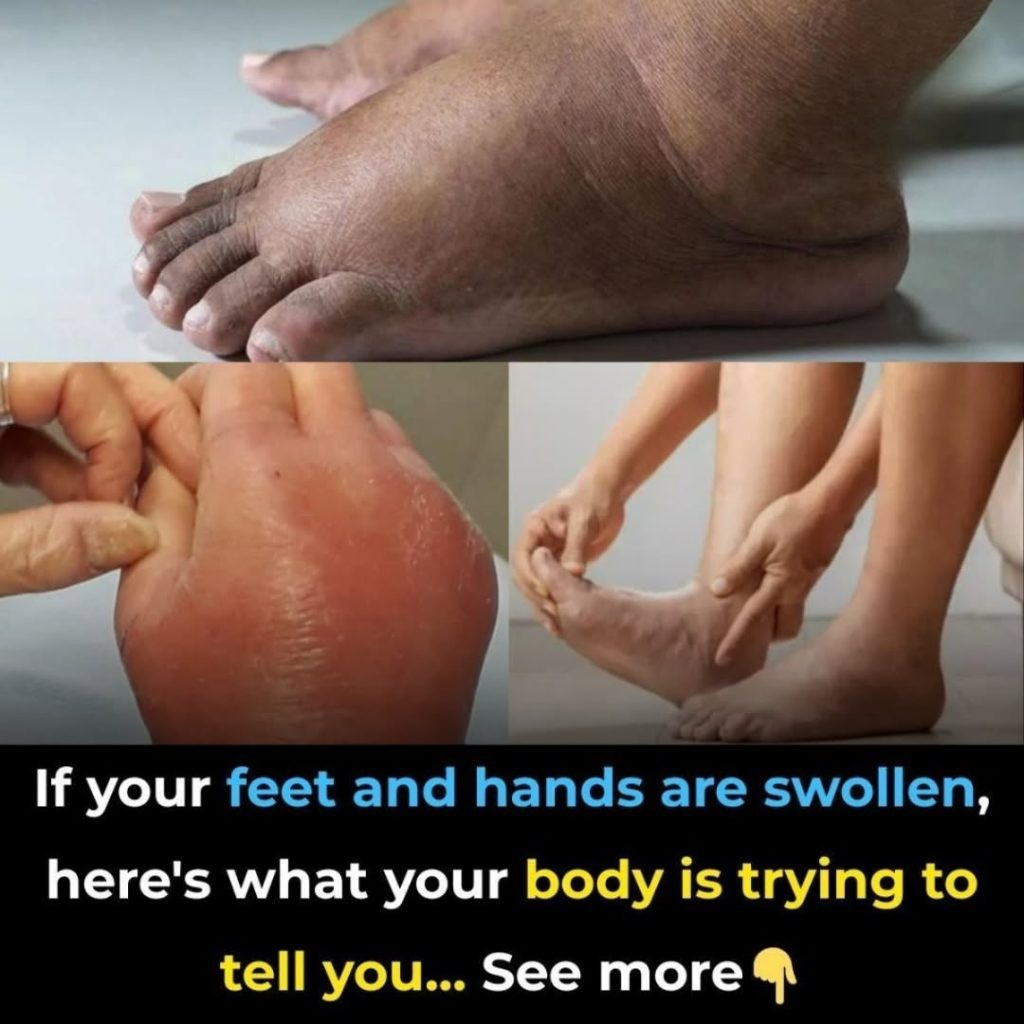
Edema is the clinical term for swelling caused by the accumulation of excess fluid within the tissues of the body. Normally, the blood vessels and the lymphatic system work together to regulate the movement of fluids. When this delicate balance is disrupted, fluid escapes and collects beneath the skin, leading to noticeable swelling in areas such as the feet, ankles, hands, legs, and sometimes the face.
Signs of edema vary but may include:
- Tight rings and jewelry
- Uncomfortable shoes
- Swollen fingers
- Heavy legs
- Stretched or shiny skin
- Visible puffiness, especially around the extremities
In some cases, pitting edema occurs, where pressing the swollen area leaves a temporary indentation. However, not all swelling behaves this way, and symptoms can differ depending on the cause and severity.
How Does the Body Regulate Fluid?
The human body continually moves fluids through blood vessels and the lymphatic system. Blood vessels carry nutrients, oxygen, and waste products, while the lymphatic system eliminates excess fluid and proteins from tissues. When either system falters, fluid may accumulate and produce swelling.
Factors that might disrupt this balance include:
- Prolonged standing or sitting
- Warm weather, which causes blood vessels to expand
- Certain medications, particularly those that affect fluid retention or blood pressure
- Underlying medical conditions involving the veins, heart, kidneys, liver, or lymphatic system
Common Causes of Edema
Edema is not a condition but a symptom with many possible sources. Understanding these causes is crucial for appropriate management. Among the most common contributors are:
1. Prolonged Standing or Sitting
Gravity naturally draws fluid downward, especially during long periods without movement. This often leads to mild swelling in the feet and ankles. Regular movement and elevating the legs can help counteract this effect.
2. Dietary Factors
Eating a meal rich in salt (sodium) can temporarily cause fluid retention. Sodium prompts the body to hold onto water, increasing the likelihood of swelling, especially in those predisposed to fluid retention.
3. Medication Side-Effects
Several medications can lead to edema as an unintended side effect. Among the most common are:
- Blood pressure medications (such as calcium channel blockers)
- Non-steroidal anti-inflammatory drugs (NSAIDs like ibuprofen)
- Certain diabetes medications
- Hormones and corticosteroids
In these cases, a healthcare professional may suggest alternate treatments or adjustments to minimize swelling.
4. Chronic Venous Insufficiency
Chronic venous insufficiency (CVI) arises when vein valves in the legs weaken, allowing blood to pool rather than flow back to the heart efficiently. CVI often results in:
- Swollen ankles and calves
- Aching or heaviness in the legs
- Varicose veins
- Skin discoloration (brownish or reddish)
- Swelling that improves with leg elevation
This condition is commonly seen in older adults, those with a history of varicose veins, or people who stand for extended periods.
5. Heart, Kidney, and Liver Conditions
Swelling is often an early indicator of underlying issues with the heart, kidneys, or liver due to their role in fluid regulation.
- Heart failure: When the heart struggles to pump blood efficiently, fluid can accumulate in the legs, abdomen, and lungs.
- Kidney disease: The kidneys regulate fluid balance. Impairment may result in widespread swelling, particularly around the eyes and extremities.
- Liver disease (like cirrhosis): Damaged liver tissue alters protein production and blood flow, prompting swelling in the legs and abdomen.
These conditions require prompt evaluation and intervention to prevent further complications.
6. Lymphatic Disorders
The lymphatic system is responsible for draining excess fluids from tissue spaces. If lymph vessels or nodes are damaged or blocked, lymphedema can occur, often presenting as:
- Painless swelling, typically in one limb
- Skin thickening or hardening
- Decreased flexibility in the affected area
Lymphedema can result from surgery, infections, cancer treatments, or congenital abnormalities.
Less Common and Serious Causes of Swelling
Sometimes, swelling may signal urgent medical concerns. For example, deep vein thrombosis (DVT) is a blood clot in a deep leg vein. Symptoms include:
- Sudden swelling, usually in one leg
- Pain and tenderness
- Warmth and redness of the skin
DVT is a medical emergency that requires immediate evaluation to prevent complications such as pulmonary embolism. Swelling associated with chest pain or difficulty breathing is another urgent warning sign requiring quick attention.
Edema in Context: Global Perspectives and Expert Views
Edema is a symptom recognized worldwide in medical practice. It can affect people of any age but is more common among the elderly, those with chronic health conditions, and individuals taking certain medications. According to the Mayo Clinic, the underlying causes vary greatly, so determining the appropriate diagnostic steps is essential.
The Centers for Disease Control and Prevention (CDC) emphasizes the importance of recognizing edema as a possible signal of heart, kidney, or liver problems. Early identification and treatment can limit complications.
Globally, doctors encourage patients to monitor their symptoms and seek medical advice if swelling persists, worsens, or is accompanied by other concerning signs. The World Health Organization (WHO) reports that cardiovascular conditions, which frequently cause edema, remain a leading cause of illness worldwide.
Managing and Treating Edema
For mild, temporary swelling, simple measures may suffice:
- Elevating the swollen limbs
- Staying active and avoiding long periods of standing or sitting
- Reducing salt intake
- Wearing compression stockings for those prone to leg swelling
If edema persists or is accompanied by other symptoms, a healthcare professional will evaluate the underlying causes. Diagnosis may involve medical history, physical examination, blood tests, urine tests, and imaging. Treatment depends on the root condition and may include:
- Medication adjustments or additions
- Treating heart, kidney, or liver disease
- Specialized care for lymphatic blocakages or vein disorders
- Anticoagulants for blood clots
- Physical therapy for lymphedema
When to Seek Medical Help
While mild swelling after a salty meal or long period of standing is often harmless, persistent, rapidly worsening, or unexplained edema can indicate serious issues.
- Sudden swelling in one leg with pain, redness, or warmth: possible blood clot (DVT). Seek immediate care.
- Swelling plus chest pain, difficulty breathing, or confusion: may indicate heart, lung, or serious allergic reaction. Emergency care is needed.
- Swelling that is persistent, affects multiple parts of the body, or is associated with weight gain or fatigue: evaluation for underlying disease should be scheduled promptly.
Understanding that edema is a symptom — not a diagnosis — empowers individuals to recognize it as a warning sign and act accordingly.
Conclusion
Edema can result from simple causes like a salty meal or prolonged inactivity, but it may also signal important medical concerns. Recognizing the symptoms, understanding the potential causes, and knowing when to seek medical advice are key steps to safeguarding health. Through awareness and attention, persistent swelling can be managed, and underlying illnesses detected early, improving outcomes and quality of life.
Sources
- Reuters
- BBC
- Al Jazeera
- The Guardian
- World Health Organization (WHO)
- Centers for Disease Control and Prevention (CDC)
- Mayo Clinic
Disclaimer: This content is intended for entertainment purposes only and is not based on real events.