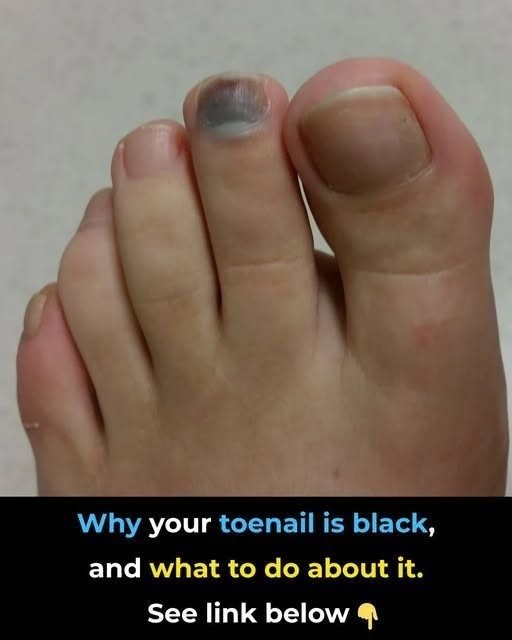

Understanding the Causes and Concerns Behind a Black Toenail
A black toenail is a noticeable change that often raises questions about personal health and safety. While many instances are harmless and result from everyday factors, certain cases may require medical assessment. Knowing what causes black toenails, when to seek guidance from a healthcare professional, and how to prevent this condition can help maintain foot health and peace of mind. This article examines the underlying reasons for black toenails, distinguishes between common and concerning symptoms, and offers science-based recommendations from health experts.
Common Causes of a Black Toenail
Black toenails can develop due to a variety of factors. Understanding these can help identify whether the discoloration is likely to resolve on its own or needs further evaluation.
Trauma and Injury
One of the most frequent causes of a black toenail is physical trauma. This may occur from accidentally stubbing a toe, dropping something heavy on it, or ongoing minor injuries from activities like running, hiking, or even long walks in uncomfortable footwear.
Trauma often leads to a condition called subungual hematoma, where blood collects under the toenail. This pooled blood appears as a dark patch, which can range from red or purple to dark brown or nearly black in color. The size and intensity of this discoloration depend on how much blood has gathered and the severity of the injury.
While subungual hematomas can look alarming, they are commonly harmless and will grow out with the nail. However, extensive or painful bleeding under the nail may require a doctor’s intervention, especially if it causes throbbing discomfort or impacts daily activities.
Pressure from Footwear
Continuous pressure from shoes is another prominent reason black toenails appear. Wearing footwear that fits poorly—too tight, too narrow, or lacking adequate cushioning—can repeatedly press against the toe. Over time, the constant irritation damages small blood vessels beneath the nail, causing discoloration that looks similar to traumatic injury.
Athletes, particularly runners and hikers, may notice this issue more frequently due to prolonged bouts of repetitive movement. The problem can persist in anyone who spends extended periods standing or walking.
Unlike sudden trauma, pressure-based discoloration may develop gradually, often without a single memorable incident. The nail may darken in spots or across its entirety, and this darkening usually follows areas exposed to the most stress within the shoe.
Fungal Infections
Fungal infections—known medically as onychomycosis—are a widespread cause of toenail color changes, including yellow, brown, or black hues. These infections occur when microscopic fungi invade the nail, thriving in warm, moist environments such as sweaty shoes or public showers.
Beyond discoloration, infected toenails may become thickened, brittle, crumbly, or may lift off from the nail bed. Advanced infections sometimes obscure the natural color of the nail so extensively that small dark patches may appear black, especially when debris accumulates beneath the nail.
Fungal infections can be persistent, and in some cases, may need prescription medication or specialized therapies for successful treatment. Addressing underlying risk factors—like foot hygiene and breathable footwear—can help prevent recurrence.
Medications and Medical Conditions
Occasionally, changes in toenail appearance result from certain medications, medical treatments, or underlying health conditions. Drugs like chemotherapy agents, antimalarials, or even some antibiotics have been associated with nail discoloration, including darkened toenails.
Medical conditions such as diabetes, circulatory problems, or disorders that affect pigment production can alter the color and growth of toenails. For example, in some individuals, a genetic tendency toward increased melanin production may cause naturally darker streaks or bands to develop.
When discoloration arises quickly or without an obvious cause, or if it appears alongside other unusual symptoms, it is sensible to consult a healthcare provider for assessment.
Melanoma of the Nail
Though rare, one of the most serious causes of a persistent black toenail is subungual melanoma—a form of skin cancer that develops beneath the nail. This condition usually presents as a dark brown or black streak or spot, and it may gradually spread, widen, or change in color over time.
Subungual melanoma most often affects the big toe or thumb, but it can appear on any nail. This cancer may not always be associated with prior trauma or infection, which is why unexplained or evolving dark marks should be taken seriously and checked by a medical professional promptly.
Early detection of melanoma significantly improves treatment outcomes, underscoring the importance of awareness and timely intervention.
Signs That Warrant Medical Attention
Although many causes of black toenails are benign, certain signs suggest a need for professional evaluation, including:
- A black or dark mark that does not move or grow out as your nail lengthens
- Pigment that spreads from the nail onto the surrounding skin
- Persistent pain, swelling, or bleeding without a clear history of injury
- Rapidly changing size, shape, or color of the affected area
- Multiple nails affected in a short period, especially in the absence of trauma
- Underlying health conditions that may compromise healing (such as diabetes or circulatory issues)
Individuals with any of these symptoms or those with concerns about unexplained changes in their nails should schedule a consultation with a healthcare provider or dermatologist. Early assessment can rule out serious conditions and guide appropriate management.
Diagnosis and Treatment Options
Assessment and Diagnostic Tools
Diagnosis of a black toenail typically begins with a thorough medical history and physical examination. Providers will ask about recent injuries, activity levels, personal and family medical history, and details about medications or new exposures.
Sometimes, additional tests may be recommended, such as:
- Dermatoscopy: Magnified inspection of the nail and pigment pattern
- Nail biopsy: Taking a small sample of nail or skin for microscopic examination (mainly if melanoma is suspected)
- Fungal cultures: Laboratory tests to detect fungal organisms
- Blood tests: Screening for underlying medical conditions or nutritional deficiencies
The choice of test depends on the clinical context and the suspected cause.
Treatment and Management
The approach to treating a black toenail depends on the underlying diagnosis:
- Subungual hematoma: Most small bruises under the nail require no treatment and will resolve naturally as the nail grows. For painful hematomas, a provider may drain blood under sterile conditions to relieve pressure.
- Footwear-related discoloration: Adopting shoes that fit properly, offer adequate support, and allow for foot movement helps prevent recurring injury.
- Fungal infections: Mild cases may respond to topical antifungal products. Stubborn infections may need oral antifungals or laser therapy prescribed by a physician.
- Medication or medical-condition-related discoloration: Addressing the underlying condition or consulting the prescribing provider about possible alternatives or side effects is appropriate.
- Melanoma or other skin cancers: Requires specialized care from a dermatologist or oncologist. Early surgery may be curative if caught soon enough.
In all cases, regular foot hygiene and monitoring nails for new changes are recommended.
Preventing Black Toenails
While some causes of black toenails are unavoidable, many can be prevented through simple measures:
- Wear well-fitted shoes with adequate toe room and cushioning
- Trim toenails straight across and avoid cutting them too short
- Dry feet thoroughly to prevent fungal growth, especially after exercise or bathing
- Change socks daily and opt for breathable materials
- Disinfect nail grooming tools regularly
- Use protective footwear in communal areas (public showers, pools, gyms)
- Monitor for persistent or unexplained nail changes and seek timely evaluation
These habits not only reduce the risk of black toenails but also contribute to overall foot health and comfort.
Conclusion
A black toenail is a common foot concern with multiple potential causes, ranging from harmless injuries to more serious medical conditions like fungal infections or melanoma. Being aware of when discoloration is likely benign and when it requires further evaluation is essential for maintaining both foot and general health. Practicing preventive care and paying attention to new or changing symptoms enables early detection and prompt management, ensuring the best possible outcomes.
Sources
- Mayo Clinic: Black Toenail
- CDC: Fungal Nail Infections
- Harvard Health: Nail Health
- American Academy of Dermatology: Melanoma under the Nail
- BBC: What You Need to Know About Toe and Nail Health
Disclaimer: This content is intended for entertainment purposes only and is not based on real events.