
A Disturbing Allegation: Rethinking Classroom Safety and Educator Responsibility
Allegations regarding educator conduct in the classroom can trigger widespread concern, especially when they involve the safety of children. Recently, a report has circulated alleging that a teacher bit a student after the child asked a question. While the available information remains unverified and incomplete, the situation raises broader questions about maintaining a safe, supportive, and transparent educational environment for all students. This article examines the facts as currently available, the responsibilities of educators, the importance of proper investigation, and the societal measures necessary to uphold children’s safety and trust in schools.
The Allegation: What Is Known and Unknown
The initial report presents a disturbing scenario: a teacher allegedly biting a student following the student’s inquiry in class. This serious allegation has ignited debate about teacher behavior, classroom management, and student welfare. However, significant gaps exist in the available information. The report does not specify the school, location, identities of those involved, or any contextual details about the alleged incident. There are no verified statements from credible parties, such as school officials, the student’s guardians, independent witnesses, or law enforcement authorities.
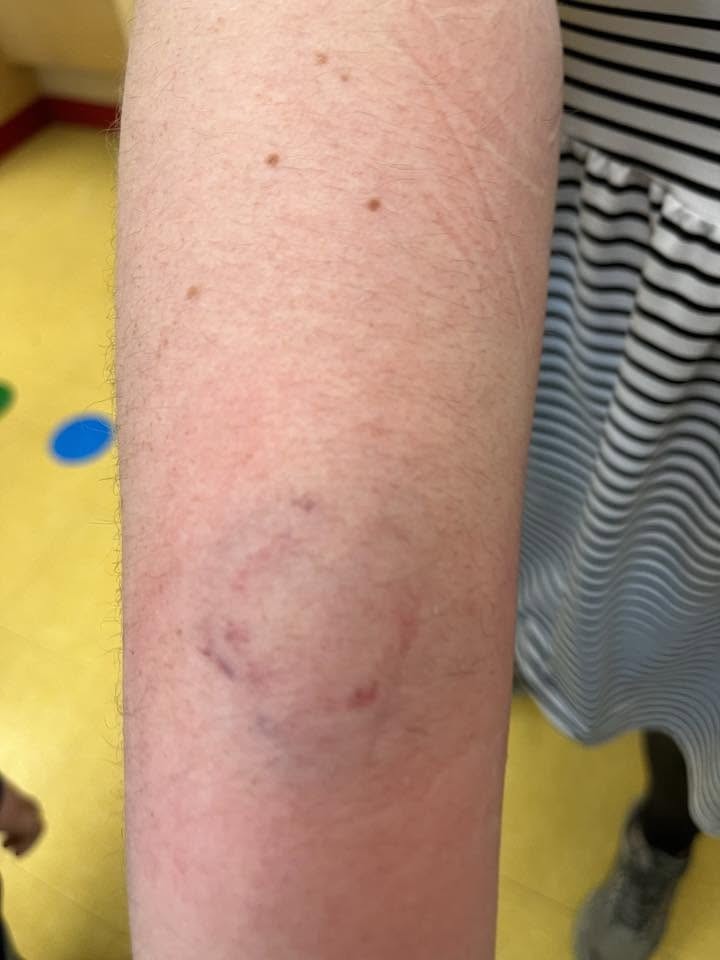
A photograph accompanying the coverage shows an arm with several visible marks. While this image has captured public attention on social media and other platforms, it does not provide definitive proof linking it to the alleged classroom incident. No medical evaluation, forensic analysis, or independent corroboration has been presented in connection with the photo or the allegation itself.
In the absence of verified documentation or direct testimony, the story must be treated as an allegation requiring further investigation rather than a confirmed account. Responsible reporting and public discussion must acknowledge these limitations while addressing the legitimate concerns raised.
The Broader Issue: Ensuring Classroom Safety
Regardless of the outcome of this specific allegation, the underlying issue highlights a crucial principle of education: students must feel safe, respected, and able to participate fully in their own learning. The opportunity to ask questions, seek clarification, and engage with content is central to academic success and child development.
Teachers carry significant responsibilities—not only to impart knowledge, but to nurture students’ intellectual growth while maintaining their emotional and physical well-being. Professional standards and educational codes of conduct worldwide emphasize the imperative of safeguarding students from harm of any kind, including verbal, emotional, and physical abuse.
Responsibilities of Educators: Professional Standards and Accountability
Educators are expected to model appropriate behavior, de-escalate conflicts, and create an inclusive learning environment. Various national and international guidelines—including documents from the United Nations Educational, Scientific and Cultural Organization (UNESCO) and ministries of education—outline strict protocols requiring educators to avoid any form of physical discipline or aggression.
Notably, intentional physical harm, such as biting, would represent a serious violation of these standards and could result in disciplinary action, legal consequences, and revocation of teaching licenses. Teacher training programs globally stress positive behavior management techniques, trauma-informed practices, and channels for reporting incidents of concern.
School administrations must also play a proactive role in monitoring educator conduct and responding swiftly to allegations through impartial, documented procedures. Transparent investigation processes foster accountability and reassure students, parents, and communities that the safety of children is always paramount.
The Role of Parents and Guardians: Responding to Concerns
When a child reports being hurt or mistreated at school, families have a crucial role in supporting their well-being. Experts recommend several steps:
- Listen carefully and non-judgmentally to the child’s account.
- Document the details provided, including dates, times, descriptions, and any physical evidence such as injuries or behavioral changes.
- Seek appropriate medical attention to address and document any injuries.
- Contact the school administration to report the concern formally and request a thorough review.
- If the situation is severe or there is a risk to the child’s safety, notify relevant child protection authorities or law enforcement as required by local law.
Effective communication between families and schools is essential in resolving concerns, improving classroom practice, and maintaining trust in the educational system.
The Importance of Proper Investigation
While images and emotionally charged headlines can rapidly influence public opinion, they do not substitute for thorough investigations based on evidence and due process. Determining the facts of such an incident requires:
- Direct interviews with the teacher, student, and any witnesses.
- Review of classroom footage if cameras are present.
- Official medical evaluations and documentation.
- Assessment by impartial authorities with expertise in child welfare and education.
Prematurely accusing individuals based solely on speculation or incomplete information can cause lasting reputational harm and undermine the integrity of the investigative process. Equally, failing to take concerns seriously may endanger students and erode confidence in educational institutions.
Expert Perspectives: The Psychology of Teacher-Student Interaction
Educational psychologists agree that positive teacher-student relationships are fundamental to learning and classroom harmony. When conflicts arise, research suggests that non-violent interventions—such as clear communication, restorative practices, and consistent routines—yield greater long-term benefits than punitive or physical responses.
Dr. Linda Darling-Hammond, a leading authority on teaching practices, notes that “supportive environments where questions and mistakes are valued are essential to fostering curiosity and academic growth.” Training educators in classroom management, emotional regulation, and social-emotional learning furthers these goals and reduces the risk of harmful incidents.
Additionally, civil society organizations and unions frequently advocate for adequate teacher support and manageable classroom conditions, arguing that under-resourcing, stress, and overcrowding can increase the likelihood of inappropriate responses. Comprehensive policies that address not only disciplinary frameworks but also teacher well-being and workload are considered best practice.
Societal Reactions and Policy Implications
Allegations of misconduct by educators typically prompt immediate reactions from the public, media, and government officials, with calls for accountability and stronger oversight. In cases where abuse is substantiated, there may be legal proceedings and institutional reforms. Where allegations are unproven, lessons often focus on improving communication, monitoring mechanisms, and training to prevent misunderstandings and ensure a supportive school climate.
Internationally, policies such as the United Nations Convention on the Rights of the Child (UNCRC) mandate that educational settings prioritize student safety and prohibit harmful discipline practices. Schools are increasingly required to implement reporting systems, offer counseling, and foster partnerships with parents and community organizations.
Balancing Safety, Fairness, and Evidence
Protecting children in educational environments is non-negotiable, yet maintaining fairness and accuracy is equally critical when addressing allegations. Safeguarding processes must shield students from harm, support those who raise concerns, and ensure that staff accused of wrongdoing are treated justly until facts are established.
Building a culture of trust requires updates to reporting protocols, ongoing teacher development, and transparency in how schools address and resolve incidents. Encouraging open dialogue between students, teachers, families, and administrators lays the groundwork for safer, more inclusive classrooms.
Conclusion: Upholding the Right to a Safe Education
While the specific case discussed here remains an unverified allegation, it underscores the importance of vigilance, transparency, and compassion in our schools. Every child is entitled to an education free from fear or harm, with teachers serving as both guides and guardians throughout their learning journey.
Ensuring that reported concerns are investigated thoroughly, with a balanced respect for all parties involved, fortifies the foundation of trust essential to effective education. As families, educators, and communities, we share a collective responsibility to defend children’s safety, amplify their voices, and support the integrity of the teaching profession.
Sources
Disclaimer: This content is intended for entertainment purposes only and is not based on real events.