
Ali MacGraw: From Sudden Stardom to a Life Beyond Hollywood
Early Life: Navigating Difficult Circumstances
Ali MacGraw, born Elizabeth Alice MacGraw in 1939, grew up in a household shaped by artistic ambitions but marked with financial hardship and emotional unrest. Her mother was a commercial artist, and her father, a painter, struggled with unresolved trauma from his childhood, which often manifested in emotional volatility and violence within the family. Despite the instability, MacGraw’s artistic inclinations flourished in an environment surrounded by creative expression, laying the foundation for her later pursuits.
The challenges of her upbringing instilled in MacGraw a determination to forge her own path. As she recounted in interviews, the family’s economic constraints and her father’s turbulent behavior bred a resilience that would become essential not only in her personal life but also in the competitive worlds she would soon enter.
Breaking into the Fashion World
Before achieving movie stardom, MacGraw first entered the demanding realm of New York fashion. With little financial backing, she moved to Manhattan and began her career as a fashion stylist and photographic assistant. It was during this period that she experienced what she described as a “Devil Wears Prada”-style apprenticeship, navigating the ruthless environment of high-fashion publications and facing intense competition.
MacGraw’s talent and perseverance did not go unnoticed. She worked for distinguished magazines such as Harper’s Bazaar and Vogue, learning valuable lessons about both aesthetics and the realities of the industry. “I was literally pushed in front of the camera,” MacGraw had recalled, indicating how her transition from behind the scenes to center stage was as much a circumstance of opportunity as of her own initiative.
Sudden Ascent: The Love Story Phenomenon
MacGraw’s breakthrough came with the 1970 film Love Story, where she starred as Jennifer Cavalleri. The film, based on Erich Segal’s best-selling novel, became an instant cultural phenomenon, grossing over $100 million in North America alone. MacGraw’s performance struck a chord, resonating with both critics and audiences, and her status as a Hollywood superstar was cemented virtually overnight.
Her depiction of Jennifer was lauded for its emotional depth and authenticity, earning her a Golden Globe Award and an Academy Award nomination for Best Actress. Suddenly, MacGraw found herself at the center of media attention, with fame and recognition arriving almost as abruptly as her entry into film.
Hollywood’s Demands and Personal Tribulations
While her career was soaring, MacGraw faced significant personal challenges. The glare of sudden fame proved overwhelming. She described the period as “disorienting,” recounting how the media scrutiny and relentless demands of Hollywood life left little room for privacy or personal equilibrium.
MacGraw’s relationships became tabloid fodder, particularly her highly publicized marriage to producer Robert Evans and subsequent romance with Steve McQueen. Both relationships were marked by turbulence and heartbreak. Particularly during her time with McQueen, MacGraw faced struggles related to addiction and codependency—difficulties she would later address with candid introspection.
Confronting Addiction and Loss
The period following her peak Hollywood fame was characterized by struggles with addiction and profound personal loss. MacGraw has spoken openly about her battle with alcoholism and the emotional challenges that followed the deaths of close family members and friends. Her openness has been praised by support organizations and recovery communities, who cite her willingness to discuss these vulnerabilities in public as part of a broader push for destigmatizing addiction.
MacGraw eventually found support and healing through therapy and recovery groups. These experiences contributed to her evolving perspective on fame, creativity, and the value of personal well-being.
Deciding to Leave Hollywood
After starring in several notable productions, including The Getaway and Convoy, MacGraw gradually retreated from the entertainment industry. The pressures of Hollywood, combined with the desire for self-discovery, motivated her to step away from what many would deem the ultimate dream career. She moved to a remote village in New Mexico, seeking solitude and a return to creative pursuits outside the public eye.
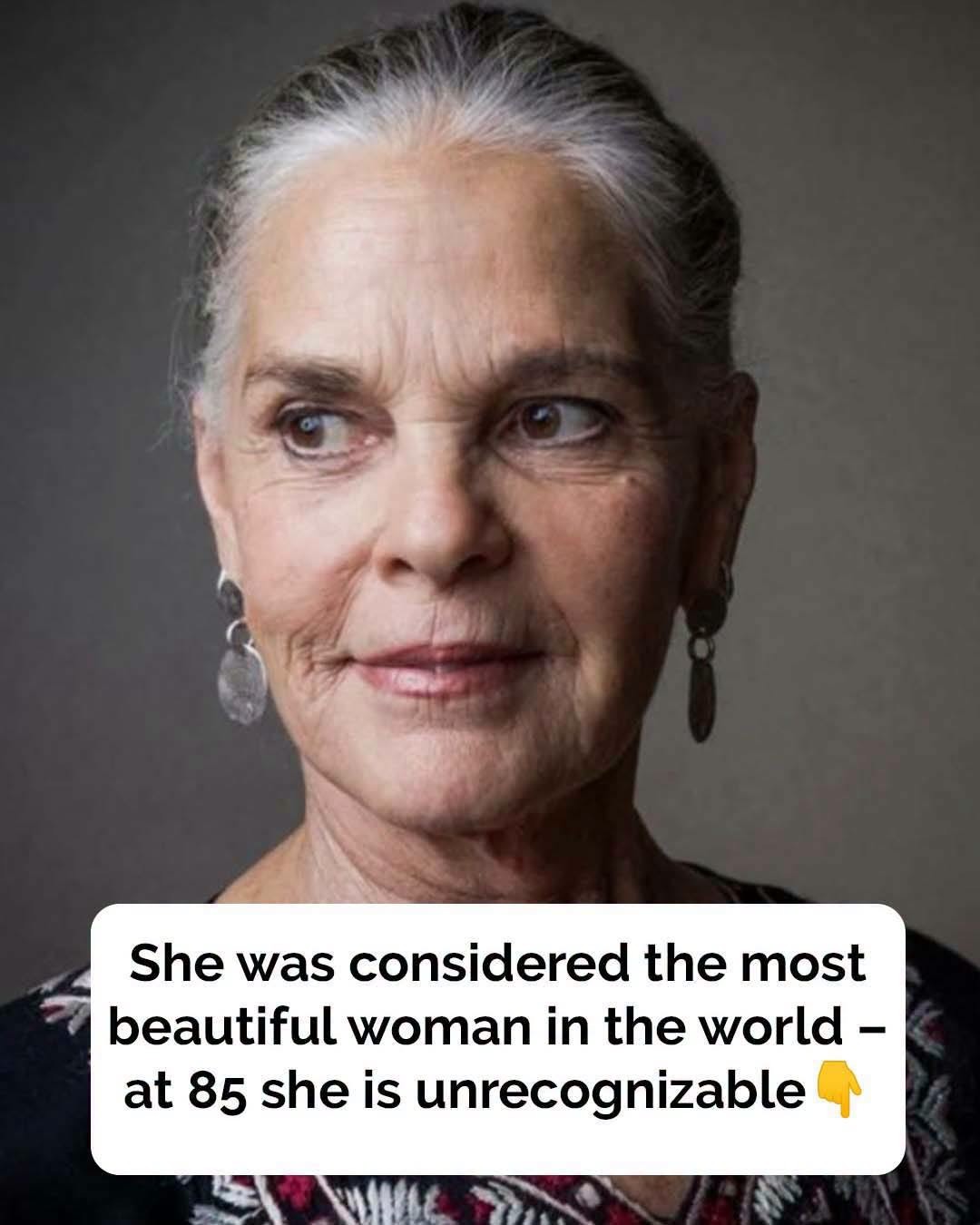
MacGraw embraced a radically different lifestyle—allowing her hair to turn grey naturally and shifting her focus towards design, animal rights advocacy, and spiritual growth. This departure was not a rejection of her past success, but rather an affirmation of the importance of authenticity and balance.
Life in New Mexico and Creative Renewal
MacGraw’s relocation marked the beginning of a transformative chapter. She found fulfillment in engaging with local communities, supporting animal shelters, and contributing to environmental causes. Her creative energies were directed towards design, notably collaborating with acclaimed textile company Santa Fe RUG Company on projects inspired by local traditions.
This quieter existence allowed MacGraw to reflect on her legacy and connect with others as a mentor and advocate. She often speaks at public events, sharing wisdom from her journey through Hollywood, recovery, and reinvention, inspiring audiences to pursue well-being and self-compassion.
Legacy and Impact
Ali MacGraw’s career and life story offer unique insights into the intersection of sudden celebrity, personal struggle, and reinvention. Her performances remain influential, with Love Story continuing to be referenced and celebrated as a classic romantic drama. Beyond her work in film, MacGraw’s openness about addiction and her engagement with charitable causes represent significant contributions to society.
Experts on celebrity culture and mental health note that MacGraw’s narrative is emblematic of a generation of actors who experienced rapid fame during the 1970s and 1980s, often at great personal cost. Psychiatrist Dr. Drew Pinsky highlights that MacGraw’s decision to step away from Hollywood is a positive example of prioritizing mental health in a profession rife with pressure and expectations.
Societal and International Reactions
MacGraw’s story has resonated broadly, prompting conversations about the importance of mental health, privacy, and creative autonomy. Her advocacy on behalf of animals and the environment has received recognition in the United States and abroad. The international film community continues to cite her as a model for reinvention and resilience, and her memoir Moving Pictures is recommended by literary critics for its candid portrayal of Hollywood’s realities.
Her approach to aging and beauty—embracing natural changes and eschewing conventional Hollywood expectations—has earned praise from body positivity advocates and lifestyle commentators. MacGraw’s choices serve as a reminder that fulfillment and success can be found in unexpected places, beyond the limelight.
Conclusion
Ali MacGraw’s journey from sudden stardom to a quieter life is a testament to the complexities of fame, the necessity of self-care, and the power of creative renewal. Her story highlights the challenges faced by those who attain celebrity status in Hollywood and underscores the importance of resilience, introspection, and authenticity. Through adversity and transformation, MacGraw has found lasting impact not only as an actress but as an advocate and example for those seeking meaning beyond the spotlight.
Sources
Disclaimer: This content is intended for entertainment purposes only and is not based on real events.
