
Educational purpose only. This post documents historical practices related to executions and aims to educate about historical procedures. We do not glorify violence or hate.
The Guillotine Execution Blade: Weight, Design, and the Dark Reason Behind the Slanted Edge
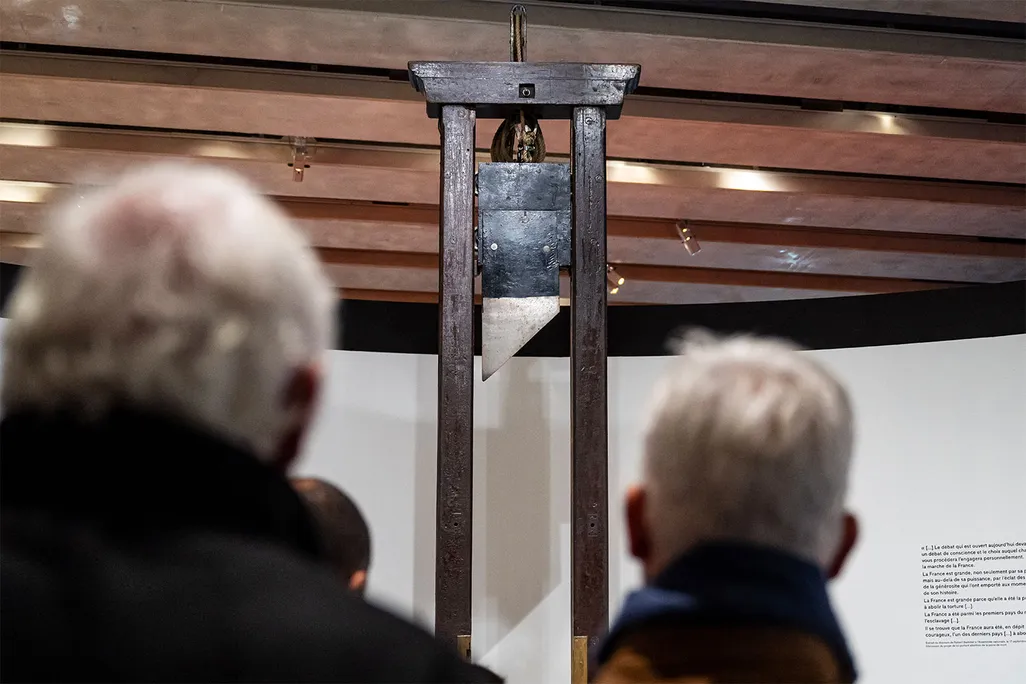
One of the most shocking execution methods in history was the guillotine. The device used a slanted, trapezoidal blade to sever the head in a single, swift motion. But despite its precision, the blade was anything but light—it was deceptively heavy. Why was it so heavy, and exactly how much did it weigh?
This article examines the physical characteristics of the guillotine blade, the engineering behind its design, and the dark reasons that determined its weight and shape.
1. How Heavy Was the Guillotine Blade?
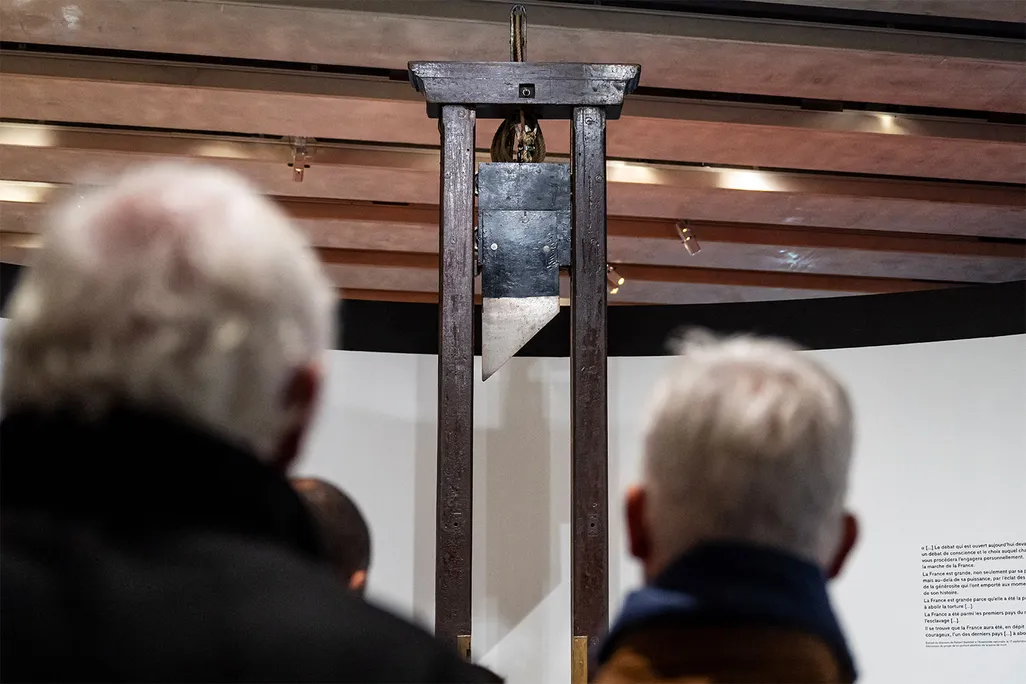
The guillotine blade was a massive piece of metal, weighing approximately 40 kilograms (about 88 pounds) . The entire structure of the device, including the wooden frame and the weighted sledge that guided the blade, could total around 580 kilograms (1,278 pounds) .
The blade’s weight was essential for its function. Gravity alone powered the drop, and the force of the impact—approximately 400 kilograms per square inch—was sufficient to sever the neck cleanly in less than half a second .
2. Why Was the Blade So Heavy?
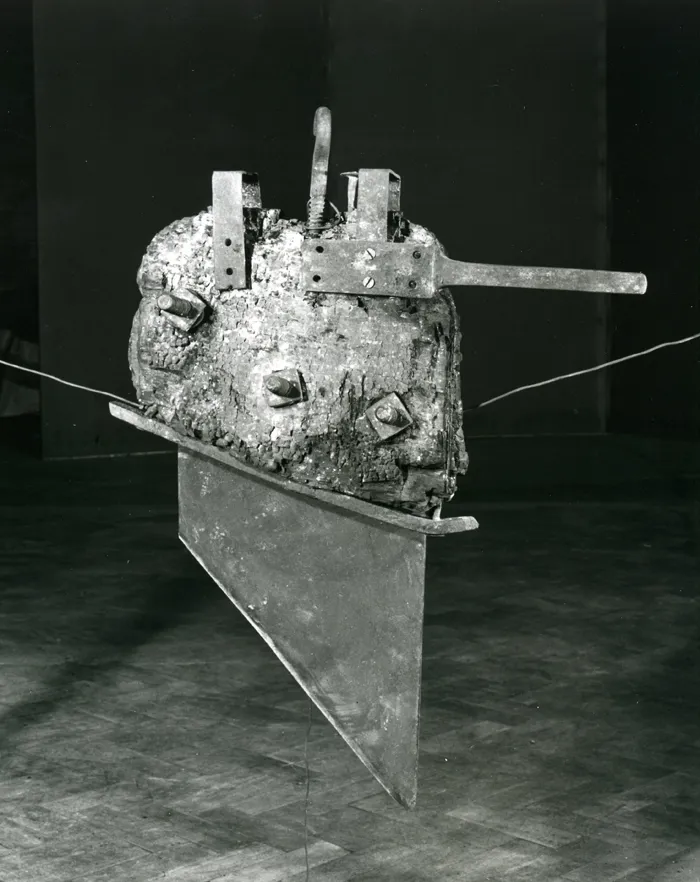
The weight of the blade was a deliberate engineering choice. A heavier blade ensured:
Momentum and Power: The 40-kilogram blade, falling from a height of over 2 meters, generated enough force to cut through bone and tissue without hesitation. Without sufficient mass, the blade might have become stuck or failed to make a clean cut, causing unnecessary suffering .
Consistency: Unlike an executioner’s axe or sword, which depended on human strength and skill, the guillotine relied on mechanical certainty. The weight of the blade, combined with the height of the drop, meant that the execution was always carried out with the same force and precision .
The Mouton: A metal weight called the “mouton” was sometimes added atop the blade to increase its impact force, further ensuring a swift death.
3. Why Was the Blade Slanted?
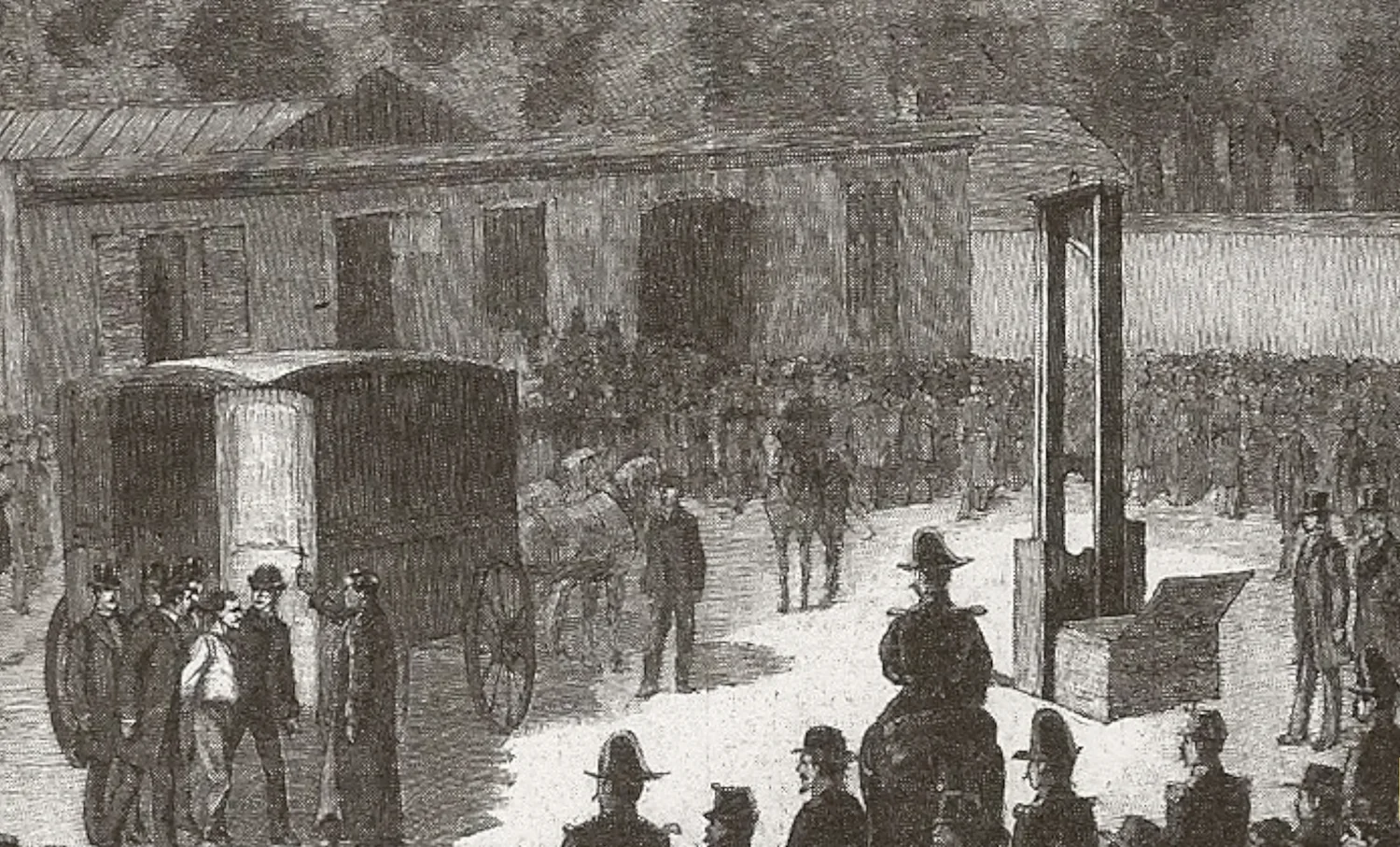
The slanted blade was not just a design quirk—it was a crucial improvement. The French guillotine originally used a straight, horizontal blade, but this was changed to a 45-degree oblique edge before its first official use in 1792 .
The reason was simple: a slanted blade creates a shearing or slicing action rather than a crushing one. As one expert noted, “The angled blade makes the cutting effect better” . This design reduces the force required to cut through the neck and ensures a cleaner, faster severance.
Some sources credit King Louis XVI himself with suggesting the angled blade after reviewing earlier designs, though others attribute it to Dr. Antoine Louis, a surgeon who helped refine the device .
4. The Physics of the Fall
The guillotine blade was raised to the top of a 4-meter-high wooden frame and held in place by a rope and pulley system . The drop height was approximately 2.3 meters (88 inches) . When released, the blade fell by gravity alone, without any mechanical assistance, reaching high speed in a fraction of a second .
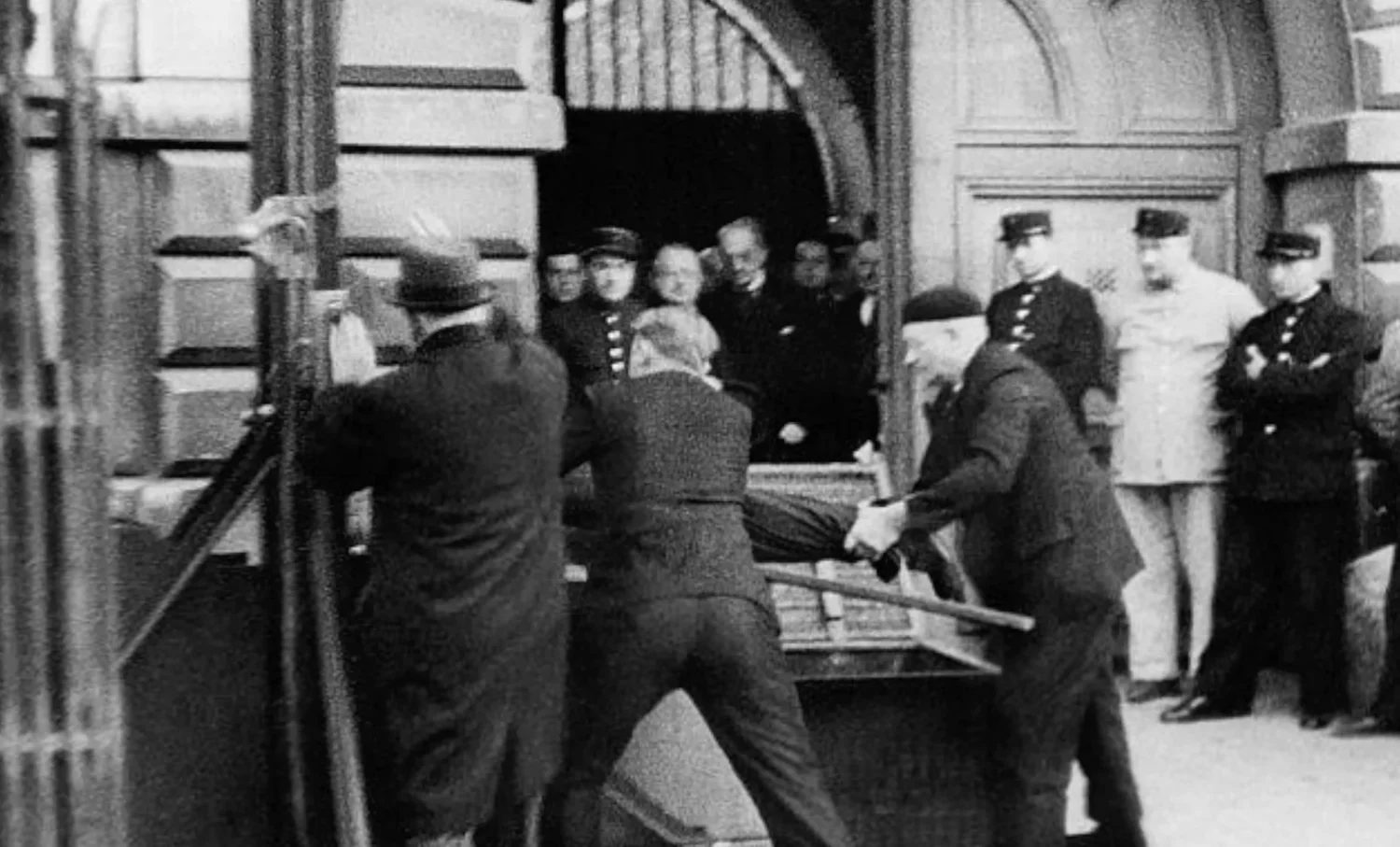
The trapezoidal shape of the blade, combined with its weight, ensured that the cut was clean and effective, living up to the guillotine’s reputation as a “humane” execution device—though the reality of its use was far more brutal.
5. Improvements Over Time
In 1870, the blade design was further improved to reduce wear caused by the force of impact . The spring buffer mechanism was added to absorb some of the shock, protecting the blade and the machine from damage after repeated use.
The last execution by guillotine in France took place in September 1977, and the death penalty was abolished in 1981. The blade’s design, however, remains a testament to the dark ingenuity of those who sought to make execution as efficient as possible.
Primary Sources:
Baike — Guillotine blade weight and design (40 kg, 45-degree angle)
The Times — Technical analysis of the oblique blade
Junior Cert History Blog — Guillotine statistics and force measurements
Gallica — French historical documents on guillotine design
