
Sean Young Became an ’80s Sci-Fi Icon — Then Hollywood Turned Against Her
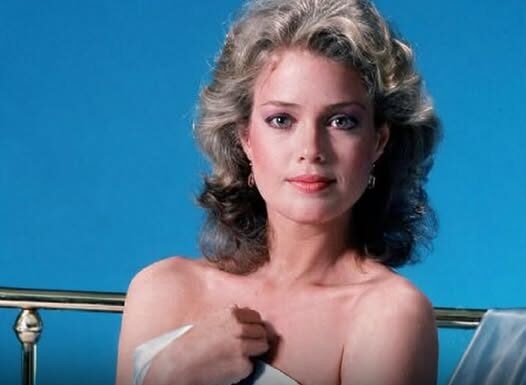
When Ridley Scott’s Blade Runner premiered in 1982, it not only shaped the landscape of cinematic science fiction, but also launched Sean Young into international stardom. Just 22 at the time, Young’s nuanced portrayal of Rachael — a replicant whose quest for identity anchors the film’s narrative — became synonymous with the movie’s emotional depth and futuristic aesthetic. Over time, both the film and Young’s performance have become touchstones for fans and filmmakers alike, cementing her place as a science fiction icon.
Blade Runner’s visual and philosophical impact continues to resonate, and Young’s embodiment of Rachael remains one of the most evocative in genre history. Her performance balanced vulnerability and mystery, contributing substantially to the film’s lasting allure.
From Dance Training to Hollywood Stardom
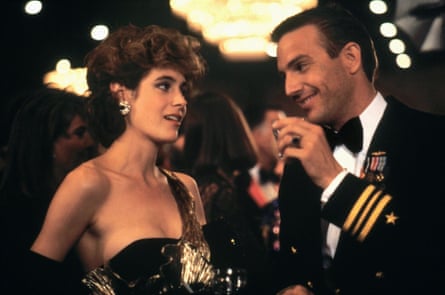
Sean Young’s performance style was deeply influenced by her early years as a dancer. This background helped shape the physical control and unique presence she brought to her roles. Even before arriving in Hollywood, she demonstrated the discipline and commitment that would characterize much of her acting career.
Hollywood quickly took notice. Following Blade Runner, Young was cast in director David Lynch’s 1984 adaptation of Dune, another ambitious science-fiction epic that, while initially divisive, garnered a devoted following. Her willingness to take on challenging roles in visually inventive films marked her as an actress willing to push boundaries.
Major Roles and Hollywood Visibility in the 1980s
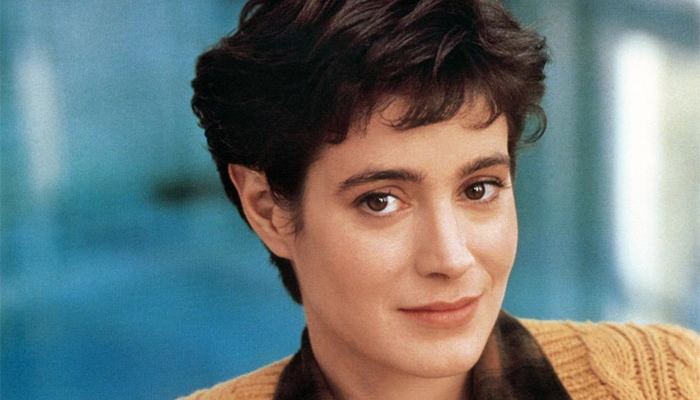
Throughout the mid-1980s, Young’s career continued to ascend. By 1987, she starred opposite Kevin Costner in No Way Out, a tense thriller that further solidified her place among Hollywood’s leading women. That same year, Oliver Stone cast her in Wall Street — a critically acclaimed drama scrutinizing ambition and power in corporate America.
These roles placed Young at the heart of some of the decade’s most prominent cinematic conversations. She had effectively built a portfolio that included celebrated directors, influential actors, and a string of films that would endure for generations. The future seemed bright, with Young positioned as a notable leading actress for years to come.
Changing Currents: Challenges Emerge
However, Hollywood careers rarely unfold as predicted, and Young’s trajectory began to diverge from expectations by the late 1980s. Public stories of on-set disagreements with directors and co-stars began to circulate, and her candor became a subject of discussion in industry circles and entertainment media. Instead of focusing solely on her performances, the narrative around Young increasingly hinged on backstage dynamics and labeled her as “difficult.”
This label, as cinema historians and diversity advocates have pointed out, has disproportionately impacted women in the industry, often coloring public and professional perceptions and shaping opportunities for years to follow.
Professional Setbacks and the “Difficult” Label
One notable episode occurred with Wall Street, where Young’s screen time was significantly reduced. This incident became emblematic of a broader pattern where relationships with influential filmmakers and studio executives began to affect her professional prospects. At the same time, tabloid focus intensified amid a highly publicized legal dispute involving actor James Woods.
The confluence of on-set disagreements and sensational headlines created an environment where Young’s acting achievements were often overshadowed by the narrative of controversy.
Hollywood’s Double Standards: Gender and Reputational Impact
For Young, the fallout was unmistakable. Mainstream studios became less willing to cast her in high-profile projects, narrowing her career options within big-budget Hollywood. Years later, she reflected openly on issues of gender and industry bias, famously remarking, “Of course, if I were a man I’d have been treated better. Duh.” Her experience foregrounded a broader conversation around the double standards faced by women in entertainment, many of whom have encountered similar repercussions for challenging authority or established norms.
Hollywood’s complex reputation economy meant that Young’s willingness to speak candidly repeatedly influenced perceptions and, consequently, her career trajectory. While intense or forceful behavior from men could sometimes be celebrated, the same qualities often haunted outspoken women, limiting their opportunities.
Blade Runner and Enduring Legacy
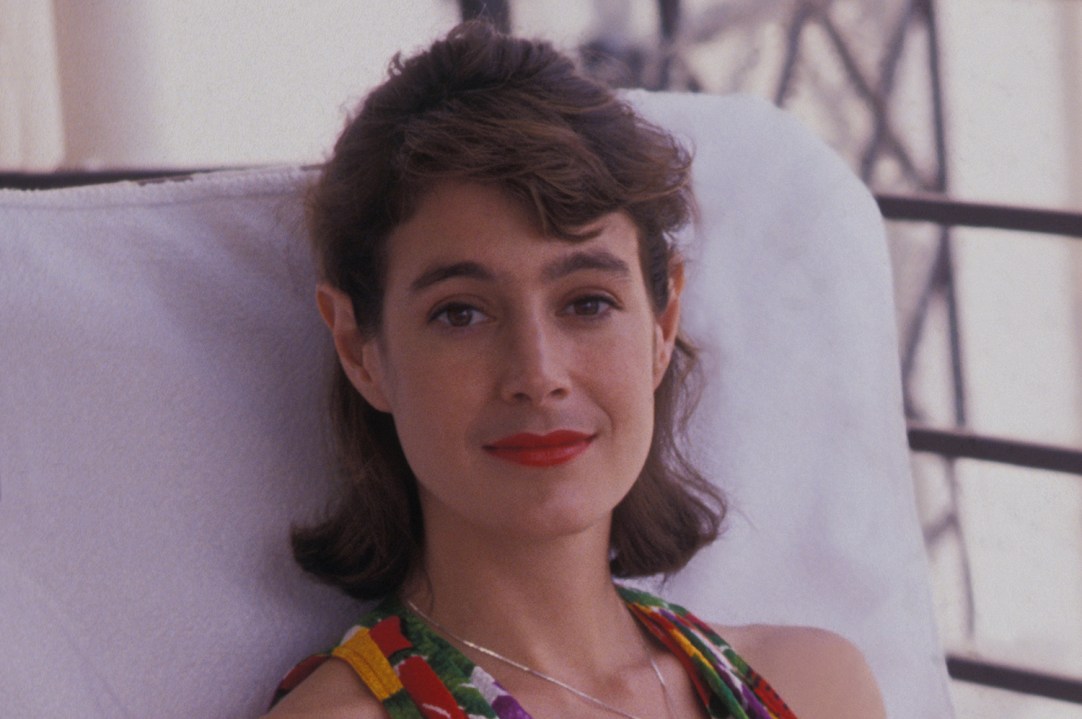
Despite industry challenges, Blade Runner continued to gain stature, with Young’s Rachael becoming an enduring symbol of the genre. The film’s growing cult influence ensured that Young remained a reference point for new generations of viewers discovering her work for the first time.
In 2017, the franchise revisited the story with Blade Runner 2049. This sequel introduced Rachael again — but through the use of advanced digital effects, recreating Young’s appearance as she was in 1982. While technically impressive, this choice raised questions about legacy, recognition, and artists’ participation in their own creative legacies. Young herself described frustration at not being given a substantive role in the new film, viewing the virtual cameo as a further example of the industry capitalizing on her image while limiting her active contribution.
A Career of Adaptation: Independent Work and Beyond
Though major studio support dwindled, Sean Young did not withdraw from acting. Instead, she navigated toward independent films, television, genre projects, and other creative ventures outside the largest Hollywood productions. Her post-mainstream career was marked by resilience and adaptability, resulting in an extensive filmography that now includes more than 130 credits across film and television.
This body of work stands as a testament to her tenacity and artistic commitment. Instead of fading away, Young continued to find new roles, audiences, and creative collaborations — challenging the common misconception that her career ended with the 1980s.
Expanding Horizons: Live Theater
In the 2010s, Young diversified even further, taking to the stage in productions such as the off-Broadway show Ode to the Wasp Woman. Her move into theater demonstrated a willingness to experiment and to pursue new forms of performance, decades after her cinematic breakthrough. This venture also allowed her to invite new audiences to focus on her skills and passion for the craft, outside of Hollywood’s often polarizing narrative.
An Unstoppable Work Ethic
Few figures from the 1980s film landscape can claim such a broad, diverse, and sustained body of work. While the media often emphasized stories of conflict or professional obstacles, the record of Sean Young’s continued contributions is substantial. Her roles after the heyday of big budget film solidified her status as a working actor — not merely as a relic of the past, but as an artist with a career that extended far beyond her most well-known years.
Raising Questions About Sexism in Hollywood
Young has remained forthright about the gendered dynamics that shaped her career. Her willingness to discuss sexism and the industry’s differential treatment of outspoken women helped amplify broader conversations within Hollywood and beyond, influencing new generations of actresses and industry observers. Her case exemplifies how “difficult woman” narratives have been wielded to sideline female talent, and how those characterizations can carry long-term career consequences.
Film historians and gender studies scholars frequently reference Young’s experiences when analyzing Hollywood’s shifting power dynamics and the intersection between charisma, assertiveness, and reputation.
Redefining the “Difficult” Woman
Over time, the very idea of what it means to be labeled “difficult” has changed, especially within the context of the #MeToo movement and renewed scrutiny of historical gender norms in entertainment. What was once seen as a liability has, in many ways, become a badge of advocacy for equity and artistic independence. Young’s story is part of this evolving narrative, demonstrating both the professional risks and the lasting impact of speaking out inside a highly scrutinized industry.
A Career That Defies Simple Narratives
The arc of Sean Young’s professional life resists the standard Hollywood script. Her journey includes breakout success, public controversy, industry adversity, steady work in independent and genre cinema, and forays into live theater. Such complexity can be difficult to capture in a single narrative, but it underscores her unique place in entertainment history.
Despite obstacles and changing trends, she has prevailed through perseverance and artistry, never fully stepping away from her craft. Her story offers insight into both the glamour and the underlying realities of fame, gender, and long-term creative work in Hollywood.
Blade Runner and Ongoing Discovery
Today, Blade Runner stands as an evergreen introduction to Sean Young for audiences worldwide. As new generations encounter the film’s haunting questions about humanity and identity, many are prompted to explore Young’s broader body of work. She herself has acknowledged that, saying, “People will be watching Blade Runner forever, and then they’ll ask themselves, ‘Who’s that actress? Oh, what else did she do?’”
Such ongoing discovery ensures that her legacy is not defined solely by Hollywood politics, but by the resonance and reach of her performances.
A Legacy Spanning Generations
Sean Young’s career has endured through shifting times and evolving entertainment landscapes. Entering the business in her early twenties and continuing work through her sixties, Young has built a legacy that spans multiple cultural eras. She remains open about her longevity and hints at the possibility of future work, stating, “They’ll be able to find stuff I’ve done in my 20s, 30s, 40s, 50s, and 60s—and maybe even my 70s. You never know.” Her remark epitomizes the persistence and hope that have marked her professional journey.
Beyond Controversy: The Substance of Sean Young’s Career
While controversies and setbacks form part of the narrative, they do not define Sean Young. Her contribution to cinema, particularly through her performance as Rachael, remains deeply influential. Additional roles in milestone films like Dune, No Way Out, and Wall Street further illustrate her versatility and reach. Crucially, her ability to thrive outside the Hollywood studio system — pursuing independent films and theater — distinguishes her as a dedicated, adaptive artist.
Moreover, her candid reflections on sexism and power in the industry continue to shape the discourse around women’s roles in entertainment.
Persistence Over Disappearance: The True Sean Young Story
Ultimately, Sean Young’s story is one of resilience rather than vanishing. The image she created as Rachael remains a permanent fixture of global pop culture, but her career is much larger and more dynamic than that single role. Experiencing both acclaim and adversity, Young refused to be marginalized or silenced. Her filmography exceeds 130 entries and covers a remarkable range of genres, production sizes, and artistic formats.
While mainstream Hollywood shifted, Sean Young kept working, charting a path defined by creativity and resolve. More than four decades after her debut, she continues to inspire audiences — not just through the memory of a 1980s classic, but through a living, evolving legacy.
Sources
Disclaimer: This content is intended for entertainment purposes only and is not based on real events.
