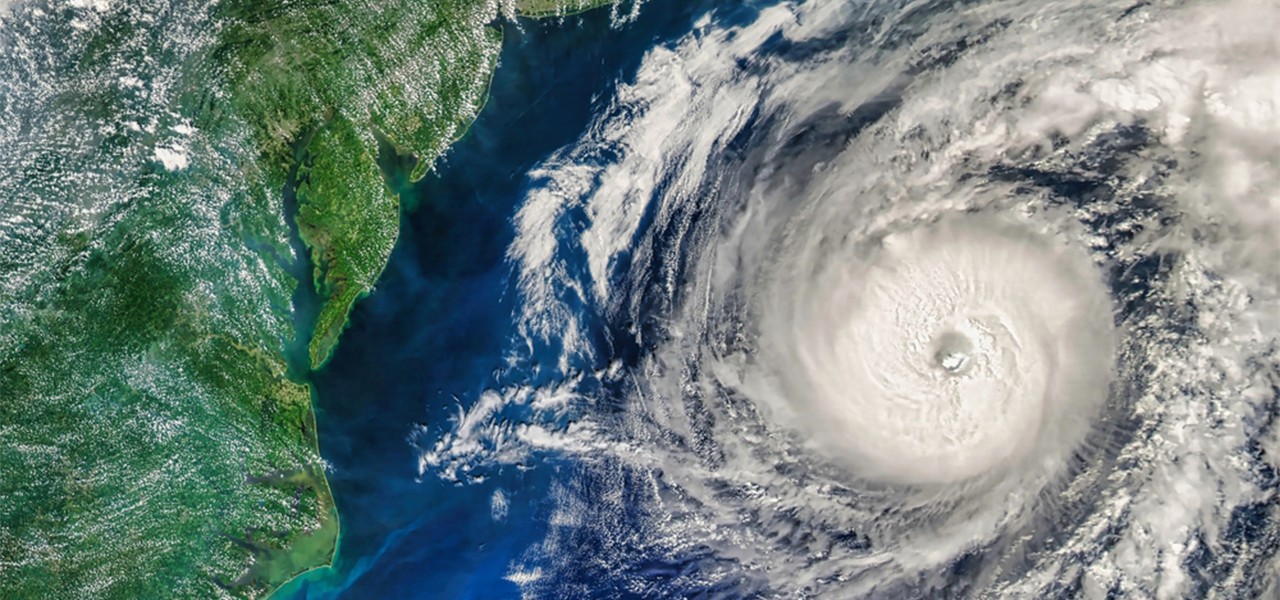

Polar Vortex Breaks Down Earlier Than Ever, Setting Up a Winter Weather Tug-of-War with El Niño
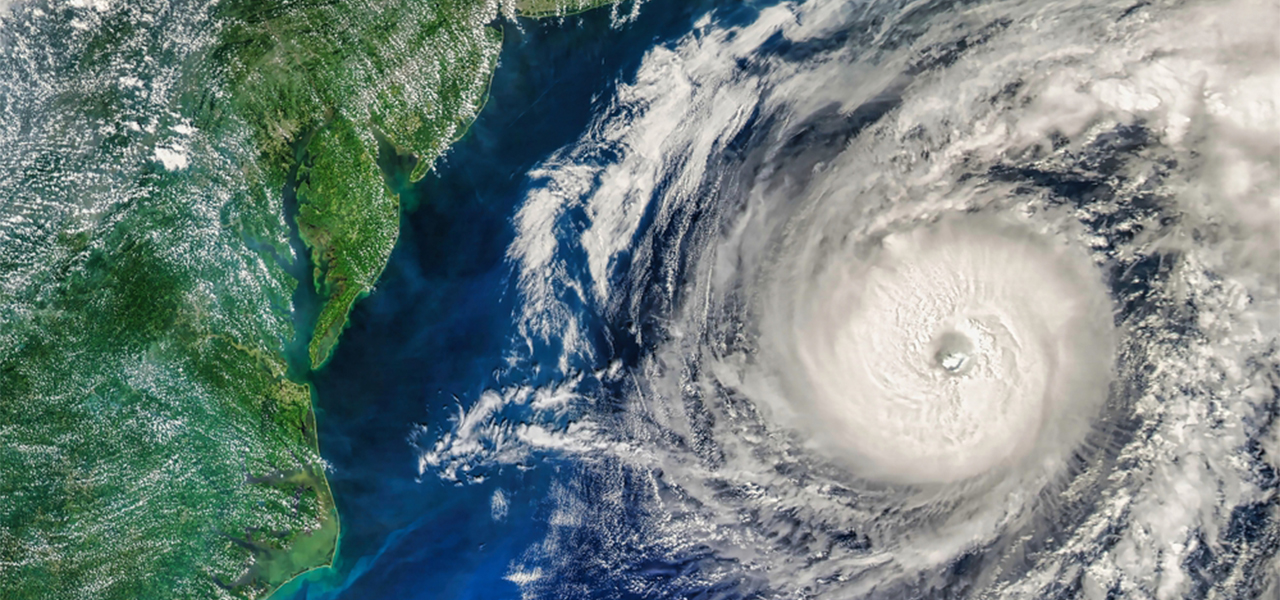
An unprecedented event in the upper atmosphere is unfolding above the Arctic, and it could have wide-reaching effects on winter weather across much of the Northern Hemisphere.
According to recent reports, notably from CNN, the polar vortex has broken down earlier than at any point in recorded history. This significant atmospheric shift increases the potential for Arctic air to descend into more temperate regions in North America, Europe, and Asia—threatening colder, more volatile winter conditions for millions. Nevertheless, the situation is being complicated by an unusually strong El Niño event, which typically brings milder and warmer temperatures. As a result, scientists are closely monitoring the interaction between these two powerful climate systems, unsure which will dominate the coming months.
Understanding the Polar Vortex: A Key Atmospheric Player
The polar vortex is not a new phenomenon, but its behavior is coming under increased scrutiny due to its influence on extreme winter weather. The term refers to a large region of cyclonically circulating winds in the stratosphere, typically centered around the North Pole and situated between 10 and 30 miles above the Earth’s surface. This system acts as an atmospheric fence, containing the Arctic’s intense cold and often shielding lower latitudes from its most frigid air. When operating normally, the polar vortex rotates strongly, maintaining a tight boundary around cold Arctic air masses.
The annual formation and stabilization of the polar vortex coincide with the onset of polar night, when the Arctic experiences months without sunlight. However, the vortex itself is not static—its strength and extent fluctuate in response to a range of atmospheric forces. Sometimes, it weakens or is disrupted, allowing Arctic air to escape toward the south—an event that has led to major cold snaps and severe winter storms in the past.
A Record Early Breakdown: Key Details and Context
This year’s polar vortex breakdown is remarkable not just for its occurrence, but for its timing. While the vortex had been weakening for weeks through the autumn, meteorologists observed a remarkable shift in early November: a phenomenon called “major sudden stratospheric warming” (SSW). During an SSW event, temperatures in the stratosphere rise at a rapid rate—sometimes by as much as 50°C (90°F) within a few days. This rapid warming causes the powerful, westerly winds of the vortex to abruptly reverse direction, which disrupts the overall structure of the vortex. As a result, the cold air it had been containing can spill southward.
Forecasters first detected the wind reversal on November 10, more than two weeks earlier than the previous record. Traditionally, most SSW events occur from January through March. The only two other early November occurrences on record happened on November 28 in 1968 and again in 2025—making this year’s breakdown unprecedented in its timing. Changes that begin in the stratosphere can cascade down through the atmosphere, often taking days or even weeks to fully influence the weather closer to the ground.
As Andrea Lopez Lang, a meteorologist at the University of Wisconsin-Madison, describes it: “This year is exceptionally unique.” Since there are no well-established historical parallels for such an early event, predicting its impact on the winter ahead remains a scientific challenge.
Why Did the Polar Vortex Break Down So Early?
Atmospheric scientists are working to untangle the reasons behind this unusually early polar vortex disruption. One prevailing theory points toward the current intense El Niño as a possible contributing factor. Research has shown that El Niño years can sometimes coincide with a weaker polar vortex and an increased frequency of major SSW events. El Niño—characterized by above-average sea surface temperatures in the central and eastern tropical Pacific Ocean—induces a ripple effect in atmospheric circulation patterns worldwide, sometimes affecting the polar regions as well.
However, the link between El Niño and sudden stratospheric warming events is complex. Simon Lee, an atmospheric scientist at the University of St Andrews, points out that the scientific understanding is still developing. “We’re not sure yet,” he notes, reflecting a cautious approach to connecting these events. The timing of this year’s disruption, so early in the season, has few direct precedents. As Lopez Lang notes, “It’s happening so early in the season that basically our historic events don’t capture what’s actually happening.” This is leading researchers to study the event closely as a kind of “natural experiment,” the results of which may inform future climate predictions and understanding.
Deciphering the Impacts: What Could This Mean for Winter Weather?
With the early polar vortex breakdown underway, weather experts are now considering how it could impact winter conditions for the rest of the season—particularly given the counterbalancing influence of El Niño. Historically, a disrupted polar vortex can lead to surges of unusually cold air moving into parts of North America, Europe, and Asia. These cold episodes, sometimes dramatic, have triggered widespread winter storms, transportation disruptions, and increased heating demands in regions unaccustomed to such frigid weather.
However, El Niño traditionally brings milder and wetter winters, especially to parts of North America. Amy Butler, a research physicist at the National Oceanic and Atmospheric Administration (NOAA), recently observed that for the coming month, she expects a higher chance of above-average temperatures in northern parts of the United States—a trend linked to El Niño’s persistent influence. In fact, much of the US and Canada may remain on the milder side, at least for the immediate future.
At the same time, climate experts like Judah Cohen of MIT caution that with the sudden weakening of the polar vortex, cold snaps can still occur—potentially affecting much of the US, Europe, and East Asia. “An early breakdown of the vortex really increases the chance of cold air outbreaks across densely populated parts of the US, Europe, and East Asia,” Cohen explained in an interview with AFP.
Notably, a singular event in the polar vortex—particularly at the start of winter—is no guarantee of a persistently cold season. The atmosphere is a complex, dynamic system; numerous other factors, including jet stream patterns, oceanic trends, and ongoing stratospheric changes, will exert their own influences. This winter may ultimately serve as a real-time study for researchers interested in the interplay between El Niño’s warming tendencies and the cold disruptions unleashed by a fractured polar vortex. As Lopez Lang explained, “The atmosphere is an experiment. We’ll see whether El Niño or the polar vortex has more say.”
Expert Insights: Modeling and Predicting a Complex Season
Forecasting the outcome of this atmospheric tug-of-war remains a complex challenge. Meteorologists use sophisticated climate models to simulate how mass and energy move between layers of the atmosphere. Nonetheless, the rarity and timing of this year’s polar vortex breakdown introduce substantial uncertainty into these predictions.
Some models point to an increased likelihood of atmospheric “blocking events”—large-scale disruptions to the usual westerly wind patterns. Such blocks often coincide with persistent cold spells in some regions and warmer-than-usual conditions in others. The competition between El Niño’s warming influence and the disruption caused by the polar vortex breakdown means these regional variations may be even more pronounced this year. This could result in a winter marked by swings between mild and harsh spells, rather than long periods of stable weather in either direction.
In practical terms, millions of people across North America, Europe, and Asia could experience unusual winter weather patterns. According to international meteorological agencies, preparedness and flexibility are critical for communities and sectors dependent on stable winter conditions—such as agriculture, transportation, and energy. Sudden temperature drops or bouts of extreme cold can challenge infrastructure, health systems, and daily life.
Global Reactions and Long-Term Implications
The unprecedented nature of the polar vortex event has drawn the attention of meteorologists and climate researchers worldwide. International organizations, including the World Meteorological Organization and national weather services, are sharing real-time data and analysis in an effort to refine forecasts and deepen scientific understanding. The event is also spurring conversations about climate variability, resilience, and the need for improved early warning systems.
Beyond immediate weather impacts, scientists are keenly interested in what these events might signal about long-term climate trends. As the planet warms, there is uncertainty about how often—or how intensely—such stratospheric disruptions may occur. Some studies suggest that a warming Arctic could make the polar vortex more prone to disturbances, but there is no consensus yet within the scientific community. Ongoing research will likely emphasize the interplay between natural variability and anthropogenic climate change, striving to answer questions about both seasonal predictions and future climate risks.
Conclusion: A Winter Shaped by Uncertainty and Dynamic Forces
This year’s early polar vortex breakdown, occurring alongside one of the strongest recorded El Niño events, makes the 2026-2027 winter season one of the most closely-watched in decades. The ultimate impact on Northern Hemisphere weather will depend on how these two systems interact—a scenario meteorologists will be observing in real time. For now, the message from the scientific community is clear: remain attentive to local forecasts, stay informed about seasonal trends, and be prepared for a potentially unpredictable winter.
Further Reading
- El Niño map: Regions facing floods, drought and heat
- Super El Niño projected to cause up to 450,000 deaths over the next six months
Sources
- CNN: Polar vortex stratospheric warming and El Niño
- CNN International
- DW: What’s going on with the polar vortex?
- NOAA (National Oceanic and Atmospheric Administration)
- World Meteorological Organization (WMO)
- BBC: Science & Environment
Disclaimer: This content is intended for entertainment purposes only and is not based on real events.