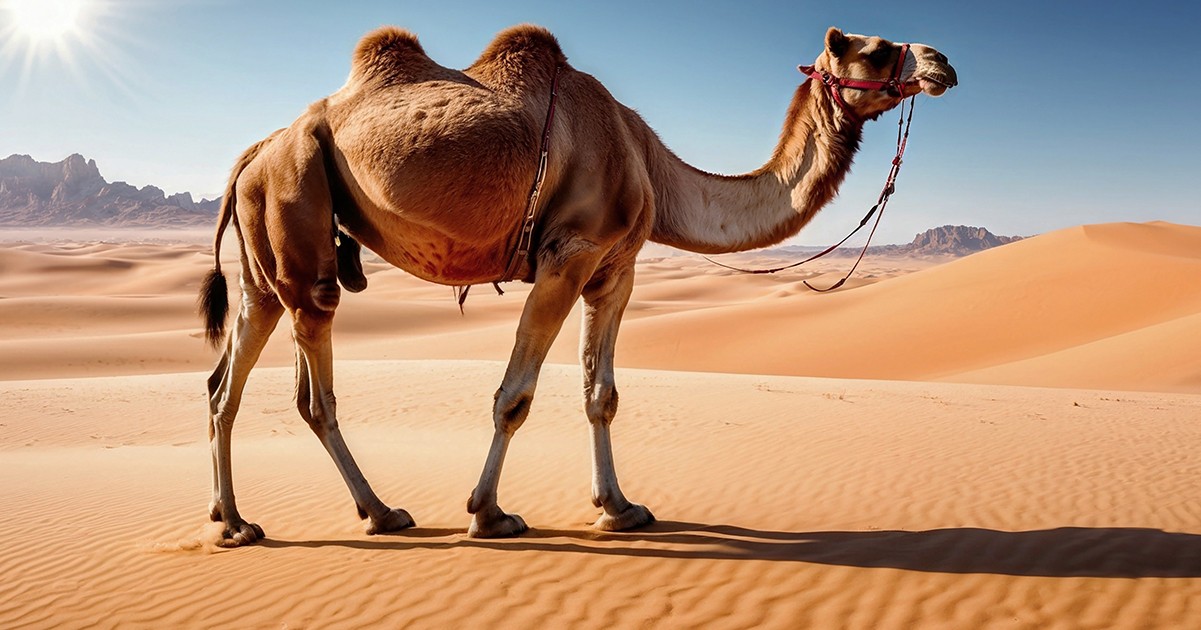

Camel in India Kills Owner: The Dangers of Animal Mistreatment in Extreme Heat

In 2016, a tragedy struck the Barmer district of Rajasthan, India, drawing international attention and igniting debate about animal welfare and the human responsibility to care for working animals, especially in regions plagued by extreme temperatures. According to reputable reports, a camel that had been left tethered without shade or water under scorching conditions became agitated, resulting in the fatal mauling of its owner, Urjaram. This dramatic incident serves as a critical reminder of the consequences of neglect and mistreatment, especially for animals adapted to, but not impervious to, harsh climates.
Extreme Heat and the Events Leading Up to the Incident
Barmer district, located in the Thar Desert, is no stranger to intense heat. Temperatures can routinely rise above 100 degrees Fahrenheit (37.8°C) and, during heatwaves, soar past 120 degrees Fahrenheit (49°C). In such conditions, access to water and shade becomes a matter of survival, not just comfort, for both people and animals.
On the day of the incident, reputable outlets like The Independent and Times of India reported that Urjaram, after entertaining guests in his home, neglected to check on his camel. The animal was tied outside with its legs bound, exposed to the full force of the midday sun and left without access to water or shelter.
Witness accounts describe a visibly distressed animal: restless, making agitated sounds, and clearly suffering. Such behavior is a common indicator of heat stress, pain, or psychological distress, and should act as a warning to caretakers. Instead, when Urjaram eventually approached, the camel—by then at its breaking point—attacked him.

The Attack and Immediate Aftermath
The violence of the incident was widely reported by local media and witness statements. Eyewitnesses recounted how the camel grabbed its owner by the neck, threw him to the ground, and inflicted fatal injuries. Local villagers were shocked by the speed and ferocity of the attack, with some reporting that the animal continued its rampage, making it impossible to approach safely.
It reportedly took a group of about 25 villagers six hours to restrain the camel safely, ultimately requiring the use of ropes and even a truck to subdue the animal. Such a protracted struggle underlines the physical strength and resilience of camels, particularly when agitated or threatened.
Understanding Camel Behavior: Docility and Danger
Camels are domesticated animals renowned for their endurance, intelligence, and generally gentle temperament. In many regions, they serve critical roles as pack and riding animals in environments where few other creatures can survive. However, animal behavior specialists caution that even domesticated animals can turn unpredictable and dangerous if they are subjected to prolonged distress or mistreatment.
According to an expert cited by The Sun, a full-grown camel—whether a dromedary (single hump) or Bactrian (two humps)—is capable of inflicting severe injuries, including crushing limbs or delivering deadly bites. Standing up to seven feet at the shoulder and weighing as much as 2,200 pounds (1,000 kg), camels have the physical attributes to both defend themselves and retaliate when provoked.
Experts from the fields of animal husbandry and veterinary medicine emphasize that aggressive outbursts are often a last resort, triggered by cumulative stressors such as inadequate care, physical restraint, and, most notably, deprivation of water and protection from the elements.
Previous Incidents: A Pattern of Retaliation
While deadly camel attacks are exceptionally rare, this case in India is not unique. International media have reported similar incidents, which often share a pattern of mistreatment or provocation preceding the attack. For example, in 2023, a caretaker in Siberia lost his life after reportedly striking a Bactrian camel at a holiday camp. According to published accounts, the animal responded aggressively to being struck, resulting in a fatal trampling.
In another case in 2022, a camel at a petting zoo in the United States killed two men who attempted to recapture it after an escape. Local reports highlighted the animal’s panic and strong stress response to confinement and pursuit. Additionally, in Mexico, a wildlife sanctuary owner was fatally attacked when a camel became agitated, kicking and biting before sitting atop the victim, ultimately causing asphyxiation.
These examples underscore a recurring lesson: animals under severe stress or repeated abuse may eventually resort to violence, even against long-time handlers or owners.
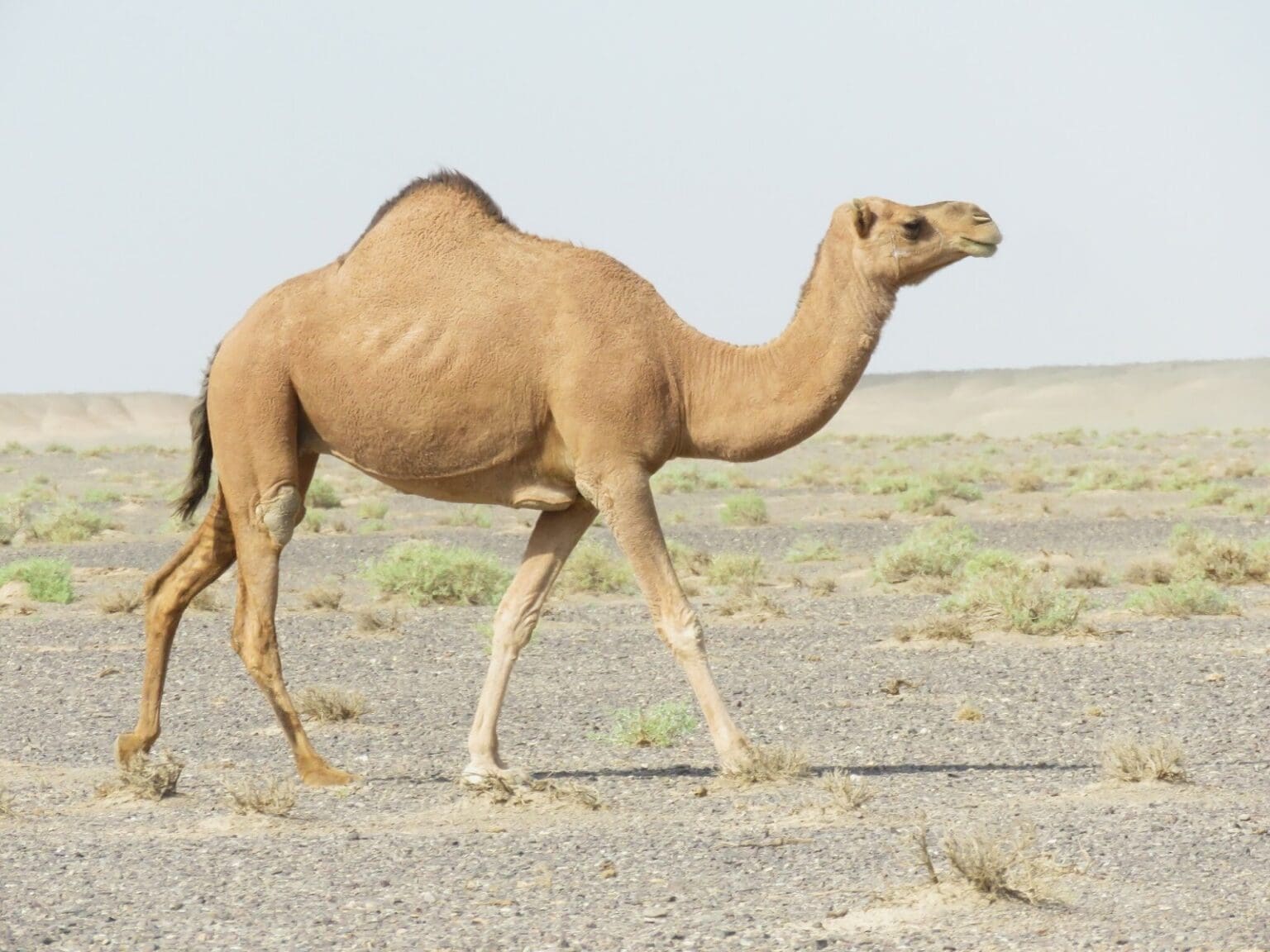
Scientific Perspective: Heat Stress and Animal Welfare
Heat stress occurs when an animal’s heat load exceeds its ability to dissipate the excessive body heat, potentially resulting in physical and behavioral changes. The World Organization for Animal Health (OIE) and the Food and Agriculture Organization of the United Nations (FAO) include heat stress as a pressing animal welfare concern in arid and semi-arid regions.
For camels, habitual dwellers of deserts, certain adaptations—such as water-efficient metabolism and temperature-tolerant physiology—help them survive. However, these adaptations are not limitless. Extended periods without water, particularly when tied or unable to seek shade, greatly increase the risk of heat exhaustion and aggression. The Indian National Research Centre on Camel has observed that extreme heat without relief can cause camels to display symptoms of restlessness, increased vocalization, sweating, and in rare cases, unpredictable aggression.
Animals subjected to chronic stress may also demonstrate altered behaviors, including attacking humans or other animals. The prevention of such incidents relies on sound animal husbandry practices, recognizing early warning signs of distress, and respecting the animal’s needs at all times.
Legal and Societal Impacts in India
The Barmer district incident generated widespread public and media response in India. Animal rights groups highlighted the event as an avoidable tragedy, citing it as evidence for the necessity of improved oversight and education regarding animal welfare among livestock keepers.
India has existing legal frameworks to protect animals from mistreatment, including the Prevention of Cruelty to Animals Act, 1960, but enforcement can be inconsistent, especially in rural areas. After the Barmer attack, local authorities and non-governmental organizations renewed calls for awareness campaigns to educate owners about the risks of exposure to heat and proper animal care.
The incident also sparked discourse on social media and in national discussions, where the focus was not only on the tragedy itself but on the broader issues of animal welfare, rural livelihoods, and the ethics of animal husbandry in challenging environments.
International Reactions and Lessons Learned
The story of the Barmer camel attack was covered by international news organizations, sparking dialogue about the treatment of working animals in other arid parts of the world, such as the Middle East, North Africa, and Central Asia, where camels are vital for transportation and tourism.
Organizations like the World Animal Protection Society and the OIE have since emphasized the importance of regular water access, shelter, and humane handling as foundational practices, regardless of an animal’s natural adaptations.
Veterinary experts have called for broader adoption of standards recommended by international organizations, which include frequent checks on animal well-being, especially during heatwaves, and the immediate provision of relief if signs of distress are observed.
Several countries have also taken steps to introduce stricter regulations and encourage alternative technologies, such as solar-powered water troughs in remote areas, to ensure the welfare of working animals.
The Future of Animal Husbandry in Hot Climates
The tragedy in Barmer has become a case study in veterinary science and animal welfare programs, emphasizing the intersection between tradition and modern responsibility. As climate change continues to drive more frequent and severe heatwaves, the risk of heat stress incidents will likely increase in regions reliant on livestock.
Policymakers and animal welfare experts advocate for integrated approaches that combine traditional knowledge with contemporary science. This includes community education, better infrastructure for cooling and watering animals, and legal deterrents to discourage neglect.
Above all, respecting the physiological and psychological limits of working animals remains paramount—not only for animal welfare but for human safety and sustainable rural economies.
Disclaimer: This content is intended for entertainment purposes only and is not based on real events.
