
Cyd Charisse: The Extraordinary Life and Legacy of Hollywood’s Legendary Dancer
There are stars who become famous because of the words they speak.
And then there are performers who can command an entire screen without saying very much at all.
Cyd Charisse belonged to the second group.
With remarkable ballet training, extraordinary control, and an elegance that seemed almost effortless, Charisse became one of the defining dancers of Hollywood’s Golden Age. She performed alongside some of the most celebrated names in musical cinema, including Fred Astaire and Gene Kelly, creating scenes that remain memorable decades after they first appeared on screen.
Her beauty certainly contributed to her star image, but beauty alone cannot explain her lasting reputation.
Behind the glamorous costumes and perfectly choreographed performances was a woman who had spent years developing her craft. Her journey began in Texas, where childhood health difficulties led her family to introduce her to ballet. What initially helped her become stronger eventually became the foundation of an extraordinary career.
From a young girl learning classical dance to one of Hollywood’s most celebrated performers, Cyd Charisse’s story is one of discipline, adaptability, and artistic determination.
Who Was Cyd Charisse?
Cyd Charisse was born Tula Ellice Finklea on March 8, 1922, in Amarillo, Texas.
She would eventually become known around the world by the stage name Cyd Charisse, but her childhood was far removed from the glamorous image she later developed in Hollywood.
As a young girl, Charisse was reportedly physically delicate and experienced a serious bout of polio.
Her parents encouraged her to study ballet partly because they believed dance could help strengthen her body.
What began as an effort to improve her physical condition gradually became something much more significant.
Charisse discovered that she had a natural gift for dance.
She also developed the discipline necessary to turn that gift into professional ability.
Ballet demanded patience, repetition, strength, balance, and precision. Charisse embraced that demanding training and eventually developed into an accomplished dancer.
Her early health challenges therefore became an unexpected turning point in her life.
From a Young Ballet Student to a Professional Dancer
Charisse’s education in dance eventually took her far beyond her hometown.
She studied under respected teachers and developed a foundation in classical ballet that would distinguish her from many other performers who later entered Hollywood musicals.
Her training also brought her into contact with European dance traditions.
As her abilities developed, it became increasingly clear that dance was not simply something she enjoyed.
It was becoming her profession.
By the time she entered her teenage years, Charisse had already gained serious experience as a dancer.
That background would prove enormously valuable when Hollywood studios began searching for performers who could combine acting, movement, beauty, and musical performance.
How Did Cyd Charisse Get Her Name?
The name Cyd Charisse has an interesting history.
Charisse was born Tula Ellice Finklea, but her brother reportedly had difficulty pronouncing “sister” and called her “Sid” instead.
The nickname eventually became “Cyd.”
Her surname came from her first marriage, and the combination eventually became her professional name.
Cyd Charisse was a name that would soon become closely associated with elegance and dance.
It was also perfectly suited to the distinctive screen identity she developed during Hollywood’s studio era.
Cyd Charisse’s Entry Into Hollywood
Charisse’s early film career was closely connected with her dancing ability.
One of her early appearances came in the 1943 musical comedy Something to Shout About, where she was credited as a ballet dancer.
At first, she was not necessarily being presented as a major star.
Like many performers entering Hollywood, she began with smaller opportunities.
But her combination of classical training, physical control, and screen presence quickly attracted attention.
Metro-Goldwyn-Mayer became an important part of her career.
The studio had an enormous tradition of musical filmmaking and was home to many of the era’s greatest performers.
Charisse proved to be an ideal fit.
She could perform technically demanding choreography while maintaining the polished visual style expected of a major Hollywood musical.
Dancing With Gene Kelly
One of Charisse’s important early collaborations was with Gene Kelly.
She appeared with Kelly in Ziegfeld Follies, released in 1945.
Although the film featured a large ensemble of performers and Charisse’s role was not yet representative of the star status she would later achieve, the appearance helped introduce her to a wider audience.
Kelly and Charisse possessed very different dancing styles.
Kelly was celebrated for his athletic energy and powerful movement.
Charisse brought the precision of ballet, combined with an elegant theatrical quality.
Their contrasting styles created an interesting balance.
It also demonstrated Charisse’s ability to work with performers whose movement vocabulary was very different from her own.
Their most famous screen collaboration would arrive several years later.
The Memorable Singin’ in the Rain Performance
For many movie lovers, Cyd Charisse is forever associated with Singin’ in the Rain.
The 1952 film became one of Hollywood’s most enduring musicals, celebrated for its songs, choreography, comedy, and performances.
Charisse appeared in the famous “Broadway Melody” sequence opposite Gene Kelly.
She had relatively little dialogue in the sequence.
Yet she immediately commanded attention.
Her costume, posture, expression, and movement created a character who seemed to exist entirely through dance.
The sequence is a perfect example of Charisse’s particular talent.
She did not simply execute choreography.
She used movement to communicate personality and emotion.
A turn could suggest confidence.
A pause could create anticipation.
A change in rhythm could alter the mood of an entire scene.
Her ability to make demanding choreography look natural became one of the foundations of her reputation.
Cyd Charisse and Fred Astaire
Charisse’s partnership with Fred Astaire created another defining chapter in her career.
The two appeared together in The Band Wagon in 1953, one of the most celebrated musicals of the era.
Their “Dancing in the Dark” sequence remains particularly famous.
Unlike a highly energetic dance number, the performance depends largely on subtlety.
Astaire and Charisse appear to move almost effortlessly, with carefully controlled steps and precise timing.
Their partnership demonstrated another side of Charisse’s talent.
With Gene Kelly, she could participate in energetic and athletic choreography.
With Astaire, she could emphasize elegance, sophistication, and romantic atmosphere.
Astaire admired her abilities and famously referred to her as “beautiful dynamite.”
The phrase captured something essential about Charisse.
Her performances looked graceful, but behind that grace was extraordinary technical control.
What Made Cyd Charisse Such a Remarkable Dancer?
It would be easy to remember Charisse primarily for her appearance.
Hollywood certainly emphasized her glamorous image.
But her success was built on years of serious dance training.
Her ballet background gave her exceptional balance, flexibility, posture, and control.
She was also capable of adapting her technique to different styles of choreography.
That versatility was crucial in Hollywood.
Musical films did not always follow the rules of classical ballet. Performers needed to transition between ballet, jazz, ballroom movement, theatrical choreography, and more contemporary styles.
Charisse could make those transitions look natural.
Perhaps her greatest gift was her ability to hide the difficulty of what she was doing.
The audience saw elegance.
They did not necessarily see the years of practice behind it.
Beauty Was Only Part of Her Screen Presence
Cyd Charisse became one of Hollywood’s most photographed performers.
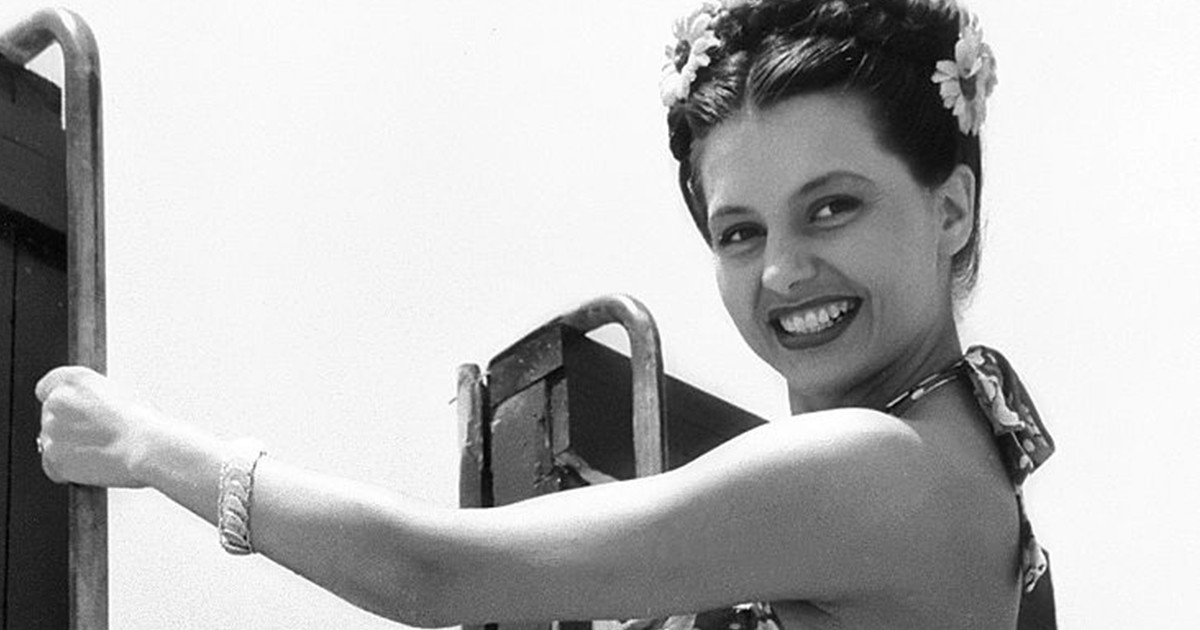
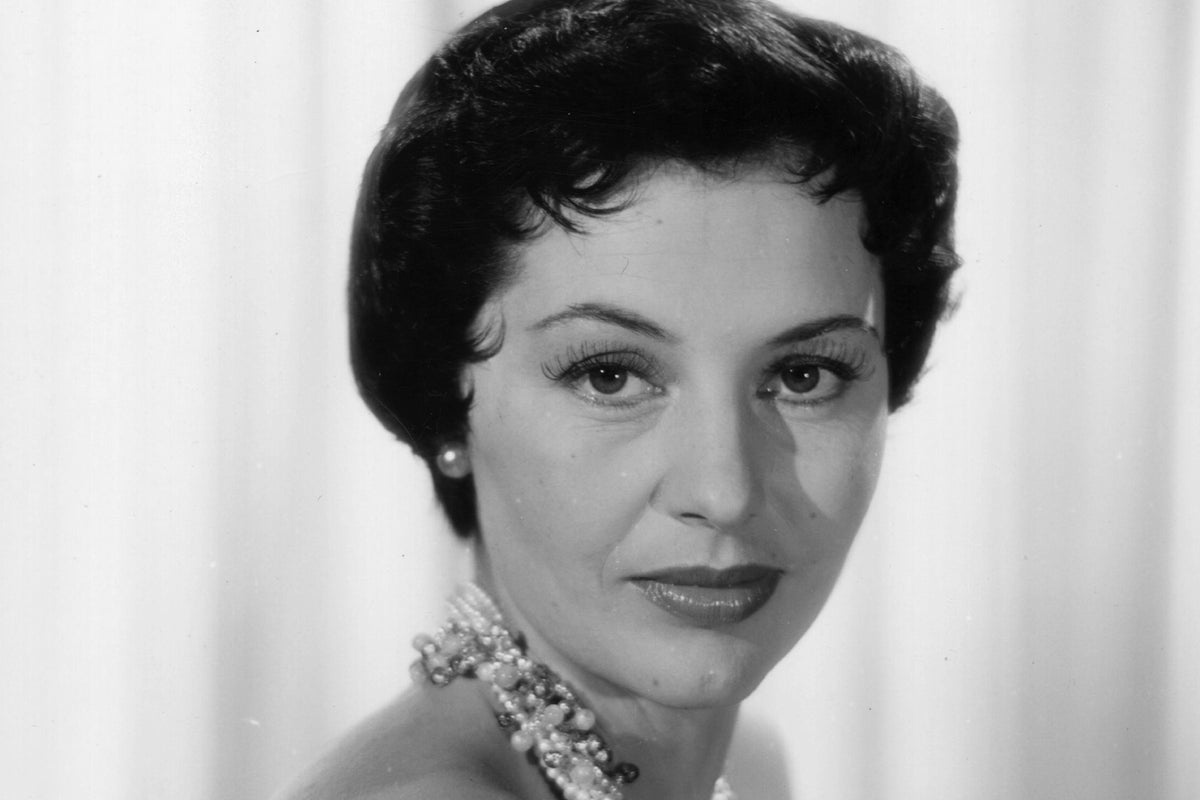
Her dark hair, expressive eyes, graceful posture, and sophisticated appearance made her instantly recognizable.
But her screen presence went beyond conventional beauty.
She had a distinctive stillness.
Even when she was standing motionless, she could hold the audience’s attention.
Then, when the music began, that stillness transformed into movement.
This contrast became part of her appeal.
Charisse understood that dance was not simply about moving as much as possible.
Sometimes the most memorable moment was the pause between movements.
That level of control helped distinguish her from many other performers of her generation.
Life Away From the Spotlight
Despite her glamorous professional image, Charisse generally maintained a relatively private personal life.
She married singer and actor Tony Martin in 1948.
Their marriage lasted until her death in 2008.
The couple also worked together professionally and appeared in live performances.
Charisse had two sons, one from her first marriage and another with Martin.
While Hollywood publicity naturally surrounded her career, she generally avoided becoming defined by constant personal headlines.
Her professional identity remained strongly connected with dance.
A Family Loss That Stayed With Her
Charisse’s family experienced a profound loss in 1979 when her daughter-in-law, Sheila Charisse, was among those aboard American Airlines Flight 191.
The aircraft crashed shortly after takeoff from Chicago O’Hare International Airport.
The event became one of the most significant aviation disasters in the United States.
For Charisse and her family, it represented a deeply personal loss.
Public figures are often viewed through the lens of their careers, but moments like this reveal the private human experiences that exist behind the Hollywood image.
Charisse’s life, like anyone else’s, contained both extraordinary professional success and deeply difficult personal moments.
Cyd Charisse Adapted as Hollywood Changed
The classic Hollywood musical eventually declined as a dominant film genre.
But Charisse’s career did not simply end with that transition.
She continued appearing in television productions, stage performances, and other entertainment projects.
This adaptability helped extend her career beyond the period in which she became famous.
Her talent was not dependent entirely on the traditional MGM musical system.
It was rooted in performance itself.
That allowed her to continue working even as Hollywood changed around her.
Recognition for a Lifetime of Achievement
Charisse’s contribution to American culture eventually received one of the country’s highest artistic honors.
In 2006, she was awarded the National Medal of Arts.
The recognition acknowledged a career that had helped define the role of dance in American popular entertainment.
By then, Charisse had already spent more than six decades connected with the performing arts.
Her journey had taken her from ballet training in Texas to some of Hollywood’s most celebrated productions.
The award was an appropriate recognition of a performer whose influence extended well beyond individual films.
Cyd Charisse’s Final Years
Charisse remained connected with the performing arts during her later years.
She occasionally appeared publicly and continued to be remembered through retrospectives and screenings of her classic films.
She died on June 17, 2008, at the age of 86, after suffering a heart attack.
Her passing marked the end of the life of one of the most recognizable dancers of Hollywood’s classic era.
Yet her work did not disappear.
Film has a remarkable ability to preserve movement.
A performance recorded decades ago can still be watched by someone who was not even born when it was created.
That is particularly meaningful in Charisse’s case because so much of her artistic identity existed in movement rather than spoken dialogue.
Why Cyd Charisse Is Still Remembered
Cyd Charisse’s legacy is not simply about glamour.
It is about technique.
It is about discipline.
It is about understanding how movement can communicate an emotion before a character says a single word.
Her collaborations with Gene Kelly and Fred Astaire helped establish some of the most memorable dance sequences in American musical cinema.
Her performances in Singin’ in the Rain and The Band Wagon remain especially important examples of Hollywood choreography.
But perhaps the most remarkable part of her story is where it began.
She was a young girl in Texas whose health difficulties led her parents toward ballet.
That introduction became a passion.
The passion became years of training.
The training became a professional career.
And that career eventually transformed her into one of Hollywood’s most celebrated dancers.
The Enduring Legacy of Cyd Charisse
The Golden Age of Hollywood produced many famous performers.
Few, however, could create the particular combination of elegance, technical precision, and screen presence that defined Cyd Charisse.
She could dance beside Fred Astaire without disappearing into his shadow.
She could share a sequence with Gene Kelly while maintaining a completely distinct style.
She could enter a scene with almost no dialogue and immediately become the person everyone was watching.
That was her extraordinary gift.
Charisse understood that dance could tell a story.
A gesture could reveal character.
A movement could communicate confidence.
A carefully timed pause could create emotion.
And a sequence lasting only a few minutes could remain in the public imagination for generations.
Final Reflection
Cyd Charisse’s life is a reminder that extraordinary careers do not always begin with extraordinary circumstances.
Her journey started with a child whose family wanted to help her become stronger.
Ballet provided that opportunity.
What followed was years of discipline, determination, and artistic development.
Eventually, that young dancer from Texas became one of Hollywood’s most recognizable performers, sharing the screen with legends such as Fred Astaire and Gene Kelly.
Her beauty may have helped audiences notice her, but her talent made them remember her.
Decades after her greatest films were released, Charisse’s performances still demonstrate the unique power of movement.
She did not need a long speech to make an impression.
Sometimes a single step, a turn, or a glance was enough.
That may be the most enduring lesson of Cyd Charisse’s career: true artistry does not always need to explain itself.
Sometimes, it simply moves—and lets the audience understand.
Sources
National Endowment for the Arts, National Medal of Arts — information on recipients and American artistic achievement.
Encyclopaedia Britannica, Cyd Charisse — biographical and career information.
Turner Classic Movies, Cyd Charisse — filmography and career background.
Library of Congress — historical resources relating to American cinema and the Hollywood musical.
American Film Institute — information and archival resources concerning classic American films and performers.
