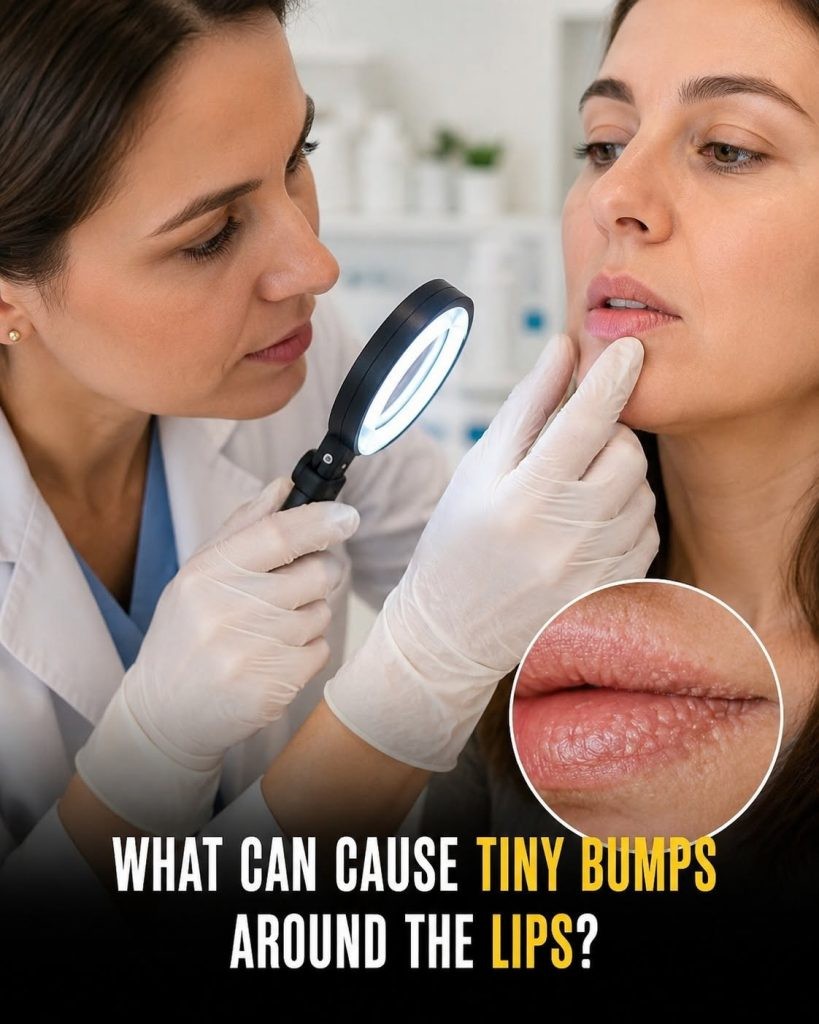

Small White Bumps on the Lips or Intimate Area: Common Causes and When to Seek Care
Small white, pale, or skin-coloured bumps on the lips or intimate area can be worrying, particularly when they appear unexpectedly. However, many of these spots are harmless and reflect normal skin anatomy, temporary irritation, or blocked glands rather than a serious medical condition. The lips and genital skin contain oil glands, hair follicles, sweat glands, and sensitive skin tissue that can become more visible or irritated for several reasons.
Because bumps in these areas can have different causes that look similar, it is not possible to make a reliable diagnosis from appearance alone. Paying attention to related symptoms, such as pain, itchiness, redness, discharge, sores, or changes over time, can help determine whether medical advice is needed. A doctor, dermatologist, sexual health clinician, or other qualified healthcare professional can examine persistent or concerning changes and recommend appropriate care.
Fordyce Spots: A Common and Harmless Explanation
One of the most common reasons for tiny white or yellowish bumps on the lips, inside the cheeks, penis, scrotum, vulva, or labia is Fordyce spots. These are visible sebaceous glands, which are oil-producing glands normally found in the skin. Unlike many oil glands, Fordyce spots are not associated with hair follicles.
Fordyce spots are considered a normal anatomical variation. They are not an infection, are not caused by poor hygiene, and are not sexually transmitted. They are also not contagious. Some people notice them during puberty or adulthood, when hormonal changes can make oil glands more active or more noticeable.
These spots are usually painless and do not cause itching or other symptoms. They may be more apparent when the surrounding skin is stretched, dry, or irritated. In most cases, treatment is unnecessary. Attempts to remove or squeeze Fordyce spots at home may irritate the skin and increase the risk of inflammation, marks, or infection.
Blocked Pores, Oil Glands, and Hair Follicles
Small bumps can also develop when pores, oil glands, or hair follicles become blocked. This is more likely in areas exposed to sweat, friction, shaving, cosmetic products, or occlusive clothing. Although the lips do not have the same type of pores as other facial skin, nearby areas around the mouth may develop clogged follicles or acne-like spots.
In the genital and groin region, shaving, waxing, trimming, and other hair-removal practices can irritate hair follicles. This may lead to ingrown hairs or folliculitis, an inflammation of the hair follicle. Folliculitis can appear as small raised bumps, sometimes with a white centre. It may feel tender or itchy, especially where clothing rubs against the skin.
Warm weather, exercise, tight underwear, synthetic fabrics, and prolonged moisture can also contribute to friction and blocked follicles. People who are prone to acne or sensitive skin may be more likely to notice these changes. Gentle skincare and reducing friction often help minor irritation settle.
Contact Dermatitis and Skin Irritation
The skin of the lips and intimate area can react to ingredients or materials that do not usually cause problems elsewhere. Contact dermatitis is a general term for skin inflammation caused by direct irritation or an allergic reaction. It can lead to redness, dryness, burning, itching, scaling, or small bumps.
Potential triggers around the mouth include fragranced lip balms, lipsticks, toothpaste ingredients, mouthwash, facial skincare products, and certain foods. In the genital area, common irritants can include scented soaps, bubble baths, deodorant sprays, wipes, laundry products, sanitary pads, lubricants, condoms, and fragranced menstrual products.
Symptoms often improve after the suspected trigger is stopped. A simple routine using gentle, fragrance-free products may be helpful. It is important to avoid applying strong exfoliants, acne treatments, essential oils, or unprescribed creams to delicate genital skin, as these products may worsen irritation.
Normal Glands and Other Benign Skin Changes
Several harmless skin features may resemble white bumps. For example, pearly penile papules are small, smooth bumps that can appear in one or more rows around the rim of the head of the penis. They are a normal variation, are not sexually transmitted, and generally do not require treatment.
In people with vulvas, normal sebaceous glands and minor cysts can sometimes be felt or seen on the labia. Small cysts may arise when a gland or duct becomes blocked. Many are painless and resolve without intervention, though a clinician should assess any new lump that grows, becomes painful, or does not improve.
Milia are tiny cysts that can appear as firm white bumps, most often on the face. They are less common in the genital area but can occur. They contain keratin, a protein found in the outer skin layer. As with other benign bumps, squeezing them is not recommended.
Infections That May Need Medical Assessment
While many small bumps are harmless, some infections can cause bumps, sores, irritation, or changes to the skin around the mouth or genitals. These conditions may require professional assessment because symptoms can overlap with non-infectious skin concerns.
Yeast infections can cause itching, soreness, redness, and changes in discharge in the vaginal area. Fungal skin infections in the groin may lead to an itchy rash or scaling skin. Bacterial skin infections can also occur when the skin barrier is damaged through scratching, shaving, or friction.
Sexually transmitted infections can sometimes cause visible skin changes, although not every bump in the genital area is an STI. For example, genital warts may appear as small raised growths, while herpes can cause painful blisters or sores. Oral herpes may cause sores around the mouth. Testing and diagnosis should be handled by a qualified healthcare professional, since visual assessment alone is not always enough to identify the cause.
It is sensible to seek prompt medical advice if bumps are accompanied by pain, ulcers, blisters, fever, unusual discharge, bleeding, burning during urination, swollen lymph nodes, or a recent possible exposure to an STI. Sexual health clinics can provide confidential testing, advice, and treatment where needed.
Why Self-Diagnosis Can Be Difficult
Online images and social media posts may make it tempting to compare a skin change with photographs, but this approach can be misleading. Lighting, skin tone, camera quality, and the stage of a condition can all change how bumps appear. In addition, multiple conditions can occur at the same time. For example, someone may have naturally visible Fordyce spots while also experiencing irritation from shaving or a new product.
A healthcare professional may ask about when the bumps appeared, whether they have changed, whether there is itching or pain, and whether any new products, medications, sexual contacts, or hair-removal methods are involved. They may also examine the skin and, if appropriate, recommend a swab, urine test, blood test, or referral to a dermatologist or sexual health service.
What to Avoid When You Notice Small White Bumps
The safest first step is usually to avoid picking, squeezing, cutting, or attempting to pop the bumps. Manipulating sensitive skin can cause swelling, introduce bacteria, worsen inflammation, and lead to scarring or darker marks after healing.
It is also best to avoid using unverified home remedies or strong over-the-counter products on the lips or genital area. Products designed for acne, wart removal, or exfoliation may be too harsh for these locations. In particular, wart treatments intended for hands or feet should not be used on genital skin unless specifically prescribed or recommended by a clinician.
If irritation may be contributing, consider pausing fragranced products and switching to mild, fragrance-free cleansers. Loose, breathable underwear and clothing can reduce moisture and rubbing. After exercise, changing out of damp clothing may help protect the skin barrier. Those who shave may find that pausing hair removal until the skin settles reduces further irritation.
When to See a Doctor or Sexual Health Professional
Many minor bumps improve without treatment, but a medical review is appropriate when a change is persistent, unexplained, or causing distress. Seek professional advice if bumps last for several weeks, become larger, multiply, spread, or repeatedly return. An assessment is also recommended if there is significant itchiness, pain, tenderness, discharge, bleeding, open sores, or changes in skin colour.
People should seek timely care after a possible exposure to a sexually transmitted infection, particularly if they notice new bumps, sores, or urinary symptoms. A clinician can discuss testing windows, prevention, and treatment options. It is also important to consult a healthcare professional sooner for anyone who is pregnant, has a weakened immune system, or has a history of significant skin conditions.
Supporting Skin Health in Sensitive Areas
Good hygiene does not mean aggressive cleansing. The lips and genital area generally benefit from gentle care. Washing the external genital area with lukewarm water and, if desired, a mild fragrance-free cleanser can be sufficient. Internal cleansing products, including douches, are generally not recommended because they can disrupt the vagina’s natural environment.
For lips, choosing simple, fragrance-free moisturising products can reduce dryness and irritation. If a lip product seems to trigger recurring bumps, peeling, or burning, stopping it and discussing the reaction with a clinician may be useful. Sunscreen formulated for lips can also help protect against sun exposure, particularly for people who spend time outdoors.
Most importantly, new or changing bumps should be approached with calm observation rather than alarm. Common explanations such as Fordyce spots, irritation, and blocked follicles are frequently harmless. At the same time, professional advice offers reassurance and helps ensure that infections or other conditions are identified and treated appropriately.
Sources
Disclaimer: This content is intended for entertainment purposes only and is not based on real events.