
Why You Shouldn’t Kill Centipedes in Your Home
Seeing a centipede move quickly across a bathroom floor, basement wall, or laundry room can be unsettling. Its long body, many legs, and sudden movements often prompt an immediate reaction: remove it as quickly as possible. While it is understandable to prefer not to share a home with any crawling creature, a house centipede is usually not the most serious pest in the room.
In many cases, centipedes enter homes because they are following their food supply. They are active predators that feed on other small arthropods, including insects and spiders. Their appearance can therefore provide useful information about indoor conditions, especially excess moisture or the presence of other pests. Understanding what house centipedes do, what attracts them, and how to prevent repeated sightings can help homeowners make practical, informed choices.
What Is a House Centipede?
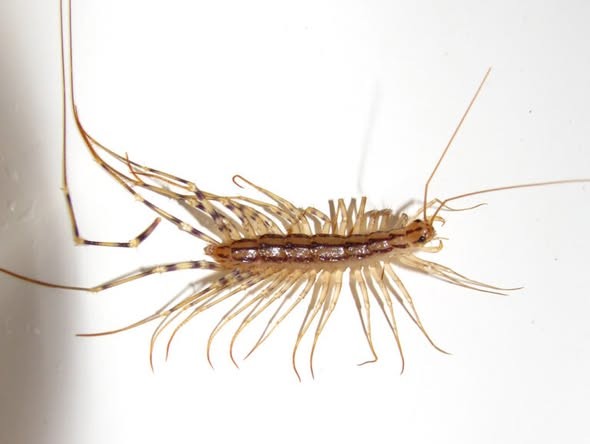
The species most often found inside homes in North America and many other parts of the world is the house centipede, scientifically known as Scutigera coleoptrata. It has a narrow, striped body and exceptionally long legs, which make it appear larger than it is. Adult house centipedes commonly have 15 pairs of legs, although younger individuals have fewer and gain additional pairs as they mature.
House centipedes are arthropods, but they are not insects. Like spiders, they belong to a broader group of animals called myriapods. They are usually nocturnal and prefer to stay out of view during the day. This is why a person may see one suddenly emerge from behind a sink, storage box, baseboard, or floor drain after dark.
Their speed is one reason they can be alarming. However, it is also one reason they are effective hunters. House centipedes rely on rapid movement and specialized front appendages called forcipules to capture small prey. They do not build nests in the way that ants or termites do, and they do not feed on wood, fabric, stored food, or household structures.
Why Centipedes Appear in Homes
Centipedes need moisture to survive. They are often found in places that remain cool, humid, and relatively undisturbed, including bathrooms, basements, crawl spaces, laundry rooms, utility areas, garages, and spaces near plumbing leaks. A single centipede may have wandered indoors by accident, but repeated sightings can suggest that the building offers conditions it can use for shelter and hunting.
Moisture is only part of the explanation. A centipede also needs prey. House centipedes may feed on silverfish, ants, cockroach nymphs, carpet beetle larvae, flies, moths, small spiders, and other household arthropods. As a result, their presence can sometimes point to a broader pest issue that has gone unnoticed.
This does not mean every home with a centipede has a major infestation. Many homes occasionally host a variety of outdoor and indoor arthropods, especially during rainy periods, seasonal temperature changes, or construction activity nearby. Still, frequent sightings are a useful reason to inspect for damp areas, gaps around doors and pipes, cluttered storage spaces, and signs of other insects.
House Centipedes Can Help Control Other Household Pests
Unlike pests that consume food, damage materials, or spread through large colonies, house centipedes are predators. They contribute to a small indoor food web by hunting organisms that many people would also prefer not to see. Their diet can include cockroaches, ants, flies, silverfish, and spiders, although the exact prey available depends on the environment.
For this reason, a lone house centipede is not necessarily a problem that requires pesticide use. It may be helping to reduce the number of other small pests in the same area. Pest-management professionals generally emphasize that long-term control comes from addressing conditions that support pests, such as moisture, food sources, hiding places, and entry points, rather than relying only on repeated chemical treatments.
Centipedes are not a substitute for proper pest control when there is a significant cockroach, ant, or other insect infestation. If there are signs of a larger problem, such as droppings, damaged materials, persistent insect activity, or unexplained moisture, homeowners should identify the source and consider professional advice. Nevertheless, the centipede itself is usually a symptom of favorable conditions rather than the main cause of concern.
Are House Centipedes Dangerous to People?
House centipedes are generally not considered dangerous to people or pets. They avoid human contact and usually try to escape when disturbed. They do possess venom used to immobilize their small prey, and they are capable of biting in unusual circumstances, such as when handled or trapped against the skin. However, bites from house centipedes are uncommon.
When a bite occurs, it may cause temporary localized discomfort, redness, or swelling. Reactions can vary from person to person, as they can with many insect or arthropod encounters. Anyone who develops severe symptoms, trouble breathing, widespread swelling, or signs of an allergic reaction should seek urgent medical care. For a minor bite, general first-aid guidance may include cleaning the area and applying a cool compress, while following advice from a qualified health professional if symptoms persist.
It is important to avoid overstating either risk or safety. House centipedes should not be handled with bare hands, but they are not known for aggressively seeking out people. Their primary interest is finding shelter and small prey. Keeping a respectful distance and using a simple removal method is typically sufficient.
How to Remove a Centipede Without Killing It
If a centipede indoors makes you uncomfortable, you do not have to leave it in place. A simple catch-and-release approach can remove it without unnecessary harm. Place a clear glass, cup, or container over the centipede, then carefully slide a stiff piece of paper or thin cardboard underneath. Hold the covering securely and carry the container outside.
Release the animal near a sheltered outdoor area, such as leaf litter, stones, a garden bed, or another damp location away from the home’s exterior doors and foundation. Avoid putting your hands directly on the centipede. This approach is especially useful for an isolated sighting when there is no evidence of an ongoing pest problem.
Sticky traps are sometimes used to monitor crawling pests, but they can catch non-target creatures as well. If monitoring is necessary, traps should be placed thoughtfully and checked regularly. For most households, improving environmental conditions is a more durable strategy than repeatedly removing individual centipedes.
How to Prevent Centipedes From Returning
The most effective way to discourage house centipedes is to make indoor spaces less damp and less attractive to their prey. This strategy can also improve general comfort and help protect a building from moisture-related issues. Start by checking common problem areas, including bathrooms, basements, kitchens, laundry rooms, crawl spaces, and utility closets.
Reduce humidity where possible. Repair leaking faucets, pipes, appliances, and drains promptly. Use bathroom exhaust fans during and after showers, and ensure dryers vent outdoors correctly. A dehumidifier may be useful in a consistently damp basement or other enclosed space. The U.S. Environmental Protection Agency notes that controlling moisture is an important part of preventing mold growth indoors, and the same principle can make a home less hospitable to moisture-loving pests.
Seal likely entry points around windows, doors, utility lines, and foundation cracks. Weather stripping, door sweeps, and appropriate caulking can reduce gaps that allow small creatures indoors. Keep leaves, mulch, firewood, stones, and dense vegetation from resting directly against the foundation when possible, since these materials can retain moisture and provide outdoor shelter close to the home.
Indoor housekeeping also matters. Vacuum regularly, reduce piles of cardboard or paper in damp areas, and store items off basement floors when possible. These steps remove hiding places for both centipedes and the insects they hunt. If silverfish, cockroaches, ants, or other pests are present, addressing those species may naturally reduce centipede activity.
When to Contact a Pest Management Professional
An occasional centipede is usually manageable with basic cleaning, moisture control, and exclusion measures. Professional assistance may be worthwhile when centipedes appear frequently, moisture problems are difficult to locate, or there is evidence of another pest population. A qualified pest management professional can help inspect entry points, identify contributing conditions, and recommend an integrated pest management plan.
Integrated pest management, often called IPM, focuses on prevention and monitoring before chemical control. It can include sealing cracks, improving sanitation, reducing moisture, removing shelter, and targeting any confirmed pest source. This approach is widely supported by public-health and environmental agencies because it aims to manage pests effectively while reducing unnecessary pesticide exposure.
A More Balanced View of Centipedes at Home
Centipedes may never become welcome houseguests, and no one is required to be comfortable around them. Their unusual appearance and fast movements can cause genuine anxiety for some people. Still, it is useful to recognize that house centipedes are generally solitary predators, not destructive invaders. They do not eat household belongings, contaminate stored food in the way some pests can, or form large indoor colonies.
Rather than treating every sighting as an emergency, consider it a prompt to assess the environment. Is there a damp area that needs repair? Are there small insects nearby? Are door sweeps, window screens, and foundation gaps in good condition? These questions often lead to solutions that improve the home overall.
For many people, the most practical response is simple: safely relocate the individual centipede, reduce humidity, eliminate its food sources, and close off places where it can enter. That response respects the animal’s role as a predator while keeping living spaces comfortable and well maintained.
Sources
Disclaimer: This content is intended for entertainment purposes only and is not based on real events.