
Plastic Bottle in the Washing Machine: Does This Laundry Hack Work?
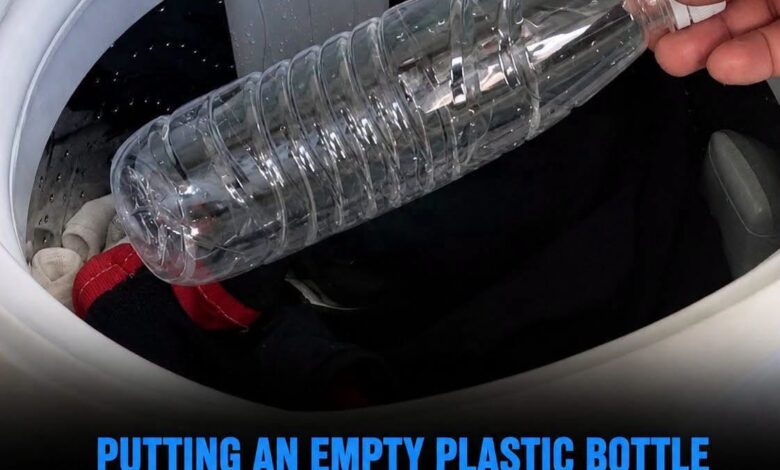
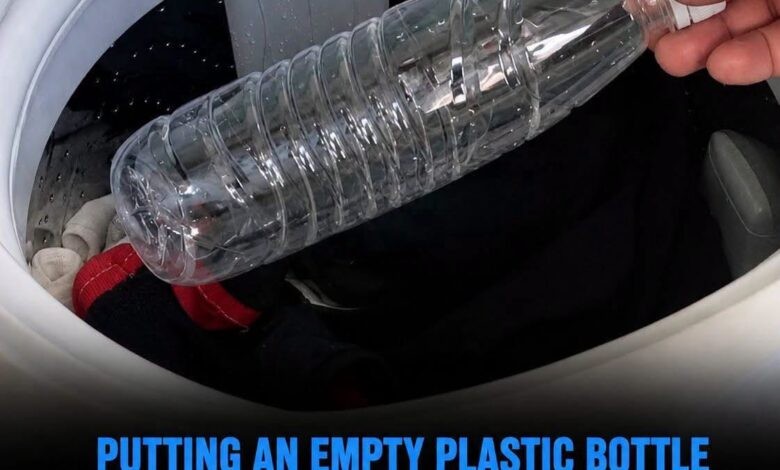
An empty plastic bottle is usually seen as a recyclable household item, but a widely shared laundry tip suggests placing one inside a washing machine with a load of clothes. The method is simple: use a clean, empty bottle with its cap firmly attached and allow it to move around the drum during the wash cycle. Supporters say it may help reduce tangled garments, improve water circulation, and leave clothing with fewer visible creases.
Like many household cleaning trends, the plastic bottle laundry hack is appealing because it is inexpensive and requires no special product. However, convenience does not necessarily mean that a method has been tested or recommended by washing machine manufacturers. Available evidence does not show that an ordinary plastic bottle consistently improves cleaning performance, reduces wrinkles, or makes fabrics softer. The outcome may vary according to the type of washer, the load size, the fabric, and the wash setting.
For households interested in trying the method, it is important to understand both its possible limitations and its potential risks. Proper detergent use, suitable wash cycles, correct loading, and regular appliance maintenance remain the most reliable ways to achieve clean laundry while protecting clothing and the washing machine.
What Is the Plastic Bottle Laundry Hack?
The basic idea is to place a lightweight, empty plastic bottle inside the washing machine drum before starting a normal load of laundry. As the drum rotates, the bottle moves between garments. People who use the method believe this movement may create a small amount of separation between clothing items, helping prevent shirts, trousers, bedding, or lightweight fabrics from becoming tightly twisted together.
In theory, garments that remain less tightly bunched may be exposed more evenly to water and detergent. Some users also believe that reduced tangling can lead to fewer wrinkles after washing. However, these claims are largely based on personal reports online rather than controlled laboratory testing.
Modern washing machines are designed to clean clothes through a combination of water flow, drum movement, detergent chemistry, temperature, and programmed cycle timing. Front-loading machines tumble clothing through a small amount of water, while many top-loading machines use an agitator, impeller, or other mechanism to move items. A bottle may alter how a particular load moves, but there is no broad evidence that it improves the washing process overall.
Can an Empty Plastic Bottle Reduce Tangling?
Laundry tangling is a familiar problem, particularly when washing long garments, sleeves, drawstrings, lightweight shirts, bedding, or mixed loads. Clothing can twist around other items as the drum turns, especially when a washer is overloaded or when fabrics of different weights are washed together.
A lightweight bottle may occasionally change the movement of garments inside the drum. That could mean some items emerge less tightly wrapped around each other. Still, this is not guaranteed. In some cases, the bottle itself could become caught among garments, especially in loads containing long straps, loose cords, delicate trims, or large items such as sheets and duvet covers.
The most dependable way to reduce tangling is to avoid packing the drum too tightly. Clothes need room to move freely during the wash and rinse cycles. Manufacturers commonly advise users not to overload their machines, as overloading can reduce cleaning performance, increase creasing, and place additional strain on the appliance.
Sorting laundry can also help. Washing similar fabric weights together reduces uneven movement in the drum. For example, lightweight shirts and underwear may wash more effectively together than a mixed load containing heavy towels, jeans, bedding, and delicate blouses. Closing zippers, fastening hooks, and turning some garments inside out can further protect fabrics and reduce snagging.
Does a Plastic Bottle Make Clothes Cleaner?
There is no reliable scientific evidence that adding an empty plastic bottle to a washing machine makes clothing cleaner. Effective laundry cleaning depends primarily on detergent, water temperature, wash time, mechanical action, and the ability of the machine to rinse away loosened soil.
Detergents contain surfactants, ingredients that help lift oils and dirt from fabrics so they can be carried away in the wash water. The correct detergent dosage matters. Using too little detergent may not adequately remove dirt or body oils, while using too much can leave residue on clothing and inside the machine. High-efficiency washers, in particular, are designed to work with low-sudsing detergents and carefully measured amounts of water.
A bottle moving through the load does not replace these essential cleaning factors. If clothes appear dull, smell unpleasant, or retain visible stains, the solution is more likely to involve reviewing the wash cycle, pre-treating stains, checking detergent use, or cleaning the washing machine than adding a foreign object to the drum.
For stubborn stains, fabric care labels should guide the approach. Some stains may respond to a suitable stain remover or a brief pre-soak, but products should always be used according to their label instructions. Delicate fabrics, wool, silk, and garments with specialist care requirements may need professional cleaning or a dedicated gentle cycle.
Could the Method Help Reduce Wrinkles?
Wrinkles often occur when fabrics remain compressed, twisted, or wet for too long. A load that becomes tightly tangled during washing can emerge with deep creases, particularly when it is left sitting in the drum after the cycle ends. Some people believe the bottle trick reduces bunching and therefore reduces wrinkling, but results are likely to be inconsistent.
Fabric type has a much greater influence on wrinkling than an empty bottle. Linen, cotton, rayon, and some blends naturally crease more easily than synthetic materials such as polyester. Wash temperature, spin speed, load size, and drying method also affect the final appearance of clothing.
To reduce wrinkles, remove garments from the washer promptly at the end of the cycle. Shake out shirts, trousers, dresses, and bedding before hanging or tumble drying them. Choose a lower spin speed when appropriate for easily creased garments, and use a cycle designed for permanent-press or easy-care fabrics if the care label permits it. Hanging garments on suitable hangers while they are slightly damp can also help reduce the need for ironing.
Safety Considerations Before Putting a Bottle in a Washer
Anyone considering this laundry experiment should first consult the washing machine’s user manual. Manufacturers may advise against placing objects in the drum that are not part of the laundry load. Instructions from the appliance maker should always take priority over online tips, particularly when a machine is under warranty.
If a person chooses to test the method despite the lack of formal evidence, the bottle should be clean, completely empty, and undamaged. It should not contain water, detergent, bleach, fabric softener, or any other liquid. A cap should be fitted securely to reduce the chance of it loosening during the cycle.
Damaged bottles should not be used. A bottle with cracks, sharp edges, loose plastic, or a weakened cap could break apart and create debris inside the machine. Small pieces of plastic could potentially become trapped in clothing, the door seal, filter area, or drainage system. A very rigid bottle may also create excessive noise as it moves through the drum.
It is sensible to begin with a small load of durable everyday clothing rather than towels, heavy bedding, shoes, or delicate items. The washer should be monitored for unusual sounds, excessive vibration, or any sign that the bottle is causing an abnormal movement. If the machine becomes unusually noisy or the bottle appears damaged, the cycle should be stopped if it is safe to do so, following the appliance manufacturer’s instructions.
Fabrics and Laundry Items That Should Be Treated Carefully
Delicate fabrics should not be used to test an unverified laundry technique. Silk, lace, fine wool, cashmere, embellished clothing, garments with sequins, and items with fragile trims may be damaged by extra friction or contact with a moving object. These fabrics should be washed according to their care labels, often using a gentle cycle, a mesh laundry bag, hand washing, or professional cleaning.
Items with long straps, ties, drawstrings, or loose fastenings also deserve particular care. These can become twisted around other items during a normal wash, and an additional object in the drum may not improve the situation. Bedding and large sheets can similarly trap smaller items, so washing them separately or in smaller loads may be more effective.
Children’s clothing, sportswear, workwear, and garments with waterproof coatings may have specific washing instructions. Following those instructions can preserve the garment’s shape, color, performance, and protective properties. In most cases, the safest strategy is not a household hack but a wash cycle selected for the fabric and level of soil.
Evidence-Based Ways to Improve Laundry Results
Although the plastic bottle idea may be harmless in some circumstances, established laundry practices are more dependable. One of the simplest improvements is to separate clothing by color, fabric type, and washing requirements. This can help prevent dye transfer, reduce abrasion, and allow the right cycle to be used for each group of garments.
Load size is also important. An overfilled washer may not have enough space for water and detergent to circulate effectively. On the other hand, washing a single heavy item can create an unbalanced load. Follow the machine manual’s guidance on capacity, and distribute heavy items evenly when possible.
Use the correct amount of detergent for the water hardness, soil level, load size, and washer type. More detergent is not automatically better. Excess detergent can create too many suds, leave residue, and contribute to odors if it builds up inside the appliance. Measuring detergent carefully is particularly important in high-efficiency machines.
Choose temperature thoughtfully. Cooler washes can help save energy and may protect colors and delicate materials, while warmer temperatures may be suitable for certain durable items when allowed by the care label. The U.S. Centers for Disease Control and Prevention notes that washing items according to the manufacturer’s instructions is an important part of routine laundry hygiene.
Prompt drying is another practical step. Leaving damp laundry in a closed washer for a long period can encourage musty odors. When the cycle ends, transfer items to a dryer or drying rack as soon as practical. Make sure garments are fully dry before storing them, especially towels and heavier fabrics.
Why Washing Machine Maintenance Matters
A clean washing machine is essential for consistent laundry results. Detergent residue, fabric softener buildup, mineral deposits, and moisture can accumulate over time. This may contribute to unpleasant smells and reduce the freshness of washed items.
Maintenance requirements vary by appliance model, so the user manual is the best source of guidance. Many machines have a dedicated cleaning cycle. Some manufacturers recommend using a washing machine cleaner or another approved product at regular intervals. The detergent drawer, rubber door seal on front-loading washers, and accessible filter areas may also need periodic attention.
After washing, leaving the door or lid slightly open can help the interior dry when the manufacturer permits it. Wiping moisture from the door seal and detergent dispenser may also help reduce residue. These small habits are generally more useful over time than one-off laundry tricks.
Should You Try the Plastic Bottle Washing Machine Trick?
Placing an empty plastic bottle in the washing machine is best viewed as an optional household experiment rather than a proven cleaning method. It may alter how certain lightweight garments move in the drum, and some users may feel that it reduces tangling in a particular load. Yet there is no strong evidence that it reliably improves cleanliness, softness, drying time, or wrinkle reduction.
Anyone who decides to try it should use caution, avoid delicate garments, inspect the bottle carefully, and follow all manufacturer guidance. A clean and intact bottle should never be treated as a replacement for proper laundry practices or appliance maintenance.
For most households, the most effective route to cleaner, fresher, and better-looking clothing remains straightforward: avoid overloading the machine, sort laundry carefully, use suitable detergent in the recommended amount, select the appropriate cycle, and maintain the washer regularly. These practical steps are supported by appliance guidance and fabric-care recommendations, while the bottle trick remains largely a matter of individual experience.
Sources
Disclaimer: This content is intended for entertainment purposes only and is not based on real events.