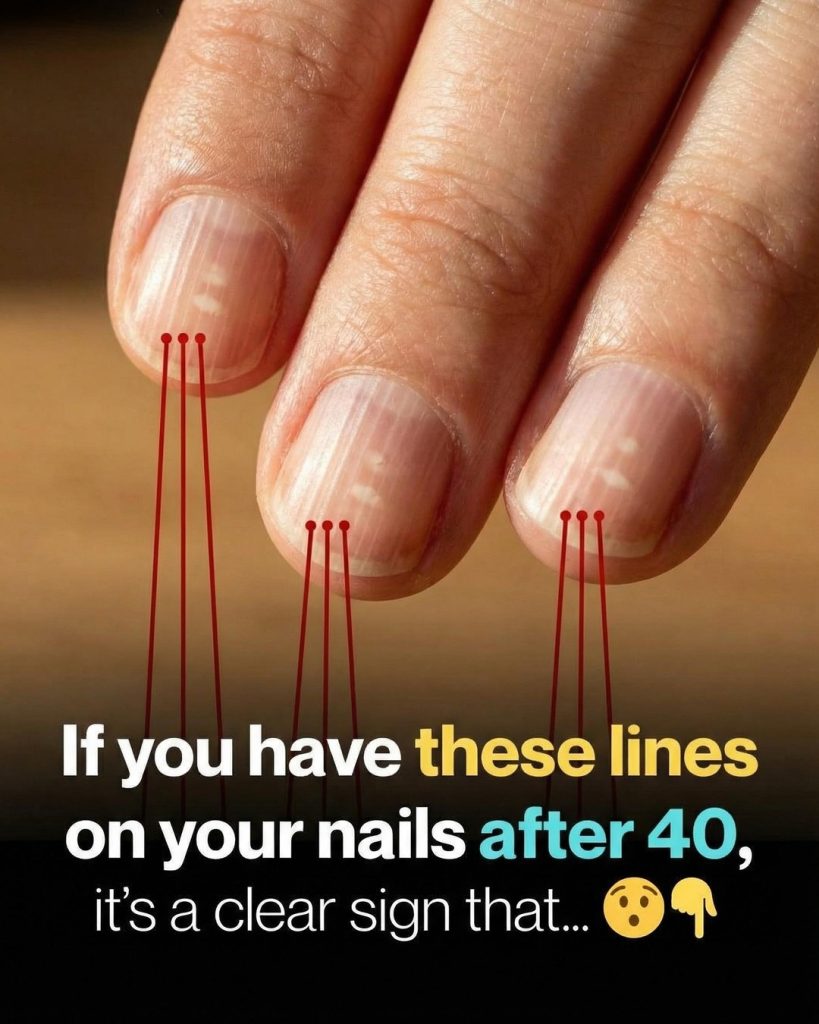

Many people pay little attention to their fingernails until they notice something different. One day, while trimming or painting their nails, they may spot thin vertical lines running from the cuticle to the tip.
Although these ridges can seem surprising at first, they are often a normal part of the aging process. In most cases, they are harmless and simply reflect the natural changes that occur as the body grows older.
Understanding why vertical nail ridges develop can help distinguish common age-related changes from signs that may deserve medical attention.
What Are Vertical Nail Ridges?
Vertical nail ridges, also known as longitudinal ridges, are raised lines that extend from the base of the nail to its tip.
These ridges can appear on one or several fingernails and often become more noticeable over time, particularly after middle age.
For many people, they are considered a normal variation rather than a sign of illness.

Why Do They Become More Noticeable With Age?
Fingernails are made primarily of keratin, the same structural protein found in hair and the outer layer of skin.
Keratin is produced in the nail matrix, located beneath the cuticle.
As people age, nail growth and keratin production may become less uniform, leading to subtle changes in nail texture. Just as skin may develop fine lines and hair may change in texture or color, nails can also show natural signs of aging.
Dryness Can Make Ridges More Visible
Another common reason ridges become more noticeable is dryness.
As nails age, they may retain less moisture, making their surface appear rougher.
Everyday habits can contribute to this effect, including:
-
Frequent handwashing.
-
Repeated exposure to cleaning products.
-
Regular contact with water.
-
Use of harsh soaps or detergents.
These factors may remove natural oils that help keep nails flexible and smooth.
Nutrition Plays a Role in Nail Health
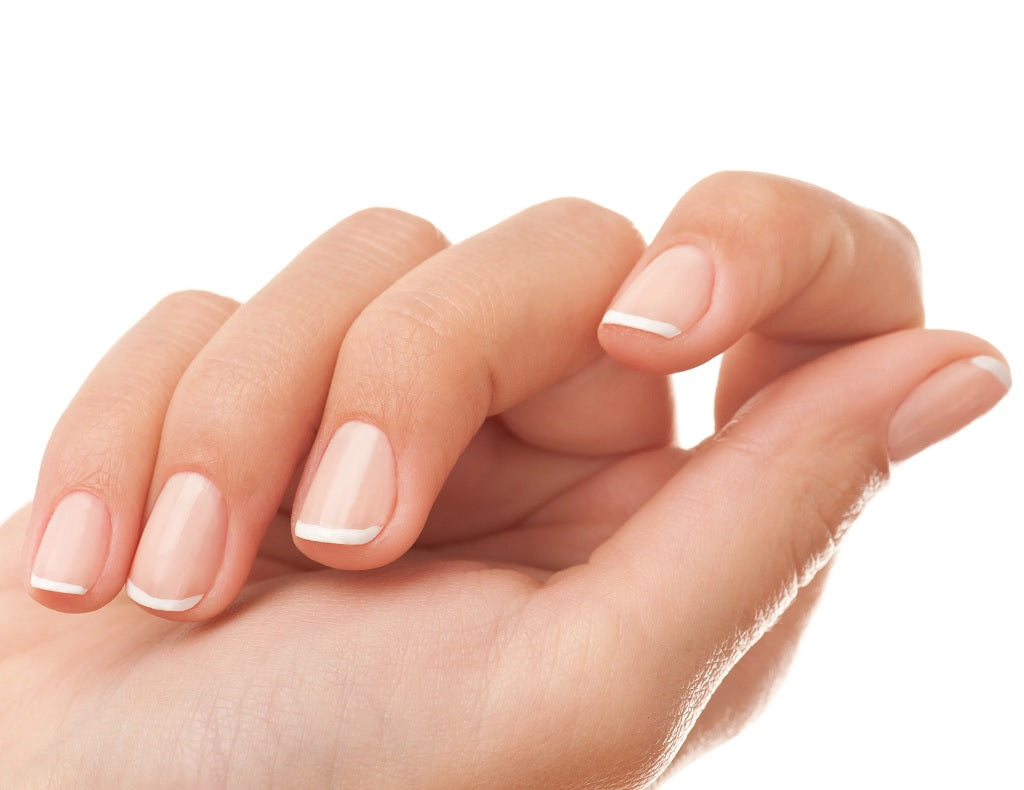
Healthy nails depend on a balanced diet that provides essential nutrients.
While vertical ridges alone do not necessarily indicate a nutritional deficiency, inadequate intake of certain vitamins and minerals may affect nail appearance in some individuals.
Important nutrients for nail health include:
-
Protein
-
Iron
-
Zinc
-
Biotin
-
Vitamin B12
-
Other B vitamins
If you have concerns about your nutritional status, discussing them with a healthcare professional can help determine whether further evaluation is appropriate.
Blood Flow Supports Healthy Nail Growth
The nail matrix relies on a healthy blood supply to receive oxygen and nutrients needed for normal nail growth.
Natural age-related changes in circulation may contribute to gradual differences in nail texture over time.
Regular physical activity, not smoking, and managing chronic health conditions all support healthy circulation throughout the body.
Simple Ways to Care for Aging Nails
Healthy nail care doesn’t need to be complicated.
Consider these everyday habits:
-
Apply moisturizer to your nails and cuticles regularly.
-
Wear gloves when washing dishes or using cleaning products.
-
Avoid prolonged exposure to harsh chemicals.
-
Keep nails trimmed and file them gently in one direction.
-
Stay well hydrated.
-
Eat a balanced diet rich in fruits, vegetables, whole grains, lean proteins, and healthy fats.
These habits can help reduce dryness and support healthy nail growth.
When Should You Consult a Healthcare Professional?
Vertical ridges are usually harmless.
However, it’s a good idea to seek medical advice if you notice changes such as:
-
Sudden or rapidly developing ridges.
-
Significant changes in nail color.
-
Nails becoming thick, brittle, or separating from the nail bed.
-
Pain, swelling, or persistent discomfort around the nail.
-
Dark streaks or other unusual pigmentation.
Because nail changes can occasionally be associated with underlying medical conditions, professional evaluation may be appropriate if changes are new, persistent, or accompanied by other symptoms.
Looking at Overall Health
Fingernails can sometimes reflect general health, but no single nail change provides a diagnosis on its own.
Instead, healthcare professionals consider nail appearance alongside medical history, symptoms, and physical examination when determining whether further evaluation is needed.
For most people, longitudinal ridges simply represent one of the many normal changes that accompany aging.

Final Thoughts
Vertical ridges on fingernails are a common finding, especially as people grow older. In most cases, they result from natural changes in keratin production and nail growth rather than an underlying health problem.
Keeping nails moisturized, protecting them from excessive dryness, maintaining a balanced diet, and practicing good nail care can all support healthy-looking nails over time. While these ridges are usually harmless, paying attention to significant changes in color, shape, or comfort can help you recognize when it’s time to seek medical advice.
Understanding these normal age-related changes allows you to care for your nails with confidence while staying attentive to your overall well-being.
Sources
-
American Academy of Dermatology – Information on nail health and common nail changes.
-
Mayo Clinic – Guidance on healthy nails and when to seek medical evaluation.
-
National Institutes of Health – Research and educational resources on nutrition and nail health.
