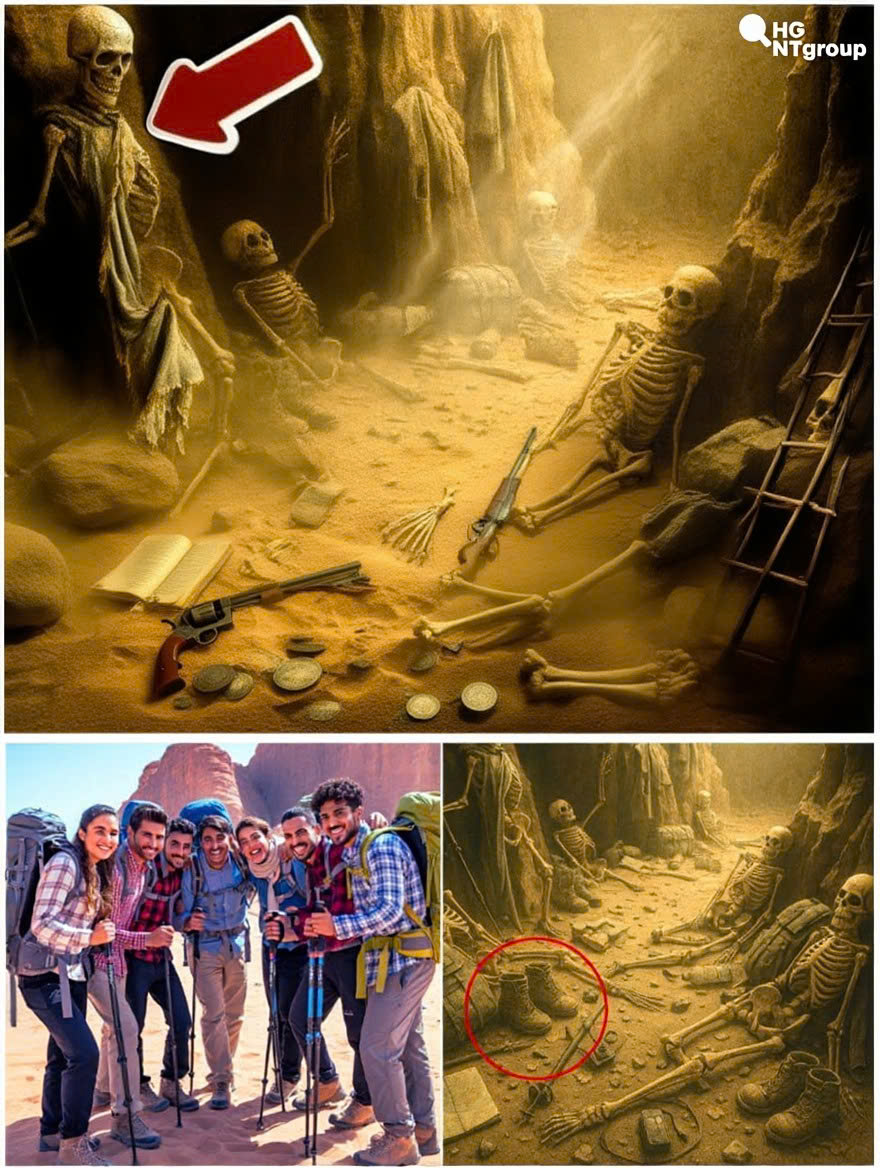

Across cultures and generations, stories about missing expeditions, isolated landscapes, and unexplained disappearances have captured human imagination. One modern example is the online tale known as “The Lost Expedition of Dhofar,” a mysterious narrative set within the fog covered mountains of southern Oman.
The story describes a group of young travelers who supposedly entered the remote forests of Dhofar in 1984 searching for hidden ruins and forgotten pathways, only to encounter increasingly unsettling experiences deep within the wilderness.
Yet despite the dramatic details, there is no verified evidence confirming that the expedition ever truly happened.
Instead, the narrative appears to blend folklore, psychological suspense, internet storytelling, and the enduring allure of unexplored landscapes. Its popularity reveals something deeper about human curiosity and the powerful emotional connection people have with mystery itself.
The Story Behind the “Lost Expedition of Dhofar”
According to the online version of the tale, seven young travelers arrived in Salalah during the summer of 1984.
The group reportedly became interested in rumors surrounding:
Hidden Ruins
Legends of forgotten structures deep within the mountains.
Ancient Pathways
Stories connected to old trade routes crossing remote terrain.
Local Folklore
Whispered tales shared among nearby communities.
The travelers were allegedly guided by a man named Ragheb al Mundhir, described as someone familiar with the isolated mountain forests of the Dhofar region.
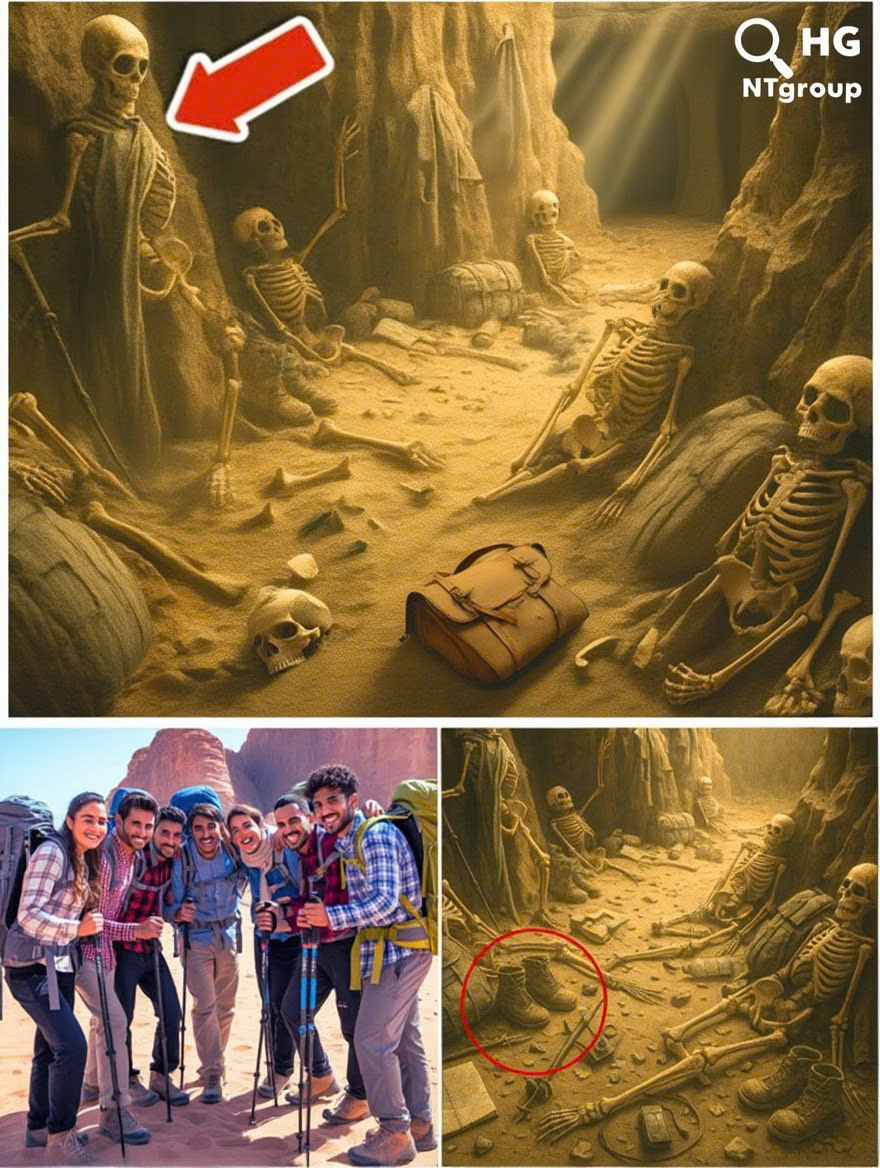
As the story unfolds, the expedition supposedly encounters strange experiences including whispers in the fog, shadowy figures between trees, and growing feelings of paranoia and unease.
Some versions claim the group disappeared completely.
Others imply the travelers simply lost touch with reality as fear and isolation intensified.
However, no confirmed historical records, official investigations, or reliable archives support the existence of the expedition as described online.
Where Is Dhofar?
Dhofar Governorate is a region in southern Oman known for its unique geography, seasonal fog, and historical importance.
Unlike much of the Arabian Peninsula’s desert landscapes, Dhofar experiences a seasonal climate phenomenon called the khareef, during which monsoon moisture transforms parts of the region into lush green valleys covered in mist.
This atmosphere contributes strongly to the area’s mysterious reputation.
The region is also historically connected to:
Ancient Frankincense Trade Routes
Dhofar played a major role in global incense trade networks.
Mountain Villages
Remote settlements scattered throughout rugged terrain.
Archaeological Sites
Ruins and historical landmarks dating back centuries.
Rich Oral Traditions
Local storytelling and folklore passed across generations.
Because of these characteristics, Dhofar provides an ideal setting for modern mystery narratives.
Why Fog and Isolation Inspire Mystery Stories
Psychologists and cultural historians explain that isolated natural environments often trigger powerful emotional reactions in humans.
Dense forests, mountains, and fog covered landscapes create uncertainty because they limit visibility and reduce familiar points of reference.
This can heighten:
Fear of the Unknown
Humans naturally become cautious in uncertain environments.
Imagination
The brain fills informational gaps with speculation.
Sensory Distortion
Mist and darkness can alter perception.
Psychological Vulnerability
Isolation increases emotional sensitivity and anxiety.
These conditions make wilderness settings especially effective for storytelling.
The “Lost Expedition of Dhofar” uses many classic elements commonly found in survival myths and mystery fiction.
The Tradition of Missing Expedition Legends
Stories about explorers disappearing into remote landscapes have existed for centuries.
Popular legends often involve:
Unmapped Wilderness
Regions portrayed as untouched or poorly understood.
Ancient Secrets
Rumors of hidden ruins or forgotten civilizations.
Psychological Decline
Isolation causing fear or confusion among travelers.
Unexplained Vanishing
Disappearances without clear evidence or resolution.
Examples from global folklore and literature include tales of lost Arctic expeditions, jungle explorers, desert caravans, and mountain climbers who vanished under mysterious circumstances.
These narratives remain popular because they combine adventure with uncertainty.

Internet Folklore and Modern Digital Legends
The “Lost Expedition of Dhofar” appears to follow a style commonly associated with internet horror storytelling.
Modern digital folklore often blends:
Real Locations
Using actual places increases believability.
Fictional Characters
Invented individuals create emotional connection.
Ambiguous Evidence
Stories avoid definitive proof or disproof.
Psychological Suspense
Fear develops gradually through atmosphere rather than direct events.
Open Endings
Unanswered questions encourage discussion and speculation.
Online mystery communities frequently share stories that blur the line between fiction and reality, allowing readers to participate in interpreting what may or may not be true.
Why People Are Drawn to Unsolved Mysteries
One reason stories like this spread widely is because humans are naturally attracted to mystery.
Researchers in psychology suggest that unresolved narratives stimulate curiosity more strongly than stories with clear conclusions.
Mysteries activate several emotional responses:
Curiosity
People want to uncover hidden explanations.
Fear
Uncertainty creates emotional tension.
Imagination
Readers mentally expand incomplete details.
Wonder
The possibility of the unknown feels exciting.
Exploration
Humans are drawn to places beyond ordinary experience.
This emotional combination makes mystery stories especially memorable and shareable online.
The Role of Folklore in Wilderness Regions
Many remote regions around the world develop local legends connected to geography and environment.
In areas with dense forests, mountains, or harsh climates, folklore often includes:
Spirits or Hidden Presences
Stories explaining strange experiences in nature.
Forbidden Locations
Areas believed to carry danger or mystery.
Lost Travelers
Warnings about isolation and unfamiliar terrain.
Supernatural Sounds or Visions
Interpretations of environmental phenomena.
While such legends are often symbolic or fictional, they reflect humanity’s long relationship with unpredictable natural landscapes.
The Dhofar story follows this broader storytelling tradition.
Separating Fiction From Reality
Importantly, no publicly verified evidence confirms the “Lost Expedition of Dhofar” as a documented historical event.
Researchers and readers should approach such stories critically by considering:
Source Reliability
Whether credible documentation exists.
Historical Records
Whether archives or news reports support the claims.
Narrative Style
Whether the storytelling resembles fiction or folklore.
Evidence Availability
Whether details can be independently verified.
Many internet mystery stories intentionally leave these questions unresolved because ambiguity increases emotional impact.

Why the Story Still Resonates
Even if fictional, the narrative continues attracting attention because it taps into universal human themes.
The story reflects fears and questions many people understand instinctively:
What Exists Beyond Familiar Places?
Remote environments still inspire wonder.
How Does Isolation Affect the Mind?
Psychological tension fascinates readers.
Could Ancient Secrets Remain Hidden?
People are drawn to lost histories and forgotten worlds.
What Happens When Humans Lose Control?
Stories about uncertainty resonate emotionally.
The wilderness setting amplifies these themes by placing characters far from modern comfort and certainty.
The Enduring Power of Mystery
Throughout history, mystery stories have served both entertainment and cultural purposes. They allow people to explore fear safely while imagining possibilities beyond ordinary life.
In modern digital culture, stories like the “Lost Expedition of Dhofar” spread rapidly because they combine:
Realistic Atmosphere
Actual locations make fiction feel believable.
Emotional Suspense
Gradual tension keeps readers engaged.
Ambiguity
Uncertainty encourages debate and interpretation.
Universal Themes
Fear of the unknown transcends cultures and generations.
Whether viewed as internet folklore, fictional suspense, or symbolic storytelling, the tale reflects humanity’s ongoing fascination with places where certainty disappears and imagination takes over.
Conclusion
The “Lost Expedition of Dhofar” may not be supported by verified historical evidence, but its popularity reveals something meaningful about human psychology and storytelling. Set against the misty mountains and isolated landscapes of southern Oman, the narrative combines exploration, fear, folklore, and uncertainty into a modern mystery that continues circulating online.
Its enduring appeal lies not necessarily in whether the story is true, but in how effectively it captures timeless emotions: curiosity about unexplored places, anxiety about isolation, and fascination with mysteries that resist easy explanation.
In the end, stories like this remind us that humans have always been drawn to the unknown. Even in an age of satellites and digital maps, there remains something deeply compelling about the idea that beyond familiar boundaries, mystery still survives.

Sources
Encyclopaedia Britannica Oman Overview
UNESCO Frankincense Land Sites in Oman
National Geographic Exploration and Human Curiosity
Psychology Today Fear of the Unknown
