
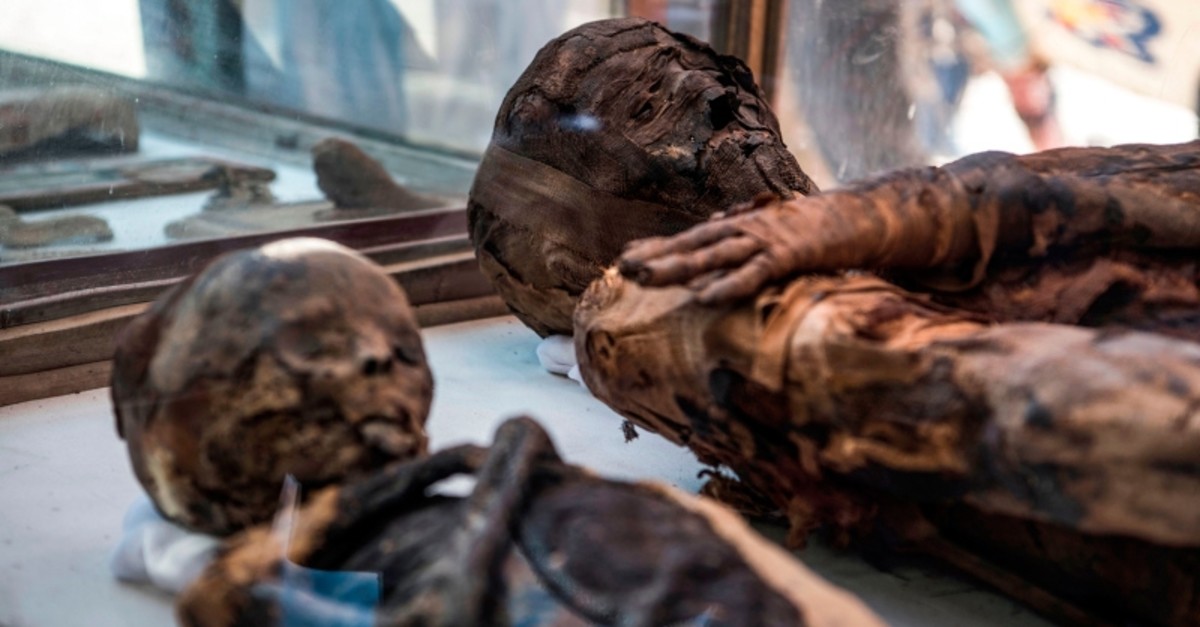
In the dry desert landscapes of Egypt, history continues to emerge from beneath the sand in remarkable ways. Archaeologists working near the ancient city of Akhmim uncovered a tomb dating back more than 2,000 years, revealing a collection of mummified animals alongside a human mummy believed to belong to a high ranking official from the Ptolemaic era.
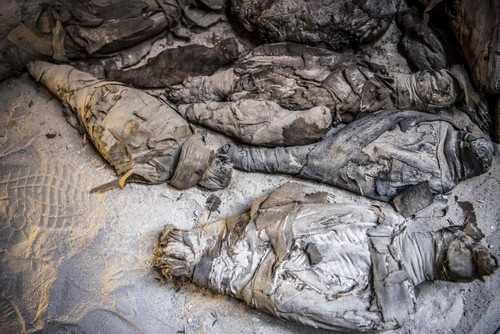
Among the most surprising findings were dozens of carefully preserved mice, as well as mummified cats and falcons. The discovery attracted international attention not only because of the unusual variety of animals involved, but also because it offered another glimpse into the spiritual beliefs, burial customs, and cultural symbolism of ancient Egypt.
Officials from Supreme Council of Antiquities described the excavation as one of the most significant discoveries in the region in recent years. The unveiling also reflected Egypt’s continuing efforts to highlight archaeological discoveries and strengthen cultural tourism.
The Discovery in Akhmim
The tomb was uncovered in the city of Akhmim, located within Sohag Governorate in central Egypt.
According to Egyptian antiquities officials, the burial site dates to the Ptolemaic period, a historical era that followed the conquest of Egypt by Alexander the Great’s conquest of Egypt and continued under Greek influenced rulers until Roman control began.
Inside the tomb, archaeologists reportedly discovered:
A Human Mummy
Believed to belong to a senior official or prominent individual.
More Than 50 Mummified Mice
An unusually large number of preserved rodents.
Mummified Cats
Animals strongly associated with protection and sacred symbolism in ancient Egypt.
Mummified Falcons
Birds connected to divine power and royal imagery.
The diversity of preserved animals immediately raised questions about their religious and cultural significance.
Why Ancient Egyptians Mummified Animals
Animal mummification played an important role in ancient Egyptian spiritual practices. While human mummification aimed to preserve the body for the afterlife, animals were also carefully preserved for religious, symbolic, and ceremonial reasons.
Archaeologists and historians explain that animals in ancient Egypt often represented:
Sacred Deities
Many gods were linked symbolically to specific animals.
Spiritual Protection
Certain animals were believed to guard the dead.
Religious Offerings
Animal mummies were sometimes placed in tombs as devotional gifts.
Symbols of Status and Belief
Burials reflected social standing and religious identity.
The discovery of mice, cats, and falcons together may indicate a combination of spiritual symbolism and ritual practice unique to the tomb owner.
The Symbolism of Cats in Ancient Egypt
Among the most famous sacred animals in ancient Egyptian culture were cats.
Cats were associated with the goddess Bastet, who symbolized protection, fertility, music, and domestic harmony. Because of these associations, cats were highly respected and sometimes treated with extraordinary care.
Historians note that cat mummification became especially common during later periods of Egyptian history. Some cats were household companions buried with owners, while others were raised specifically for religious offerings.
The presence of mummified cats in the Akhmim tomb may therefore reflect beliefs surrounding protection and spiritual guidance in the afterlife.
Falcons and Divine Power
Falcons held equally powerful symbolism in Egyptian religion.
The falcon was closely connected to the god Horus, one of the most important deities in ancient Egyptian mythology. Horus represented kingship, protection, and the sky.
Falcons appeared frequently in:
Royal Imagery
Pharaohs were often associated with Horus.
Temple Art
Falcon figures symbolized divine authority.
Burial Traditions
Falcon imagery reinforced spiritual protection and rebirth.
The inclusion of mummified falcons in the tomb likely carried religious meaning connected to power, guardianship, or spiritual transformation.
Why Mummified Mice Fascinate Researchers
Perhaps the most unusual aspect of the discovery was the large number of mummified mice.
Unlike cats or falcons, mice are less commonly associated with famous Egyptian religious symbolism. However, researchers suggest several possible explanations:
Religious Offerings
The mice may have served ceremonial or symbolic purposes.
Protective Symbolism
Small animals occasionally represented fertility or survival.
Tomb Rituals
The mice could have formed part of burial traditions specific to the region or period.
Food Offerings for Sacred Animals
Some researchers speculate smaller animals may have been connected indirectly to other sacred species.
Because archaeological interpretation often evolves over time, experts caution that the precise role of the mice remains uncertain.
The Ptolemaic Era and Cultural Blending
The tomb dates back to the Ptolemaic era, a period marked by significant cultural blending between Egyptian and Greek traditions.
Following Alexander the Great’s conquest, Egypt came under the rule of the Ptolemaic dynasty, founded by Ptolemy I Soter.
During this era:
Egyptian Religious Practices Continued
Traditional beliefs and burial customs remained deeply influential.
Greek Cultural Influences Expanded
Art, architecture, and administration reflected Greek styles.
Religious Syncretism Increased
Some deities and rituals blended Egyptian and Hellenistic traditions.
Trade and Scholarship Flourished
Egypt remained an important intellectual and economic center.
Archaeologists often find Ptolemaic tombs especially fascinating because they reveal how cultures interacted and evolved over time.
Egypt’s Ongoing Archaeological Discoveries
Egypt continues to produce major archaeological discoveries that attract worldwide interest. Tombs, temples, statues, and mummies uncovered in recent decades have helped researchers deepen understanding of ancient life, religion, and governance.
The Egyptian government and antiquities authorities frequently highlight discoveries as part of broader efforts to strengthen tourism and cultural heritage preservation.
Tourism remains especially important to Egypt’s economy because millions of visitors travel annually to experience sites such as:
Great Pyramid of Giza
One of the world’s most recognizable ancient monuments.
Valley of the Kings
Famous for royal tombs including that of Tutankhamun.
Karnak Temple Complex
A vast religious site reflecting centuries of Egyptian history.
Egyptian Museum
Home to extensive collections of ancient artifacts.
Officials hoped the Akhmim discovery would help draw attention to lesser known historical regions such as Sohag.
Archaeology and Modern Tourism
Archaeological discoveries often influence tourism by renewing public interest in historical destinations.
In recent years, Egypt has worked to encourage international visitors following periods of political instability that affected tourism numbers after the 2011 revolution.
Experts in cultural tourism explain that discoveries like the Akhmim tomb serve several purposes:
Preserving Historical Knowledge
Excavations help document ancient civilizations.
Supporting Education
Artifacts provide insight into religion, society, and daily life.
Encouraging Economic Growth
Tourism related to heritage sites supports local economies.
Strengthening Cultural Identity
Historical preservation reinforces national heritage.
Public unveilings of discoveries also generate international media coverage, helping maintain global fascination with ancient Egypt.
The Continuing Mystery of Ancient Egypt
One reason Egyptian archaeology continues captivating audiences is because so many mysteries remain unresolved.
Researchers still debate aspects of:
Burial Rituals
Why certain objects and animals were chosen for specific tombs.
Religious Symbolism
How spiritual beliefs evolved across different dynasties.
Daily Life
The roles ordinary people played within ancient society.
Preservation Techniques
How mummification methods changed over centuries.
Each new discovery adds pieces to a larger historical puzzle while also raising new questions.
The Akhmim tomb is a reminder that even after centuries of exploration, ancient Egypt continues revealing unexpected stories beneath its sands.
Conclusion
The discovery of a Ptolemaic era tomb in Akhmim containing mummified mice, cats, falcons, and a human mummy offers another fascinating glimpse into the spiritual world of ancient Egypt. More than a collection of preserved remains, the tomb reflects the deep religious symbolism, cultural traditions, and complex beliefs surrounding life and the afterlife in one of history’s most influential civilizations.
While cats and falcons carried well known sacred meanings tied to divine protection and power, the large number of mummified mice adds an unusual layer of mystery that researchers continue exploring.
Beyond archaeology itself, discoveries like this highlight Egypt’s enduring role as one of the world’s most captivating historical landscapes. Every excavation contributes not only to academic understanding but also to humanity’s ongoing curiosity about the people, rituals, and beliefs that shaped the ancient world.

Sources
Egyptian Ministry of Tourism and Antiquities
British Museum Ancient Egypt Collection
