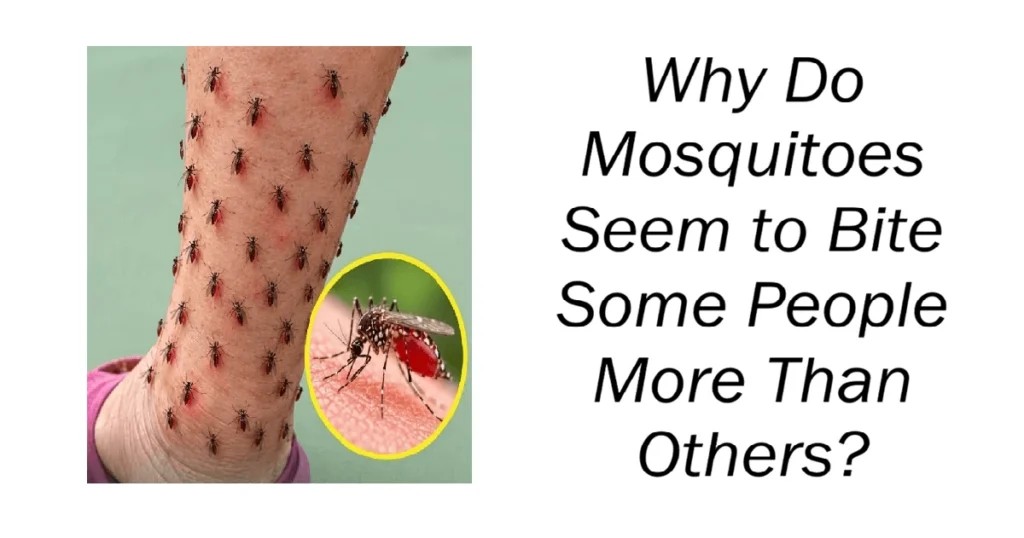

Why Do Mosquitoes Seem to Bite Some People More Than Others
You may have experienced it during an outdoor meal, a summer walk, or an evening in the garden: several people are sitting together, yet one person goes home with multiple itchy mosquito bites while others have few or none. It can feel as though mosquitoes have a personal preference.
Science suggests that mosquito attraction is not entirely random. Female mosquitoes use a highly developed set of sensory cues to locate a suitable host. Carbon dioxide from breath, body heat, moisture, skin odors, movement, visual contrast, and environmental conditions can all influence where a mosquito lands. Individual biology can make some people easier for certain mosquito species to find.
That does not mean a person who receives more bites is unhealthy or unclean. In most cases, it means their body is producing a combination of normal signals that mosquitoes can detect particularly well. The exact reasons vary by mosquito species, location, weather, and the individual.
Female Mosquitoes Are Responsible for Biting
Not all mosquitoes bite humans. Male mosquitoes generally feed on nectar and other plant sugars. It is female mosquitoes that seek blood meals, which provide nutrients needed for egg development. Even female mosquitoes also consume plant sugars, but blood feeding is part of reproduction for many species.
There are thousands of mosquito species worldwide, and their behavior differs substantially. Some species preferentially feed on humans, while others commonly feed on birds, mammals, or other animals. Some are most active around dusk and dawn, while species such as Aedes mosquitoes may bite during daylight hours.
This matters because there is no single explanation that applies to every mosquito in every setting. A factor that affects one species may be less important for another. Still, scientists have identified several cues that commonly help mosquitoes locate people.
Carbon Dioxide Helps Mosquitoes Detect People From a Distance
One of the most important signals is carbon dioxide, or CO2. Every person releases carbon dioxide when breathing out. Mosquitoes can detect changes in carbon dioxide concentration in the air, helping them recognize that a potential host may be nearby.
Once a mosquito detects this cue, it may begin searching for additional signals, including body odor, warmth, humidity, and visual features. Carbon dioxide is therefore not the only reason mosquitoes approach people, but it can act as an important long-range indicator.
People produce different amounts of carbon dioxide depending on factors such as body size, metabolic activity, and physical exertion. Someone who has been exercising may breathe more rapidly and release more carbon dioxide than someone sitting quietly. This is one reason mosquitoes can seem more persistent after a run, bike ride, sports session, or active outdoor work.
Body Heat and Moisture Can Make a Host Easier to Find
Mosquitoes are also drawn to thermal and moisture cues at close range. Human skin produces heat, and warm areas of exposed skin may help mosquitoes identify a suitable landing site. Exhaled breath and perspiration also create small zones of humidity around the body.
Physical activity can strengthen several of these signals at once. Exercise raises body temperature, increases breathing, and usually leads to sweating. Warm and humid weather may produce similar conditions, even when a person is not exercising intensely.
Pregnancy may also affect mosquito attraction in some circumstances. Research has found that pregnant people may exhale more carbon dioxide and have a slightly higher body temperature than non-pregnant people. These changes could make them more noticeable to mosquitoes. Preventing mosquito bites is especially important during pregnancy in areas where mosquito-borne illnesses are known to occur, so travelers should consult current public health guidance for their destination.
Skin Odor Is a Major Part of Mosquito Attraction
Every person has a distinctive skin-odor profile. Human skin releases a complex mixture of chemicals through sweat, natural oils, and other secretions. Microorganisms that normally live on the skin can also break down these substances and generate additional odor compounds.
This biological scent signature differs from person to person. Two people can shower, wear similar clothing, and sit beside each other outdoors, yet still emit different combinations of chemicals. Research indicates that mosquitoes can respond differently to these odor profiles.
Some mosquito species are especially responsive to compounds associated with human skin. Studies have examined substances such as carboxylic acids, ammonia, lactic acid, and other molecules found in sweat or skin secretions. However, mosquito attraction is not usually explained by one chemical alone. It is more accurate to think of mosquitoes responding to a changing blend of cues.
Importantly, being attractive to mosquitoes is not a sign of poor hygiene. Regular bathing is beneficial for general cleanliness and skin health, but it does not erase an individual’s natural body chemistry. A person can be clean and still be highly noticeable to mosquitoes.
The Skin Microbiome May Influence How You Smell to Mosquitoes
The skin microbiome is the community of bacteria and other microorganisms that naturally live on the body. These organisms are a normal part of human biology and can contribute to skin function. Their composition varies among individuals and across different body areas.
Because skin microbes interact with sweat and oils, they can influence the odors released from the body. Scientists have explored whether differences in skin microbial communities help explain why some people are more attractive to mosquitoes than others. The evidence supports the idea that skin-associated odors matter, although this remains an active area of research.
Feet and ankles are frequent targets for some mosquitoes. This may partly reflect the distinctive odors produced in these areas, as well as their proximity to the ground where mosquitoes may be flying. Wearing socks and closed shoes can reduce exposed skin in these commonly bitten areas.
Does Blood Type Affect Mosquito Bites?
Blood type is frequently mentioned in discussions about mosquito attraction, particularly the claim that people with type O blood are bitten more often. Some small studies have reported differences in attraction among blood groups for certain mosquito species. However, the research is not strong enough to treat blood type as a reliable predictor of who will be bitten most.
Mosquitoes do not identify blood type by seeing blood beneath the skin. If blood-group-related differences exist, they may involve chemicals or secretions associated with blood type that reach the skin surface. In practical terms, carbon dioxide, heat, skin odor, activity level, local mosquito species, and exposure conditions are likely to be more important than blood type alone.
People should be cautious about simple claims that one blood type is a guaranteed mosquito magnet. The biology is much more complicated.
Why Exercise and Sweat Can Increase Mosquito Attention
People often notice mosquitoes soon after being physically active outdoors. This pattern is understandable because exercise can amplify several host signals simultaneously:
- Breathing rate and carbon dioxide output increase.
- Skin temperature rises.
- Sweat increases moisture around the body.
- Sweat and skin secretions may alter odor cues.
- Movement may make a person more noticeable at close range.
Sweat itself is largely water, but it also contains salts and metabolic substances. When sweat interacts with skin bacteria, it can contribute to odors that mosquitoes detect. This does not mean that sweat is the sole explanation for bites; it is one part of a combined sensory picture.
If possible, changing into clean, dry clothing after strenuous outdoor activity may improve comfort and reduce some cues associated with sweat. However, effective repellent and protective clothing remain more dependable bite-prevention strategies.
Clothing Color and Visual Contrast May Matter
Mosquitoes do not rely only on chemical signals. Vision can become more relevant after they are already near a host. Research suggests that visual contrast and certain darker colors may help mosquitoes locate people under some conditions.
Dark clothing, including black, navy, and deep shades of red, may stand out more strongly against a bright or green outdoor background. Lighter-colored clothing may reduce contrast, although it will not make a person invisible to mosquitoes. A mosquito that has already detected carbon dioxide, warmth, and body odor can still find exposed skin.
Lightweight, loose-fitting, long-sleeved clothing can offer a practical layer of protection. Tightly woven fabrics are generally more effective than thin or loosely woven materials, which mosquitoes may sometimes bite through.
Perfume, Lotion, and Alcohol: What Does the Evidence Say?
Fragranced soaps, perfumes, lotions, and hair products can alter the odor environment around a person. Some floral or fruity scents may affect mosquito behavior, but the results can vary depending on the product and mosquito species. There is no universal rule that all perfume attracts mosquitoes or that every scented product should be avoided.
For people who consistently notice more mosquitoes after using a particular strongly scented product, switching to an unscented option is a reasonable experiment. It should be viewed as an additional measure rather than a replacement for insect repellent.
Alcohol consumption has also been studied, with limited research suggesting that beer consumption may increase attraction in some settings. Scientists have not established a complete explanation, and the effect may involve changes in temperature, perspiration, breath, or metabolism. Alcohol should not be considered a proven universal cause of mosquito bites.
Genetics May Help Explain Why Some People Are “Mosquito Magnets”
Genetics may contribute to mosquito attraction because genes influence many relevant traits, including metabolism, body odor, skin secretions, and immune responses. Research involving twins has suggested that attraction to mosquitoes may have a heritable component.
Still, genetics is not destiny. Someone who seems highly attractive to mosquitoes may experience different results in another climate, season, or country because mosquito species and environmental conditions change. A person’s attractiveness can also vary from day to day depending on exercise, clothing, heat, humidity, and products used on the skin.
Some “Extra Bites” May Actually Be Stronger Skin Reactions
Visible bite marks do not always provide a perfect count of mosquito bites. When a mosquito feeds, it injects saliva that contains proteins helping it obtain blood. The immune system reacts to these proteins, causing the familiar itchy bump or welt.
People have different immune responses. One person may develop a large, red, itchy swelling after a single bite, while another may have a small mark that fades quickly. As a result, two people may receive a similar number of bites but appear to have been bitten very differently.
Try not to scratch mosquito bites aggressively. Scratching can break the skin and increase the possibility of a secondary skin infection. A cool compress may provide temporary relief. Pharmacists and healthcare professionals can advise on suitable over-the-counter options for itching when needed.
Seek medical care promptly for difficulty breathing, widespread hives, severe swelling, signs of skin infection such as increasing redness or drainage, fever, or other concerning symptoms. Travelers who develop illness after mosquito exposure should tell a healthcare professional where and when they traveled.
How to Reduce Mosquito Bites Effectively
It is not necessary, or realistic, to change your natural body chemistry. The most useful approach is to make it harder for mosquitoes to reach and bite you.
Use an EPA-Registered Insect Repellent
Public health authorities recommend using insect repellents with active ingredients that have been evaluated for effectiveness and safety when used as directed. In the United States, the Environmental Protection Agency provides information on registered repellents. Follow label instructions, including directions for reapplication and use on children.
Cover Exposed Skin
Wear long sleeves, long trousers, socks, and closed shoes when mosquitoes are active. Consider light-colored, loose-fitting, tightly woven clothing. In some circumstances, permethrin-treated clothing and gear can offer additional protection when used according to product directions. Do not apply permethrin products intended for clothing directly to skin.
Use Screens, Nets, and Fans
Keep window and door screens in good repair. Mosquito nets are particularly important where mosquito-borne diseases are a concern. Outdoor fans may help reduce bites in small spaces because mosquitoes are relatively weak fliers and moving air can make landing more difficult.
Remove Standing Water Around the Home
Mosquitoes need water to reproduce. Empty, cover, clean, or turn over containers that can hold water, including buckets, plant saucers, birdbaths, toys, tarps, gutters, and pet water containers. After rainfall, check outdoor areas for pools of water. Even small amounts can support mosquito development for some species.
The Bottom Line on Why Mosquitoes Bite Some People More
Mosquitoes may appear to prefer certain people because they use a sophisticated combination of cues to find hosts. Carbon dioxide, body heat, sweat, skin chemistry, microbial odors, clothing contrast, activity level, and genetics can all contribute. The species of mosquito and the surrounding environment also make a major difference.
If you are regularly the person with the most bites, the explanation is probably not one single trait such as blood type. More often, it is a combination of normal biological signals that makes you easier for mosquitoes to detect on a particular day and in a particular place.
The practical solution is prevention: use an effective repellent, cover exposed skin, maintain screens, reduce standing water, and take extra precautions during periods of high mosquito activity. These steps can lower the chance of bites and help protect against mosquito-borne illnesses where they occur.
This article is for general educational purposes and does not replace personal medical advice, diagnosis, or treatment.
Sources
Disclaimer: This content is intended for entertainment purposes only and is not based on real events.