
Warning Signs Your Heart May Be Struggling …and When to Get Help
Your heart circulates oxygen-rich blood throughout the body every minute of every day. Most people do not notice this work until a change appears: becoming unusually tired after routine tasks, feeling breathless on stairs, noticing swollen ankles, or experiencing an unfamiliar flutter in the chest.
These symptoms are common and can result from many causes that are not related to the heart. Poor sleep, stress, respiratory infections, anemia, medication effects, thyroid conditions, dehydration, and lung disease can all contribute to similar symptoms. Still, new, persistent, worsening, or combined symptoms should not be ignored, especially for people with cardiovascular risk factors.
Heart disease remains a major health concern worldwide. According to the World Health Organization, cardiovascular diseases are the leading cause of death globally. Early assessment can help clinicians identify conditions such as coronary artery disease, heart failure, heart rhythm disorders, or valve disease and recommend appropriate treatment or monitoring.
The goal is not to assume every symptom means a serious heart condition. It is to recognize meaningful changes, understand when urgent action is needed, and seek professional medical advice rather than attempting to self-diagnose.
1. Unusual Fatigue That Does Not Improve With Rest
Fatigue is one of the most nonspecific health symptoms. Busy schedules, inadequate sleep, emotional stress, viral illnesses, and many medical conditions can leave a person feeling drained. However, a clear and unexplained decline in energy that is new for you deserves attention.
In some heart conditions, fatigue can occur because the heart is not moving blood as efficiently as the body needs. When less blood reaches muscles and organs during activity, everyday tasks may feel more demanding. Someone may notice that shopping, walking a familiar route, doing household chores, or climbing a few stairs now requires more effort than usual.
Fatigue alone cannot diagnose heart disease. It may also be associated with anemia, sleep apnea, depression, infections, thyroid disorders, diabetes, nutritional deficiencies, and medication side effects. The pattern matters most. Consider discussing fatigue with a healthcare professional if it lasts for days or weeks without a clear explanation, interferes with daily life, or occurs along with shortness of breath, chest discomfort, palpitations, swelling, or dizziness.
Women may be more likely to report unusual tiredness in connection with some cardiac events, although symptoms vary greatly between individuals. Everyone should take a significant change in stamina seriously, regardless of sex, age, or fitness level.
2. Shortness of Breath During Routine Activities
Shortness of breath can happen after strenuous exercise, during anxiety, or while recovering from a respiratory illness. But becoming breathless during ordinary activities that previously felt manageable can be an important warning sign.
For example, it may be notable if walking across a room, carrying groceries, climbing one flight of stairs, or taking a usual walk now leaves you unusually winded. In people with heart failure, breathlessness may develop because fluid can build up in or around the lungs when the heart cannot pump effectively enough to meet the body’s needs.
Some people may also notice difficulty breathing while lying flat, known as orthopnea, or may wake from sleep feeling short of breath. These symptoms have several possible explanations, but they should be evaluated promptly, particularly when paired with leg swelling, rapid weight gain, persistent cough, fatigue, or reduced exercise tolerance.
Sudden or severe breathing difficulty is an emergency. Seek immediate emergency medical care if breathlessness is severe, rapidly worsening, occurs with chest pressure or fainting, or makes it difficult to speak in full sentences.
3. Chest Pressure, Tightness, Pain, or Discomfort
Chest discomfort is a symptom that should never be casually dismissed. Heart-related chest symptoms do not always feel like a sharp pain directly over the heart. They may feel like pressure, squeezing, fullness, heaviness, burning, tightness, or an uncomfortable ache.
For some people, symptoms appear with physical exertion or emotional stress and improve with rest. Discomfort may spread beyond the chest to an arm, shoulder, back, neck, jaw, or upper abdomen. It can sometimes be mistaken for indigestion, heartburn, or muscle strain.
Coronary artery disease occurs when blood flow through the arteries that supply the heart muscle is reduced. Angina is the term often used for chest discomfort caused by reduced blood flow to the heart. A heart attack occurs when blood flow is blocked for long enough to damage heart muscle. Only a medical assessment can determine the cause of chest symptoms.
When Chest Symptoms Require Emergency Help
Call your local emergency number immediately if you have new, severe, persistent, or unexplained chest discomfort. Emergency help is especially important if chest symptoms occur with shortness of breath, sweating, nausea, fainting, marked weakness, or discomfort spreading to the arm, back, neck, jaw, or upper abdomen.
Do not drive yourself if you believe you may be having a medical emergency unless no other option is available. Emergency services can begin assessment and treatment during transport. Symptoms can vary widely, and a heart attack does not always cause dramatic pain. Waiting to see whether symptoms disappear can delay potentially lifesaving care.
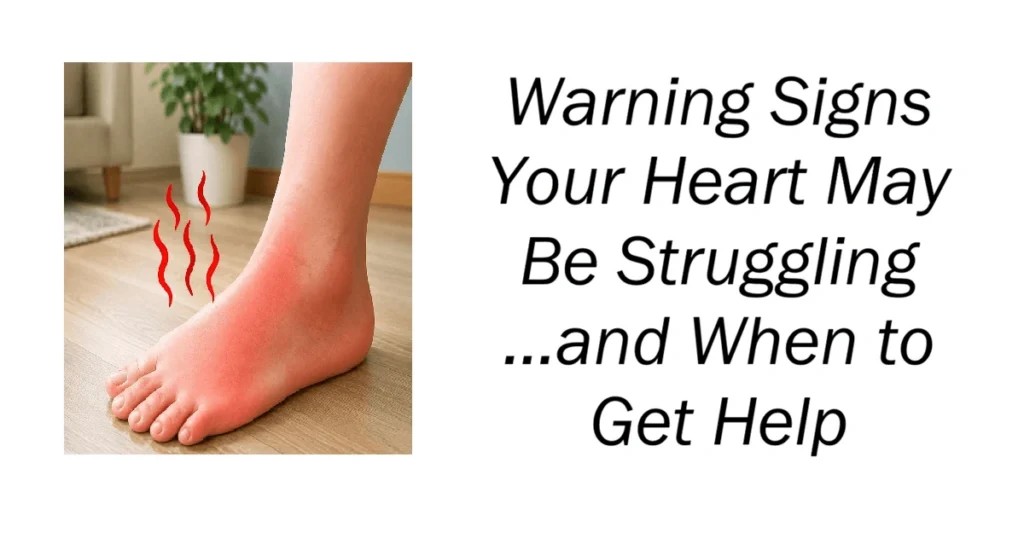
4. New Swelling in the Legs, Ankles, or Feet
Swelling in the lower legs, ankles, and feet is often called edema. It can happen after sitting or standing for long periods, during hot weather, in pregnancy, or because of certain medications. Vein problems, kidney disease, liver disease, and other conditions can also contribute to swelling.
However, fluid retention may also occur in heart failure, when the body retains more fluid because circulation is not working as effectively as it should. Shoes, socks, or rings may suddenly feel tighter. Some people notice indentations in the skin after removing socks, or they observe that swelling is worse by evening.
Rapid, unexplained changes in body weight can also be relevant because retained fluid adds weight. There is no single amount of weight gain that indicates the same level of concern for every person. People already diagnosed with heart failure should follow the individualized weight-monitoring plan provided by their clinical team and report changes according to those instructions.
Contact a healthcare professional about new or worsening swelling, particularly if it appears with breathlessness, fatigue, abdominal bloating, reduced ability to exercise, or a noticeable change in weight. Sudden swelling with severe breathing problems requires urgent medical assessment.
5. Dizziness, Fainting, or New Palpitations
Palpitations are sensations of a racing, pounding, fluttering, skipping, or irregular heartbeat. They are common and can be triggered by caffeine, alcohol, nicotine, fever, stress, anxiety, dehydration, or lack of sleep. They can also occur with some medications and thyroid conditions.
Nevertheless, repeated or new palpitations can sometimes be related to an arrhythmia, which is an abnormal heart rhythm. Some rhythm disorders are harmless, while others require medical evaluation and treatment. A clinician may use an electrocardiogram, commonly called an ECG or EKG, a wearable monitor, blood tests, or other investigations to better understand the rhythm.
Dizziness and lightheadedness also have many possible causes, including dehydration, low blood pressure, low blood sugar, infection, and medication effects. Fainting, also called syncope, should be discussed with a healthcare professional, especially if it is unexplained or recurrent.
Seek urgent medical help if fainting or near-fainting occurs with chest discomfort, severe shortness of breath, a very fast or irregular heartbeat, or symptoms that feel sudden and serious. These combinations require prompt assessment because they can occasionally signal a significant heart or circulation problem.
Why Symptom Patterns Matter
A single symptom rarely provides a complete answer. Tiredness may reflect inadequate sleep. Breathlessness may stem from asthma or another lung condition. Swollen ankles may be caused by vein-related issues. Palpitations may follow several cups of coffee or a stressful day.
Clinicians therefore look at the full picture: when symptoms began, whether they occur at rest or with activity, how long they last, what improves or worsens them, and whether they are changing over time. Medical history is also important. Risk factors for cardiovascular disease include high blood pressure, high cholesterol, diabetes, smoking, physical inactivity, excess weight, chronic kidney disease, older age, and a family history of early heart disease.
Depending on the situation, a healthcare professional may recommend a physical examination, blood pressure measurement, ECG, blood tests, echocardiogram, chest imaging, stress testing, or longer-term heart rhythm monitoring. Testing is chosen based on symptoms and individual risk, not from a checklist alone.
What to Do if You Notice Possible Heart Symptoms
Keep a Clear Record of Changes
A short symptom record can make a medical appointment more useful. Note when symptoms started, how often they occur, what you were doing at the time, how long they lasted, and whether rest, food, position, or activity changed the sensation. Include associated symptoms such as nausea, sweating, swelling, cough, fever, or changes in heartbeat.
Also prepare a list of medications, supplements, existing health conditions, and relevant family history. This information can help a clinician assess whether further tests are appropriate.
Arrange a Medical Assessment for New or Persistent Symptoms
Do not assume that a change in stamina, breathing, or chest comfort is simply a normal part of aging. Contact a qualified healthcare professional when symptoms are new, persistent, recurrent, or getting worse. Early evaluation is particularly important for people with known heart disease or multiple cardiovascular risk factors.
Know the Emergency Warning Signs
Seek emergency medical care immediately for severe or persistent chest pressure or pain, severe difficulty breathing, fainting or loss of consciousness, or chest discomfort accompanied by sweating, nausea, major weakness, or pain spreading to other areas of the upper body. New symptoms that are sudden, rapidly worsening, or feel life-threatening also require emergency attention.
Heart Symptoms in Women and Other Groups
Heart disease affects people of all sexes and backgrounds, but symptoms do not always follow a single pattern. Women can experience typical chest pressure during a heart attack, but some may also report shortness of breath, nausea, unusual fatigue, weakness, back discomfort, jaw discomfort, or sleep disturbance. These symptoms can overlap with many non-cardiac conditions, which is one reason professional assessment is essential.
Older adults and people with diabetes may also experience less typical symptoms. Because diabetes can affect nerves, some individuals may have reduced or altered pain sensations. This does not mean symptoms should be assumed to be cardiac; it means that a new or concerning pattern merits timely medical advice.
Everyday Habits That Support Heart Health
Lifestyle measures cannot diagnose or replace treatment for heart disease, but they can reduce cardiovascular risk and support overall health. The American Heart Association, CDC, and World Health Organization consistently emphasize prevention strategies that can be sustained over time.
- Choose a balanced eating pattern rich in vegetables, fruits, whole grains, beans, nuts, and other minimally processed foods.
- Limit foods high in sodium, added sugars, and saturated fats where possible.
- Stay physically active in ways that suit your health, mobility, and clinician’s advice.
- Avoid tobacco products and seek evidence-based support if you want to quit.
- Attend recommended checks for blood pressure, cholesterol, and blood sugar.
- Prioritize adequate sleep and address possible sleep disorders, including sleep apnea.
- Manage stress with practical supports such as social connection, regular routines, counseling when needed, and relaxation practices.
- Take prescribed medications as directed and discuss concerns before stopping or changing them.
Small, consistent changes are often more realistic than trying to overhaul every habit at once. For anyone with diagnosed heart disease, an individualized plan from a healthcare professional remains the most appropriate guide.
The Bottom Line: Pay Attention to Significant Changes
Unusual fatigue, shortness of breath, chest discomfort, new swelling, dizziness, fainting, and palpitations can all have many possible causes. They do not automatically mean the heart is struggling. Yet when symptoms are new, persistent, worsening, or happening together, they should be taken seriously.
Prompt medical assessment can provide reassurance when symptoms have a non-cardiac cause and can help identify heart conditions that need care. In an emergency, do not wait for symptoms to become unbearable. Calling emergency services quickly is the safest response to severe chest symptoms, serious breathing difficulty, fainting, or rapidly worsening illness.
Medical disclaimer: This article is for general educational purposes only and does not provide a diagnosis or replace advice from a qualified healthcare professional. If you have concerning symptoms, contact a healthcare professional. If symptoms are severe, sudden, or potentially life-threatening, seek emergency medical help immediately.
Frequently Asked Questions
Can heart warning signs appear suddenly?
Yes. Some heart conditions develop gradually, while others can cause sudden symptoms. New severe chest discomfort, major breathing difficulty, fainting, or rapidly worsening symptoms should be treated as urgent.
Are heart symptoms different in women and men?
Symptoms vary from person to person. Although chest pressure is common in all groups, some people may experience fatigue, nausea, breathlessness, or back and jaw discomfort. New or concerning symptoms should be medically assessed regardless of sex.
What if initial heart tests are normal but symptoms continue?
Continue communicating with your healthcare professional if symptoms persist, change, or worsen. They can review the original assessment and decide whether additional testing, monitoring, or referral is appropriate.
Should I wait until symptoms become severe?
No. New or persistent symptoms should be discussed with a healthcare professional. Severe, sudden, or rapidly worsening symptoms may require emergency care immediately.
Sources
Disclaimer: This content is intended for entertainment purposes only and is not based on real events.