
Urticaria (Hives): Symptoms, Causes, Types, Treatment and When to Seek Care
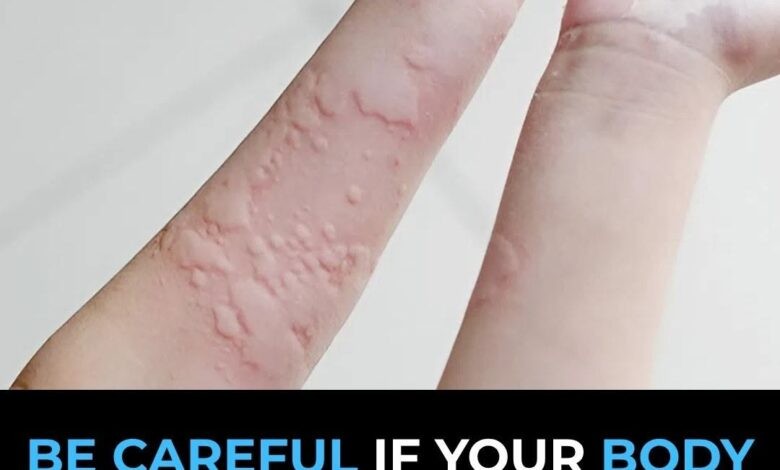
Urticaria, more commonly known as hives, is a skin condition that causes raised, itchy areas called wheals or welts. These marks can develop suddenly, vary in size, and appear anywhere on the body. A single hive may fade within hours, while new ones can emerge elsewhere, creating the impression that the rash is moving. Although hives are often temporary and manageable, they can sometimes occur alongside deeper swelling or symptoms of a serious allergic reaction.
Hives are common and can affect people of all ages. Many episodes are acute, meaning they resolve within six weeks. Others continue or recur for longer than six weeks and are described as chronic urticaria. Understanding the pattern of symptoms, potential triggers, and warning signs can help people seek appropriate care and avoid unnecessary concern or risky self-treatment.
What Are Hives?
Hives are an inflammatory reaction in the skin. They usually look like smooth, raised patches that may be pink, red, or similar to the surrounding skin tone, depending on a person’s complexion. The patches often itch, but some people experience burning, stinging, or discomfort instead. Hives can be small and isolated or join together to form larger areas of swelling.
The central feature of typical hives is that individual wheals are temporary. They commonly disappear within 24 hours without leaving a bruise, scar, or permanent mark. New wheals may develop as older ones fade. If the same lesion remains fixed in one location for more than a day, is painful rather than itchy, or leaves bruising or discoloration, a clinician may consider other conditions that require different evaluation.
Hives occur when mast cells in the skin release histamine and other chemical mediators. Mast cells are part of the immune system and play a role in allergic and inflammatory responses. Histamine can make small blood vessels more permeable, allowing fluid to move into nearby tissue. This produces the visible swelling and itching associated with urticaria.
Common Symptoms of Urticaria
Symptoms can differ from person to person, but hives often include:
- Raised, itchy welts of varying sizes and shapes
- Pink, red, pale, or skin-colored areas, depending on skin tone
- Lesions that change location or shape over several hours
- Itching that may be mild, moderate, or intense
- A burning, tingling, or stinging sensation in some cases
- Outbreaks that become more noticeable with heat, pressure, stress, or scratching
Scratching may temporarily feel relieving but can make the skin more irritated. Some people develop visible raised lines after scratching or rubbing their skin. This form of inducible urticaria is called dermatographism, sometimes known as “skin writing.”
Angioedema: Deeper Swelling That May Accompany Hives
Some people with urticaria also develop angioedema, which is swelling in deeper layers of skin and tissue. Unlike the surface wheals of hives, angioedema may feel tight, sore, warm, or uncomfortable. It often affects the eyelids, lips, cheeks, hands, feet, or genital area.
Angioedema is not always dangerous, but swelling involving the tongue, mouth, throat, or upper airway needs urgent medical attention. Breathing difficulty, throat tightness, trouble swallowing, wheezing, fainting, dizziness, or a rapidly worsening reaction may be signs of anaphylaxis, a severe allergic reaction. In these circumstances, emergency services should be contacted immediately. People who have been prescribed epinephrine for a known severe allergy should use it as directed and seek emergency care afterward.
Acute vs. Chronic Urticaria
Healthcare professionals generally classify hives according to how long symptoms persist.
Acute Urticaria
Acute urticaria lasts less than six weeks. It is often linked to a recent infection, medicine, food exposure, insect sting, or another temporary trigger. In many cases, however, a precise cause is never identified. This does not necessarily mean the condition is dangerous; acute hives commonly resolve with time and symptom management.
Chronic Urticaria
Chronic urticaria is diagnosed when hives occur on most days, or recur frequently, for more than six weeks. The condition can affect sleep, concentration, work, school, and emotional well-being because symptoms are unpredictable and often uncomfortable.
Many chronic cases are called chronic spontaneous urticaria. “Spontaneous” means that hives occur without a consistent external trigger. Research suggests that immune-system activity, including autoimmune mechanisms in some patients, may contribute to chronic spontaneous urticaria. It is important to note that chronic hives are usually not caused by a hidden food allergy. Broad allergy testing is not routinely useful unless a person’s history points to a specific, repeatable trigger.
Physical and Inducible Types of Hives
Some hives are reliably triggered by physical or environmental factors. These are called inducible urticarias. A person may have one type or a combination of chronic spontaneous and inducible urticaria.
- Dermatographism: Hives develop after scratching, rubbing, or light pressure on the skin.
- Cold urticaria: Symptoms occur after contact with cold air, water, or objects. Sudden cold-water exposure may be especially risky for susceptible individuals.
- Delayed pressure urticaria: Swelling may develop after sustained pressure from tight clothing, backpack straps, sitting, or carrying heavy items.
- Cholinergic urticaria: Small hives can appear when body temperature rises, such as during exercise, emotional stress, hot showers, or spicy meals.
- Solar urticaria: Hives develop after exposure to sunlight, usually on exposed skin.
- Heat urticaria: Localized hives may appear after direct heat exposure.
A clinician can help distinguish these forms from other rashes and advise on practical ways to reduce exposure to known triggers.
Potential Causes and Triggers of Hives
Hives can have many possible causes, and the cause is not always identifiable. Acute hives may be associated with allergic reactions, infections, medication reactions, or physical stimuli. Commonly reported triggers include certain foods, medicines, insect stings, latex, and infections.
Foods that can cause allergic reactions in some people include milk, eggs, peanuts, tree nuts, fish, shellfish, wheat, and soy. However, food should only be considered a likely trigger when symptoms repeatedly follow exposure in a consistent timeframe. Unnecessary elimination diets can lead to nutritional problems and may increase anxiety around eating.
Medicines can also be involved. Antibiotics, nonsteroidal anti-inflammatory drugs such as aspirin or ibuprofen, and certain other medications may trigger or worsen hives in some people. Anyone who suspects a medication reaction should contact a healthcare professional promptly. A prescribed medicine should not be stopped without medical advice unless emergency symptoms are present.
Viral illnesses are a frequent contributor to acute urticaria, particularly in children, and bacterial infections can occasionally be associated with outbreaks. Emotional stress does not directly cause every case of hives, but it may worsen itching or make flare-ups more difficult to manage. Heat, alcohol, tight clothing, and pressure on the skin can also aggravate symptoms for some individuals.
How Hives Are Diagnosed
Diagnosis is usually based on a medical history and physical examination. Because hives can disappear before an appointment, photographs of the rash may be useful. A healthcare professional may ask when the symptoms began, how long individual welts last, whether there is swelling of the lips or throat, recent illnesses, medicines, foods, exercise, travel, work exposures, and family history.
For chronic urticaria, clinicians often focus testing on information suggested by the patient’s history and examination. Extensive testing is not always necessary. Targeted blood tests or other investigations may be considered when symptoms suggest an underlying condition or when a different diagnosis needs to be ruled out.
Keeping a symptom diary can be helpful. Record the timing of outbreaks, duration of lesions, foods and medicines taken, activities, infections, temperature exposure, stress levels, and photographs when possible. The goal is not to assume that every exposure is a cause, but to identify patterns that can be discussed with a doctor or allergy specialist.
Treatment Options for Urticaria
Treatment depends on the severity, duration, and likely cause of symptoms. For many people, avoiding a confirmed trigger and using antihistamines is sufficient. Second-generation, non-sedating antihistamines are commonly recommended because they can reduce itching and wheal formation with less drowsiness than older medications. A pharmacist or clinician can advise on appropriate options, particularly for children, older adults, pregnant people, and those taking other medicines.
For chronic urticaria that does not respond adequately to standard-dose antihistamines, clinicians may adjust treatment under medical supervision. International guidelines support a stepwise approach, which can include increasing certain second-generation antihistamines before moving to specialist treatments. Omalizumab, a biologic medicine, is one established option for some people with chronic spontaneous urticaria that remains poorly controlled despite antihistamine treatment. Other treatments may be considered by specialists for selected patients.
Short courses of oral corticosteroids are sometimes used for severe flare-ups, but they are not generally a long-term solution because repeated or prolonged use can cause significant side effects. Emergency treatment for anaphylaxis is different from routine hive treatment and may include epinephrine, oxygen, intravenous fluids, and observation in a medical setting.
Self-Care Measures That May Reduce Discomfort
Several practical steps may help reduce itch and irritation while seeking medical guidance:
- Use cool compresses or take a cool bath if this does not trigger symptoms.
- Wear loose, lightweight clothing that does not rub against affected skin.
- Avoid very hot showers, overheating, and harsh fragranced skin products during a flare.
- Try not to scratch; keep fingernails short if itching is disruptive.
- Follow the treatment plan recommended by a qualified healthcare professional.
- Keep a record of symptoms and possible triggers, especially if outbreaks recur.
When to Seek Emergency Care for Hives
Most cases of hives do not become emergencies, but it is important to recognize warning signs. Call emergency services or seek urgent medical care if hives occur with difficulty breathing, wheezing, throat tightness, swelling of the tongue or throat, trouble swallowing, fainting, severe dizziness, confusion, or a rapid decline in condition. These symptoms may indicate anaphylaxis and require immediate assessment.
It is also sensible to arrange a non-emergency medical appointment if hives continue for more than a few days, recur repeatedly, disrupt sleep or daily activities, are accompanied by frequent angioedema, or persist beyond six weeks. A clinician can help confirm the diagnosis, review medication safety, and determine whether referral to an allergist, dermatologist, or immunology specialist is appropriate.
Living With Chronic Hives
Chronic urticaria can be frustrating because symptoms may fluctuate without an obvious explanation. The condition can have a substantial effect on quality of life, particularly when itching interrupts sleep or visible lesions cause distress. Support from healthcare professionals, family members, workplaces, and schools can make management easier.
Current medical understanding emphasizes that chronic hives are a legitimate inflammatory condition, not simply a cosmetic problem or a sign that someone has failed to identify the “right” food or product. With an accurate diagnosis, a structured treatment plan, and regular follow-up when needed, many people are able to improve symptom control and maintain normal routines.
Sources
Disclaimer: This content is intended for entertainment purposes only and is not based on real events.