

Viewers Warn About Episode Two of Monsters: The Lizzie Borden Story on Netflix Due to Emetophobia Trigger

Netflix’s new true crime drama, Monsters: The Lizzie Borden Story, has sparked strong reactions among viewers, particularly concerning its second episode. Fans have taken to social media and forums to caution others about a graphic scene involving vomiting, which may be distressing for those with “emetophobia,” the intense fear of vomiting. The show, created by Ryan Murphy and Ian Brennan, continues the tradition of their captivating Monsters franchise, offering a fresh perspective on the infamous Lizzie Borden case. However, the series’ creative decisions have brought issues of phobias and viewer comfort into the spotlight, raising questions about media consumption, trigger warnings, and sensitivity to mental health concerns.

Background on the Monsters Franchise and Lizzie Borden
The Monsters franchise on Netflix is renowned for its exploration of notorious criminal cases, blending drama, suspense, and historical analysis. Ryan Murphy and Ian Brennan, known for their work on American Crime Story and Dahmer – Monster: The Jeffrey Dahmer Story, aim to shed light on the psychological and societal aspects of famous cases.
In their latest installment, Ella Beatty portrays Lizzie Borden, a Massachusetts woman accused of the grisly murders of her father and stepmother in 1892. The trial of Lizzie Borden fascinated the public and media, with its unresolved questions and cultural impact enduring to this day. The series strives to present both the facts of the case and the emotional nuances of its central figures, drawing viewers into the uncertainties surrounding the verdict and the broader implications for American criminal justice. By incorporating meticulous period detail and immersive storytelling, Monsters: The Lizzie Borden Story seeks to resonate with audiences who are drawn to the complexity and ambiguity of history’s most talked-about crime stories.
A Scene of Controversy: The Oysters and Poison
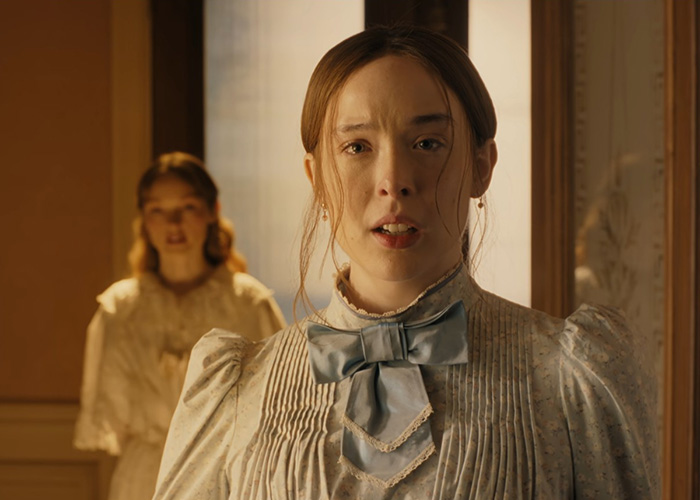
The specific trigger for viewer warnings comes from episode two. In the episode, Lizzie and the household maid serve Mr. and Mrs. Borden oysters with the intention of poisoning them. The plan unravels in a dramatic sequence, culminating in intense projectile vomiting. The visceral nature of this scene has unsettled numerous viewers, prompting online discussions and cautionary posts.
On platforms like Reddit and Tyla, individuals have described it as an “emetophobe’s nightmare.” Some reported experiencing discomfort, while others humorously suggested it could serve as a form of exposure therapy. One viewer shared, “I held my ears and covered my head and said ‘let me know when it’s over.’ Other than that scene, I love the show.” Another noted, “I watched the episode last night and would have loved to see this warning prior. I have overcome a lot of it as I have aged. But that episode made me so sick watching it.”
This responsiveness demonstrates both the influence media can have on specific audiences and the importance of transparent trigger warnings for content that could provoke strong psychological reactions. It also raises awareness about the responsibilities of creators and platforms when depicting scenes of bodily distress, given the sensitivity surrounding mental health conditions.
Understanding Emetophobia: The Fear of Vomiting
Emetophobia, the intense fear of vomiting, is a condition that affects a significant subset of individuals. According to the Cleveland Clinic, emetophobia is characterized by persistent and overwhelming anxiety about vomiting or witnessing others vomit. It goes well beyond typical aversion, often resulting in avoidance behaviors such as steering clear of certain foods, situations, or social events to minimize potential triggers.
Symptoms include racing thoughts, persistent worry, and sometimes panic attacks if faced with the threat or reality of vomiting. This phobia can interfere with daily life, leading to limited diets, isolation, and disruption of normal routines. Treatment may involve therapies such as cognitive behavioral therapy (CBT), gradual desensitization, and, in more severe cases, medication. The Cleveland Clinic notes that the condition is treatable, and individuals affected by emetophobia can benefit from professional intervention and the support of friends and family.
For viewers with emetophobia, depictions of vomiting in media can be highly distressing, triggering anxiety or panic. The reaction to Monsters: The Lizzie Borden Story emphasizes the necessity of content warnings and the inclusion of accommodations for those with mental health concerns. Mental health professionals advise that creators and streaming platforms provide clear advisories about the nature of graphic scenes to help at-risk individuals make informed viewing choices.

Crafting the Vomiting Scene: Behind-the-Scenes Insights
Director Max Winkler and the production team worked meticulously to execute the scene in episode two. In an interview with Entertainment Weekly, Winkler detailed the logistical and technical aspects behind creating a realistic yet safe portrayal of vomiting.
“We do everything once as a dry run without the vomit. So everybody’s faking it,” Winkler explained. “Then we do tubes, which we have to do many tests and figure out what’s the distance, what’s too crazy, what’s just crazy enough, what’s too small. Then we start with them putting stuff in their mouth and just doing that version of it.”
Rebecca Hall, who played Abby Borden, Lizzie’s stepmother, spoke candidly about the challenges involved. Hall admitted to being both a germaphobe and someone with a sensitive empathetic response to vomiting. She reflected, “I’m not good with icky stuff, and I’m really not good with vomiting…even if it’s fake vomit, being covered head to toe in vomit and diarrhoea for the day did not seem like a particularly enjoyable experience. And indeed it wasn’t.”
These insights reveal the dedication, complexity, and sensitivity required to portray distressing scenes in a way that is both authentic to the narrative and mindful of actor well-being. The craft involved includes careful planning around props, safety considerations, and repeated rehearsals to balance realism and actor comfort.
Viewer Reactions and Societal Response
The response to episode two has ignited broader conversations about mental health and media consumption. With the growing dialogue on social media platforms, viewers have advocated for more prominent trigger warnings on streaming content, especially for scenes involving bodily distress or phobic triggers.
Many viewers expressed empathy for those affected by emetophobia, posting in forums to share their experiences and seek supportive advice. Some advocated for the use of exposure therapy, while others highlighted the potential negative impact of unanticipated graphic scenes, urging streaming platforms like Netflix to adopt clearer advisories and parental controls.
The episode has also contributed to ongoing discussions about the evolution of viewing habits. Eating meals in front of the television is common, but scenes involving food, poisoning, or vomiting can evoke stronger reactions depending on context and timing. Experts recommend that platforms consider meal-related content warnings and allow viewers to customize their advisories where possible, improving accessibility and mental health safety.
International Perspectives on Trigger Warnings and Phobia Inclusion
Globally, practices regarding content warnings vary. The United Kingdom and Australia have implemented robust advisory systems for television and streaming, marking content with clear ratings and potentially triggering themes. The United States relies predominantly on voluntary advisories and streaming platform discretion. Mental health organizations worldwide advocate for more explicit warnings for graphic or phobia-related scenes, especially as awareness increases regarding diverse viewing audiences and their needs.
Studies have shown that viewers greatly value transparency in media. According to a survey by the American Psychological Association, 72% of respondents supported trigger warnings for content involving distressing themes like violence, bodily harm, or medical emergencies. Inclusion of mental health considerations is viewed as both a public health concern and a matter of social responsibility, encouraging platforms to tailor solutions for vulnerable viewers.
Best Practices and Looking Forward
As the Monsters franchise continues to evolve, industry experts reflect on the lessons learned. The importance of sensitivity in storytelling, informed by both artistic vision and the well-being of audiences, is paramount. Content creators are increasingly collaborating with mental health experts to integrate advisory systems that respond to the unique needs of viewers.
For those grappling with conditions like emetophobia, the episode underscores the need for resources, community support, and improved communication from entertainment platforms. While exposure to phobic triggers can sometimes support treatment through gradual desensitization, experts emphasize that informed consent and careful preparation are essential to avoid exacerbating symptoms.
Netflix and other streaming services are advised to review their advisory practices, consult with mental health professionals, and enhance viewer customization options. By fostering dialogue with affected communities and adopting evidence-based strategies, the industry can promote both creativity and safety, ensuring that groundbreaking storytelling does not come at the expense of vulnerable audiences.

Conclusion
Monsters: The Lizzie Borden Story exemplifies the power of true crime drama to captivate, challenge, and provoke discussion. Its controversial second episode has brought awareness to emetophobia, the art of scene-making, and the responsibilities tied to modern media. As the conversation continues, lessons learned may serve to improve practices, safeguard viewers, and deepen the impact of creative expression within a framework of compassion and respect.
Disclaimer: This content is intended for entertainment purposes only and is not based on real events.
