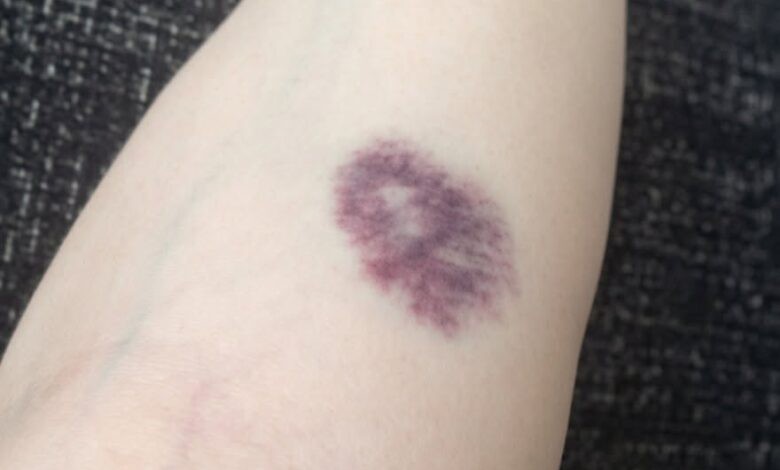

Unexplained Bruising: Causes, Warning Signs, and When to Seek Care
Finding a bruise when you cannot remember bumping into anything can be concerning. A dark blue, purple, or yellowish mark may seem to appear suddenly, particularly on the arms or legs. In many cases, however, bruising is a normal result of minor everyday contact that a person may not notice or remember. Skin and blood vessels can also become more fragile with age, making small impacts more likely to leave visible marks.
Still, frequent, large, or unexplained bruising deserves attention, especially when it appears alongside other symptoms such as unusual bleeding, persistent tiredness, fever, repeated infections, or unexplained weight changes. Bruising is not a diagnosis by itself. It is a physical sign that can have many possible explanations, ranging from normal aging and medication effects to nutritional issues or conditions that affect blood clotting.
This guide explains how bruises form, why some people bruise more easily than others, what warning signs may warrant medical assessment, and what to expect during a healthcare visit. The goal is informed observation rather than alarm: most bruises are harmless, but a pattern of unusual bruising should be discussed with a qualified healthcare professional.
What Is a Bruise?
A bruise, also called a contusion, develops when small blood vessels beneath the skin are damaged. Blood leaks into the surrounding tissue, creating a patch of discoloration. Because the blood is below the skin rather than on its surface, a bruise does not usually bleed externally.
Bruises often change color as the body breaks down and reabsorbs the blood. They may initially look red, blue, purple, or very dark. Over several days, they can become greenish, yellow, or brown before gradually fading. The timing and colors vary between individuals and depend on the location, size, depth, and cause of the bruise.
Minor bruises commonly occur after exercise, household activities, sports, carrying heavy items, or contact with furniture and doorframes. Some impacts are so slight that they are forgotten quickly. Bruises can also be more noticeable on people with lighter skin tones, although they occur in people of all skin tones.
Common Reasons for Easy or Unexplained Bruising
Age-Related Changes in Skin and Blood Vessels
Easy bruising becomes more common with age. Over time, the skin generally becomes thinner and loses some of the protective fatty tissue beneath it. Blood vessels may also become more delicate. These natural changes mean that a relatively minor bump can cause a visible bruise, particularly on the forearms and hands.
This type of bruising is often benign, but it is still helpful to mention new or changing patterns to a clinician, especially if a person takes medicines that affect bleeding or has other medical conditions.
Medicines and Supplements
Many commonly used medicines can increase the likelihood of bruising. Medicines that reduce blood clotting or platelet activity are important examples. These may include prescription anticoagulants, antiplatelet medicines, and some over-the-counter pain relievers. Aspirin and nonsteroidal anti-inflammatory drugs, such as ibuprofen, can affect platelet function in some people.
Long-term use of corticosteroid medicines may also contribute to thinning of the skin and easier bruising. Certain supplements, including fish oil, ginkgo, garlic supplements, and high-dose vitamin E, may affect bleeding risk or interact with medicines for some individuals. Evidence and risks vary, so people should tell their clinician and pharmacist about all prescription medicines, over-the-counter products, vitamins, and herbal supplements they use.
Do not stop prescribed blood-thinning medication without medical advice. These medicines are often prescribed to help prevent serious health problems, and suddenly stopping them may create risks. A clinician can assess whether bruising requires a medication review or a change in treatment.
Nutritional Factors
A balanced diet supports blood vessel health and normal clotting. In some cases, poor nutrition or difficulty absorbing nutrients can contribute to easy bruising. Vitamin C is needed for healthy connective tissue, including the structures that support blood vessels. Severe vitamin C deficiency is uncommon in many countries but can occur in people with highly limited diets, certain medical conditions, or significant food insecurity.
Vitamin K is also involved in producing clotting factors. Deficiency can occur in specific circumstances, including certain digestive, liver, or absorption disorders. It is important not to self-treat suspected vitamin K deficiency with supplements if a person takes warfarin or another medication that affects clotting. Dietary and supplement changes should be discussed with a healthcare professional.
Low intake of protein and other nutrients may also affect general health and tissue repair. Fruits, vegetables, legumes, whole grains, lean proteins, dairy or fortified alternatives, nuts, and seeds can support overall nutrition. Individual needs differ, particularly for people with digestive disorders, chronic illnesses, or dietary restrictions.
Alcohol Use and Liver Health
The liver produces many proteins that help blood clot normally. Significant liver disease can therefore contribute to easier bruising or bleeding. Liver disease has many causes, including viral infections, metabolic conditions, medication effects, and alcohol-related harm. Bruising alone does not establish that someone has liver disease, but it can be one finding that a clinician considers alongside symptoms, medical history, and blood tests.
People who are concerned about alcohol use or liver health can speak confidentially with a healthcare professional. Early support and assessment can help identify appropriate next steps.
Medical Conditions That Can Affect Bruising
Less commonly, unusual bruising may be associated with conditions that affect platelets, clotting proteins, blood vessels, the immune system, or blood cell production. Platelets are small blood components that gather at an injury site to help form an initial plug. A low platelet count, or platelets that do not function normally, can increase the tendency to bruise or bleed.
Inherited bleeding disorders, including hemophilia and von Willebrand disease, can affect the body’s ability to form stable blood clots. Some people are diagnosed in childhood, while milder cases may not be recognized until later in life, perhaps after surgery, dental work, heavy menstrual bleeding, or repeated bruising.
Autoimmune conditions, infections, and some medications can also influence platelet counts or clotting. In addition, certain cancers of the blood or bone marrow may affect normal blood cell production. These conditions are uncommon explanations for bruising, and bruising alone does not mean a person has cancer. Healthcare professionals rely on the full clinical picture, including symptoms, examination findings, medical history, and laboratory testing.
It is understandable to feel worried after reading about serious possibilities online. The most useful response is not to assume the worst but to seek an appropriate medical assessment when bruising is frequent, new, severe, or accompanied by other concerning changes.
Warning Signs That Need Prompt Medical Advice
Contact a healthcare professional promptly if bruises are appearing often without a clear reason, are unusually large, or occur in unusual locations. A clinician should also be consulted when bruising is paired with other signs of possible bleeding or illness.
Examples that may warrant medical advice include:
- Frequent bruises without a known injury or a noticeable increase in bruising over time.
- Large, painful, or rapidly expanding bruises.
- Bleeding that is difficult to stop after a small cut.
- Repeated nosebleeds, bleeding gums, blood in urine or stool, or unusually heavy menstrual bleeding.
- Tiny red or purple spots known as petechiae, particularly when they appear suddenly or in large numbers.
- Persistent fatigue, recurring fever, frequent infections, swollen lymph nodes, or unintentional weight loss.
- New bruising after starting a medicine, supplement, or dose change.
Seek urgent medical care for bruising after a significant injury, especially a head injury, or for symptoms such as confusion, severe headache, weakness, fainting, chest pain, difficulty breathing, or uncontrolled bleeding. People taking anticoagulant medicines should follow the advice provided by their prescribing team after falls or injuries, since even an apparently minor injury may need assessment.
How Healthcare Professionals Evaluate Unexplained Bruising
A medical appointment for easy bruising usually begins with a detailed conversation. A clinician may ask when the bruises began, where they occur, how long they last, whether there was any injury, and whether anyone in the family has a history of bleeding problems. They may also ask about periods, dental procedures, surgeries, diet, alcohol use, recent illnesses, and all medicines or supplements.
A physical examination may include looking at the skin, checking for petechiae, and assessing for other signs that could help explain the pattern. Depending on the situation, a clinician may order blood tests. A complete blood count can measure platelets and other blood cells. Additional tests may assess clotting function, liver function, nutritional status, or inflammation. Further testing is guided by the results and the person’s symptoms.
Keeping a simple symptom record can make this process easier. Note when bruises appear, their approximate size and location, whether they are painful, any potential injury, and any associated symptoms. Photographs taken in good lighting may also help document changes over time. This information does not replace medical evaluation, but it can help a clinician identify patterns.
Safe Self-Care for Minor Bruises
Most uncomplicated bruises heal without specific treatment. During the first day or two after an injury, a cold pack wrapped in a cloth may help reduce discomfort and swelling. Avoid placing ice directly on the skin. If possible, gently elevating the affected limb may also help limit swelling.
After the first 48 hours, some people find that gentle warmth and normal movement are comfortable, although evidence for speeding bruise resolution is limited. Avoid massage or strong pressure over a fresh bruise, particularly if it is painful or if you take blood-thinning medication. If pain relief is needed, ask a pharmacist or healthcare professional which options are suitable for you, as some medicines can increase bleeding risk.
A bruise should gradually improve. If it becomes more painful, larger, warm, very swollen, or fails to improve as expected, seek medical advice. Recurrent bruising should not be managed solely with home care.
Reducing the Risk of Everyday Bruises
Not every bruise can be prevented, but practical steps can reduce the likelihood of minor injuries. Keep walkways clear, use adequate lighting at home, wear supportive footwear, and use protective equipment for sports or work where appropriate. Older adults or people with balance concerns may benefit from discussing fall prevention with a healthcare team.
Maintaining a varied diet, staying physically active within personal ability, and attending regular medical reviews can support general health. Most importantly, review medications only with a clinician or pharmacist. The benefits of medicines that affect clotting often outweigh the inconvenience of mild bruising, but treatment plans should be individualized.
The Bottom Line on Unexplained Bruising
Bruises are common and are usually caused by minor injuries, skin changes related to aging, or medications that influence bleeding. A single unexplained bruise is often not a reason for alarm. However, frequent, large, painful, or spontaneous bruises can be a useful signal to check in with a healthcare professional.
Pay attention to patterns rather than assuming a diagnosis from one symptom. If bruising occurs with unusual bleeding, petechiae, persistent fatigue, repeated infections, or other changes in health, timely medical assessment is especially important. A clinician can determine whether the cause is simple and manageable or whether further testing is needed. Seeking advice offers both a path to treatment when necessary and reassurance when the cause is benign.
Sources
Disclaimer: This content is intended for entertainment purposes only and is not based on real events.