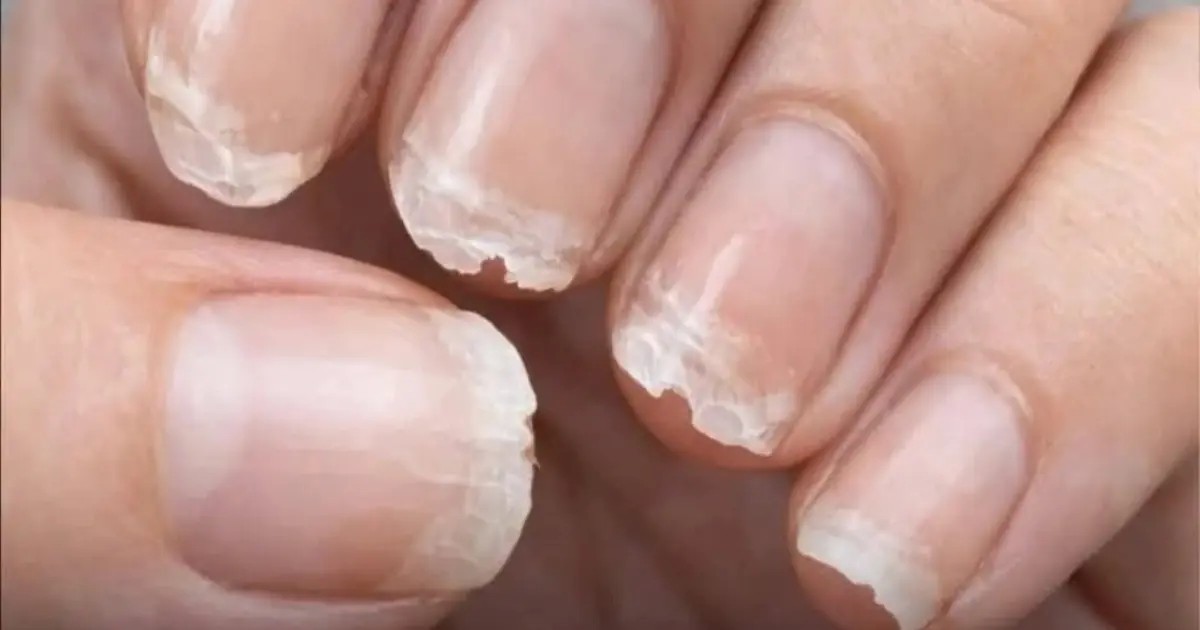

Weak, Peeling Nails May Be Revealing Important Clues About Your Health
Weak, peeling nails may be revealing important clues about your health. Although many people see brittle nails as a cosmetic issue, nail changes can sometimes reflect everyday habits, environmental exposure, nutritional status, or an underlying medical condition. Nails are not a diagnostic tool on their own, but persistent changes can be useful information to discuss with a healthcare professional.
Nails naturally change over time. They may become drier with age, break more easily during cold weather, or peel after frequent exposure to water and cleaning products. In many cases, these changes are temporary and improve with gentle nail care. However, when splitting, cracking, peeling, or slow growth continues for months, it may be worth looking beyond manicure habits and considering the body’s broader health needs.
Nails are made mainly of keratin, a strong structural protein also found in hair and the outer layer of skin. Healthy nail growth depends on the nail matrix, the tissue beneath the skin at the base of each nail. This area requires adequate nutrition, blood flow, and protection from repeated damage. Because fingernails grow gradually—typically only a few millimetres each month—they can reflect changes that occurred weeks or months earlier.
For some people, brittle nails are simply linked to dryness or repeated physical stress. For others, they may accompany symptoms such as fatigue, hair loss, dry skin, changes in weight, or sensitivity to cold. Looking at the full picture is more useful than assuming that weak nails always point to one specific deficiency or illness.

What Are Brittle and Peeling Nails?
Medical professionals may use the term onychoschizia to describe nails that split or peel in horizontal layers. Another condition, called onychorrhexis, involves vertical ridges or splits that can make nails more likely to crack. These patterns are common and are often harmless, particularly when they affect only a few nails or begin after a period of frequent wet work.
A brittle nail may feel thin, flexible, rough, or dry. It may chip at the edge, split down the length of the nail, or separate into layers at the tip. While these signs can be frustrating, they do not automatically mean that someone has a serious health problem. The key question is whether the change is new, persistent, widespread, or accompanied by other symptoms.
Common Everyday Causes of Weak Nails
One of the most common explanations for brittle nails is repeated cycles of wetting and drying. Frequent handwashing is important for hygiene, but regular exposure to water can remove natural oils from the skin and nails. Dishwashing, laundry, swimming, and jobs involving repeated handwashing can all contribute to dryness and peeling.
Cleaning chemicals, solvents, and nail products may also play a role. Acetone-based nail polish removers can be especially drying when used often. Some people notice more splitting after gel manicures, acrylic nails, nail extensions, or aggressive removal methods. The issue is not necessarily the manicure itself, but repeated filing, scraping, chemical exposure, or pulling at the nail surface.
Weather can make a difference as well. Cold, dry conditions may reduce moisture in the skin and nails, while prolonged humidity can soften nails and make them easier to bend or tear. Trauma is another familiar cause. Using nails to open containers, scrape labels, or perform small household tasks can gradually weaken the nail plate.
Protecting hands during chores can help. Wearing gloves for dishwashing or cleaning, choosing gentler nail products, and applying a fragrance-free moisturizer after washing may reduce dryness. A thick hand cream or petroleum jelly applied around the nails and cuticles can support the skin barrier and limit further damage.
Nutrition and Nail Health
Nutrition is often mentioned in conversations about brittle nails, but it is important to approach the subject carefully. A balanced diet supports normal nail growth, yet brittle nails do not prove that a person has a vitamin or mineral deficiency. Testing and professional medical assessment are more reliable than self-diagnosis or taking high-dose supplements.
Protein is necessary for keratin production, so consistently inadequate protein intake may affect hair, skin, and nails. Most people who eat a varied diet obtain enough protein, but individuals with restrictive diets, poor appetite, digestive disorders, or limited access to nutritious food may need tailored guidance from a clinician or registered dietitian.
Iron deficiency is another condition that can be associated with nail changes. Iron helps the body make haemoglobin, which carries oxygen in red blood cells. Iron-deficiency anaemia may cause tiredness, weakness, shortness of breath during activity, pale skin, headaches, or dizziness. Some people with significant iron deficiency develop spoon-shaped nails, known as koilonychia, though this sign is not present in every case.
Deficiencies involving zinc, vitamin B12, folate, and other nutrients may also affect the skin, hair, or nails in certain circumstances. However, supplement marketing can overstate the evidence. Biotin, for example, is widely promoted for nails, but research on its benefit for healthy people with brittle nails remains limited. High-dose biotin can also interfere with some laboratory tests, including certain tests used to assess heart and thyroid function. Anyone considering supplements should discuss them with a healthcare professional, especially if they take medication or have upcoming blood work.
A practical approach is to focus first on regular, balanced meals. This may include protein-rich foods such as fish, eggs, beans, lentils, dairy products, tofu, poultry, or lean meats; iron-containing foods such as legumes, leafy greens, fortified cereals, and meat where appropriate; and a broad range of fruits, vegetables, whole grains, nuts, and seeds. People following vegetarian or vegan diets can meet nutritional needs, but may benefit from individualized advice on nutrients such as iron and vitamin B12.
Medical Conditions That Can Affect the Nails
Some health conditions can contribute to dry, weak, or slow-growing nails. Thyroid disorders are one example. Hypothyroidism, in which the thyroid gland does not produce enough hormone, can be associated with dry skin, fatigue, constipation, feeling cold, weight changes, and brittle hair or nails. Hyperthyroidism can also affect the nails, sometimes causing them to grow more quickly or lift away from the nail bed. Only appropriate clinical evaluation and blood testing can determine whether a thyroid condition is present.
Skin conditions can affect the nail plate and the tissues around it. Psoriasis, eczema, and contact dermatitis may cause changes in nail texture or appearance. Nail psoriasis can lead to pitting, thickening, discoloration, or separation of the nail from the nail bed. Fungal nail infections may cause thickened, crumbly, discoloured nails, although not every discoloured or damaged nail is caused by fungus. A clinician can assess the nail and, when needed, arrange testing before treatment.
Conditions that affect circulation, absorption of nutrients, or overall health can also have an impact on nails. For example, some gastrointestinal conditions may make it harder for the body to absorb iron, vitamin B12, or other nutrients. Chronic illness, severe stress, recent major illness, and some medications may temporarily disrupt normal nail growth. These situations reinforce why persistent nail changes should be considered alongside a person’s medical history and other symptoms.
Stress, Illness, and Changes in Nail Growth
Physical stress on the body can sometimes leave a visible mark on the nails. After a significant illness, surgery, high fever, or other major physiological stress, some people develop horizontal grooves across multiple nails. These are known as Beau’s lines. The grooves form when nail growth is briefly interrupted and then resume as the body recovers.
Because nails grow slowly, a line or texture change may become visible long after the triggering event. This can make it difficult to identify the cause without considering what happened in the preceding months. Emotional stress may also influence routines that protect nail health, such as eating regularly, sleeping well, moisturizing hands, or avoiding nail biting and picking.
Stress management alone will not resolve every nail concern, but it can support overall wellbeing. Regular sleep, adequate meals, hydration, physical activity suited to an individual’s health, and support from trusted healthcare or mental health professionals can be valuable parts of a broader self-care plan.
How to Care for Peeling and Brittle Nails
Most uncomplicated nail brittleness responds best to consistent, gentle care. Improvements may take time because a new fingernail can take several months to grow from the base to the tip. Avoiding further damage while healthy nail grows out is often more effective than searching for a quick fix.
- Keep nails trimmed to a manageable length and file them gently in one direction.
- Use gloves when washing dishes, cleaning, gardening, or handling chemicals.
- Apply hand cream after washing hands, paying attention to the nails and cuticles.
- Limit acetone and harsh nail treatments if nails are already dry or peeling.
- Avoid cutting or aggressively pushing back cuticles, which help protect the nail area from irritation and infection.
- Do not pull off gel polish, artificial nails, or peeling layers of the natural nail.
- Choose a varied diet and seek medical advice before starting high-dose vitamins or supplements.
Keeping nails clean and dry is also important. If nail polish is used, taking occasional breaks may make it easier to observe new changes. People who work in jobs with frequent wet exposure may find that cotton-lined protective gloves improve comfort and reduce repeated irritation.
When to Speak With a Healthcare Professional
It is sensible to seek medical advice if nail changes are persistent, severe, painful, or difficult to explain. A clinician can examine the nails, ask about diet, medication, work exposure, and symptoms, and decide whether blood tests or a dermatology referral may be appropriate.
Make an appointment promptly if brittle nails occur alongside ongoing fatigue, unusual weakness, hair loss, dry skin, unexplained weight changes, bowel changes, or other symptoms that concern you. Evaluation is also advisable when a nail becomes thickened, markedly discoloured, separates from the nail bed, or develops a new dark streak. These findings have many possible causes, and professional assessment is the safest way to identify the right next step.
Changes affecting only one nail may be more likely to be caused by local injury, irritation, or infection, while changes affecting many nails can sometimes suggest a broader issue. Still, this is not a rule. A healthcare professional can help distinguish between common harmless changes and signs that require further investigation.
The Bigger Picture: Nails as Part of Overall Health
Nails can offer useful clues, but they should not be viewed in isolation. Genetics, age, occupation, climate, grooming practices, diet, and health conditions can all influence how nails look and feel. Online images and social media advice may encourage people to interpret every ridge or split as a warning sign, but many nail variations are normal and harmless.
The most reliable approach is balanced and evidence-based: protect nails from repeated damage, support general nutrition and hydration, pay attention to changes that persist, and seek qualified advice when necessary. Rather than treating brittle nails only as a beauty concern, it can be helpful to view them as one small part of the body’s overall health picture.
For many people, simple changes—such as moisturizing regularly, using gloves, reducing harsh chemical exposure, and avoiding damaging manicure practices—can make a meaningful difference. When the problem does not improve or arrives with other symptoms, medical evaluation can provide reassurance and identify treatable causes. Healthy nails may not always be perfect, but they can be supported through patient care and attention to overall wellbeing.
Sources
Disclaimer: This content is intended for entertainment purposes only and is not based on real events.