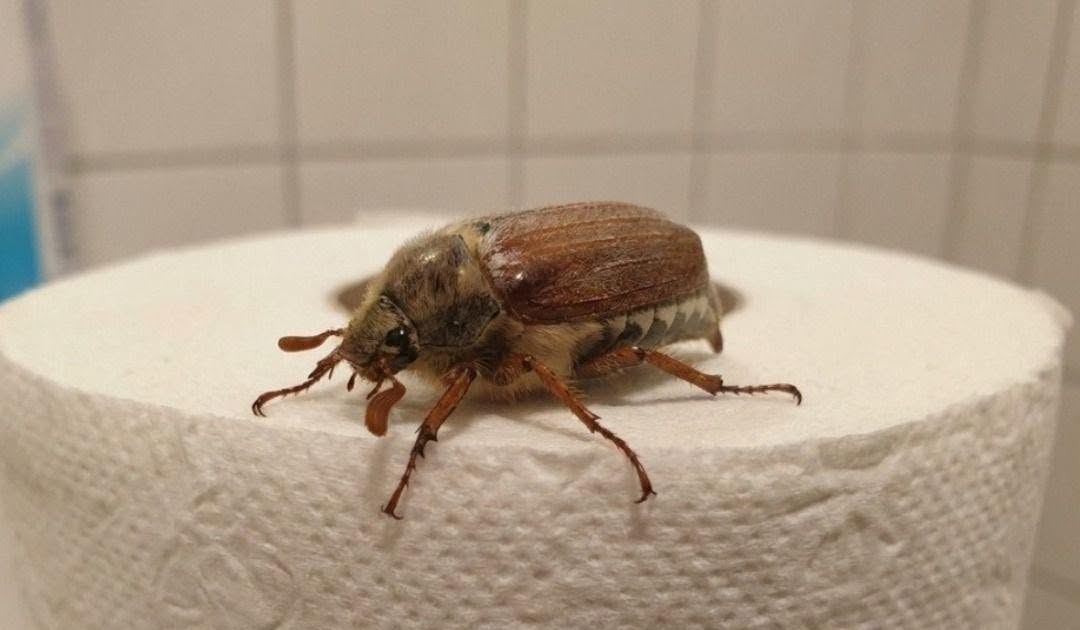

Don’t Panic—Start by Observing
Discovering an unfamiliar bug inside your home can be surprising, but the first step is simple: stay calm.
Most insects found indoors are harmless, and correctly identifying them before taking action can help you avoid unnecessary worry or treatments. Careful observation often provides enough clues to narrow down what you’ve found.
What to Look For
When trying to identify an unknown bug, pay attention to several key features.
Size
Estimate how large it is.
Is it tiny like a grain of rice, about the size of an apple seed, or much larger?
Color
Notice its overall color and any distinctive markings.
Some insects are solid black or brown, while others have stripes, spots, or metallic colors.
Shape
Look at the body’s overall shape.
Is it long and narrow, round, oval, or flattened?
Wings
Check whether it has wings.
If so, are they folded over its back or held upright?
Legs
Count the number of legs if possible.
Remember:
-
Insects have six legs.
-
Spiders have eight legs.
-
Centipedes and millipedes have many more.
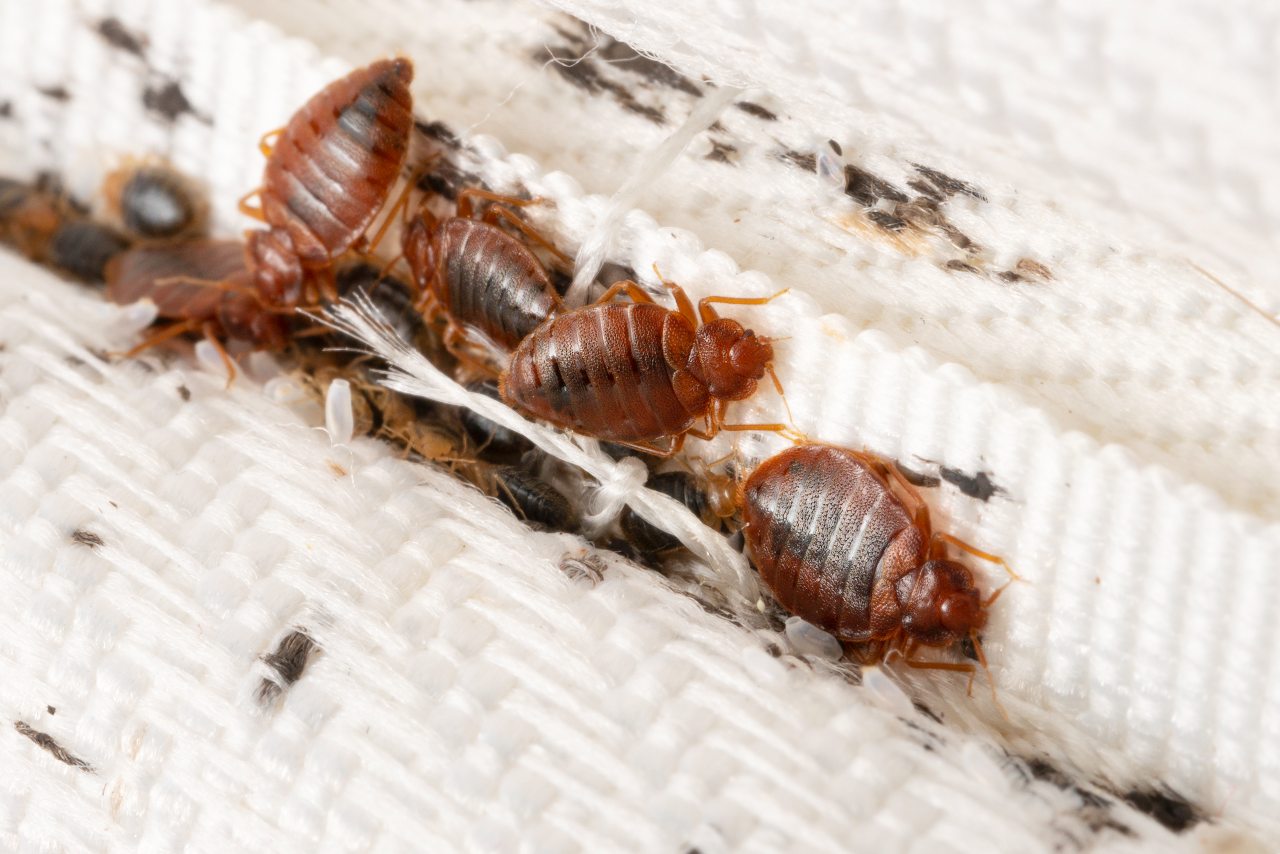
Movement
Observe how it moves.
Does it:
-
Crawl slowly?
-
Run very quickly?
-
Jump?
-
Fly?
Movement patterns can provide useful identification clues.
Location
Where did you find it?
Different insects prefer different environments, such as:
-
Kitchens.
-
Bathrooms.
-
Basements.
-
Bedrooms.
-
Houseplants.
-
Windowsills.
The location can often help narrow the possibilities.
How to Identify an Unknown Bug
If you’re unsure what you’ve found, several reliable resources can help.
Use a Field Guide
Printed insect field guides often include photographs and descriptions organized by appearance.
Explore Trusted Online Resources
Many universities, extension services, and natural history organizations provide free identification guides and photo databases.
Citizen science apps may also help compare your observation with verified records.
Ask an Expert
If identification remains difficult, consider contacting:
-
A local university extension office.
-
An entomologist.
-
A local natural history museum.
-
A licensed pest management professional.
Accurate identification is always more useful than guessing.
How to Handle an Unknown Bug
Until you know what it is, treat unfamiliar insects with reasonable caution.
If It Appears Harmless
If the insect poses no obvious problem, consider leaving it alone or gently moving it outdoors.
Many insects play beneficial roles in the environment.
If It Is a Household Pest
If the insect is known to damage food, fabrics, wood, or other household materials, appropriate pest management may be necessary.
Addressing the source of the problem is generally more effective than removing individual insects.
If You’re Unsure
Avoid direct handling.
Capture the insect safely for identification if possible.
Simple Ways to Remove a Bug
Several non-destructive methods work well for individual insects.
Cup and Paper Method
Place a clear cup over the insect.
Slide a stiff piece of paper underneath.
Carry the insect outside and release it.
Vacuum Cleaner
For insects in hard-to-reach places, a vacuum can remove them quickly.
Empty the vacuum afterward if necessary.
Preventing Bugs Indoors
Keeping insects out is often easier than dealing with them later.
Helpful prevention measures include:
-
Clean up food crumbs promptly.
-
Store food in sealed containers.
-
Repair leaking pipes.
-
Reduce excess moisture.
-
Seal cracks around windows and doors.
-
Install or repair window screens.
-
Remove standing water when possible.
These simple habits can reduce the likelihood of many common household pests.
Frequently Asked Questions
What bug did I find?
Identification depends on details such as size, color, shape, number of legs, location, and behavior.
Is it dangerous?
Most household insects are not dangerous to people, although some can bite, sting, or damage property.
Proper identification is the best way to assess any potential concern.
What should I do first?
Stay calm, observe carefully, and identify the insect before deciding how to respond.
When should I contact a pest control professional?
Consider professional assistance if you notice:
-
Large numbers of insects.
-
Repeated infestations.
-
Property damage.
-
Signs of termites, bed bugs, or other difficult-to-manage pests.
Reflection
Finding an unfamiliar bug indoors can be unsettling, but curiosity is often more helpful than fear. Taking a moment to observe its features, researching reliable information, and choosing an appropriate response can turn an anxious moment into a learning opportunity. The natural world is full of fascinating creatures, and sometimes the best first step is simply looking a little closer.
Sources
-
University of Kentucky Department of Entomology: https://entomology.ca.uky.edu
-
University of Minnesota Extension – Household Insects: https://extension.umn.edu
-
National Pest Management Association (NPMA): https://www.pestworld.org
-
Smithsonian Institution – Insect Resources: https://www.si.edu
-
Cornell University Cooperative Extension: https://cals.cornell.edu
