
How to Tell if Itching Behind the Ears Is Head Lice or Another Scalp Condition
Persistent itching behind the ears, at the hairline, or along the back of the neck can be distracting and uncomfortable. For many parents and caregivers, these symptoms immediately raise concerns about head lice. While head lice are a possible cause, itching alone cannot confirm an infestation. Dandruff, dry skin, eczema, contact dermatitis, and other common scalp conditions can create similar symptoms.
A careful scalp examination is the most reliable starting point. Understanding what lice, lice eggs, and common look-alikes actually look like can help people avoid unnecessary treatments, reduce anxiety, and choose the appropriate next step. Head lice are common, manageable, and not a reflection of cleanliness or personal hygiene.
What Are Head Lice?
Head lice are tiny, wingless insects that live close to the human scalp and feed on small amounts of blood. Their scientific name is Pediculus humanus capitis. They are different from body lice and pubic lice, which live in different areas and require different approaches to treatment.
Head lice most often affect children of preschool and elementary-school age because children are more likely to have prolonged head-to-head contact during play, sports, group activities, and close conversations. However, anyone can get head lice, including adults. When one person in a household has a confirmed infestation, close contacts may also need to be checked.
Importantly, head lice are not associated with poor hygiene, unclean homes, or socioeconomic status. Lice can live in clean or unwashed hair. They also do not transmit disease in the way some other pests can. The main concerns are itching, skin irritation, sleep disruption, and the possibility of a secondary skin infection if scratching damages the scalp.
Why Itching Often Occurs Behind the Ears and on the Neck
The areas behind the ears and around the nape of the neck are common places to look for head lice and nits. These spots tend to provide warmth and are close to the scalp, where lice need access to blood. A thorough examination should also include the crown of the head, the hairline, and the area above the ears.
Itching can happen when the immune system reacts to substances in louse saliva after bites. Some people develop noticeable itching quickly, while others may have little or no itching at first. According to public health guidance, a first infestation may not cause symptoms for several weeks. That is one reason why visible evidence of live lice is more meaningful than itchiness alone.
In addition to itching, some people may notice a tickling or crawling sensation, small red bumps, mild scalp irritation, or difficulty sleeping. Lice are more active in darkness, so itching may feel more noticeable at night. These symptoms are not unique to lice, however, and should be evaluated alongside a close visual check.
How to Identify an Active Head Lice Infestation
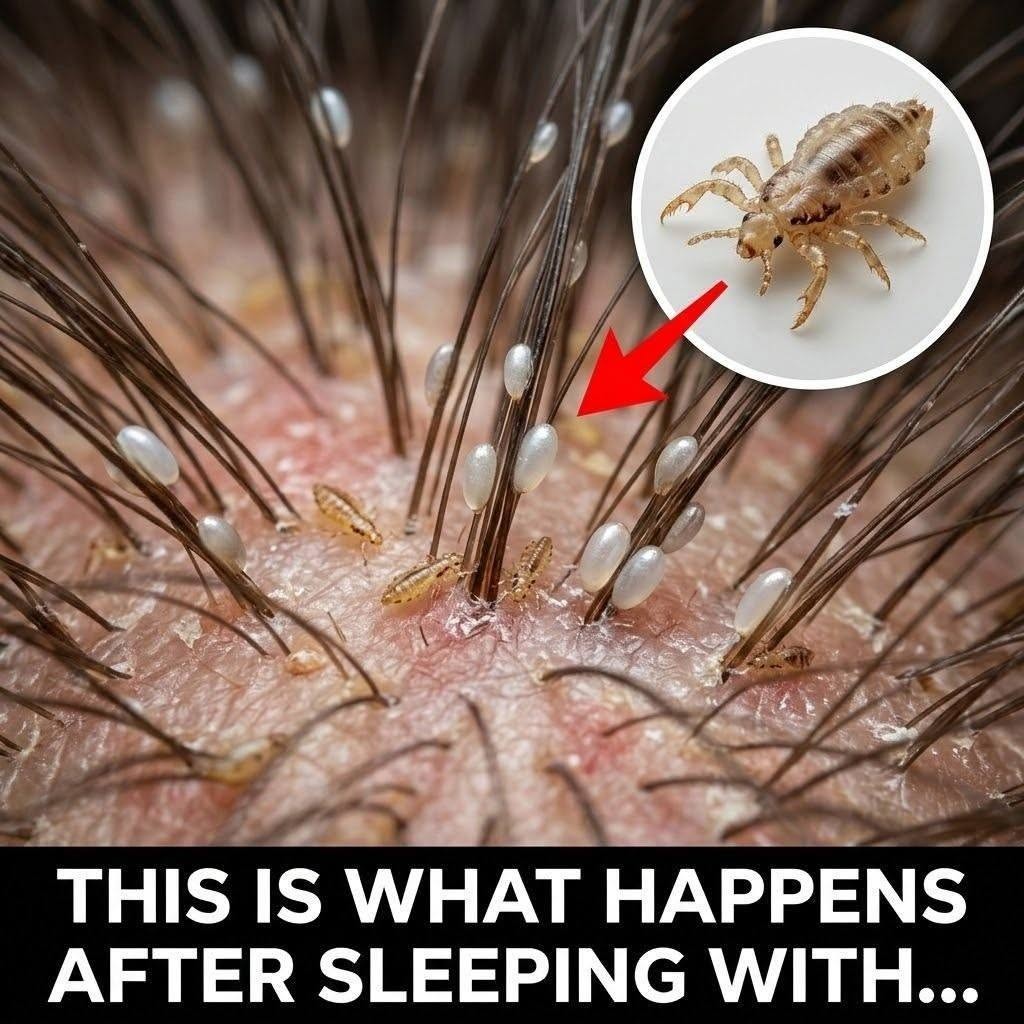
The strongest evidence of an active head lice infestation is finding a live, moving louse. Adult head lice are small, usually about the size of a sesame seed, though their appearance can vary based on age and hair color. They are often tan, grayish, brown, or darker after feeding. Because lice move quickly and avoid light, they can be difficult to spot by simply looking at dry hair.
Nymphs are immature lice. They are smaller than adults but also crawl and feed on the scalp. Finding a live adult louse or nymph generally confirms that active treatment is needed.
A fine-toothed lice comb is useful for detection. Comb small sections of damp hair from the scalp outward, especially behind the ears and at the nape of the neck. Wiping the comb on a white tissue or paper towel between passes may make it easier to see any insects removed. Good lighting, a magnifying glass, and another person to help inspect the scalp can improve accuracy.
What Are Nits and How Are They Different From Dandruff?
Lice eggs are known as nits. A female louse attaches each egg to an individual hair shaft using a glue-like substance. Nits are usually oval and may appear white, yellowish, tan, or brown depending on whether they are developing, hatched, or empty. They are often found very close to the scalp, where warmth helps the eggs develop.
A key feature of nits is that they are firmly attached to the hair shaft. They do not brush away easily with a finger or fall like loose flakes. By contrast, dandruff, lint, hair-product residue, and dry skin flakes can usually be moved or removed more easily. Hair casts, which are harmless tubular pieces of skin that can surround a hair strand, may also be mistaken for nits but often slide along the hair more readily.
Not every object that resembles a nit means there is an active case of lice. Empty egg casings can remain attached to hair after the eggs hatch or after successful treatment. As hair grows, these old casings move farther from the scalp. Finding nits alone, particularly those located well away from the scalp, does not always prove that live lice are present.
For this reason, health professionals commonly emphasize that detecting live crawling lice is the best way to diagnose an active infestation. If there is uncertainty, a pharmacist, clinician, school nurse, or experienced healthcare provider may be able to help identify what is present.
Other Common Causes of Itchy Scalp and Neck
Scalp itching can have many causes. Treating for lice when the underlying issue is eczema or an allergic reaction may delay proper care and expose the skin to products it does not need. Common alternatives include the following.
Dandruff and Seborrheic Dermatitis
Dandruff commonly causes loose white or yellowish flakes, mild itchiness, and sometimes oily or irritated skin. Seborrheic dermatitis is a related inflammatory condition that can affect the scalp, eyebrows, sides of the nose, and areas behind the ears. It may produce redness, scaling, and recurrent flaking. Medicated anti-dandruff shampoos may help some people, but persistent or severe symptoms should be assessed by a healthcare professional.
Dry Skin and Eczema
Dry skin can become more noticeable during cold weather, after frequent washing, or when harsh hair products are used. Eczema, also called atopic dermatitis, may lead to dry, sensitive, itchy patches that can crack or become inflamed. A history of eczema elsewhere on the body may offer a clue, but only a clinician can make an individual diagnosis.
Contact Dermatitis and Product Reactions
Hair dye, fragranced shampoo, conditioner, styling products, and certain cosmetics can irritate the skin or trigger an allergic reaction. Contact dermatitis can cause itching, redness, dryness, burning, or a rash around the scalp, ears, neck, and hairline. Symptoms that begin after introducing a new hair or skin product should be taken seriously. Stopping the suspected irritant and seeking professional advice may be appropriate, particularly if swelling or a widespread rash occurs.
Other Skin Conditions
Psoriasis, fungal scalp infections, and other dermatological conditions may also cause scaling and itching. These conditions require different treatments from head lice. A clinician should assess symptoms that are persistent, extensive, painful, or unclear.
How Head Lice Spread
Head lice do not fly or jump. They crawl. The primary route of spread is direct head-to-head contact with someone who has live lice. This may happen during play, sleepovers, selfies, sporting activities, or any situation in which heads are close together for an extended period.
Transmission through shared items such as brushes, hats, helmets, headphones, pillowcases, or hair accessories is possible but is considered less common. Lice are adapted to live on the human scalp and generally do not survive for long away from a person. Public health agencies therefore focus on close personal contact rather than intensive environmental cleaning.
Schools and childcare settings may notify families when cases are identified, but policies vary. Many health authorities advise against excluding children from school solely because of nits, especially when appropriate treatment has begun. This approach recognizes that head lice are common and that overly restrictive policies can create unnecessary stigma and disruption to education.
Evidence-Based Treatment for Confirmed Head Lice
When live lice are found, treatment should follow guidance from a pharmacist, clinician, or the product’s official instructions. Over-the-counter and prescription options are available in some countries. The choice may depend on a person’s age, medical history, allergies, pregnancy status, local availability, and whether lice in the community show resistance to certain products.
Many treatments are designed to kill live lice but may not destroy every egg. For that reason, a second application is often recommended after a specific number of days, depending on the product. It is important not to repeat treatment more often than directed. Using too much product or combining treatments without medical advice can irritate the scalp and may not improve results.
Wet combing with a fine-toothed lice comb can also help remove live lice and nits. This method requires patience and repeated sessions. Some families use combing alongside a recommended medication, while others may use it as a non-chemical approach when appropriate. The effectiveness of any method depends on careful technique and follow-up checks.
Do not use household insecticides, fuels, essential oils, or unapproved remedies on the scalp. These products may be ineffective, irritating, flammable, or unsafe, especially for children. A qualified healthcare professional can advise on safer options when standard treatments are unsuitable or have not worked.
Checking Household Members and Preventing Reinfestation
After confirming lice in one person, check close household members and others with frequent head-to-head contact. People should generally be treated when live lice are found rather than treated automatically just because they were exposed. Simultaneous treatment of everyone with confirmed live lice can help reduce repeated transmission within a household.
Recently used items that have been in contact with the head, such as pillowcases, bedding, hats, scarves, and clothing, can be washed according to their care labels. Brushes and combs can be cleaned by removing hairs and soaking them in hot water, following public health guidance. Items that cannot be washed may be set aside for a period recommended by local health authorities.
Extensive home disinfection is not necessary. Spraying insecticides on furniture, carpets, car seats, or bedding is generally discouraged because it adds unnecessary chemical exposure and does not address the main route of transmission. Throwing away personal belongings is also not needed. The focus should remain on finding and treating live lice on the scalp.
When to Seek Medical Advice
Contact a healthcare professional if you cannot determine whether the problem is lice, if over-the-counter treatment does not appear to work when used correctly, or if a child is very young and treatment options are uncertain. Professional guidance is also important for people who are pregnant, breastfeeding, have allergies, or have a chronic skin condition.
Seek medical attention if the scalp becomes painful, markedly swollen, warm, or increasingly red, or if there are sores with drainage, pus, or crusting. These changes can suggest a skin infection or another condition that needs medical assessment. Persistent itching after lice are gone can sometimes occur because the skin remains irritated, but ongoing symptoms still deserve evaluation if they do not improve.
Key Takeaways About Itching Behind the Ears
Itching behind the ears and along the neck can be a sign of head lice, but it is not enough to make the diagnosis by itself. Dandruff, dry skin, eczema, and reactions to hair products are all common alternatives. The most reliable sign of active head lice is finding a live crawling louse during a careful scalp examination.
If lice are confirmed, evidence-based treatment, close-contact checks, and sensible cleaning are usually enough to manage the problem. Head lice are common, treatable, and unrelated to personal cleanliness. Avoid panic, avoid harsh environmental pesticide use, and seek medical advice when the diagnosis is unclear or the scalp shows signs of infection.
Sources
Disclaimer: This content is intended for entertainment purposes only and is not based on real events.