
The vast expanse of the American West was once defined by the deep, resonant thrum of millions of hooves pressing into the prairie soil. For centuries, North American bison (Bison bison) moved across thousands of miles as the keystone species of the Great Plains, shaping grasslands, creating habitats for countless co-existing species, and serving as a sacred cultural cornerstone for Indigenous nations.
However, extensive nineteenth-century hunting and land conversion reduced these vast herds to fewer than a thousand individuals, leaving a lasting mark on North America’s ecological landscape. Today, as conservation initiatives and tribal restoration projects work to return bison to their historic range, states are forced to confront a modern legal puzzle: how to manage a massive, free-ranging wild animal traversing a landscape marked by highways, private ranches, and jurisdictional borders.
Myth, Archetypes, and Cultural Symbolism of the Great Plains Giant
Long before legal frameworks defined the species, the bison held a reverent place in the spiritual, cultural, and agricultural traditions of North America.
For dozens of Indigenous nations across the Plains—including the Lakota, Blackfeet, Cheyenne, and Ute—the bison was not merely game; it was a relative and a sacred provider. Oral traditions celebrated the bison as an embodiment of abundance, endurance, and selfless provision. Every part of the animal was honored, providing food, shelter, tools, and clothing without waste. In many tribal worldviews, human health and ecosystem vitality were directly tied to the presence of the herd.
In modern American culture, the bison stands as a powerful symbol of national heritage and wild spaces, officially designated as the National Mammal of the United States in 2016. Yet, as wild bison begin to re-establish historic migration corridors, state legislatures face the challenge of reconciling this symbolic reverence with practical legal classifications on working lands.
The Legal Turning Point: Colorado’s Dual Classification Framework
Colorado’s passage of the Protect Wild Bison Act (Senate Bill 25-053) addresses a long-standing legal gray area that frequently left wandering wild bison vulnerable to unmonitored taking.
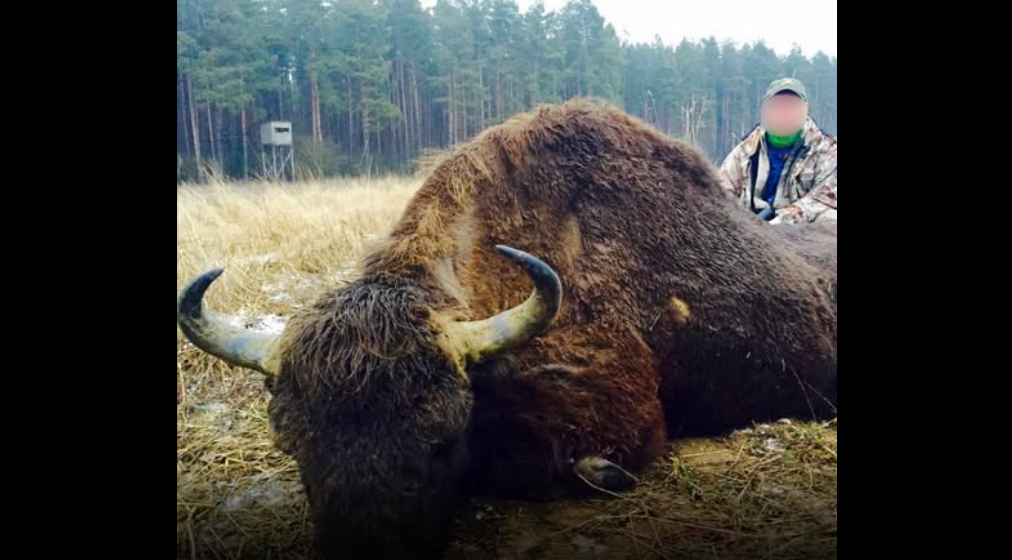
Historically, many states categorized bison exclusively as domestic livestock. Under that traditional classification, a free-roaming bison that naturally crossed state lines onto public or private land was not automatically protected by state wildlife management laws. In practice, unclassified animals could be removed, captured, or targeted without the oversight, bag limits, or permitting processes required for other native big-game species.
Colorado’s updated framework establishes a clear dual classification:
-
Privately Owned Livestock: Bison managed within fenced private ranches, commercial herds, or agricultural operations remain categorized as domestic livestock governed by state agricultural codes.
-
Big Game Wildlife: Free-roaming, wild bison that naturally cross into Colorado—such as individuals traveling from Utah’s Book Cliffs herd—are legally classified as big-game wildlife under the jurisdiction of Colorado Parks and Wildlife (CPW).
By granting wild bison big-game status, the law establishes strict legal protections. Unlawful taking, poaching, or unauthorized capture now carries severe misdemeanor fines, mandatory restitution assessments, and potential hunting license suspensions.
Ecological Significance: Why Free-Roaming Bison Matter
From a biological perspective, classifying bison as wildlife allows resource managers to incorporate the species into broader ecosystem restoration strategies.
Wildlife ecologists refer to bison as “ecosystem engineers” due to their unique physical habits and behavior patterns:
-
Rotational Grazing Dynamics: Unlike domestic cattle, which tend to linger near water sources, bison move constantly while grazing. Their preference for native grasses encourages plant diversity, allowing wild wildflowers and broadleaf plants to flourish.
-
Wallowing Behavior: Bison dust-bathe by rolling in dry soil, creating shallow depressions known as wallows. These depressions collect rainwater, forming seasonal micro-wetlands that sustain amphibians, insects, and grassland birds.
-
Nutrient Cycling and Seed Dispersal: Bison transport native plant seeds across vast distances in their dense fur, while their waste returns vital nitrogen and organic nutrients to the soil.
Managing free-roaming bison as wildlife allows state agencies to conduct aerial population surveys, evaluate habitat carrying capacity, and coordinate cross-border migration corridors alongside tribal nations and federal land managers.
Balancing Legal Protections with Landowner Concerns
While wildlife advocates celebrate expanded protections, effective conservation policy requires balancing wildlife recovery with the practical concerns of agricultural producers and private landowners.
Because bison are exceptionally large, powerful animals capable of damaging standard livestock fencing, state management plans include specific regulatory safeguards:
-
Controlled Management Licenses: Rather than establishing open, unrestricted hunting seasons, wildlife agencies utilize special management licenses issued on a case-by-case basis. These limited permits are used specifically to address localized game damage, disease prevention, or population management goals.
-
Landowner Mitigation Programs: Classifying bison as big-game wildlife provides state wildlife agencies with authority to assist private landowners with fence repairs or property damage mitigation through established game-damage programs.
-
Cross-Jurisdictional Coordination: Effective management involves close coordination between state agencies, neighboring states (such as Utah and Wyoming), federal agencies like the Bureau of Land Management, and sovereign Tribal nations that maintain native herds.
Reflection on Human Curiosity, Stewardship, and Public Policy
The debate over free-roaming bison protection touches upon a central question of modern conservation: how can human communities share landscapes with large, wild animals?
Exploring the evolution of wildlife law highlights our shifting relationship with the natural world. Transitioning from unregulated exploitation toward structured, science-based stewardship reflects a growing commitment to restoring ecological balance. As legislative frameworks adapt to accommodate returning species, communities across the West demonstrate that thoughtful policy can honor cultural history, support working landscapes, and ensure that wild animals retain their rightful place in North America’s natural heritage.
Sources and References
-
Colorado Parks and Wildlife (CPW). (2025). Senate Bill 25-053: Protect Wild Bison Implementation and Regulations. State of Colorado Natural Resources.
-
Colorado General Assembly. (2025). SB25-053: Protect Wild Bison Legislative Summary and Fiscal Analysis. Colorado Legislative Services.
-
Defenders of Wildlife. (2025). Bison Dual Listing and Cross-Jurisdictional Conservation Frameworks. Defenders Public Policy Series.
-
U.S. Department of the Interior. (2023). Bison Conservation Initiative: Restoring America’s National Mammal. DOI Technical Reports.
