
Fashion did not simply evolve through gentle shifts in aesthetic preference; it revolted through cultural ruptures, political struggles, and economic upheavals. What began over a century ago as a rigid regime of structured undergarments, restrictive tailoring, and social compliance has transformed into an expressive language of personal freedom, individual identity, and cultural rebellion.
In the early twentieth century, garments served primarily to discipline the physical form, signal socioeconomic status, and enforce strict norms of propriety. Today, personal identity dictates attire. Yet, the historical journey from structured corsetry to modern streetwear is far more complex, politically charged, and fascinating than conventional style histories often acknowledge.
1915: The Architectural Cage of Modern Respectability
At the turn of the twentieth century, women’s fashion functioned as an architectural structure designed to enforce societal expectations. The prevailing ideal of the 1910s—the dramatic “S-bend” silhouette—required heavy steel-boned corsets that artificially shifted the posture, compressing the torso to project an image of delicate elegance.
Clothing was not merely a matter of personal preference; it was an explicit signal of class, social standing, and compliance with established norms. Layers of heavy wool, elaborate petticoats, and restrictive necklines made physical exertion nearly impossible for affluent women, reinforcing a social structure that valued domestic grace over mobility.
Every garment demanded a complex negotiation with physical movement. Dressing was a lengthy process that required assistance, underscoring the wearer’s dependence on household domestic structures. The physical body was treated as raw material to be molded, contained, and displayed according to rigid community expectations.

The Great Disruption: War, Suffrage, and Physical Liberation
The outbreak of World War I, coupled with the rapid rise of the women’s suffrage movement, shattered the traditional foundations of fashion design. As millions of men entered military service, women entered the industrial workforce, transit systems, and agricultural sectors in unprecedented numbers. The physical demands of active labor rendered traditional, restrictive garments completely unviable.
Practical necessity dictated immediate sartorial reform:
-
Shortened Hemlines: Skirts rose above the ankle for the first time in centuries to facilitate safe movement around machinery and urban public transport.
-
Simplified Undergarments: Heavy boned corsets were rapidly abandoned in favor of lightweight, flexible brassieres and camisoles, liberating the natural waistline.
-
Utility Tailoring: Durable fabrics, functional pockets, and relaxed fits replaced decorative embellishments and delicate silks.
By the 1920s, the “Flapper” era ushered in a radical aesthetic departure. The iconic tubular silhouette flattened traditional curves, celebrated athletic freedom, and embraced bobbed hair. Clothing no longer sought to display physical restraint; instead, it championed youth, movement, and social autonomy.
1930s to 1940s: Glamour, Austerity, and the Politics of Fabric
The decades that followed demonstrated fashion’s unique ability to reflect global economic and geopolitical realities. The Great Depression of the 1930s brought a return to longer, more fluid lines, popularized by Madeline Vionnet’s revolutionary bias-cut technique. These garments draped naturally over the body, relying on clever pattern construction rather than internal boning to create elegant, flowing shapes.
With the advent of World War II, governments across the globe implemented strict fabric rationing orders. In the United Kingdom and the United States, utility clothing regulations governed everything from hemline heights and pocket numbers to lapel widths. Padded shoulders, utility suits, and knee-length pencil skirts emerged as the standard uniform of the home front, blending masculine tailoring with feminine practicality.
The Post-War Shock: Dior and the Counter-Revolution
In 1947, French designer Christian Dior unveiled his iconic debut collection, famously dubbed “The New Look” by press observers. Characterized by rounded shoulders, pinched waists, and sweeping skirts that utilized dozens of yards of luxurious fabric, the aesthetic served as a direct reaction against wartime austerity.
The collection sparked intense debate across international society:
-
The Argument for Display: Supporters celebrated the return of fantasy, romance, and uninhibited luxury after years of drab, rationed utility wear.
-
The Argument against Restriction: Critics, including rival designer Coco Chanel, argued that the design represented a regressive step backward, once again trapping women in restrictive padding and heavy underskirts.
This fundamental tension—between display and defense, fantasy and functionality, physical control and natural comfort—remains the central driving force in contemporary wardrobe design.
The Modern Wardrobe: From Subculture to Universal Language
The second half of the twentieth century saw the democratization of style. Fashion was no longer dictated exclusively by elite Parisian haute couture houses; instead, it was increasingly driven by youth subcultures, music movements, and civil rights activism.
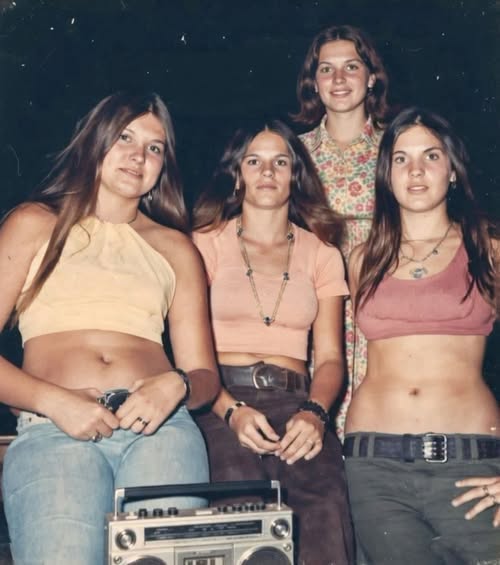
From the rebellious leather jackets of 1950s rock culture and the bold miniskirts of 1960s Carnaby Street to the anti-establishment denim of the 1970s and the casual athletic wear of the late twentieth century, clothing became a primary medium for self-determination.
In the contemporary era, the relationship between the body and the garment has been entirely inverted:
-
Individual Autonomy: Modern consumers mix athletic wear, tailored pieces, and vintage garments to construct unique personal narratives rather than adhering to rigid dress codes.
-
Inclusivity and Comfort: The widespread adoption of stretch textiles, oversized silhouettes, and gender-neutral collections reflects a cultural priority on physical well-being and personal expression.
-
Identity as Narrative: Clothing functions as an outward declaration of values, community belonging, and personal philosophy.
A Lasting Reflection on Fabric and Freedom
The history of modern clothing proves that what we wear is never neutral. Every shift in hemline, every removal of an internal support structure, and every adoption of casual attire represents a quiet social victory.
Our closets contain the physical legacy of a century-long dialogue between social expectations and individual autonomy. Understanding this journey allows us to appreciate that modern style is far more than a passing commercial trend—it is a living, breathing testament to the enduring human desire for self-expression, comfort, and personal freedom.
Sources
-
The Victoria and Albert Museum (V&A): Historical archives on textile history, twentieth-century fashion reform, and utility wear regulations.
-
The Costume Institute at The Metropolitan Museum of Art: Research collections detailing the evolution of corsetry, post-war haute couture, and modern fashion subcultures.
-
The Fashion Institute of Technology (FIT) History Gallery: Historical documentation on wartime fabric rationing, suffrage movement attire, and the social impact of modern design.
