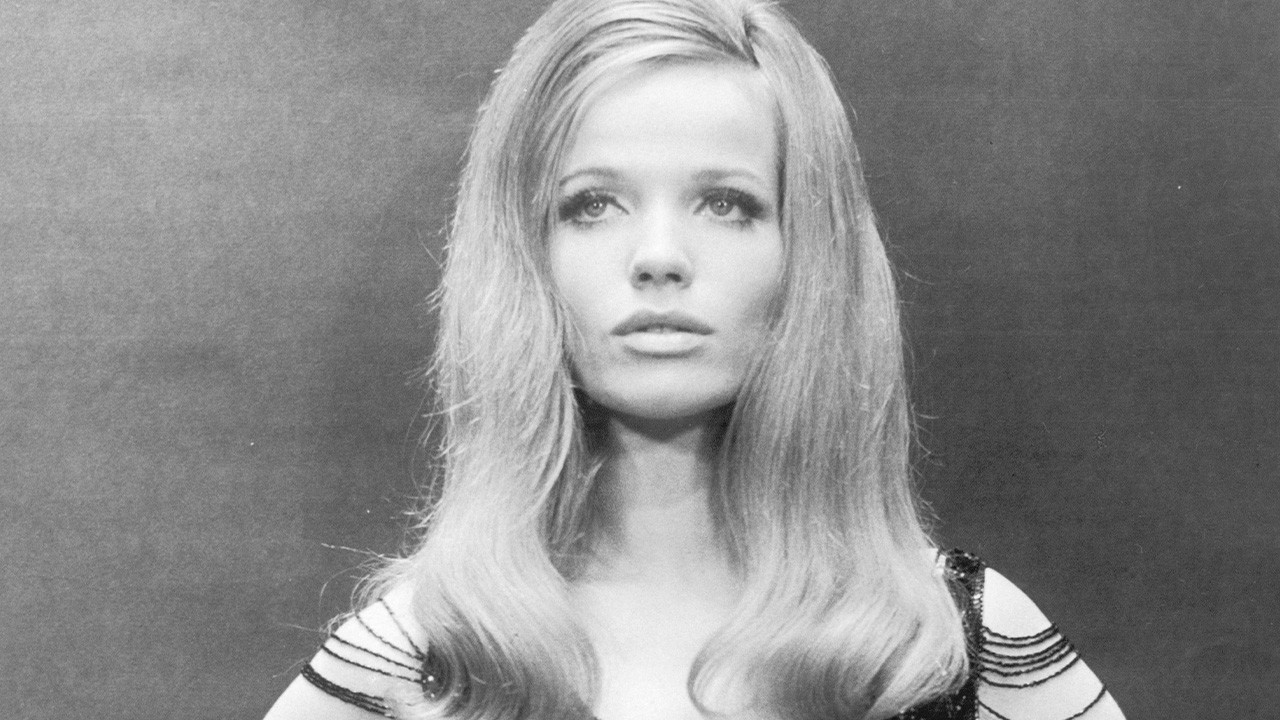

Veruschka, the world’s first supermodel, dies at 87
Veruschka, the German-born model, artist and actor whose striking images helped redefine fashion photography in the 1960s and 1970s, has died at the age of 87, according to reports in the German press. Known professionally by a single name, Veruschka became one of the era’s most recognisable fashion figures and was frequently described as one of the earliest international supermodels.
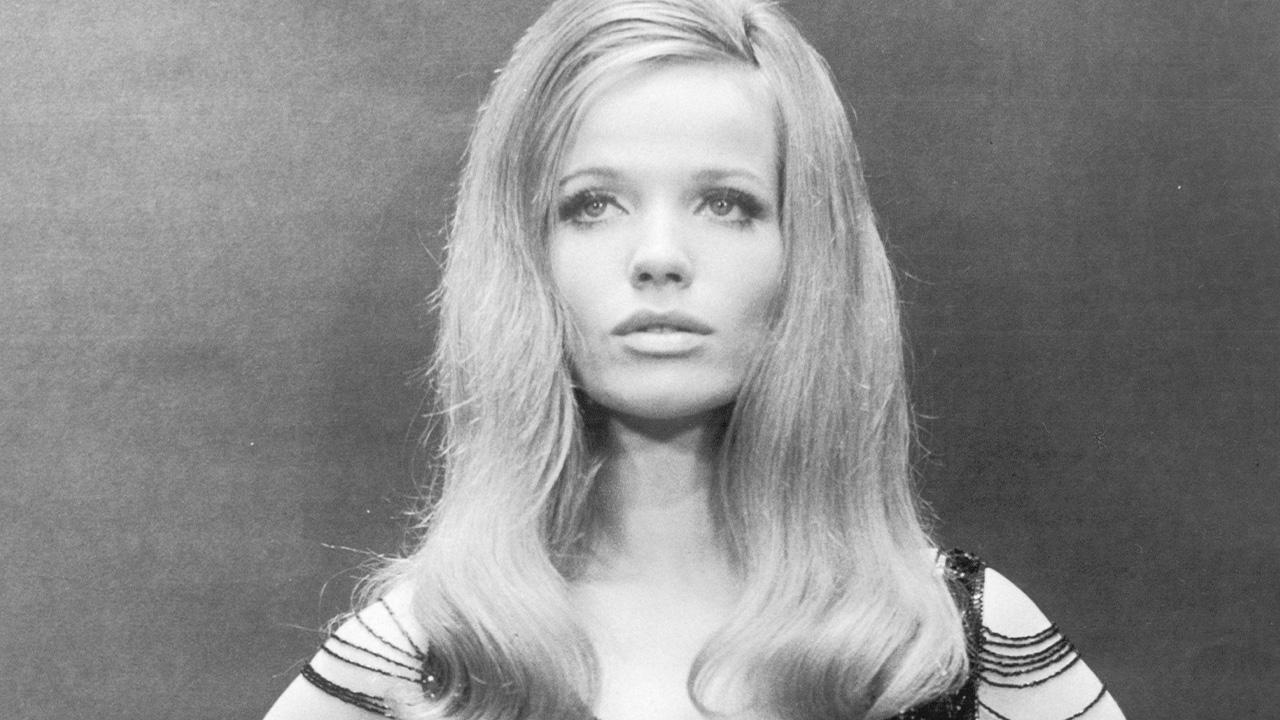
German newspaper BILD reported that Veruschka, whose full name was Vera Gräfin von Lehndorff, died in Berlin on November 24. The newspaper said a relative had confirmed her death and reported that she died at home with friends and family around her. No cause of death was publicly announced.
Her death marks the passing of a distinctive figure in post-war European culture. Veruschka was more than a successful fashion model: she used clothing, make-up, movement and photography to construct characters that often challenged conventional ideas about beauty, identity and glamour. Her work with leading photographers helped establish the model not simply as a person displaying garments, but as an active visual collaborator within an image.
Veruschka’s early life and family history
Vera Gräfin von Lehndorff was born on May 14, 1939, in what was then East Prussia. Her childhood was shaped by the upheaval of the Second World War and its aftermath. Her father, Heinrich Graf von Lehndorff-Steinort, was involved in German resistance circles opposed to Adolf Hitler and was executed by the Nazi regime in 1944 after the failed July 20 plot against Hitler.
The consequences for the family were severe. Under the Nazi policy of collective punishment known as Sippenhaft, relatives of alleged opponents of the regime could also face arrest or detention. Accounts of Veruschka’s life have described how she and her sisters were placed in an SS children’s home after their family was detained. Following the war, the family lost its home and lived with the instability experienced by many displaced Germans in the post-war period.
These early experiences became an important part of the public understanding of Veruschka’s life. In later decades, she was often portrayed as an artist and performer who had created a powerful public identity after a childhood marked by loss, displacement and political trauma. Her story also reflected a broader European history in which aristocratic families, civilians, resistance members and displaced communities were deeply affected by the war.
From art studies to international fashion
Before becoming internationally famous, Veruschka moved to Italy and studied art in Florence. There, she was noticed by photographer Ugo Mulas, whose work was closely connected to modern art, Italian cinema and the cultural energy of the 1960s. The meeting helped open the door to work in fashion, first in Europe and later in the United States.
She adopted the name Veruschka and developed a public image that was deliberately unusual. Her height, angular features and controlled, theatrical pose differentiated her from many models of the period. Rather than presenting a warm, approachable image, she often appeared remote, mysterious or sculptural. That quality made her especially well suited to the bold editorial photography emerging in major fashion magazines.
By the mid-1960s, Veruschka was working in Paris, New York and other fashion centres. She became particularly associated with Vogue, appearing on the cover of American Vogue numerous times during a decade in which fashion publishing was becoming increasingly international. Her images reached readers far beyond the traditional fashion industry and helped turn models into globally recognisable cultural personalities.
The term “supermodel” was not used in the same way during the early years of her career as it would be later. However, Veruschka was often described in retrospect as one of the first figures to achieve that level of visibility and influence. Her prominence came before the celebrity-model era associated with later generations, but she helped establish its foundations through international magazine exposure, advertising work and film appearances.
A new approach to fashion photography
Veruschka’s importance to fashion was closely tied to her willingness to treat modelling as performance. She did not regard herself solely as a person wearing designer clothing. Instead, she used fashion as part of a larger transformation, working with photographers to create images that could be futuristic, surreal, severe or almost abstract.
In interviews, she expressed discomfort with the idea of being reduced to a passive object. She said that fashion itself was not her main interest and described it as a medium through which she could change or reinvent herself. That approach became increasingly influential as fashion photography moved away from purely commercial presentation and toward narrative, conceptual and art-driven imagery.
Her work with photographer Franco Rubartelli is especially associated with this experimental period. The pair created visually ambitious images that played with camouflage, body paint, landscape and illusion. In some photographs, Veruschka’s body appears to merge with rocks, foliage, walls or painted surfaces. These images anticipated later conversations about the body in art, fashion and performance, while also demonstrating the technical skill required to create such effects before the widespread use of digital editing.
At the height of her fame, fashion reporting described Veruschka as among the highest-paid models in the world. Reports from the period frequently cited exceptionally high daily rates, illustrating how valuable major models had become to magazine publishers, designers and advertisers. Her success was also evidence of the expanding power of fashion media during the 1960s, when photography, youth culture, cinema and changing attitudes toward style increasingly overlapped.
Film work and artistic collaborations
Veruschka’s screen presence introduced her to audiences outside fashion. One of her most widely remembered appearances was in Michelangelo Antonioni’s 1966 film Blow-Up, a landmark drama set within London’s fashion and photography scene. Her brief but memorable role became part of the film’s lasting visual identity and reinforced her association with the artistic world surrounding 1960s fashion.
She later appeared in Veruschka, Poetry of a Woman, a 1971 film directed by Franco Rubartelli. The film explored her image and creative process, presenting her less as a conventional celebrity subject than as a collaborator involved in constructing visual art. Her later acting credits included The Image of Dorian Gray in the Yellow Press and The Bridge.
These projects reflected a continuing interest in performance and artistic reinvention. For Veruschka, the boundary between modelling, acting and visual art was often porous. A fashion image could become a character study; a photographic pose could become a cinematic performance; clothing and make-up could become tools for questioning how people are seen by others.
Why Veruschka’s influence endures
Veruschka’s legacy extends beyond individual photographs or magazine covers. She represented an important shift in how models could participate in the creation of fashion imagery. Her work suggested that a model could be a muse, performer, collaborator and image-maker at the same time.
That idea has remained relevant in contemporary fashion. Today, models frequently build careers across design, film, art, activism, writing and business. Social media has also given many models more direct control over how they present themselves. While the industry has changed dramatically since Veruschka’s peak, her insistence on transformation and creative authorship still feels modern.
Her influence can also be seen in the continuing popularity of editorial photography that uses dramatic staging, unusual body language and conceptual themes. Fashion photographers and stylists continue to draw on the visual language developed during the 1960s and 1970s: experimental silhouettes, sculptural poses, cinematic lighting and images that blur the distinction between commerce and art.
At the same time, her life story has drawn attention because it connects individual achievement with wider historical events. She emerged from a childhood deeply affected by Nazi persecution, war and displacement to become a globally known cultural figure. That contrast has remained central to accounts of her career and has contributed to the enduring public interest in her life.
Remembering a singular fashion icon
Tributes to Veruschka have focused on her originality, visual intelligence and lasting impact on the fashion world. She was not defined only by commercial success or celebrity attention. Her most enduring work came from an unusual capacity to make every photograph feel like a transformation, often leaving viewers unsure where the person ended and the artistic construction began.
For fashion historians, photographers and admirers of 20th-century visual culture, Veruschka remains a symbol of a period when fashion imagery became more experimental and ambitious. Her collaborations helped elevate the status of the fashion photograph, while her public persona showed that beauty could be enigmatic, unconventional and artistically expressive.
Her reported death at 87 has prompted reflection on a life that moved from wartime displacement to international fame, and from traditional modelling to creative experimentation. Veruschka’s images remain widely recognised because they did not simply capture the trends of their moment. They helped shape the possibilities of fashion itself.
Sources
Disclaimer: This content is intended for entertainment purposes only and is not based on real events.