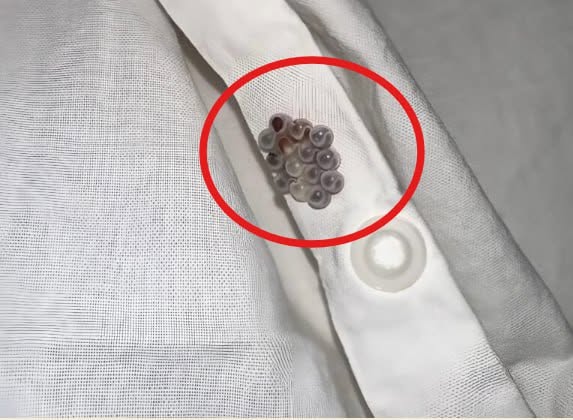

Waking up to discover small, unfamiliar shapes scattered across a freshly made bed can trigger an immediate wave of alarm. In the soft light of morning, tiny, pale, barrel-shaped objects arranged in a tight, orderly cluster look startlingly like a serious household infestation. For many homeowners who stumble upon these mysterious clusters on bedsheets, curtains, or window sills, initial worries often jump straight to blood-feeding pests like bed bugs.
However, close inspection and comparison often reveal a far less threatening, though still surprising, answer: stink bug eggs. Typically belonging to the brown marmorated stink bug (Halyomorpha halys), these tiny geometric clusters occasionally end up indoors when adult insects slip through window screens, open doors, or laundry dried outside. While finding insect eggs on your bedding is certainly unsettling, understanding why stink bugs enter homes and how to manage them safely brings immediate peace of mind.
Myth, Folklore, and Cultural Symbolism of Household Invertebrates
Throughout human history, unexpected encounters with insects inside the home have sparked a mix of folklore, superstition, and curiosity. In various regional traditions, indoor insects were viewed through the lens of domestic omens. In ancient Mediterranean cultures, small insects appearing near sleeping quarters were sometimes interpreted as signs of shifting seasons or warnings to inspect household grain supplies.
In modern culture, discovering insects in sleeping spaces evokes a strong psychological reaction. Sleep environments are associated with comfort, vulnerability, and personal sanctuary. When an unexpected outdoor insect wanders inside and leaves behind a cluster of eggs, it disrupts our sense of domestic control. Unraveling the biological realities behind these surprise visits helps replace anxiety with practical, calm solutions.
Scientific Perspectives: Stink Bug Reproduction and Indoor Straying
To understand how outdoor insect eggs end up on indoor fabrics, it is helpful to look at the life cycle and habits of the brown marmorated stink bug. Native to East Asia and now widely established across North America and Europe, this agricultural pest is well known for seeking shelter inside human structures during cooler months.
Entomologists highlight several key aspects of stink bug reproduction and behavior:
-
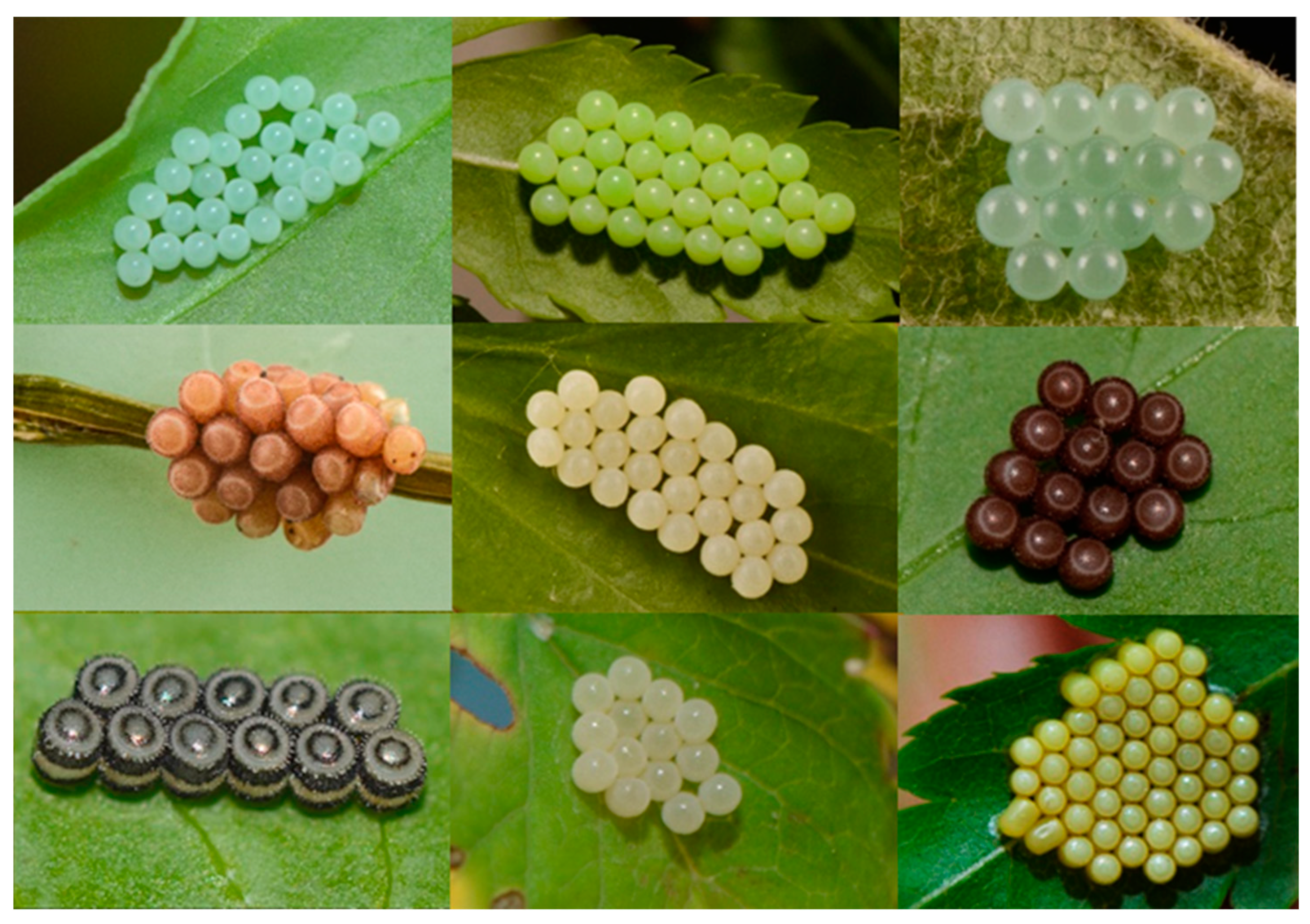
Distinct Egg Anatomy: Stink bug eggs are remarkably distinctive. Females deposit them in neat, side-by-side clusters of roughly 20 to 30 eggs. Each egg is tiny, pale green or translucent white, and shaped like a tiny barrel or cylinder with a distinct cap-like lid.
-
Accidental Indoor Oviposition: Stink bugs naturally prefer laying eggs on the undersides of broad plant leaves, where emerging nymphs can feed on plant sap. However, adult stink bugs that overwinter inside wall voids or window frames may emerge in late spring or early summer. Confused by indoor lighting, a female may occasionally lay her egg cluster on nearby textiles, such as curtains, laundry hanging on a line, or bedsheets.
-
Harmlessness to Humans and Fabrics: Unlike true structural pests or parasites, stink bugs do not bite people, transmit diseases, or consume natural bed fibers. They do not feed on blood or wood. Their presence indoors is purely accidental.
Distinguishing Stink Bug Eggs from Other Household Pests
When identifying mysterious shapes on household fabrics, distinguishing stink bug eggs from actual indoor pests is essential for choosing the right response:
-
Bed Bug Signs: Bed bugs do not lay neat, exposed geometric clusters on top of open bedsheets. Instead, they deposit tiny, sticky, oval white eggs in dark, hidden cracks, mattress seams, or headboards, accompanied by dark fecal spots.
-
Fleas and Carpet Beetles: Flea eggs are microscopic, smooth, and fall loosely into pet bedding, while carpet beetle larvae leave behind shed skins and chew irregular holes in natural wool or cotton fabrics.
-
Stink Bug Egg Clusters: Arranged in a rigid, honeycomb-like grid, stink bug eggs adhere firmly to surfaces in a single, neat patch without causing any physical damage to the fabric itself.
Practical Steps for Safe Removal and Indoor Prevention
If you discover a cluster of stink bug eggs on your bedding or curtains, resolving the situation requires only a few simple, non-chemical steps:
-
Gentle Mechanical Removal: Use a piece of stiff paper or a damp paper towel to gently scrape the egg cluster off the fabric. Alternatively, wrap a strip of packing tape around your fingers and press it firmly over the cluster to lift all the eggs off cleanly.
-
Launder Bedding: Wash the affected bedsheets or pillowcases in hot water and dry them on medium heat to thoroughly sanitize the fabric.
-
Seal Entry Points: Inspect nearby window screens for small tears, check for gaps around window frames, and ensure weather stripping under exterior doors is intact to prevent future adult insects from wandering inside.
-
Avoid Crushing Adults: If you spot an adult stink bug, gently capture it with a tissue or vacuum it up. Avoid crushing the insect directly, as its scent glands release a pungent odor when compressed.
Reflection on Human Curiosity, Home Sanctuary, and Nature
Finding an unexpected trace of nature on your bedsheets offers a brief, surprising moment of reflection on how closely our homes connect with the surrounding environment. While an initial reaction of shock is completely natural, learning that the mystery objects are harmless plant-eaters brings immediate relief.
By approaching unexpected household discoveries with scientific curiosity rather than panic, we can handle minor outdoor visitors calmly and effectively. Keeping our homes sealed while understanding the habits of local wildlife ensures that our living spaces remain safe, clean, and peaceful sanctuaries.
Sources and References
-
United States Department of Agriculture (USDA) ARS. (2023). Brown Marmorated Stink Bug Biology and Household Overwintering Habits. USDA Agricultural Research Service.
-
Penn State Extension. (2022). Stink Bug Identification, Egg Morphology, and Home Control Protocols. Pennsylvania State University College of Agricultural Sciences.
-
Journal of Integrated Pest Management. (2021). Seasonal Movements and Indoor Behavior of Invasive Pentatomids. Entomological Society of America.
