
For generations, the Amazon Rainforest has inspired stories of hidden cities, forgotten civilizations, and mysterious technologies buried beneath thick layers of jungle. Travelers once described endless green landscapes so vast and impenetrable that entire worlds could disappear inside them without a trace.
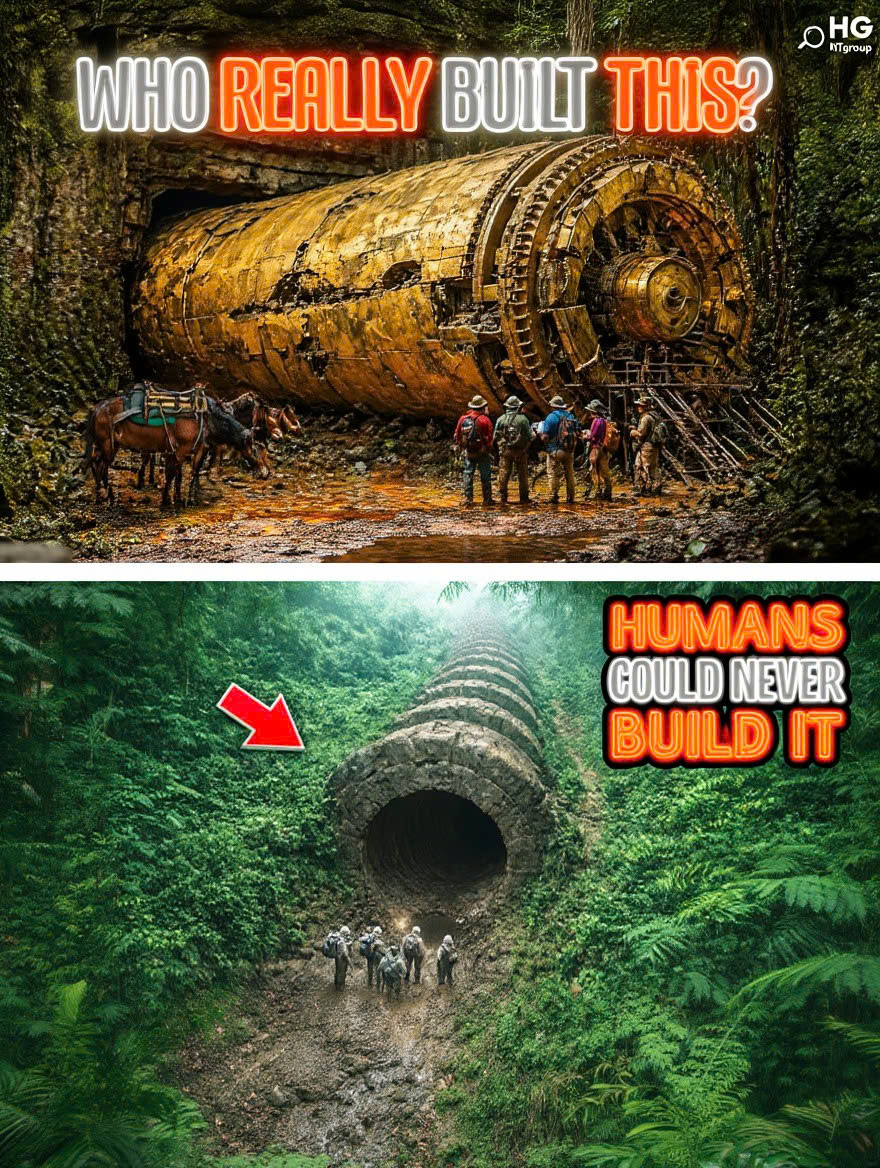
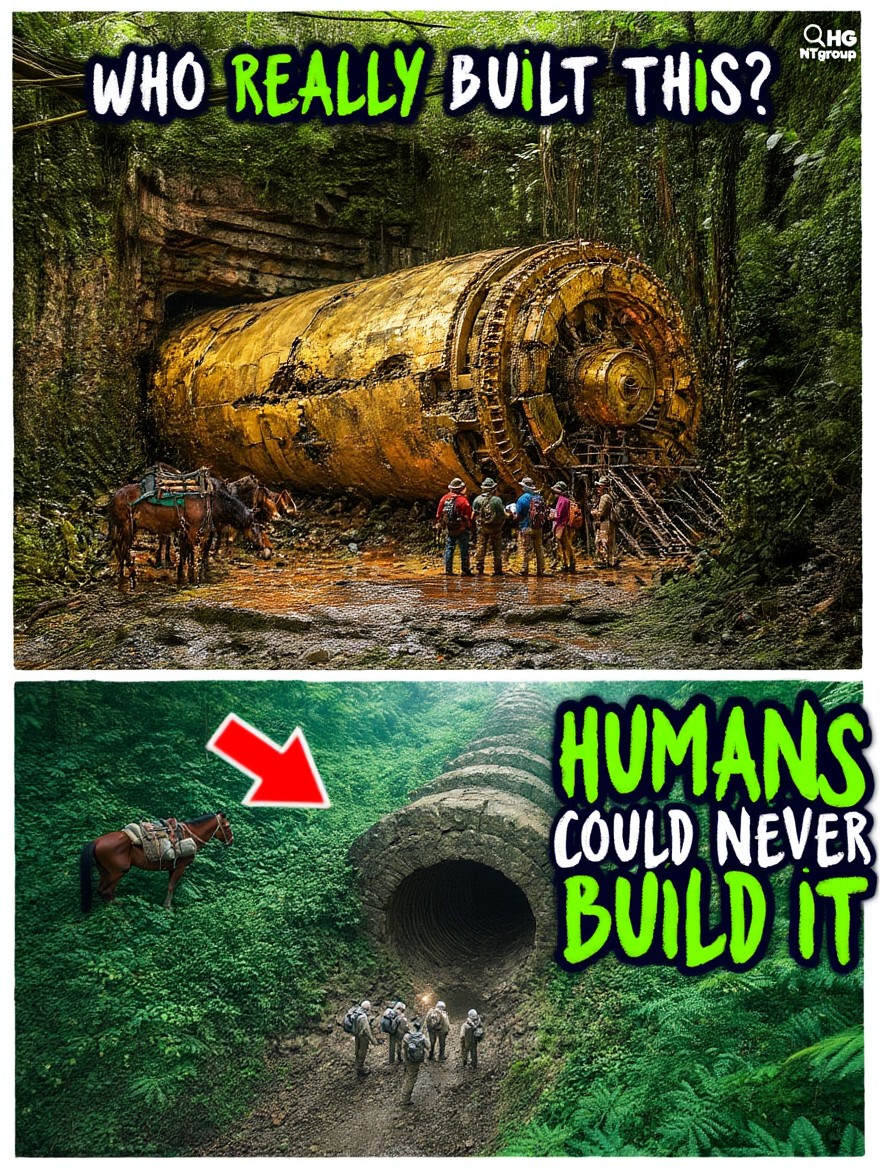
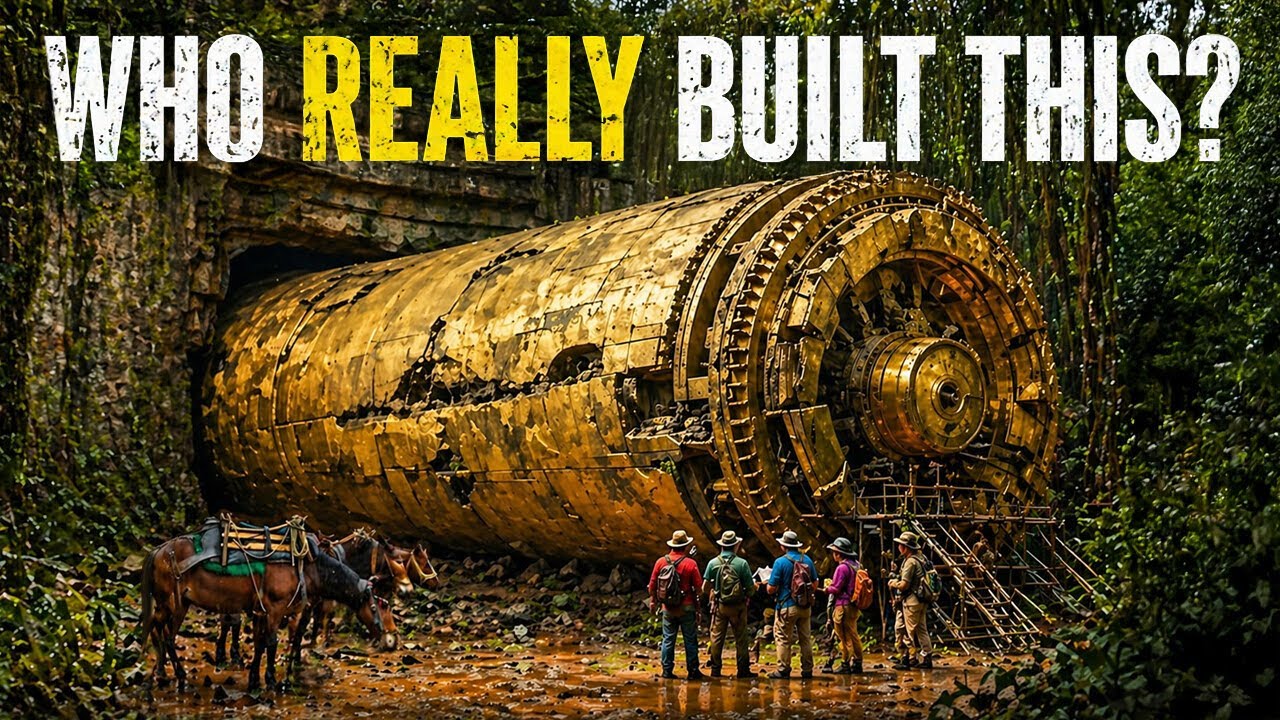
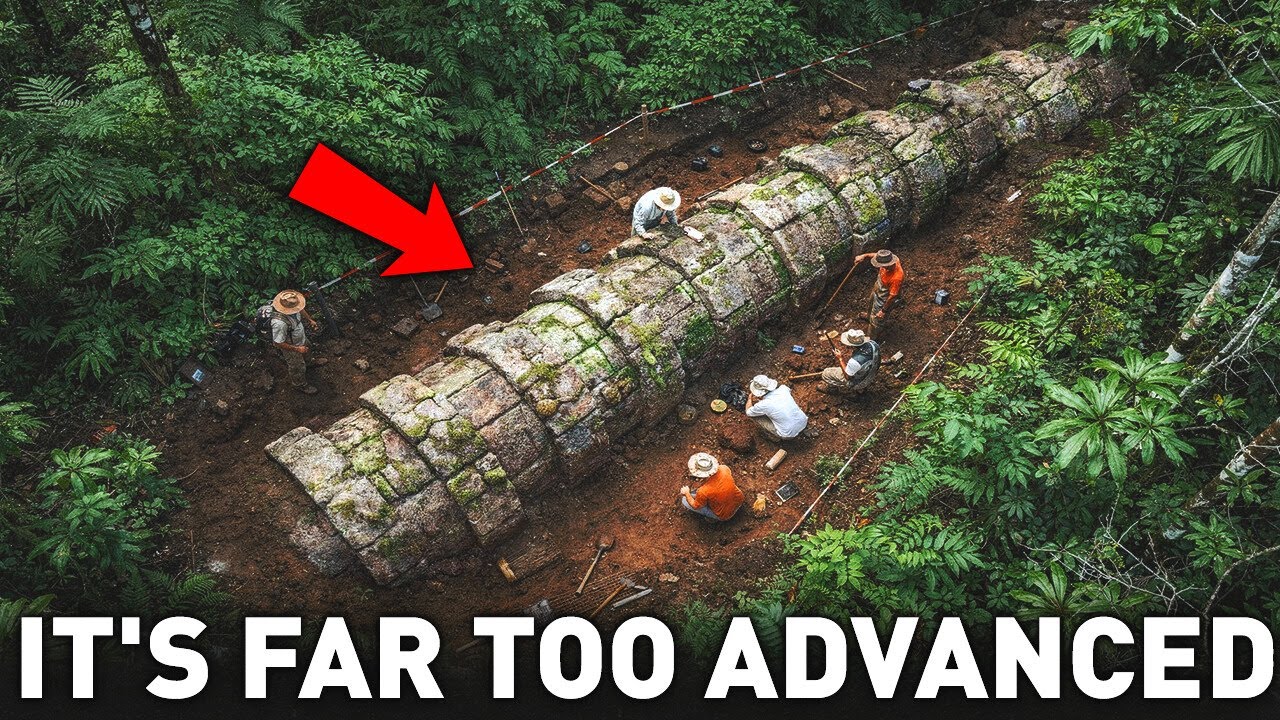
In recent years, dramatic online claims have reignited global fascination with the idea that ancient Amazonian societies may have possessed “lost technology” far beyond what historians once believed possible. Viral images, speculative videos, and sensational headlines often suggest that hidden structures discovered beneath the forest canopy are evidence of mysterious machines, advanced engineering systems, or even connections to legendary civilizations.
Yet the real story emerging from scientific research may be even more fascinating.
Archaeologists working across the Amazon have uncovered remarkable evidence showing that ancient communities built sophisticated settlements, engineered landscapes, and interconnected societies long before modern technology existed. Rather than proving mythical super-civilizations, these discoveries reveal something equally powerful: human ingenuity adapted to one of the most challenging environments on Earth.
The growing research surrounding ancient Amazonian cultures is transforming the way historians understand the rainforest and the people who once called it home.
Why the Amazon Continues to Inspire Mystery
The Amazon has always occupied a unique place in human imagination. Stretching across multiple South American countries and covering millions of square kilometers, the rainforest feels almost limitless. Dense vegetation hides much of the ground from view, making exploration difficult even with modern tools.
This isolation has naturally fueled myths and speculation for centuries.
Stories of hidden cities and forgotten cultures date back to early European explorers who reported hearing Indigenous legends about wealthy settlements deep in the jungle. Over time, these stories evolved into tales of “lost worlds” hidden beneath the trees.
Modern social media has amplified these ideas dramatically. Images of geometric formations, ancient earthworks, and overgrown ruins often circulate online alongside claims about advanced prehistoric technology. Some theories connect the Amazon to Atlantis-like civilizations or suggest ancient societies possessed knowledge far beyond what historians currently recognize.
However, scientists emphasize that extraordinary claims require strong evidence.
So far, no verified archaeological discovery has confirmed the existence of futuristic machinery, impossible engineering, or unknown ancient technologies in the Amazon. What researchers have discovered, though, is already reshaping our understanding of ancient human civilization.
The Real Discoveries Beneath the Rainforest
Over the past two decades, advances in archaeological technology have allowed scientists to explore parts of the Amazon in ways never before possible.
One of the most important tools is lidar scanning, a remote-sensing technology that uses laser pulses to map landscapes beneath dense vegetation. By stripping away the visual interference of trees and foliage, researchers can identify structures hidden underground or concealed by centuries of forest growth.
The results have been astonishing.
Across parts of Brazil, Bolivia, Ecuador, and other Amazonian regions, archaeologists have uncovered evidence of:
Large ceremonial centers
Extensive road systems
Geometric earthworks
Raised agricultural platforms
Water management systems
Connected settlements spanning wide regions
These findings suggest that some ancient Amazonian societies were far more organized and populous than earlier researchers believed.
For many years, historians assumed the rainforest could only support small, scattered communities due to poor soil conditions and difficult environmental challenges. But the new evidence paints a more complex picture.
Researchers now believe some groups developed sustainable farming systems specifically adapted to rainforest conditions. They engineered landscapes carefully, creating fertile soil and managing water resources to support larger populations.
Instead of isolated villages surviving at the edge of nature, parts of the Amazon may once have supported thriving regional networks shaped through sophisticated environmental knowledge.
The Meaning Behind “Lost Technology”
The phrase “lost technology” often creates misleading impressions.
When many people hear the term, they imagine advanced machines, futuristic devices, or mysterious technologies far beyond ancient capabilities. Yet in archaeology, technological sophistication does not require modern electronics or science-fiction concepts.
Ancient societies frequently developed highly advanced methods using the tools and materials available to them.
In the Amazon, the real technological achievement may have been ecological engineering.
Some Indigenous groups appear to have transformed difficult rainforest terrain into productive agricultural landscapes through careful land management. Archaeologists have studied “terra preta,” or dark earth, a fertile human-created soil enriched over generations using charcoal, organic waste, and controlled ecological practices.
This soil remains remarkably fertile even today.
Researchers believe these techniques allowed ancient communities to maintain sustainable agriculture in environments previously considered unsuitable for large-scale settlement.
In this sense, the “technology” was knowledge itself: understanding ecosystems, water flow, soil improvement, and long-term environmental balance.
That accomplishment may be more impressive than many fictional stories suggest.
Why Myths Continue to Spread
Even with scientific explanations available, mysterious interpretations remain extremely popular online.
Part of this fascination comes from human psychology. People are naturally drawn to mystery, hidden knowledge, and the possibility that history still contains dramatic secrets waiting to be uncovered.
When images of unusual earthworks or ancient ruins appear without full context, imagination often fills the gaps.
Psychologists explain that humans frequently seek patterns and narratives that make the world feel meaningful or exciting. Ancient mysteries especially capture attention because they combine history, adventure, and the unknown.
Social media algorithms also tend to amplify emotionally charged or sensational content. A headline suggesting “hidden super-technology” often spreads faster than a careful archaeological explanation discussing settlement patterns and agricultural systems.
However, many researchers warn that exaggerated claims can unintentionally overshadow the genuine accomplishments of Indigenous cultures.
By attributing ancient achievements to mythical lost civilizations or mysterious outside forces, people may overlook the intelligence, creativity, and engineering abilities of the societies that actually built these systems.
Ancient Amazonian Societies and Environmental Wisdom
One of the most important lessons emerging from Amazon archaeology is how deeply ancient societies understood their environment.
Rather than attempting to dominate nature, many communities appear to have worked alongside rainforest ecosystems in sustainable ways. Their settlements often integrated agriculture, forestry, water management, and transportation into interconnected systems designed for long-term survival.
Some researchers now believe the Amazon itself was partially shaped by human activity over thousands of years.
Certain tree species common in modern forests may have been intentionally cultivated or encouraged by ancient populations. In this way, the rainforest may represent not only a natural ecosystem but also a cultural landscape influenced by generations of human stewardship.
This perspective challenges older assumptions that ancient rainforest societies were simple or environmentally limited.
Instead, they may have possessed highly specialized ecological knowledge developed through centuries of observation and adaptation.
The Role of Modern Technology in Revealing the Past
Ironically, modern technology is now helping uncover the achievements of ancient societies once hidden beneath the jungle.
Lidar mapping, satellite imaging, drone surveys, and digital analysis tools are allowing archaeologists to identify structures invisible from the ground. Entire settlement networks have emerged through these methods, revealing organized patterns previously impossible to detect.
As more regions are studied, researchers believe many additional discoveries still remain hidden beneath the forest canopy.
The Amazon continues to hold enormous archaeological potential. Each new discovery helps scientists better understand migration patterns, trade systems, cultural development, and environmental adaptation across South America.
Importantly, researchers stress that this work should involve collaboration with Indigenous communities whose ancestors may be connected to these ancient landscapes.
Many Indigenous groups still preserve valuable environmental knowledge and oral traditions that contribute meaningfully to scientific understanding.
Balancing Wonder With Evidence
The fascination surrounding Amazonian mysteries reflects something deeply human.
People want to believe the world still contains hidden wonders. Ancient civilizations remind us that history is far more complex than many textbooks once suggested, and every new discovery opens fresh possibilities for understanding humanity’s past.
At the same time, responsible exploration requires balance.
Scientific investigation depends on evidence, careful analysis, and peer-reviewed research. While myths and speculation can inspire curiosity, they should not replace verified archaeological findings.
The real discoveries emerging from the Amazon are already extraordinary without the need for fictional embellishment.
Ancient communities engineered landscapes, built interconnected settlements, developed sustainable agricultural systems, and adapted creatively to one of Earth’s most demanding environments. Those accomplishments reflect innovation, intelligence, and resilience on a remarkable scale.
A Reflection on Human Curiosity
The enduring fascination with “lost technology” in the Amazon reveals more than curiosity about the past. It reflects humanity’s ongoing desire to uncover hidden stories and reconnect with forgotten chapters of civilization.
Perhaps the greatest surprise is not that ancient people possessed mysterious powers, but that they achieved so much using knowledge rooted in observation, cooperation, and environmental understanding.
As researchers continue exploring beneath the rainforest canopy, the Amazon reminds us that history is rarely simple. Entire civilizations can fade from memory, hidden beneath forests for centuries, waiting patiently to be rediscovered.
And sometimes, the truth uncovered by science proves just as awe-inspiring as the myths that first inspired us to search.
