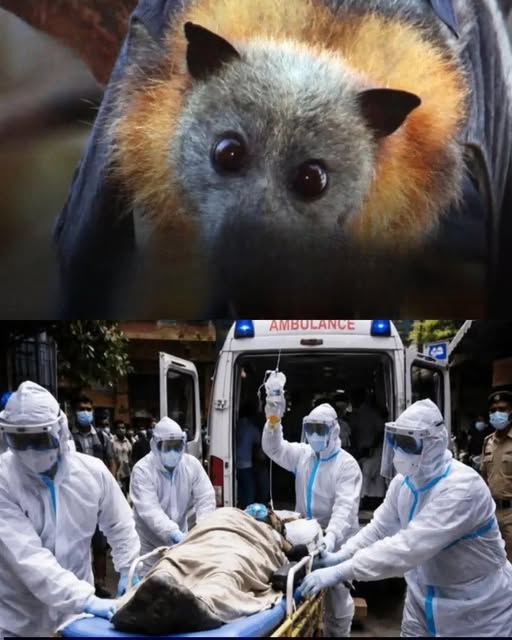

Health-related headlines often trigger strong emotional reactions, especially when they include phrases such as “world alert” or warnings that humanity may be in danger. Recently, an online article claimed that new cases of the Nipah Virus Infection in India had sparked fears of a wider outbreak after healthcare workers reportedly became infected while treating a patient in West Bengal.
The article described emergency containment measures, medical surveillance, and growing online concern. While infectious disease outbreaks should always be taken seriously, dramatic headlines can sometimes amplify fear beyond the available facts.
Understanding what the Nipah virus actually is — and how public health systems respond to it — can help people stay informed without falling into panic or misinformation.
What Is the Nipah Virus?
Nipah Virus Infection is a rare viral illness first identified in the late 1990s in Malaysia. It belongs to a group of viruses that can spread between animals and humans, often referred to as zoonotic diseases.
Researchers believe fruit bats are the natural hosts of the virus. In some outbreaks, transmission has occurred through contaminated food sources or close contact with infected animals and humans.
Symptoms may vary widely between individuals. Some people experience mild respiratory or flu-like symptoms, while more serious cases can involve inflammation affecting the nervous system or breathing complications.
Because the virus can become severe in certain situations and there is currently no universally approved targeted treatment, health authorities monitor outbreaks very carefully.

Why Health Officials Respond Quickly
One reason outbreaks involving Nipah virus attract attention is its potential seriousness in localized settings. Public health agencies typically act rapidly when suspected cases appear in order to prevent further spread.
The article described several response measures reportedly taken by authorities in West Bengal, including:
Contact tracing
Testing of exposed individuals
Medical monitoring
Quarantine protocols
Hospital surveillance
These actions are standard public health tools used worldwide whenever infectious diseases with outbreak potential are detected.
Rapid containment is important because early intervention can significantly reduce the likelihood of wider transmission.
The Difference Between Concern and Panic
The language used in some online articles can sometimes blur the line between reasonable concern and unnecessary alarm.
Phrases such as “humanity is in danger” may attract clicks and emotional reactions, but health experts usually encourage calm, evidence-based responses instead of fear-driven conclusions.
At present, Nipah virus outbreaks have historically remained limited and localized rather than becoming global crises. Public health systems in affected regions often contain outbreaks through isolation measures, contact tracing, and infection-control protocols.
This does not mean the virus should be ignored. Rather, it highlights the importance of balanced understanding.
How Misinformation Spreads During Health Scares
Disease outbreaks frequently become fertile ground for misinformation online.
When people feel uncertain or frightened, rumors can spread rapidly across social media. Incomplete reports, exaggerated claims, and emotionally charged headlines often travel faster than verified information.
The article itself warned readers against misinformation, which reflects an important reality in modern public health communication.
Health organizations such as the World Health Organization consistently advise people to rely on trusted medical sources rather than viral rumors or sensational claims.
Experts note that misinformation during outbreaks can create unnecessary panic, stigma, and confusion that may interfere with effective public health responses.
Why Healthcare Workers Face Higher Risks
The article mentioned that healthcare workers were reportedly among those infected. During infectious disease outbreaks, medical professionals often face elevated exposure risks because they care directly for patients before illnesses are fully identified.
This pattern has appeared in many past outbreaks worldwide.
Hospitals and medical facilities therefore rely heavily on infection-control procedures such as:
Protective equipment
Isolation protocols
Sanitation practices
Rapid testing systems
Training for outbreak response
Healthcare workers play a critical role during public health emergencies, and their safety is an important part of outbreak containment.

The Role of Surveillance and Preparedness
Modern disease monitoring systems are far more advanced than many people realize.
Countries around the world now work closely with international health organizations to detect unusual outbreaks early. Surveillance networks monitor clusters of unexplained illnesses, laboratory reports, and hospital admissions to identify potential risks quickly.
The article referenced calls for intensified surveillance and preparedness measures. These actions are common public health strategies designed to reduce uncertainty and strengthen response capacity.
Preparedness does not necessarily mean a global emergency is imminent. In many cases, it simply reflects caution and responsible planning.
Why Zoonotic Diseases Receive Special Attention
Diseases that originate in animals receive significant scientific attention because they have historically caused important outbreaks throughout human history.
Viruses that cross between species are closely studied by epidemiologists because environmental changes, urbanization, and global travel can affect transmission patterns.
The Nipah virus belongs to this broader category of zoonotic diseases. Researchers continue studying how such viruses emerge and how outbreaks can be contained effectively.
Scientific research in this area has expanded significantly in recent decades, leading to improved outbreak detection and response systems worldwide.
Public Fear and Psychological Reactions
Health scares often trigger strong emotional responses because infectious diseases involve uncertainty and invisible risk.
Psychologists explain that people tend to fear threats they cannot easily see or control. Dramatic headlines and social media discussions can intensify this emotional reaction, especially when information is incomplete.
The article described growing fear online, which reflects how quickly anxiety can spread digitally alongside the outbreak itself.
Experts encourage focusing on verified updates, practical precautions, and trusted health guidance rather than constantly consuming alarming content online.
What Experts Usually Recommend
During localized outbreaks of infectious diseases, health authorities generally recommend several practical steps:
Follow updates from official public health organizations
Avoid spreading unverified rumors online
Practice good hygiene habits
Seek medical advice if symptoms appear after known exposure
Remain calm while staying informed
Balanced awareness is more effective than panic.
The Importance of Responsible Reporting
Media coverage plays a major role in shaping public perception during outbreaks.
Responsible reporting helps audiences understand actual risks without exaggeration. Sensational framing, by contrast, can increase fear and confusion even when situations remain localized and controlled.
The article mixed factual public health themes with highly dramatic wording. This combination is increasingly common in online media environments where emotional headlines often drive engagement.
Readers benefit most when information is presented with context, scientific accuracy, and clear distinctions between confirmed facts and speculation.

Conclusion
The recent online discussion surrounding Nipah Virus Infection in India highlights both the importance of public health preparedness and the powerful role of digital media in shaping emotional reactions.
While outbreaks involving serious infectious diseases deserve careful monitoring, dramatic headlines can sometimes create fear that exceeds the available evidence. Public health systems are designed to respond quickly through surveillance, testing, isolation measures, and medical coordination precisely to prevent wider spread.
History shows that calm, informed responses are far more effective than panic. Science, communication, and international cooperation remain essential tools in managing emerging health concerns.
Human beings naturally react strongly to uncertainty, especially when health and safety are involved. Yet accurate information, responsible reporting, and public trust in medical expertise remain some of the strongest protections during moments of concern.
