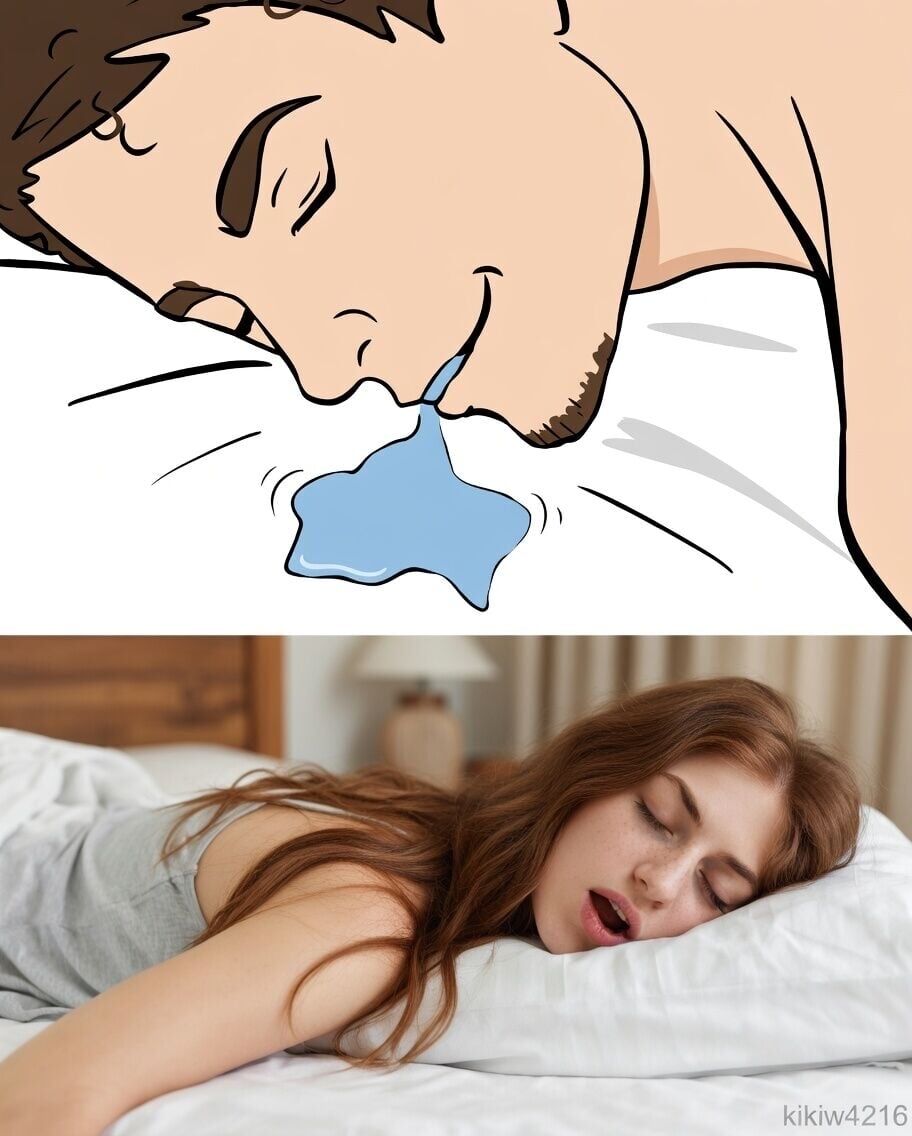

It’s one of those quiet, slightly awkward experiences many people rarely talk about. You wake up, notice a damp pillow, and wonder what happened while you were asleep.
Drooling during sleep might seem insignificant, but it can actually offer subtle clues about how your body functions at night. In most cases, it’s completely harmless. In others, it can point to underlying patterns worth paying attention to.
Understanding why it happens is less about worry and more about awareness.

What Is Drooling During Sleep?
Medically, nighttime drooling is sometimes referred to as hypersalivation during sleep. Your body produces saliva continuously to help digestion, protect your teeth, and maintain oral health.
During the day, you swallow naturally without thinking. But when you sleep, especially in deeper stages, your swallowing reflex slows down. At the same time, facial muscles relax, making it easier for saliva to escape if your mouth is slightly open.
This combination explains why drooling is often noticed after a deep, restful night.
The Science of Sleep and Saliva
Sleep cycles include different stages, from light sleep to deep sleep and REM. In deeper stages, your muscles relax more fully. That includes the muscles around your jaw and mouth.
When muscle tone decreases and swallowing slows, saliva can collect and follow gravity. This is especially true if you sleep on your side or stomach.
In this sense, occasional drooling can actually be a sign that your body reached a restorative phase of sleep.
Common and Harmless Causes
Sleep Position
Your sleeping position plays a major role. Side and stomach sleepers are more likely to drool because gravity pulls saliva outward.
Back sleeping, on the other hand, allows saliva to flow toward the throat, where it can be swallowed more easily.
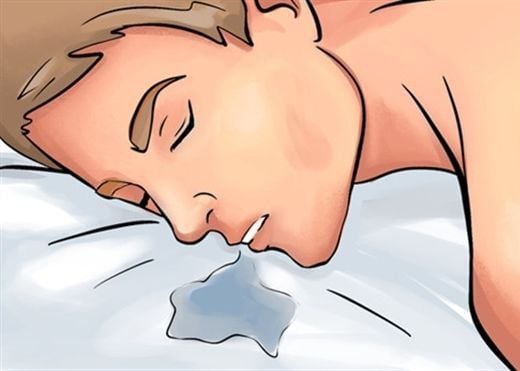
Nasal Congestion and Allergies
Blocked nasal passages from allergies or a cold can force you to breathe through your mouth. When your mouth stays open, drooling becomes more likely.
Diet and Evening Habits
Heavy meals, spicy foods, caffeine, or alcohol before bedtime can influence saliva production and digestion, indirectly contributing to drooling.
Oral Health Factors
Minor gum irritation or dental issues can increase saliva production as your body tries to protect your mouth.
When Drooling May Signal Something More
While most cases are harmless, persistent or excessive drooling can sometimes reflect deeper health patterns.
Sleep Apnea and Breathing Patterns
One of the more important conditions linked to drooling is Obstructive Sleep Apnea.
This condition involves repeated interruptions in breathing during sleep. To compensate, the body may shift to mouth breathing, which increases the chance of drooling.
Other signs may include:
Loud snoring
Morning fatigue
Dry mouth upon waking
If these symptoms appear together, it may be worth exploring further with a professional.
Digestive Factors
Conditions like Gastroesophageal Reflux Disease can also play a role.
When acid moves upward from the stomach, the body may produce more saliva as a protective response. At night, this excess saliva can accumulate more easily.
Sinus and Respiratory Issues
Chronic sinus congestion or post-nasal drip can both block nasal airflow and stimulate saliva production, creating a perfect setup for drooling.
Less Common but Important Causes
In some cases, drooling may be linked to neurological or medication-related factors.
Neurological Conditions
Conditions such as Parkinson’s Disease can affect muscle control and swallowing coordination, leading to increased drooling.
This is usually accompanied by other symptoms like movement changes or muscle stiffness.
Medication Side Effects
Certain medications can either increase saliva production or affect muscle tone, indirectly contributing to nighttime drooling.
If drooling begins after starting a new medication, it may be helpful to review it with a healthcare provider.
Simple Ways to Reduce Drooling
Adjust Your Sleep Position
Try sleeping on your back with proper neck support. This helps saliva flow naturally and reduces leakage.
Improve Nasal Breathing
Use saline rinses or maintain a clean sleep environment to reduce allergens. Clear nasal passages encourage closed-mouth breathing.
Watch Evening Habits
Avoid heavy meals and strong stimulants close to bedtime. Give your body time to settle before sleep.
Elevate Your Head Slightly
A slightly elevated head position can help reduce both drooling and reflux-related issues.
When to Seek Professional Advice
Occasional drooling is normal. But certain patterns may deserve attention:
Sudden increase in drooling
Difficulty swallowing
Frequent nighttime awakenings
Persistent fatigue despite sleep
These signs don’t automatically indicate a serious issue, but they are worth discussing with a medical professional for clarity.
A Broader Look at Body Signals
Your body communicates in subtle ways. Drooling during sleep is one of those signals that often goes unnoticed or dismissed.
Rather than viewing it as an inconvenience, it can be seen as feedback. It may reflect how you sleep, how you breathe, and how your body processes daily habits.
A Reflection on Human Curiosity
It’s fascinating how something as simple as a damp pillow can open the door to understanding deeper biological processes.
Human curiosity often begins with small questions. Why does this happen? What does it mean?
By paying attention to these details, we learn not only about our bodies, but also about the importance of listening to them.
Sometimes, the smallest signals carry the most meaningful insights.
Sources
Mayo Clinic. “Sleep Apnea: Symptoms and Causes.”
Cleveland Clinic. “Drooling (Sialorrhea): Causes and Treatments.”
National Institutes of Health. “Saliva and Oral Health.”
Sleep Foundation. “Why Do People Drool in Their Sleep?”
American Academy of Sleep Medicine. “Sleep and Breathing Disorders.”
