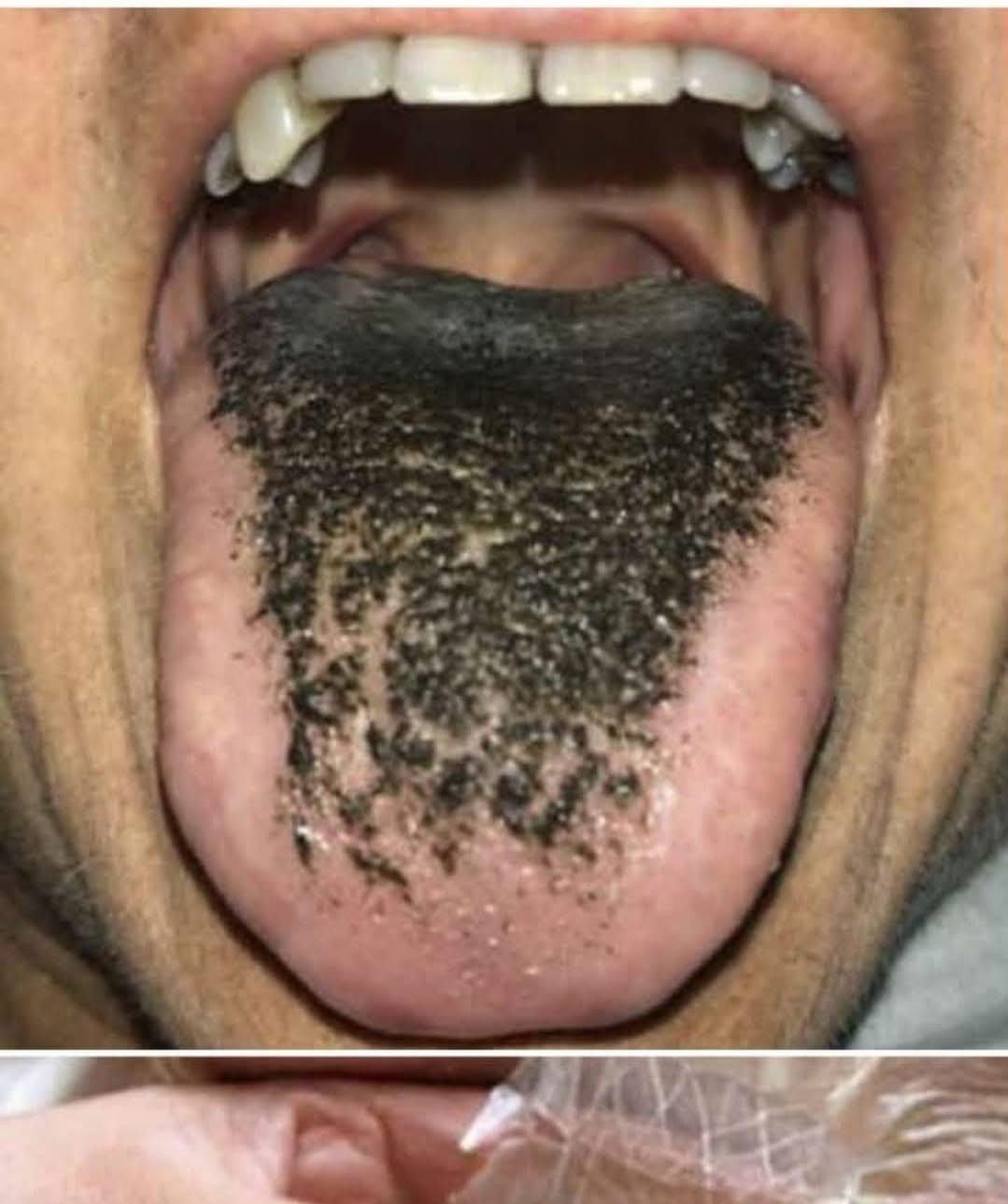

Imagine looking in the mirror one morning and noticing something unusual on your tongue. Instead of its normal pink appearance, the surface appears dark, fuzzy, or even covered with what looks like tiny hairs. For many people, such a sight can be alarming and may immediately trigger concerns about serious illness.
Fortunately, healthcare professionals explain that this condition is often far less threatening than it appears. Commonly known as black hairy tongue, it is usually a temporary and manageable oral health condition rather than a dangerous disease.
Despite its dramatic appearance, black hairy tongue is typically linked to everyday habits, oral hygiene practices, and lifestyle factors. Understanding what causes it, how it develops, and what can be done to treat it can help reduce unnecessary worry and encourage better oral health habits.
What Is Black Hairy Tongue?
Black hairy tongue is a benign oral condition characterized by a dark discoloration and a fuzzy or hair-like appearance on the surface of the tongue.
The condition occurs when tiny structures on the tongue called filiform papillae become elongated rather than shedding normally. These papillae are small projections that help create the tongue’s textured surface.
Under normal circumstances, papillae regularly wear down through eating, drinking, and normal oral activity. When this natural shedding process is disrupted, the papillae can grow longer than usual.
As they lengthen, they may trap:
Food particles
Dead skin cells
Bacteria
Yeast
Other debris
The trapped material can cause discoloration ranging from black and brown to yellow, green, or even white, depending on the substances involved.
Why Does the Tongue Look Hairy?
One of the most confusing aspects of black hairy tongue is its name.
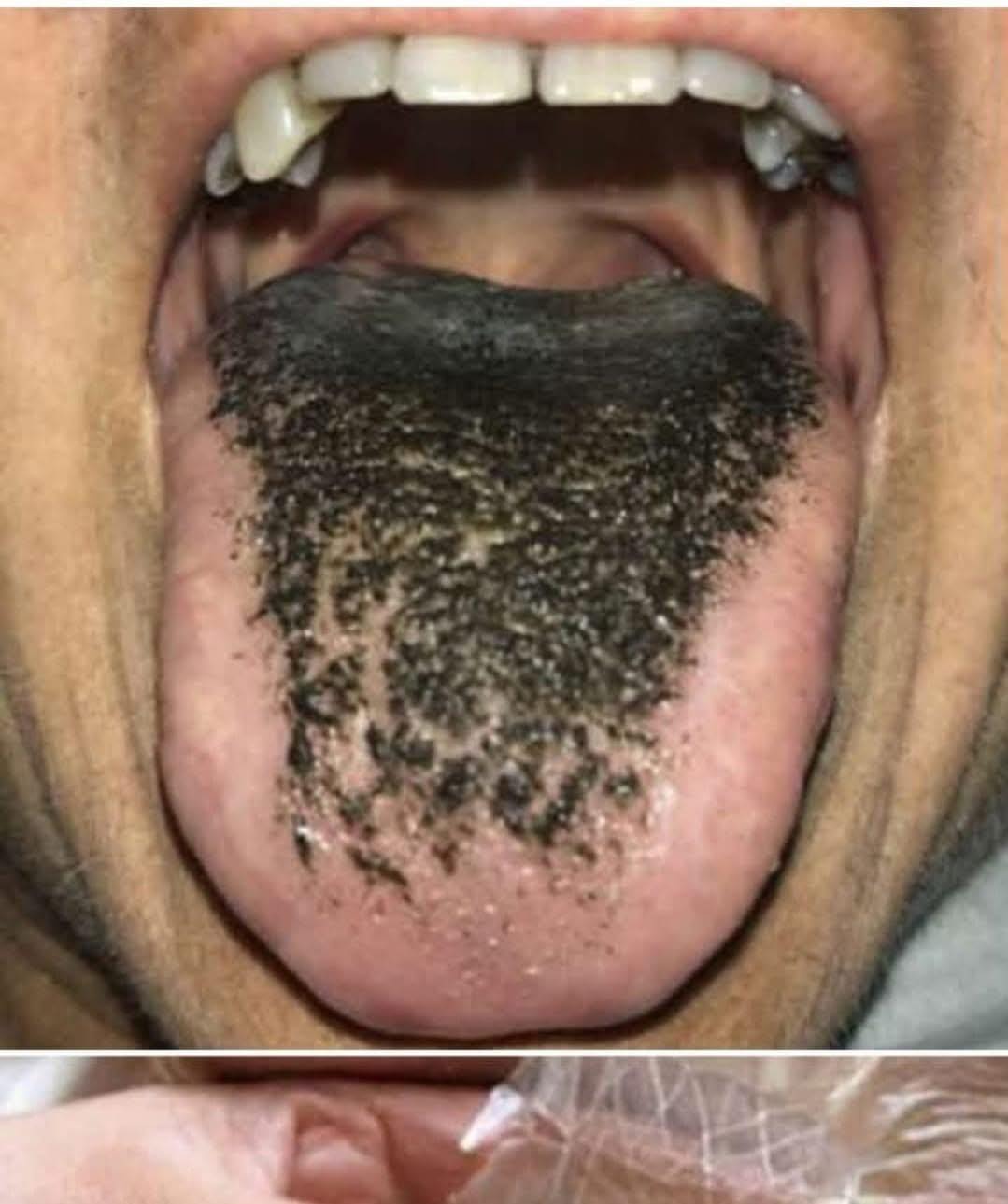
Despite the appearance, the tongue is not actually growing hair.
The “hair-like” effect comes from elongated papillae that become much longer than normal. When viewed closely, these projections resemble tiny strands or fibers extending from the tongue’s surface.
The discoloration occurs because pigments, bacteria, and debris accumulate within these structures.
This combination of lengthened papillae and trapped material creates the characteristic appearance associated with the condition.
Common Causes of Black Hairy Tongue
Medical experts have identified several factors that may contribute to the development of black hairy tongue.
Poor Oral Hygiene
Inadequate brushing and oral care can allow bacteria and debris to accumulate on the tongue.
When oral hygiene routines do not include cleaning the tongue, papillae may be more likely to retain material that contributes to discoloration.
Tobacco Use
Smoking and other tobacco products are among the most frequently reported risk factors.
Tobacco contains substances that can stain oral tissues and contribute to changes in the tongue’s appearance.
Additionally, smoking may affect the normal shedding process of papillae.
Excessive Coffee or Tea Consumption
Dark-colored beverages such as coffee and tea can contribute to staining.
Frequent consumption may increase the likelihood of discoloration when combined with elongated papillae.
Certain Medications
Some medications, particularly certain antibiotics, can alter the natural balance of bacteria within the mouth.
These changes may create conditions that encourage the development of black hairy tongue.
Other medications associated with dry mouth may also contribute indirectly.
Dry Mouth and Dehydration
Saliva plays an important role in maintaining oral health.
It helps wash away bacteria, food particles, and dead cells that would otherwise accumulate on oral surfaces.
When saliva production decreases, the tongue may become more susceptible to buildup and discoloration.
Symptoms Beyond the Appearance
Although many people notice the visual changes first, black hairy tongue may sometimes produce additional symptoms.
These can include:
Unusual taste sensations
Bad breath
A tickling feeling on the tongue
Mild discomfort
A sensation of fullness in the mouth
However, many individuals experience no symptoms beyond the altered appearance.
In most cases, the condition does not interfere significantly with eating, speaking, or daily activities.
Is Black Hairy Tongue Dangerous?
One of the most reassuring facts about black hairy tongue is that it is generally considered harmless.
Healthcare professionals classify it as a benign condition.
It is not typically associated with serious disease and is usually not contagious.
While its appearance can be startling, it rarely causes significant health complications.
That said, any persistent changes in the mouth should be evaluated by a healthcare professional or dentist to ensure an accurate diagnosis.
Several other oral conditions can cause discoloration or changes in tongue appearance, making professional evaluation important when symptoms persist.
How Doctors Diagnose the Condition
Diagnosis is usually straightforward.
A dentist or healthcare provider can often identify black hairy tongue through a simple visual examination.
During the evaluation, they may ask questions about:
Oral hygiene habits
Smoking history
Dietary habits
Medication use
Recent illnesses
Symptoms such as dry mouth
In most cases, additional testing is unnecessary unless another condition is suspected.
The distinctive appearance of elongated papillae often allows clinicians to recognize the condition quickly.
Treatment and Management
The good news is that black hairy tongue often improves with simple lifestyle adjustments and oral care measures.
Improve Oral Hygiene
Regular brushing and flossing are essential.
Many dental professionals also recommend gently brushing the tongue or using a tongue scraper to help remove accumulated debris.
Stay Hydrated
Drinking adequate amounts of water supports saliva production and helps maintain a healthy oral environment.
Hydration can reduce the accumulation of bacteria and particles that contribute to discoloration.
Reduce Tobacco Use
Individuals who smoke may benefit from reducing or eliminating tobacco use.
This change can improve overall oral health while addressing one of the most common contributing factors.
Review Medications
If a medication appears to be contributing to the condition, healthcare providers may discuss potential alternatives when appropriate.
Patients should never stop prescribed medications without consulting a healthcare professional.
Moderate Staining Beverages
Reducing excessive consumption of coffee, tea, and similar beverages may help minimize discoloration.
Combining these changes with improved oral hygiene often produces positive results.
The Importance of Tongue Health
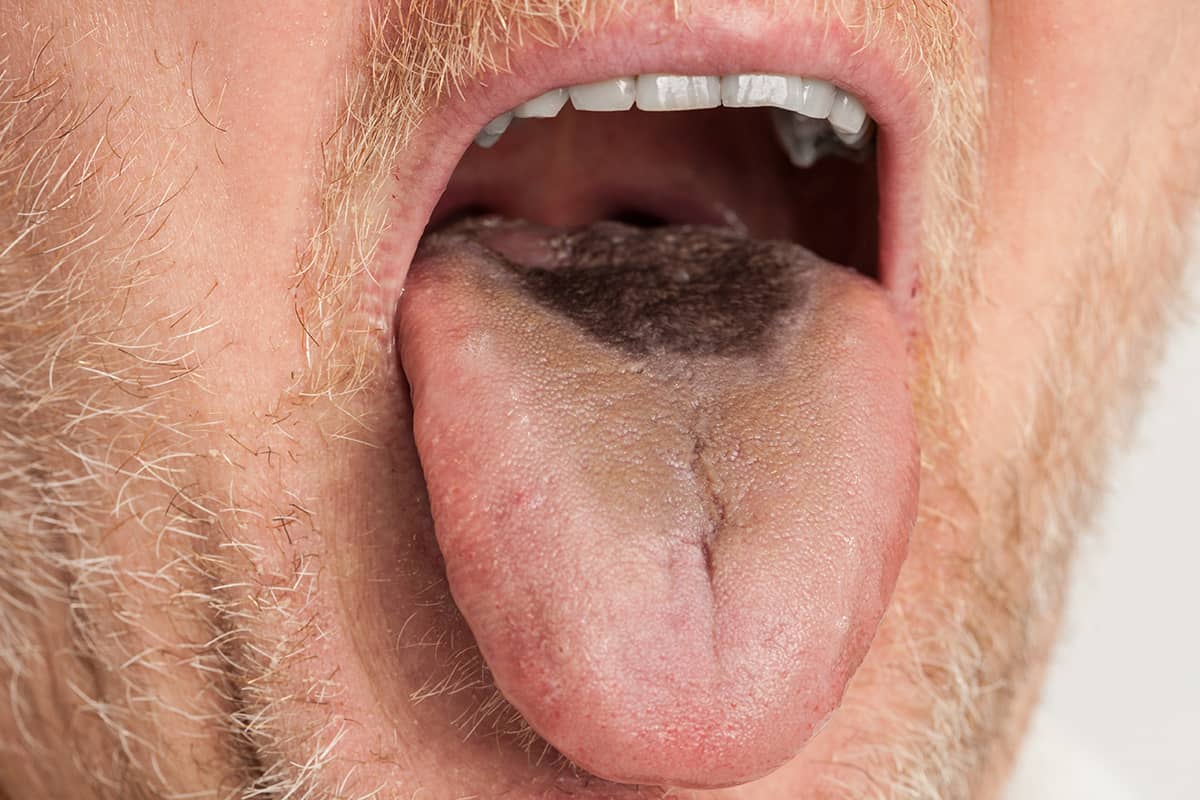
The tongue provides valuable clues about overall oral health.
Dentists often examine the tongue because changes in color, texture, or appearance can sometimes indicate underlying issues.
While black hairy tongue is usually harmless, other tongue changes may warrant medical attention.
Regular oral care includes:
Brushing teeth twice daily
Flossing regularly
Cleaning the tongue
Maintaining hydration
Scheduling routine dental visits
These habits support both oral health and overall well-being.
Preventing Black Hairy Tongue
Prevention generally focuses on maintaining healthy oral hygiene practices.
Helpful strategies include:
Brushing the tongue daily
Using a tongue scraper when appropriate
Drinking sufficient water
Avoiding tobacco products
Maintaining regular dental checkups
Practicing good oral hygiene consistently
Because the condition often develops gradually, preventive habits can significantly reduce risk.
What This Condition Teaches Us About Health
One reason stories about black hairy tongue attract attention is that the appearance seems far more serious than the reality.
It serves as a reminder that visual changes in the body can sometimes have surprisingly simple explanations.
At the same time, it highlights the importance of paying attention to oral health.
The mouth often reflects broader health habits, including hydration, hygiene, nutrition, and lifestyle choices.
Rather than causing panic, unusual changes should encourage informed action and professional consultation when needed.
Conclusion
Black hairy tongue may look alarming, but it is usually a harmless and treatable condition linked to common lifestyle and oral hygiene factors. The dark, fuzzy appearance results from elongated papillae that trap debris, bacteria, and pigments, creating a distinctive but generally benign change in the tongue’s surface.
Factors such as smoking, poor oral hygiene, dehydration, certain medications, and frequent consumption of staining beverages can contribute to its development. Fortunately, most cases improve with simple measures such as better oral care, tongue cleaning, hydration, and healthy lifestyle adjustments.
The condition offers an important reminder that appearance alone does not always reflect the seriousness of a health issue. While unusual changes should always be evaluated if they persist, black hairy tongue often demonstrates how routine habits can significantly influence oral health.
By maintaining good oral hygiene and paying attention to the body’s signals, individuals can support long-term wellness and avoid many common oral health concerns.

Sources
- American Dental Association
- Mayo Clinic
- Cleveland Clinic
- National Institutes of Health
- National Health Service
- Journal of Oral and Maxillofacial Pathology
- International Journal of Dentistry
