

A Medical Flight Disappears Off Massachusetts Coast, Triggering Extensive Search and Rescue Efforts

Early Saturday morning, a medical air transfer flight carrying six individuals vanished over the waters near Massachusetts. The pilot alerted air traffic control to electrical problems and declared an emergency just before the aircraft disappeared from radar. This incident triggered a large-scale search and rescue operation, drawing international attention and raising questions about aviation safety, especially under challenging conditions.
Details of the Incident
The aircraft involved was a Gulfstream G100, a well-known business jet often used for medical transfers because of its speed and reliability. The flight departed from Bermuda at 12:41 a.m. local time on October 3rd with a scheduled arrival at Boston Logan International Airport for shortly after 1:20 a.m. According to FlightAware tracking data, the aircraft underwent rapid altitude changes, dropping from 23,500 feet to 11,000 feet in just three minutes around 1:04 a.m. Its last recorded radar signal occurred at 1:23 a.m.
Air traffic control audio published by LiveATC.net documented the pilot reporting electrical complications and requesting emergency assistance as the jet neared Massachusetts’ coastline. The situation developed in conjunction with a storm passing through the area, complicating both the flight and subsequent rescue operations. Boston 25 reported that the audio suggested the possibility of the plane “coming in blind,” a term used when communication or navigation systems are compromised.
The flight context—operating as an air ambulance—highlights both the critical nature of the mission and the vulnerability of those aboard. Among the six people were two Canadian pilots, two Canadian medical personnel, a patient from Bermuda, and the patient’s relative. The international composition of the crew and passengers added an extra layer of complexity to the response and investigation.
Timeline of Disappearance
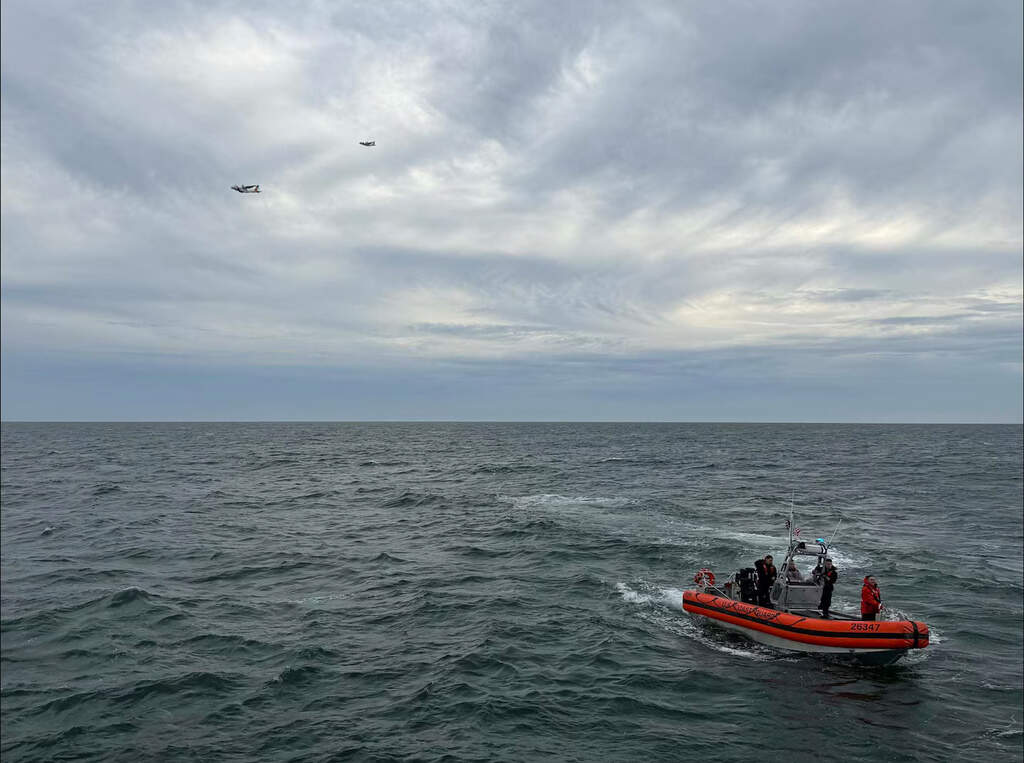
Within minutes of the loss of radar contact, the Federal Aviation Administration (FAA) notified the U.S. Coast Guard at around 2 a.m., setting in motion a multi-agency search and rescue operation. The search efforts focused offshore of Nantucket, Massachusetts, where the last known position of the aircraft was recorded. Multiple Coast Guard resources were deployed, including an HC-144 aircraft, an MH-60 helicopter from Air Station Cape Cod, a 47-foot motor lifeboat from Station Brant Point, and the fast-response cutter USCGC William Sparling.

The Coast Guard emphasized the urgency, stating: “The current search area is offshore of Nantucket. Coast Guard, air and surface crews are actively responding.” The operation continued overnight, with teams searching tirelessly for survivors and further evidence.
Discovery of Debris Field
During the search and rescue operation, crew members discovered a debris field within the designated search zone. Officials confirmed that the debris corresponded to the missing Gulfstream G100 aircraft, marking the poignant transition of the operation from a rescue to a recovery mission. The Coast Guard noted: “Coast Guard search crews located a debris field that has been confirmed to be associated with the missing aircraft.” This confirmation increased concern for the welfare of those aboard and guided the efforts of search teams, who continued their work through the night.
Ongoing Search Efforts
Despite finding the debris, crews continued searching for any signs of survivors. The Coast Guard cutter William Sparling was tasked with sustained search responsibilities. The operation encompassed aerial and maritime surveillance with the aim of locating the six missing individuals: the two Canadian pilots, two Canadian medical professionals, the Bermudian patient, and their relative.
As the search progressed, authorities stressed the difficulty posed by weather conditions and challenging waters off the Massachusetts coast. Adverse visibility and strong currents can significantly hinder rescue operations in this region. Experts in aviation and maritime rescue cited the need for coordination across multiple agencies and international support, given the nationalities of those aboard.
International Reaction and Community Support
The disappearance of the medical flight drew responses from officials and the public in Canada, Bermuda, and the United States. Canada’s Transport Minister, Steven MacKinnon, expressed sympathy and concern, stating, “Four Canadians are among the six people on board. My thoughts are with everyone on board, as well as their families, loved ones, and colleagues during this incredibly difficult time.” MacKinnon added that Canadian authorities were closely monitoring the situation and collaborating with US counterparts on search and rescue.
The Bermudian government also issued statements of support and coordination, emphasizing their commitment to the families affected. Local communities in Bermuda and Canada began organizing vigils and support initiatives for those missing and their families. Social media and news coverage focused on the heroic nature of the air ambulance team, emphasizing the risks they face in essential medical transport operations.
Aviation Safety and Medical Flights
This incident highlights the complexities of medical air transfers and the safety challenges inherent when flying over oceanic routes. Experts note that air ambulances, while generally well-equipped and staffed by highly trained personnel, confront additional risks compared to commercial flights. Electrical failures, though rare, are serious and can affect navigation, communication, and the ability to maintain control—especially in adverse weather.
The Gulfstream G100 is a twin-engine jet with a strong safety record. Aviation analysts reviewed maintenance logs and operational histories as part of the ongoing investigation, seeking any contributing factors beyond the reported electrical issues. Weather data and storm patterns in the Massachusetts coastline area are also being analyzed for their potential impact.
Dr. Laura Sanchez, an aviation safety specialist, commented, “Incidents like this usually prompt a thorough review of aircraft systems, pilot training, and emergency protocols. Medical flights are especially reliant on redundant systems, but when electrical issues arise, they can rapidly become critical.” Industry groups urged continued investment in avionics and pilot safety training, as well as international cooperation in emergency response.
Role of Search and Rescue Teams
The effectiveness and dedication of search and rescue teams in the United States have been widely praised. From the rapid deployment of aircraft and vessels to sustained overnight operations, the response reflects the high standards maintained by the Coast Guard and associated agencies. Maritime rescue workers highlighted the teamwork required to coordinate air, sea, and land resources under pressure.
Retired Coast Guard officer Michael Brennan remarked, “Our crews understand the urgency and emotional weight of these missions. We mobilize quickly and use all available technology to maximize the chance of finding survivors. While conditions can be harsh, we are trained for these scenarios.” The search continues, with officials pledging to keep families and the public informed as developments arise.
Impact on Families and Communities
For the families of the missing, the wait for news is agonizing. Support networks in Canada and Bermuda are providing psychological assistance and logistical support, collaborating with hospitals and charities to aid affected relatives. The international nature of the flight underscores the global reach of medical emergencies—and the universal need for compassion and resilience in crisis situations.
The aviation and medical communities have expressed solidarity, stressing the dedication of medical crews who regularly risk their lives to transport critically ill patients. Public reaction remains somber but hopeful, awaiting any positive developments from ongoing search operations.
Ongoing Investigation and Future Steps
While the immediate focus remains on search and rescue, authorities have launched an investigation into the causes of the disappearance. The FAA, National Transportation Safety Board (NTSB), and Canadian Transportation Safety Board are cooperating with international counterparts. Early assessments will review flight data, maintenance records, pilot training, and weather impacts.
Experts urge patience as investigators gather and analyze evidence. Historical precedent shows that investigations into aviation incidents over water can be lengthy and complex, often requiring specialized technology to recover flight data recorders. Beyond immediate recovery efforts, findings from this case may influence future safety standards and emergency procedures for medical flights crossing international boundaries.
Conclusion
The disappearance of the medical flight off Massachusetts has prompted an outpouring of international support and attention to the challenges faced by medical air transfer crews. The incident underscores the interconnectedness of aviation safety, emergency response, and community support. As the search continues, authorities and families await answers, hoping for closure and improvement in future safety protocols.
Sources
Disclaimer: This content is intended for entertainment purposes only and is not based on real events.
