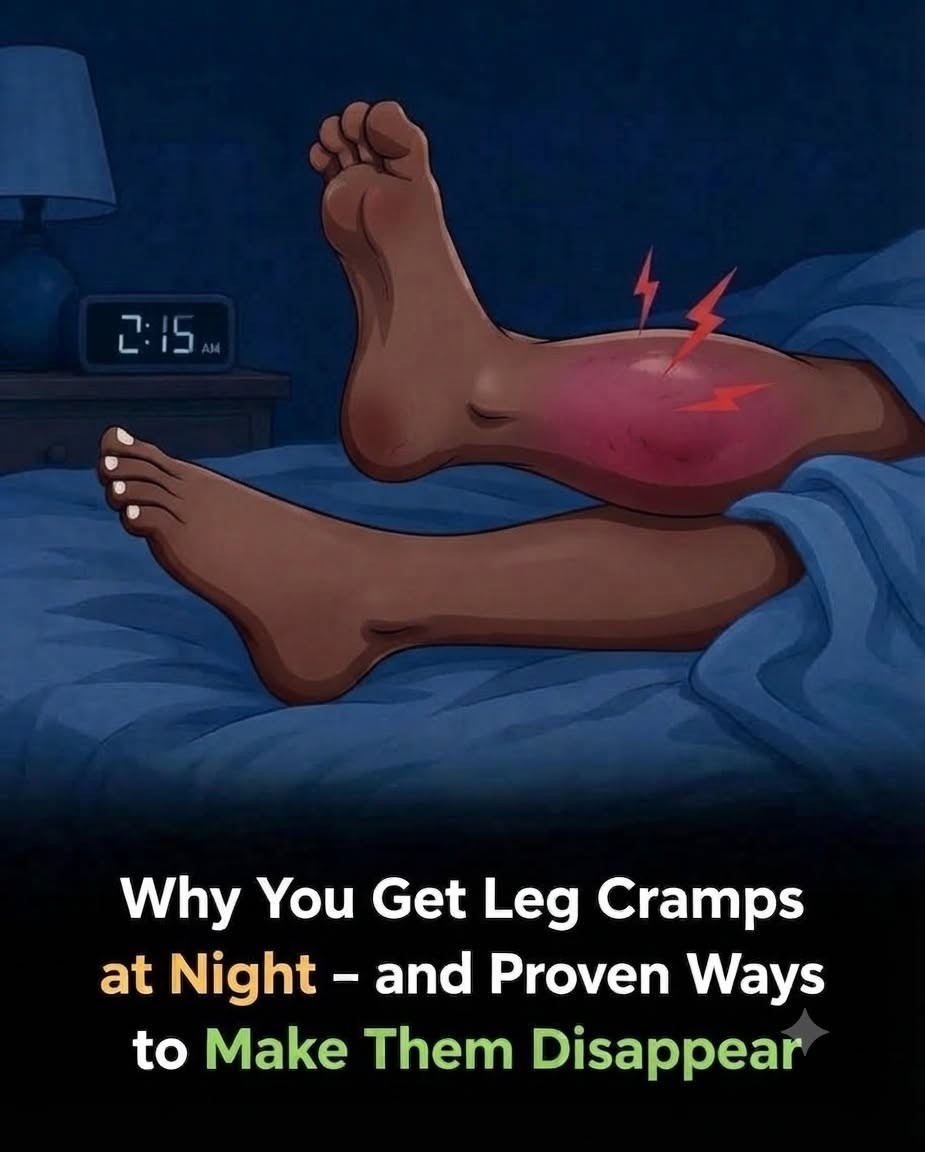

If You Often Get Leg Cramps At Night, Your Body May Be Warning You
Waking suddenly with a tight, painful knot in the calf, foot, or thigh is a familiar experience for many people. These episodes, commonly called nighttime leg cramps or nocturnal leg cramps, can last from a few seconds to several minutes. Even after the muscle relaxes, tenderness may remain for hours or until the next day.
Occasional leg cramps are usually not a sign of a serious health problem. They become more common with age and may also occur during pregnancy, after unusual physical activity, or during periods of dehydration. However, recurrent cramps that disrupt sleep, cause persistent soreness, or occur alongside other symptoms deserve attention from a qualified healthcare professional.
Experts emphasize that nighttime cramps can have many possible causes, and in many cases no single cause is identified. Rather than assuming the body is issuing a specific warning, it is more accurate to view frequent cramps as a symptom worth discussing, especially when they affect quality of life or begin after a change in medication, activity, or health status.
What Are Nighttime Leg Cramps?
A leg cramp is a sudden, involuntary contraction of a muscle. The calf muscle is the most common location, although cramps can also affect the arch of the foot, toes, hamstrings, or thighs. During an episode, the muscle may feel hard, visibly tightened, and difficult to move. The pain can be intense enough to wake someone from sleep.
Nocturnal leg cramps are different from restless legs syndrome, which causes an urge to move the legs and uncomfortable sensations that generally improve with movement. They are also different from peripheral artery disease, nerve pain, and blood clots, although some conditions can cause symptoms that may be mistaken for cramps. A clinician can help distinguish among these possibilities when symptoms are frequent or unusual.
According to medical references including Mayo Clinic and the UK’s National Health Service, night cramps are common and often harmless. Still, their effect should not be minimized. Repeated sleep disruption can contribute to daytime fatigue, reduced concentration, anxiety about going to bed, and reduced willingness to stay physically active.
Why Do Leg Cramps Happen at Night?
The exact reason cramps occur at night is not always known. Muscles may be more likely to cramp when the foot is pointed downward during sleep, shortening the calf muscle. Long periods in one position can also contribute. For some people, an increase in walking, standing, exercise, or other activity may fatigue the muscles and make cramps more likely later in the day.
Age is one of the strongest known associations. As people get older, changes in muscle mass, tendon flexibility, nerve function, and activity patterns may make cramps more common. This does not mean cramping is inevitable with age, but it helps explain why it is frequently reported by middle-aged and older adults.
Pregnancy is another time when leg cramps can occur more often, particularly later in pregnancy. Changes in circulation, body weight, activity, and nutritional needs may all be relevant. Pregnant people who have regular cramps should mention them during prenatal care, particularly if one leg is swollen, warm, red, or persistently painful, as these symptoms require prompt medical assessment.
Hydration, Exercise, and Muscle Fatigue
Dehydration is often discussed as a possible contributor to muscle cramping. Fluid losses through sweating, vomiting, diarrhea, fever, or vigorous exercise can affect how muscles and nerves function. Hot weather and physically demanding work can increase the likelihood of fluid loss. For people who are otherwise healthy, drinking fluids regularly throughout the day is a sensible part of general muscle care.
However, hydration is not a complete explanation for every cramp. Many people who drink sufficient fluids still experience nighttime cramps, and some people have cramps without exercising or sweating heavily. Excessive fluid intake is not appropriate for everyone, especially people with certain heart, liver, or kidney conditions who have been given individualized fluid limits. Advice from a healthcare professional should take priority in those situations.
Muscle overuse and fatigue are also common contributors. A sudden increase in exercise intensity, extended walking, climbing stairs, standing for many hours, or working in an unfamiliar position can strain muscles. Conversely, prolonged inactivity and sitting may leave muscles less conditioned and can contribute to stiffness. Gradually increasing activity, taking movement breaks, and allowing time for recovery may reduce the risk for some people.
Do Magnesium, Potassium, and Calcium Cause Cramps?
Minerals such as potassium, calcium, magnesium, and sodium are involved in normal muscle and nerve signaling. Significant disturbances in these electrolytes can contribute to muscle symptoms, including weakness, twitching, or cramps. Such imbalances can occur with severe fluid loss, some illnesses, kidney problems, hormonal conditions, or certain medicines.
It is important not to assume that every cramp is caused by low magnesium or potassium. Research has not shown that magnesium supplements consistently prevent ordinary nighttime leg cramps in most adults. Some people may need testing or treatment for a genuine deficiency, but this should be based on a clinician’s evaluation rather than self-diagnosis.
A balanced diet remains a practical approach for most people. Fruits, vegetables, beans, whole grains, dairy or fortified alternatives, nuts, seeds, and protein-rich foods can provide a range of nutrients that support overall health. Supplements are not automatically harmless: potassium and magnesium products can interact with medicines or be risky for people with kidney disease. Before taking high-dose supplements, it is advisable to seek medical or pharmacy advice.

Health Conditions and Medicines That May Be Relevant
Frequent leg cramps can sometimes be associated with an underlying medical issue. Conditions affecting nerves, muscles, circulation, metabolism, or kidney function may be considered by clinicians depending on the person’s symptoms and medical history. Diabetes, for example, can affect nerves and circulation over time, while kidney disease may influence electrolyte balance. These associations do not mean that cramps alone diagnose any of these conditions.
Reduced blood flow to the legs can cause discomfort with walking or exercise, often described as aching, cramping, or heaviness that improves with rest. This pattern differs from a typical sudden nighttime muscle cramp, but it should be evaluated, particularly in people who smoke, have diabetes, high blood pressure, high cholesterol, or known cardiovascular disease.
Medication review is an important part of assessing recurrent cramps. Some medicines have been linked with muscle cramps or muscle symptoms in some patients. These can include certain diuretics, which may alter fluid or electrolyte balance, and some cholesterol-lowering medicines, which can occasionally cause muscle pain or weakness. Laxatives, asthma medicines, and other treatments may also be relevant in specific circumstances.
People should not stop prescribed medication on their own because of cramps. Instead, they should report when symptoms started, how often they occur, and whether they followed a new prescription or dose change. A doctor or pharmacist can determine whether a medicine may be contributing and whether an alternative, a dose adjustment, blood testing, or another approach is appropriate.
What to Do During a Nighttime Leg Cramp
Gentle stretching is often the first step for immediate relief. For a calf cramp, straighten the leg and slowly pull the toes toward the shin. Standing and placing weight on the affected leg may help some people, provided it is safe to do so. Walking slowly around the room can also help the muscle relax.
Massage may ease the tight muscle after the most intense pain subsides. Some people find that a warm shower, warm compress, or heating pad provides comfort. Others prefer a cool pack after the cramp has passed if the muscle feels sore. Heat sources should be used carefully to avoid burns, especially by people with reduced sensation from diabetes or nerve conditions.
Stretching should be slow and controlled. Forceful bouncing or sudden movement may worsen pain or strain the muscle. If a cramp does not release, if walking is impossible, or if there is an injury, swelling, or severe ongoing pain, medical advice may be needed.
Practical Steps That May Help Prevent Night Cramps
There is no guaranteed way to prevent all nighttime leg cramps, but several low-risk habits may help reduce their frequency. Regular calf and hamstring stretches, especially before bed, are commonly recommended. One simple calf stretch involves placing the hands against a wall, stepping one foot back, keeping the heel down, and leaning forward gently for about 30 seconds. The stretch should not be painful.
Maintaining regular, moderate physical activity can support strength and flexibility. People returning to exercise after inactivity may benefit from gradually building duration and intensity rather than making abrupt changes. Comfortable, supportive footwear may also be helpful for those who stand or walk for long periods.
Hydration should be tailored to the individual, activity level, weather, and medical needs. Drinking regularly during the day and replacing fluids after significant sweating can be reasonable for many adults. Limiting alcohol, particularly close to bedtime, may also be useful for some people because alcohol can contribute to dehydration and sleep disruption.
Keeping a brief symptom record can help identify patterns. Note the time cramps occur, the affected muscle, recent activity, fluid intake, new medications, and any other symptoms. This information can make a medical appointment more productive and may reveal practical triggers, such as an unusually active day or long periods without movement.
When Should You Seek Medical Advice?
Arrange a non-urgent medical appointment if leg cramps are frequent, severe, repeatedly interrupt sleep, do not improve with simple measures, or are associated with muscle weakness. A clinician may ask about medications, daily activity, diet, alcohol use, pregnancy, and medical history. Depending on the situation, they may recommend an examination or blood tests to check for issues such as electrolyte disturbances, kidney function, blood sugar concerns, or thyroid problems.
Seek urgent medical care for leg pain accompanied by significant swelling, redness, warmth, shortness of breath, chest pain, fainting, sudden weakness, or major changes in skin color or temperature. These symptoms are not typical of a simple muscle cramp and can require prompt evaluation. People should also seek timely care if symptoms follow a serious injury or if a leg becomes cold, pale, or difficult to move.
The broader message is balanced: occasional nighttime leg cramps are common, but persistent symptoms should not simply be endured. Understanding possible triggers, using safe stretching and lifestyle measures, and consulting a healthcare professional when symptoms change can help people protect both their sleep and overall health.
Sources
Disclaimer: This content is intended for entertainment purposes only and is not based on real events.