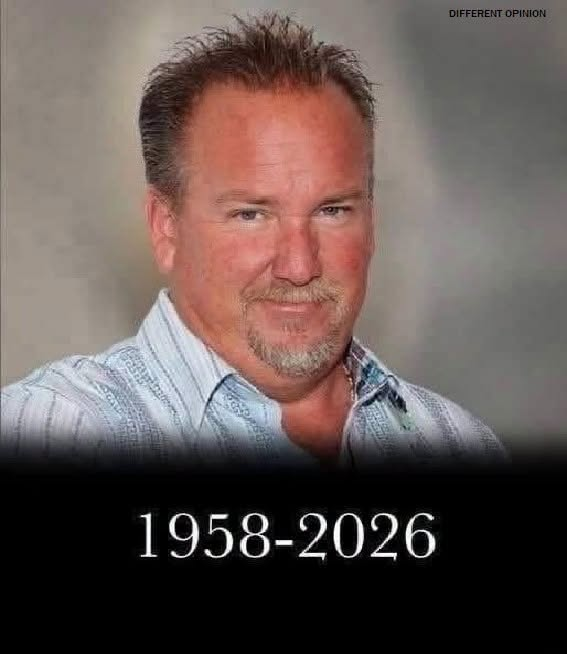

One wrong bid could turn confidence into regret. For Darrell “The Gambler” Sheets, every unopened locker on Storage Wars carried that threat, with his son Brandon beside him as instinct collided with uncertainty. Viewers saw the swagger, but behind those aggressive offers lay a harder question: how do you teach someone to gamble when neither knows what comes next.Darrell “The Gambler” Sheets became one of Storage Wars’ most recognizable buyers by making decisions others hesitated to make. With only a brief look inside a storage unit before bidding, he relied on experience, quick judgment, and a willingness to accept uncertain outcomes. His aggressive approach made compelling television, but the appeal went beyond whether a locker produced a profit. Alongside his son Brandon, Sheets gave viewers a look at how negotiation, valuation, and timing shaped each purchase.
Their partnership brought a human dimension to a business built around unknowns. Lessons emerged through both promising finds and disappointing results, showing that a large budget alone could not guarantee success. Patience mattered, and so did knowing that even a considered gamble might fail. Together, Darrell and Brandon left a lasting impression by revealing the judgment behind the bids—and the family connection running through a fiercely competitive world.

The Anatomy of a Five-Minute Gamble
To appreciate why Darrell Sheets earned the moniker “The Gambler,” one must understand the brutal constraints of a storage auction. Unlike traditional estate sales or antique appraisals where buyers can inspect items, check serial numbers, and verify condition, storage auction rules enforce strict boundaries: buyers stand behind a yellow line, cannot touch a single box, and have less than five minutes to peer into a dimly lit space using only a flashlight.
In that compressed window, Sheets was not merely looking at objects; he was reading human behavior. A locker filled with neatly stacked plastic bins, clean furniture blankets, and professional-grade tools suggested an owner who cared about their possessions before falling behind on rent. Conversely, loose garbage bags and broken particleboard furniture signaled a potential money pit.
Yet, even the sharpest eye could be fooled by a false front—a wall of pristine boxes concealing worthless clutter behind it. Every time Darrell raised his hand to push a bid past four figures, he was betting his own cash on an educated guess, knowing full well that one miscalculation meant hours of hauling junk to the dump at his own expense.
Father and Son: Teaching Instinct in an Unpredictable Trade
What separated Darrell and Brandon from solo buyers on the show was the dynamic of apprenticeship unfolding in real time. Passing down a skill like carpentry or accounting involves clear rules and repeatable formulas. Teaching someone how to buy abandoned storage lockers, however, requires transferring intuition—a sixth sense built from decades of costly mistakes.
Viewers watched Brandon transition from a quiet assistant hauling boxes to an independent buyer testing his own judgment against his father’s. Their on-screen disagreements—often sparked when Brandon urged caution while Darrell kept bidding, or when Brandon took a flyer on a locker Darrell dismissed—mirrored the universal tension between generations. Darrell wanted his son to develop the nerve required to survive in a cutthroat industry, while Brandon had to learn how to separate his father’s bravado from his own financial comfort zone.
Psychological Warfare on the Auction Line
On Storage Wars, the items inside the unit were only half the equation; the other half was the crowd standing outside. Alongside calculating rivals like Dave Hester, Jarrod Schulz, and Barry Weiss, Darrell treated every auction as a live game of poker.
-
The Power Bid: Instead of incrementing bids by ten or twenty dollars, Darrell frequently jumped the price by hundreds in a single breath—a deliberate shock tactic designed to rattle hesitant competitors and signal absolute certainty, even when he was bluffing.
-
The “YUUUP!” Factor and Ego: In a competitive group, pride often drives buyers to overpay just to prevent a rival from winning. Darrell understood how to bait opponents into bidding wars over mediocre units, draining their bankrolls early in the day so he could swoop in unopposed on better lockers later.
-
Absorbing the Busts: Perhaps the truest test of a seasoned buyer was how they handled a total loss. When a $2,000 unit yielded nothing more than broken appliances and old clothes, Darrell rarely lingered in self-pity. He treated losses as the unavoidable cost of doing business—tuition paid to stay in the game long enough to hit a massive score, such as his legendary multi-hundred-thousand-dollar Frank Gutierrez artwork find.

More Than Treasure Hunting: The Weight of Shared Effort
Beneath the loud catchphrases, dramatic edits, and intense bidding wars, the enduring appeal of Darrell and Brandon Sheets rested on authenticity. Storage hunting is physically exhausting, unglamorous work: sweating in dusty hallways, sorting through strangers’ forgotten lives, loading heavy trucks, and spending weekends at swap meets trying to turn clutter back into cash.
By sharing that grind side by side, Darrell and Brandon showed that the real reward of the business wasn’t just the occasional hidden masterpiece buried under a tarp. It was the trust forged between a father and son navigating uncertainty together—learning when to push forward, when to walk away, and how to stand by each other regardless of what waited behind the door.