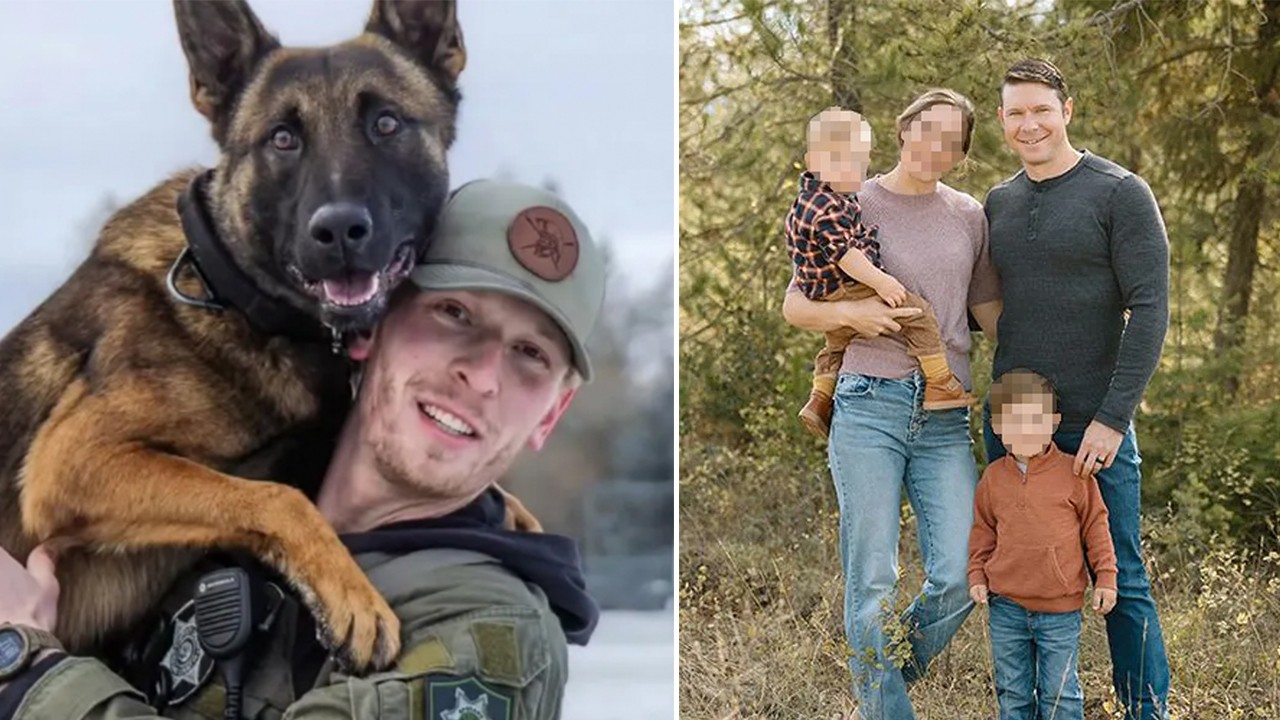

What Began as a Desperate Call for Help Ended in Unimaginable Tragedy in a Washington State Home
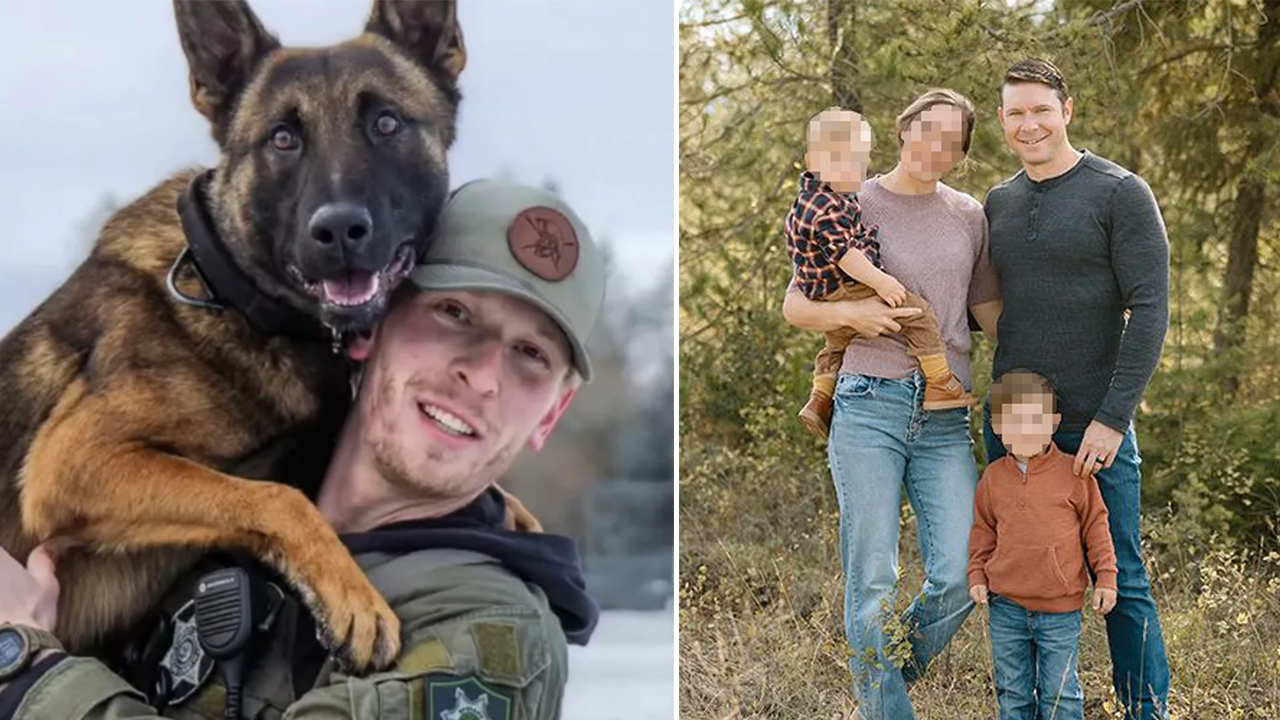
A law-enforcement response near Spangle, Washington, ended in the deaths of two Spokane County Sheriff’s Office deputies and three members of a local family, leaving relatives, colleagues and the wider community in mourning.
Deputies Mason Acheson, 35, and Parker Perry, 29, were critically injured while responding to reports that people at a rural residence could be in immediate danger. Both men were husbands and fathers, and both had records of military and public service before their deaths.
The case drew attention across Spokane County because of the profound loss to several families, the difficult decisions faced by first responders during a fast-moving emergency and the community efforts that followed. Authorities described the deputies’ actions as an attempt to protect people who might have remained inside the home.
Emergency Response Near Spangle
According to information released by law-enforcement authorities and reported by local media, the incident began after a woman escaped from a property on South Smythe Road near Spangle and sought help at a neighboring home. She reported that she had been wounded and needed medical care.
Authorities later identified the survivor as Julie Larsen. Her injuries were reported as serious but not life-threatening. Her account also raised urgent concerns that other people could still be at the residence and might need assistance.
Responding deputies were also told that the suspected gunman was the subject of an active felony warrant and could have access to weapons. In situations involving an uncertain number of people inside a residence, agencies must weigh the urgency of reaching possible victims against the risks facing responders and nearby residents.
The Spokane County Sheriff’s Office requested specialized assistance, including a SWAT response. Such teams receive additional training and use equipment designed for high-risk incidents, including barricaded-person calls, search operations and circumstances where weapons may be present.
Why Authorities Believed Others Could Be at Risk
Before entering the property, officers used a drone to evaluate conditions around the home. Authorities reported seeing a person lying in the yard. The discovery reinforced their concern that there could be additional victims and that time might be critical.
At approximately 3:15 p.m., deputies approached the residence and attempted to enter. The Washington State Patrol said shots were fired from inside the home, critically injuring Acheson and Perry. Other deputies responded, moved their injured colleagues to cover and began providing emergency aid.
Emergency medical transport took both deputies to hospital care. One was transported by patrol vehicle and another by helicopter, according to accounts released after the incident. Colleagues and family members gathered as medical teams worked to treat them.
Spokane County Sheriff John Nowels publicly acknowledged the gravity of the situation that evening, noting that both deputies had young families. Despite medical treatment, Acheson died from his injuries. Perry died three days later.
The deaths were a devastating outcome for their families and for the Spokane County Sheriff’s Office, where both men had served in demanding assignments. The agency later paid tribute to their commitment to public service and to the risks they accepted in answering the call.
Deputy Mason Acheson’s Record of Service
Mason Acheson joined the Spokane County Sheriff’s Office in 2022 after working for approximately eight years with the Washington State Patrol. He also served in the Washington Army National Guard and was deployed to Poland, reflecting a career that included both civilian law enforcement and military service.
Within the sheriff’s office, Acheson served on the SWAT team as a sniper. Specialized SWAT assignments require continuing training, teamwork and careful planning, particularly when officers are called to help with situations that present heightened risks to the public and other responders.
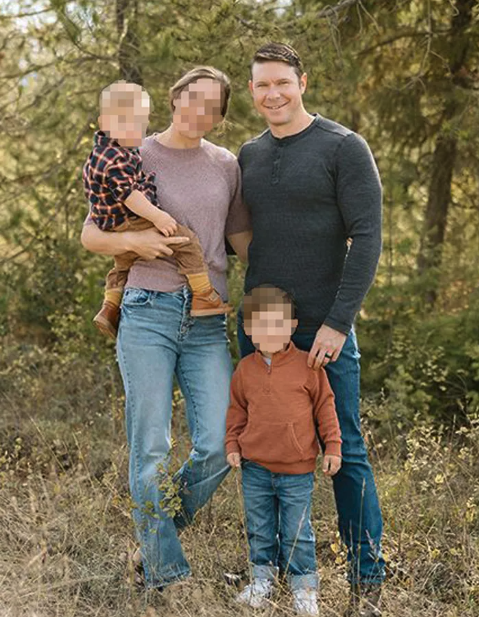
Beyond his professional roles, Acheson was a husband and father of two children. Public tributes following his death focused not only on his service but also on the deeply personal loss experienced by his wife, children, relatives and friends.
His death was mourned by fellow officers and by members of a community that relies on deputies, firefighters, paramedics and dispatchers to respond during moments of uncertainty. Memorials for fallen public servants often provide an opportunity for communities to recognize the human lives behind the uniforms and titles.
Deputy Parker Perry and His Family’s Gift
Parker Perry joined the Spokane County Sheriff’s Office in 2020. He later became a K-9 deputy, working with his canine partner, Brego. K-9 teams can assist in a range of law-enforcement activities, including locating missing people, searching areas and supporting high-risk operations.
Perry also served in the Washington Army National Guard and attained the rank of captain. Before becoming a K-9 handler, he had served with the sheriff’s office SWAT team. His career reflected a sustained commitment to service in both military and law-enforcement settings.
According to the sheriff’s office, Perry had not originally been assigned to the call near Spangle. However, after learning that people could be trapped or in danger at the residence, he responded with other deputies. He was injured during the effort to enter the home and died several days later.
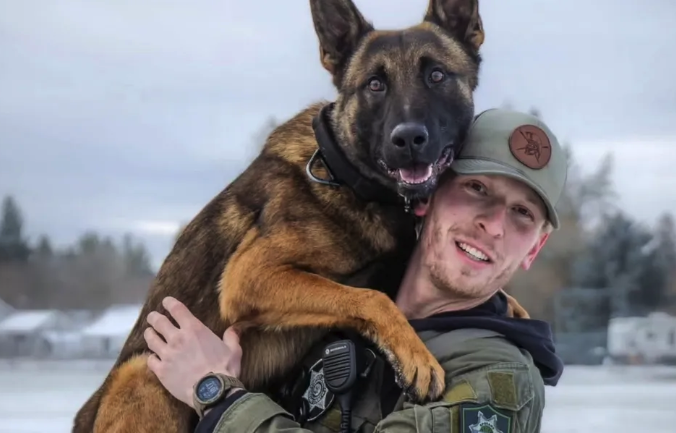
Perry was 29. He was survived by his wife and two young children, and the family was expecting a third child. His death prompted messages of sympathy from community members, fellow first responders and people who learned about the case through local reporting.
In the midst of their grief, Perry’s family chose organ donation. The sheriff’s office said the decision would allow others in need to receive potentially life-saving transplants. Organ donation is a voluntary decision made by donors or, in certain circumstances, their families, and it can help people living with organ failure or other serious medical conditions.
Organizations such as Donate Life America emphasize that one organ donor may save multiple lives, while tissue donation can help many more people. The decision does not diminish a family’s loss, but it can create a meaningful legacy by offering patients and their families hope during medical crises.
Deaths Within the Larsen Family
The incident also resulted in the deaths of three members of the Larsen family. Authorities identified them as Suzanne Larsen, 72; Rebecca Larsen, 45; and Ryan Larsen, 37.
Authorities said Suzanne Larsen and Rebecca Larsen died as homicide victims. Ryan Larsen, identified as the suspected gunman, died from what authorities ruled a self-inflicted gunshot wound. Julie Larsen survived after receiving medical care.
Every death connected to the incident affected a network of relatives, friends and neighbors. In the aftermath of traumatic events, public discussion can sometimes focus exclusively on official details or the response itself. It is also important to recognize the private grief experienced by families on all sides of a tragedy.
Community Support for the Deputies’ Families
In the days after the deaths, Spokane County residents organized support for the Acheson and Perry families. A fundraiser organized by a local firefighters’ union reportedly raised more than $24,000. The sheriff’s office also shared information about avenues for public donations to help with funeral costs and family needs.
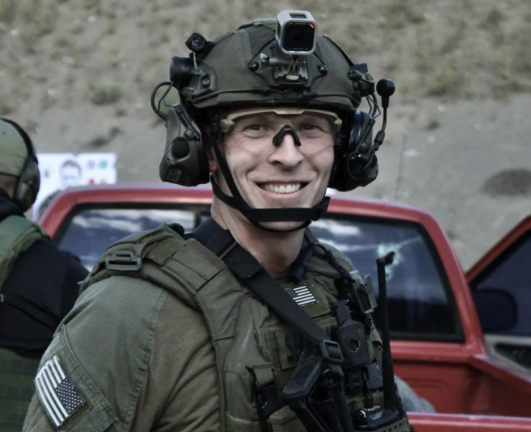
Fundraising campaigns can provide practical help with immediate expenses, but community support also takes many forms. Meals, child-care assistance, respectful attendance at memorial events and messages of condolence may all help bereaved families feel less isolated during an exceptionally difficult period.
For law-enforcement agencies, the death of a colleague can have lasting effects on personnel and their families. Peer support, counseling services and employee assistance programs are frequently made available after critical incidents. Mental-health support is also important for dispatchers, medical workers, neighboring residents and others who may have been affected.
Law-Enforcement Safety and Public Service
The deaths of Acheson and Perry underscore the difficult choices that can confront first responders. Deputies responding to reports of an injured person and possible victims inside a residence must make decisions based on incomplete information, evolving conditions and the need to protect civilians as well as fellow officers.
Law-enforcement safety experts generally stress the importance of coordinated communication, medical preparedness, specialized training and incident review after major events. Reviews can help agencies understand what occurred, identify lessons and strengthen procedures while also respecting the ongoing investigative process and the privacy of affected families.
Public trust is also strengthened when agencies provide timely, factual updates and avoid speculation. In a case involving multiple deaths, it is especially important to rely on statements from investigators, medical examiners and established news organizations rather than unverified claims circulating online.
A Lasting Legacy of Service
Mason Acheson and Parker Perry began their careers in public service long before the emergency near Spangle. Their colleagues remembered them as deputies who responded when help was needed, while their families remember them first as loved ones: a husband, father, son, friend and partner.
Their loss cannot be measured by professional achievements alone. Acheson’s wife and two children, and Perry’s wife, children and expected baby, face futures altered by a single afternoon. The Larsen family also faces the lasting consequences of an event that took several lives.
In a public statement, the Spokane County Sheriff’s Office said the deputies moved toward danger in an effort to protect people they did not know. Perry’s organ donation added another dimension to that legacy, extending the possibility of help to people awaiting transplants.
As Spokane County continues to remember the deputies, the most meaningful response is one grounded in compassion: support for grieving families, respect for the work of first responders and a commitment to factual information about an event that affected an entire community.
Sources
Disclaimer: This content is intended for entertainment purposes only and is not based on real events.