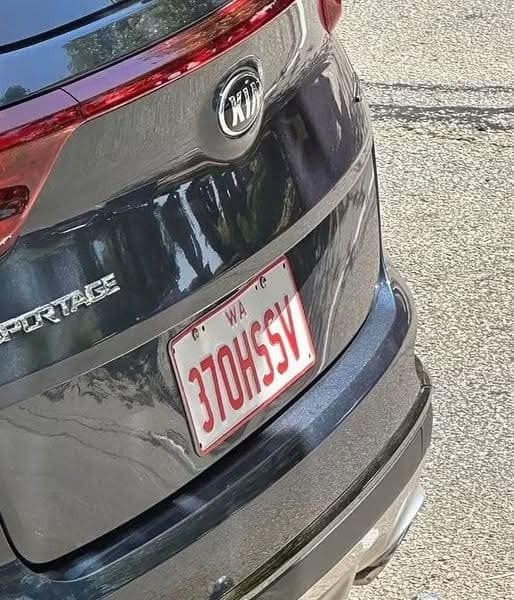

Vanity License Plates: Personality, Humor, and Rules on the Road
Vanity license plates have long been a small but noticeable form of public self-expression. Unlike standard vehicle registration plates, which are usually assigned through a sequence of letters and numbers, personalized plates allow motorists to request a specific combination of characters. The result may be humorous, practical, sentimental, business-focused, or simply distinctive.
On a crowded highway or during a slow commute, a personalized plate can briefly catch another driver’s attention. Some messages prompt a smile, while others communicate a personal milestone, a favorite hobby, or the name of a local business. For many drivers, the appeal is not only about standing out. It is about adding a personal detail to an everyday object that is otherwise highly regulated and standardized.
At the same time, vanity plates exist within clear legal and administrative limits. Motor vehicle agencies must ensure that every plate remains unique, readable, and appropriate for public display. Rules differ by state, province, and country, but most licensing authorities review applications and may reject combinations that are misleading, offensive, confusing, or already assigned to another vehicle.
What Is a Vanity License Plate?
A vanity plate, also called a personalized or prestige plate, is a vehicle registration plate with a character combination selected by the owner. The number of permitted letters, numbers, and symbols varies by jurisdiction. In many parts of the United States, drivers can submit requests online through their state department of motor vehicles or a similar agency.
Personalized registration systems are designed to balance individual choice with public administration. Vehicle plates serve important purposes: they identify registered vehicles, help support law enforcement and tolling systems, and show that a vehicle has met registration requirements. A custom message does not change those functions. It simply replaces a standard serial combination with one requested by the registrant.
Applications usually require a fee in addition to normal registration costs. Depending on the jurisdiction, the fee may be annual or may apply for a set registration period. Some specialty plate programs also direct a portion of the cost toward public causes, such as environmental conservation, universities, veterans’ services, or charitable organizations. However, a personalized message and a specialty plate are not always the same thing. A specialty plate typically uses an approved design or cause-related category, while a vanity plate refers to the custom character sequence.
Why Drivers Choose Personalized Plates
The motivations behind vanity plates are varied. A driver may choose a brief phrase that reflects a profession, a sports interest, a pet, a family nickname, or a favorite type of vehicle. Others use an abbreviated message connected to an achievement, such as graduation, retirement, or the completion of a major personal goal.
Humor is also a major part of the appeal. Because most jurisdictions limit the available space, plate owners often rely on wordplay, phonetic spelling, abbreviations, and number substitutions. A short message can become a tiny puzzle for people driving behind the vehicle. When it is easy to understand and lighthearted, the result can add an unexpected moment of entertainment to an ordinary trip.
Some personalized plates have a practical purpose. A self-employed professional, for example, may use a short business-related word on a work vehicle. A dog walker, home repair professional, photographer, or real estate agent may see a customized plate as one small part of a larger local marketing strategy. It is not a replacement for formal business identification, licensing, or advertising, but it can help make a vehicle more memorable when it is parked or traveling through a community.
Other choices are deeply personal. A plate may commemorate a family member, reflect recovery from an illness, recognize a military connection, or mark a meaningful year. These messages can be subtle and may be understood only by the vehicle owner and close friends or family. That private meaning is one reason personalized plates remain popular even when their messages are not intended for a broad audience.
Creativity Within a Limited Number of Characters
The central challenge of a vanity plate is brevity. In many jurisdictions, owners have only a small number of characters to work with. Spaces may be unavailable, punctuation may be limited, and certain letter-number combinations may be restricted. That encourages creative spelling and concise language.
For example, a driver may use a short phrase related to travel, music, gardening, parenthood, or a favorite vehicle model. The strongest messages are often clear without requiring too much interpretation. A clever plate can be memorable because it says something recognizable in a compact format, not because it tries to communicate an entire biography.
However, abbreviations can create ambiguity. A phrase that appears harmless to the applicant may have an unintended meaning to someone else. This is one reason licensing agencies review proposed plates rather than approving every available sequence automatically. Reviewers may consider common meanings, alternate interpretations, local context, and whether a message could reasonably be read as violating published standards.
How License Plate Applications Are Reviewed
Rules for personalized plates are established by individual registration authorities. In the United States, state departments of motor vehicles generally publish guidance explaining the number of available characters, acceptable formats, application fees, and prohibited content. Drivers are commonly asked to submit several choices in case their first option is already in use or is not approved.
Common reasons for rejection include duplication, references that impersonate law enforcement or government vehicles, messages that could be confused with official registration numbers, and language considered offensive or inappropriate for public display. Authorities may also reject plates that include profanity, discriminatory terms, explicit references, or messages that could create a safety concern.
The review process has occasionally drawn public attention because language can be subjective. Courts in the United States have considered disputes involving personalized plate policies and free-expression claims. While legal outcomes depend on the specific facts and laws involved, agencies generally maintain that registration plates are government-issued identifiers and that they may enforce content standards to administer the program consistently.
For applicants, the most reliable approach is to consult the official rules in their own jurisdiction before submitting a request. A phrase that is accepted in one state may not be accepted in another, and a message approved in a previous year may be reconsidered if policies or interpretations change. Official online availability tools can also help drivers avoid selecting a combination that is already registered.
Readability and Road Safety Considerations
Personalized plates are meant to be distinctive, but they should never distract from safe driving. The message should remain secondary to the basic function of the plate: identification. Other road users should not need to decode a complicated phrase, and drivers should avoid spending attention on reading plates when they need to focus on traffic conditions.
Road safety organizations consistently emphasize the importance of minimizing distractions behind the wheel. The U.S. National Highway Traffic Safety Administration notes that visual, manual, and cognitive distractions can take attention away from driving. A clever plate may be amusing, but safe driving requires people to keep their eyes on the road, maintain appropriate following distance, and respond to changing conditions.
Vehicle owners also need to make sure their plates are properly mounted, visible, and unobstructed. Plate frames, covers, dirt, snow, and other obstructions may violate local laws if they hide important information. Personalized or not, a registration plate must comply with the same visibility requirements as any other plate.
Vanity Plates as a Reflection of Everyday Culture
Personalized plates offer a small window into local culture. In one area, drivers may favor messages about outdoor recreation, local schools, or regional sports teams. In another, plates may highlight technical careers, small businesses, family roles, or humor based on local expressions. The messages are usually brief, but collectively they show the wide range of identities and interests present on public roads.
They can also reflect changing cultural trends. As language evolves, new abbreviations and online expressions may appear in plate applications. Licensing agencies must then decide how to apply long-standing rules to new phrases and references. This can be challenging because a term may have different meanings across generations, communities, or online spaces.
For this reason, responsible personalization matters. A plate seen in public is not limited to a private social circle. It may be read by children, pedestrians, coworkers, neighbors, and other drivers. Messages that are considerate, clear, and non-offensive are more likely to support the lighthearted purpose many people associate with personalized plates.
Business Branding and Community Visibility
For small businesses, a vanity plate can be a modest form of branding. A short, relevant identifier on a vehicle may help customers remember a service provider they have seen in their neighborhood. It can be especially useful for sole proprietors whose personal vehicle is also used for work, provided that the vehicle meets any applicable commercial registration, insurance, and local licensing requirements.
Still, business owners should view a personalized plate as a supplementary tool rather than a complete marketing plan. Clear contact details, professional signage where permitted, an accurate business listing, and good customer service are generally more useful for building trust. A plate can make an impression, but it cannot explain services, pricing, qualifications, or availability.
Drivers should also avoid plate messages that imply official authority or create confusion about the nature of their work. Government-related titles, emergency-service references, and law-enforcement wording may be restricted in many places. This protects public clarity and helps ensure that official vehicles and personnel can be readily identified when needed.
Tips for Choosing a Personalized License Plate
Choosing a successful vanity plate requires creativity and restraint. A simple message is often more effective than one that needs extensive decoding. Before applying, it can be helpful to say the phrase aloud, ask a trusted friend how they interpret it, and consider whether it could have an unintended meaning.
Drivers should also check the official character limit and formatting rules. Numbers and letters may look similar at a distance, and an overly complicated combination can be difficult to read. Choosing a plate that is clear and respectful can reduce the likelihood of rejection and make the final result more enjoyable over time.
It is also wise to think ahead. A message that feels timely today may become less relevant in a few years. A plate based on a lasting hobby, personal value, family reference, or business name may have more staying power than a passing internet trend. Ultimately, the best personalized plates are those that express something genuine without demanding too much attention from everyone else on the road.
Conclusion
Vanity license plates sit at the intersection of regulation, identity, and everyday humor. They can promote a small business, recognize a milestone, celebrate an interest, or simply give other road users a momentary smile. Their limited space encourages creativity, while public standards ensure that vehicle registration remains functional and appropriate.
Whether a personalized plate is clever, sentimental, or practical, it represents a choice to make an ordinary vehicle feel more individual. As long as drivers follow local rules, keep plates visible, and remain focused on safe driving, these short messages can remain one of the more distinctive forms of expression found on the road.
Sources
- National Highway Traffic Safety Administration: Distracted Driving
- California Department of Motor Vehicles: Personalized License Plates
- New York State Department of Motor Vehicles: Personalized Plates
- Florida Highway Safety and Motor Vehicles: Personalized and Specialty License Plates
- USA.gov: State Motor Vehicle Services
Disclaimer: This content is intended for entertainment purposes only and is not based on real events.