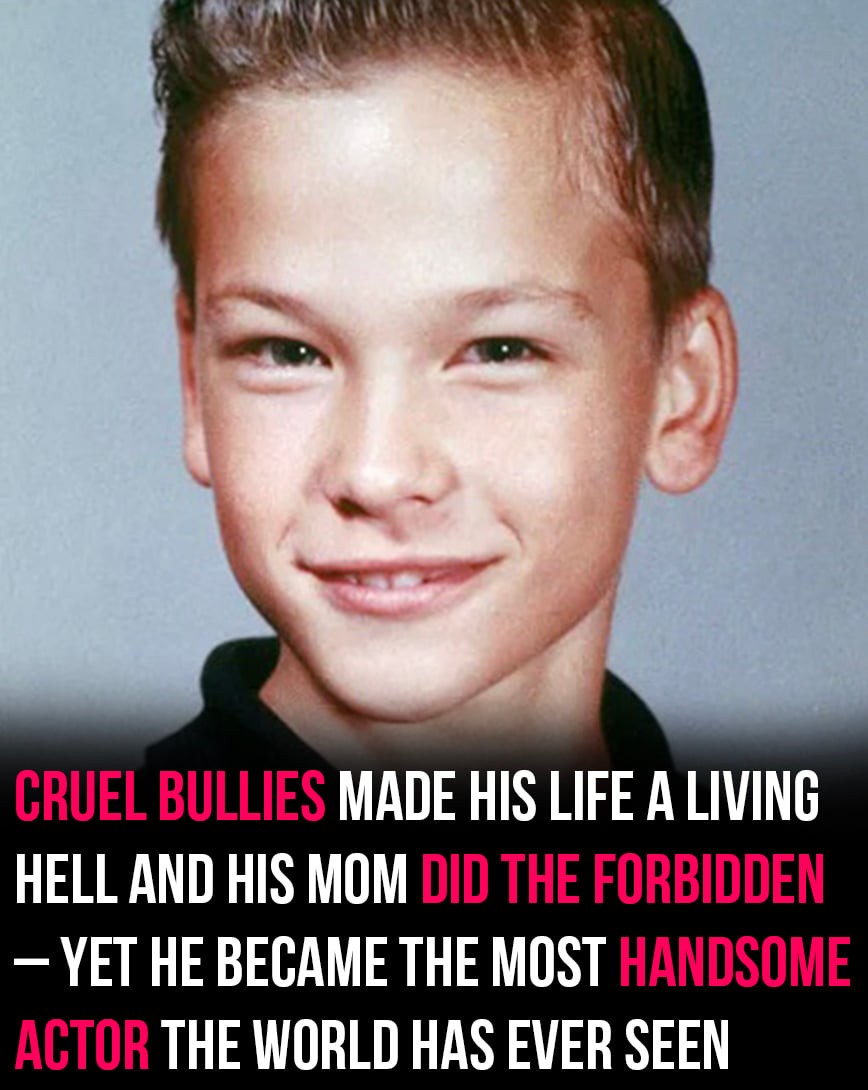

They tried to beat the dance out of him.
Texas boys with clenched fists, mocking the kid with ballet shoes and a violin.
He went home bruised, but not broken.
Years later, those same fists would be gripping theater seats as his name lit up screens across the world. But the price he paid for that transfor…
He grew up in the crossfire between ridicule and expectation, a boy who refused to trade his sensitivity for safety. Every insult, every punch, every whispered slur in a Texas hallway became fuel. Dance was never a phase; it was the language he used to survive. When football vanished with a torn knee, he didn’t collapse. He doubled down on the one thing they said made him weak.
Hollywood only saw the final cut: the smoldering gaze, the impossible lifts, the swagger that made audiences believe in impossible love stories. What they missed were the empty nursery dreams, the nights dulled by alcohol, the funerals that left him wondering if he was cursed. Yet through cancer, heartbreak, and fading strength, he held onto the same truth he’d learned as a boy: you don’t abandon the part of you they laugh at. You protect it until it becomes your legacy.
The Houston Crucible: Ballet, Boxing, and Survival
Born in Houston, Texas, in August 1952, Patrick Wayne Swayze grew up inside a fascinating cultural contradiction. His father, Jesse Wayne Swayze, was a rugged engineering draftsman and former rodeo cowboy; his mother, Patsy Swayze, was a pioneering choreographer and director of the Houston Jazz Ballet Company. From early childhood, Patrick lived comfortably in both worlds—riding horses, playing high school football, and practicing martial arts while spending hours at the ballet barre under his mother’s exacting eye.
In 1960s Texas, however, crossing those boundaries carried immediate social risk. Classmates who tolerated football tackles had little patience for a boy carrying ballet slippers and a violin case. Teasing escalated into ambush fights outside school gates—until his mother enrolled him in martial arts and boxing so he could defend himself without abandoning the studio.
When a severe knee injury during a high school football game shattered his dreams of an athletic scholarship—requiring delicate surgery that doctors feared might end his mobility altogether—Swayze poured every ounce of his recovery into classical dance, eventually earning spots with the Harkness Ballet and Joffrey Ballet in New York before stepping onto Broadway.
Rewriting Masculinity on the Silver Screen
When Patrick Swayze arrived in Hollywood in the late 1970s and 1980s, leading men were typically sorted into rigid boxes: stoic action heroes who rarely showed tenderness, or sensitive romantic leads who lacked physical authority. Swayze refused that binary. Because of his decades of classical dance training, he moved across a film frame unlike any other actor of his generation—combining muscular power with effortless posture, balance, and emotional vulnerability.
In Dirty Dancing—a film studios initially doubted would even survive theatrical release—Swayze insisted that Johnny Castle be more than a flashy dancer. He drew directly from his own memories of being judged by class and appearance, turning a summer romance into an enduring global phenomenon.
The Private Shadows Behind Global Fame
At the peak of his fame in the early 1990s—named People magazine’s “Sexiest Man Alive” in 1991—Swayze’s private life was marked by profound, quiet sorrow. The sudden death of his father from a heart attack in 1982 had devastated him, triggering a painful battle with alcohol as he struggled to numb grief while filming back-to-back productions.
Alongside his wife of thirty-four years, fellow dancer and filmmaker Lisa Niemi—whom he met when she was fifteen and he was nineteen in his mother’s Houston studio—Swayze also endured the quiet heartbreak of miscarriages and the inability to have children of their own. In 1994, tragedy struck again when his beloved sister Vicky died by suicide, a loss that pushed Swayze toward sobriety, ranch life in New Mexico and California, and deep introspection.
Hollywood publicity machines rarely knew how to frame a superstar who preferred training Arabian horses, writing songs in quiet barns, and confronting his own flaws honestly rather than hiding behind vanity.
The Final Dance: Dignity in the Face of Illness
In January 2008, Patrick Swayze received a diagnosis of stage IV pancreatic cancer—one of medicine’s most aggressive malignancies. Rather than retreating from public view or surrendering to despair, he met the illness with the exact same discipline he had brought to the ballet barre forty years earlier.
While undergoing intensive chemotherapy, he filmed the entire thirteen-episode run of the A&E drama series The Beast, working twelve-hour days, refusing painkillers on set so his performance stayed sharp, and co-writing a candid memoir with Lisa Niemi before his passing in September 2009 at the age of fifty-seven.
Why the Part They Laughed At Became His Strength
Looking back across Patrick Swayze’s fifty-seven years, the thread connecting every triumph is unmistakable. The very sensitivity, artistic devotion, and physical grace that invited punches in a Texas schoolyard became the foundation of everything audiences loved most about him.
He proved that true toughness has nothing to do with hiding your heart—and everything to do with having the courage to protect what makes you human, no matter how loudly the world tells you to put it down.