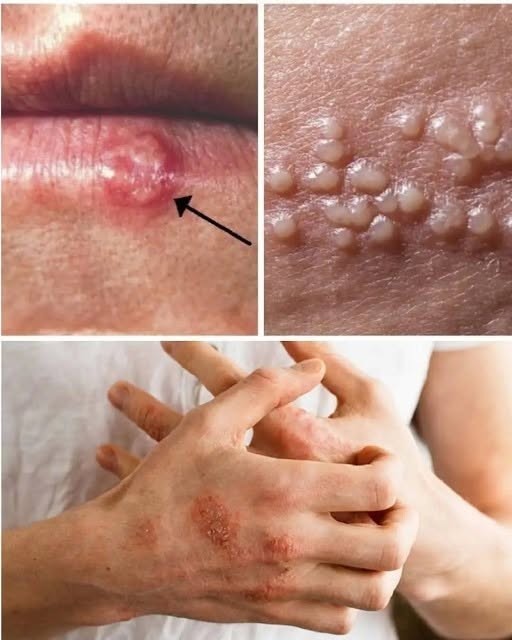

7 Warning Signs Your Body May Be Sending and When to Seek Medical Attention
Understanding changes in your health is an important part of maintaining overall well-being. The body often provides subtle signals when something is not functioning as expected. Persistent fatigue, unusual skin changes, unexplained weight fluctuations, and increased thirst may initially seem harmless. However, when these symptoms continue, become more noticeable, or occur together, they may indicate an underlying health condition that deserves medical attention.
Although many everyday symptoms are associated with temporary factors such as stress, poor sleep, dietary changes, or environmental conditions, recurring problems should not automatically be dismissed. Recognizing potential warning signs can help people make informed decisions about their health and seek professional advice before manageable conditions become more complicated.
Here are several common physical changes worth understanding, their possible explanations, and situations in which medical evaluation may be appropriate.
1. Persistent Fatigue That Does Not Improve With Rest
Feeling tired after a demanding day, physical activity, or an inadequate night’s sleep is normal. However, persistent fatigue is different from ordinary tiredness. It may continue even after sufficient rest and interfere with concentration, productivity, physical activity, and everyday responsibilities.
Fatigue is a symptom rather than a medical diagnosis. According to information published by the National Institutes of Health through MedlinePlus, it can be associated with numerous physical conditions, emotional challenges, medications, and lifestyle factors.
Some possible causes include:
- Iron-deficiency anemia: Insufficient iron can reduce the body’s ability to produce healthy red blood cells, potentially resulting in tiredness, weakness, pale skin, and shortness of breath.
- Thyroid disorders: An underactive or overactive thyroid can affect metabolism, energy levels, body temperature regulation, and other bodily functions.
- Sleep disorders: Conditions such as obstructive sleep apnea can interrupt normal sleep and contribute to daytime exhaustion.
- Depression and prolonged stress: Emotional health can influence sleep quality, motivation, concentration, and physical energy.
- Infections and chronic conditions: Certain infections, diabetes, kidney disease, and other long-term illnesses can contribute to ongoing fatigue.
Medication effects should also be considered. Some antihistamines, antidepressants, blood pressure medications, and other treatments may contribute to tiredness. People should discuss possible side effects with their healthcare professionals rather than stopping prescribed medication independently.
If unexplained fatigue continues for several weeks or begins affecting daily activities, arranging a medical appointment is advisable. A healthcare professional may review sleep patterns, medications, medical history, and lifestyle habits before recommending appropriate examinations or blood tests.
More information is available from MedlinePlus and the UK National Health Service.
2. Unusual or Persistent Changes in Skin Appearance
The skin is the body’s largest organ and provides an important protective barrier. Changes in its appearance, texture, or sensitivity can result from environmental exposure, allergies, infections, and several other conditions.
Common changes include persistent dryness, itching, redness, swelling, discoloration, and recurring rashes. In many cases, these symptoms have relatively straightforward explanations. New skincare products, detergents, cleaning chemicals, heat, sweat, and friction can irritate sensitive skin.
However, certain skin changes can also accompany internal health conditions.
For example, thyroid disorders may affect skin moisture, texture, and temperature. Diabetes can contribute to dry skin, slow-healing wounds, recurring infections, and darker patches in particular areas. Nutritional deficiencies and autoimmune conditions may also affect the skin, hair, and nails.
These connections do not mean that every unusual skin condition indicates an internal illness. Similar symptoms can occur for many unrelated reasons, making professional assessment important when changes persist.
Consider seeking medical advice if a skin problem:
- Continues without an identifiable explanation.
- Spreads to additional areas of the body.
- Becomes increasingly uncomfortable or painful.
- Repeatedly returns after appearing to improve.
- Develops alongside unexplained fatigue, weight changes, or other symptoms.
- Includes sores that do not heal as expected.
A healthcare professional can assess whether the problem is related to an ordinary skin condition, an allergic reaction, an infection, or another underlying issue. Depending on the findings, further examination or testing may be appropriate.
The American Academy of Dermatology provides additional information about the relationship between thyroid conditions and changes involving the skin, hair, and nails.
3. Unexplained Weight Changes
Body weight naturally fluctuates. Differences in hydration, food intake, physical activity, hormonal changes, and daily routines can all influence measurements. Temporary changes are not necessarily a reason for concern.
Nevertheless, significant weight changes without an obvious explanation deserve attention, particularly when they occur alongside other physical symptoms.
Unintentional weight loss can have several possible causes, including digestive conditions, thyroid disorders, diabetes, infections, medication effects, and emotional health challenges. In some cases, changes in appetite or the body’s ability to absorb nutrients may also contribute.
Unexpected weight gain can likewise be associated with hormonal conditions, changes in activity levels, medication effects, or fluid retention. A sudden increase accompanied by swelling may require prompt medical assessment.
Diabetes provides one example of why unexplained weight changes should be considered alongside other symptoms. According to the US Centers for Disease Control and Prevention, common symptoms include increased thirst, frequent urination, increased hunger, fatigue, and unexplained weight loss.
These symptoms may develop gradually, particularly with type 2 diabetes. Some people experience relatively mild symptoms or do not notice obvious changes initially.
Keeping track of weight trends, appetite, activity levels, and accompanying symptoms can help healthcare professionals understand what may be happening. Rather than relying on short-term changes, it is more useful to consider patterns over time.
People experiencing persistent, unexplained weight loss or gain should discuss the changes with a healthcare professional, especially if additional symptoms develop.
For further guidance, consult the CDC’s official information about diabetes symptoms.
4. Increased Thirst and Frequent Urination
Thirst is a normal response to fluid loss, warm weather, physical activity, and salty foods. Drinking more water during these situations is generally part of the body’s natural regulation of hydration.
However, persistent excessive thirst, particularly when accompanied by frequent urination, may indicate a problem that requires medical evaluation.
One possible explanation is elevated blood glucose. When blood sugar levels remain too high, the kidneys may remove additional glucose through urine. This process can increase fluid loss and contribute to greater thirst.
Other symptoms associated with diabetes can include:
- Increased hunger despite eating normally.
- Unexplained weight loss.
- Persistent tiredness.
- Blurred vision.
- Recurring infections.
- Wounds that heal more slowly than expected.
Diabetes is not the only possible explanation for increased thirst. Certain medications, dehydration, and other medical conditions can also influence fluid balance.
People who notice persistent thirst or unusually frequent urination should consider arranging a medical assessment. Depending on their symptoms and medical history, a healthcare professional may recommend blood glucose testing or other investigations.
It is particularly important not to ignore a combination of excessive thirst, frequent urination, unexplained weight loss, and fatigue. These symptoms can provide useful information when evaluating possible metabolic conditions.
The National Institute of Diabetes and Digestive and Kidney Diseases explains the relationship between diabetes, blood glucose, thirst, urination, and other symptoms.
5. Changes in Moles and Unusual Skin Growths
Most moles are harmless, and their appearance can vary considerably between individuals. Some people naturally have more moles than others, and ordinary moles may change gradually over time.
However, new or changing skin spots deserve attention because certain changes can be associated with melanoma, a type of skin cancer.
Dermatologists commonly use the ABCDE guideline to help people recognize potentially concerning mole changes.
- A – Asymmetry: One half of the mole looks different from the other half.
- B – Border: The edges appear irregular, uneven, or poorly defined.
- C – Color: The mole contains different colors or uneven pigmentation.
- D – Diameter: Melanomas are often larger than 6 millimeters when diagnosed, although smaller lesions can also be concerning.
- E – Evolving: The mole changes in size, shape, color, or appearance over time.
Another useful observation is whether a particular spot looks noticeably different from the other moles on the body. Dermatologists sometimes refer to this as the unusual or different-looking lesion concept.
Other changes worth discussing with a healthcare professional include persistent itching, bleeding, a new growth, or a sore that does not heal.
Regular skin awareness can help people notice changes earlier. When examining the skin, it is useful to check areas that are not always immediately visible, including the back, scalp, palms, soles, and areas between the toes.
Importantly, appearance alone cannot establish whether a mole is cancerous. A dermatologist may recommend an examination and, when clinically appropriate, a biopsy to determine the diagnosis.
The American Academy of Dermatology’s ABCDE guide provides further information about recognizing potential warning signs.
6. Changes in Hair, Nails, and Skin Texture
Changes involving hair, nails, and skin texture are sometimes overlooked because they often develop gradually. However, these features can provide additional information about general health.
Hair thinning or increased hair shedding can be associated with hormonal changes, stress, nutritional deficiencies, certain medications, and thyroid disorders. Temporary hair loss may also occur after illness or significant physical stress.
Nail changes can have equally varied explanations. Brittle nails, unusual discoloration, changes in thickness, and alterations in nail shape may result from everyday exposure, fungal infections, injuries, or certain medical conditions.
For example, iron deficiency can sometimes be associated with changes in nail appearance. Thyroid conditions may also affect hair and nail growth. However, these signs are not specific enough to identify a particular condition without further assessment.
It is helpful to consider whether several changes are occurring simultaneously. Persistent hair loss accompanied by fatigue, changes in body weight, unusual sensitivity to temperature, or skin dryness may justify discussing thyroid function or nutritional status with a healthcare professional.
Similarly, sudden or unexplained changes in nail color, shape, or surrounding skin should not automatically be attributed to aging or cosmetic factors.
Medical evaluation can help distinguish ordinary changes from conditions that may benefit from treatment. Depending on the symptoms, a healthcare professional may recommend blood tests, a skin examination, or other appropriate investigations.
7. Symptoms That Occur Together or Become Progressively Worse
One of the most important aspects of recognizing potential health problems is understanding that symptoms do not always appear independently.
A single episode of tiredness after a busy week may have a straightforward explanation. Similarly, temporary skin irritation after using a new product may disappear once the source of irritation is removed.
However, several recurring symptoms occurring together may provide more useful information than any individual symptom.
For example, persistent fatigue combined with increased thirst, frequent urination, and unexplained weight loss may warrant evaluation for diabetes. Fatigue accompanied by changes in skin texture, hair thinning, and unusual sensitivity to cold or heat may lead a healthcare professional to investigate thyroid function.
The timing and progression of symptoms are also important. A problem that gradually becomes worse, repeatedly returns, or begins interfering with everyday activities deserves more attention than an isolated and short-lived change.
Medical professionals generally consider a person’s overall health rather than relying on one symptom alone. Medical history, family history, medications, physical examination findings, and appropriate laboratory tests can all contribute to identifying possible causes.
Recognizing patterns does not mean attempting to diagnose yourself. Online symptom information can provide general education, but it cannot replace an individualized medical assessment.
When Should You Seek Medical Attention?
Knowing when to contact a healthcare professional can help prevent unnecessary delays in identifying health problems.
Consider scheduling a routine medical appointment when you experience:
- Unexplained fatigue lasting several weeks.
- Persistent changes in appetite or body weight.
- Unusual thirst or frequent urination.
- Recurring skin irritation or unexplained rashes.
- New or changing moles and skin growths.
- Hair or nail changes accompanied by other unexplained symptoms.
- Symptoms that interfere with normal daily activities.
Some symptoms require more immediate attention. Severe chest pain, significant difficulty breathing, fainting, sudden confusion, or sudden difficulty speaking or moving may indicate a medical emergency. In these situations, contact emergency services rather than waiting for a routine appointment.
The US National Library of Medicine’s MedlinePlus emergency guidance provides additional information about recognizing situations that require immediate medical care.
How to Monitor Changes in Your Health
Paying attention to physical changes does not require complicated equipment or constant monitoring. A few consistent habits can make it easier to recognize patterns and communicate concerns during medical appointments.
Keep a record of recurring symptoms
Write down when a symptom first appeared, how frequently it occurs, and whether it is improving or becoming worse. Include other symptoms that appear at approximately the same time.
Observe changes in everyday routines
Notice differences in sleep quality, appetite, thirst, energy levels, and physical activity. These details may help explain whether symptoms are connected to lifestyle changes or deserve additional investigation.
Review medications with a healthcare professional
Some prescribed and non-prescribed medicines can influence energy levels, appetite, hydration, and skin condition. Discuss possible side effects with a qualified professional before making changes to treatment.
Maintain sustainable health habits
A balanced diet, regular physical activity, adequate sleep, and appropriate hydration support general health. These habits cannot prevent every medical condition, but they can contribute to overall well-being.
Attend recommended health screenings
Routine medical appointments and recommended screenings can help identify certain health concerns before noticeable symptoms develop. Appropriate screening schedules depend on factors such as age, medical history, and individual risk.
Conclusion: Pay Attention to Your Body Without Ignoring the Bigger Picture
The body can communicate changes in health through symptoms such as persistent fatigue, unusual skin conditions, unexplained weight fluctuations, increased thirst, and changes in moles, hair, or nails. Although these signs often have relatively common explanations, recurring or progressively worsening symptoms should not be overlooked.
The most useful approach is to observe patterns, consider accompanying symptoms, and seek professional advice when something does not improve. A single symptom rarely provides enough information to identify a medical condition, but a combination of changes may help healthcare professionals determine whether further evaluation is necessary.
Most importantly, recognizing warning signs should encourage informed and practical decisions rather than unnecessary anxiety. Paying attention to changes, maintaining healthy routines, and seeking timely medical guidance can help people take a more active role in protecting their long-term health.
Medical information in this article is intended for general educational purposes only. It does not replace professional medical advice, diagnosis, or treatment. Anyone experiencing concerning symptoms should consult a qualified healthcare professional.
Sources
The following official medical and health organizations provide additional information supporting the topics discussed in this article:
- MedlinePlus – Fatigue: Causes, Symptoms, and Management
- NHS – Tiredness and Fatigue
- Centers for Disease Control and Prevention – Symptoms of Diabetes
- National Institute of Diabetes and Digestive and Kidney Diseases – Diabetes Symptoms and Causes
- American Academy of Dermatology – Thyroid Disease and Skin, Hair, and Nail Changes
- American Academy of Dermatology – ABCDEs of Melanoma
- Centers for Disease Control and Prevention – Symptoms of Skin Cancer
- MedlinePlus – Recognizing Medical Emergencies
Disclaimer: This content is intended for entertainment purposes only and is not based on real events.