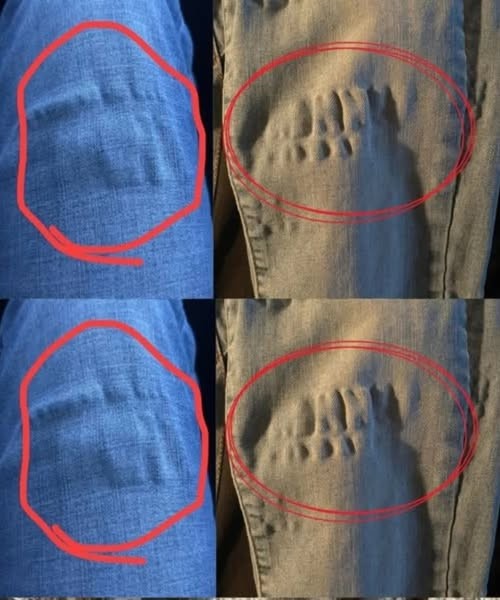

Why Do Jeans Get Ripples or Wavy Lines After Washing?
Jeans are valued for their durability, comfort, and ability to adapt to regular wear. Yet many people notice an unwelcome change after laundry day: ripples, puckering, twisting, or wavy lines across the legs, around the thighs, near the knees, or beside the seams. These marks can make denim look uneven even when the jeans are clean and otherwise in good condition.
In many cases, rippled jeans are not permanently damaged. The appearance may improve after careful reshaping while damp, gentle ironing, or a more suitable washing routine. However, repeated exposure to excessive heat, rough mechanical action, and improper drying can make distortion more noticeable over time. Understanding how denim is made and how its fibers respond to water, heat, and movement is the first step toward keeping jeans smoother for longer.
Uneven Shrinkage Is a Common Cause of Rippling in Jeans
One of the most common reasons jeans develop wavy lines after washing is uneven shrinkage. Traditional denim is usually made primarily from cotton, a natural fiber that can change dimensions when it absorbs water and dries. Cotton yarns may relax in water, then contract as they dry, particularly when exposed to heat.
Denim is not always constructed from a single, uniform layer of fabric. Jeans contain seams, pocket linings, waistbands, belt loops, hems, labels, reinforcements, and thread. Each of these components can react differently during laundering. If one part of the garment shrinks or contracts more than an adjacent part, the fabric may pull into small waves or puckers.
For example, the outer denim fabric may respond differently than the stitching used along the inseam or side seam. A seam that contracts less than the fabric around it can create a visible ridge. Conversely, a seam that pulls more tightly can cause the nearby denim to gather. This is why ripples often appear along the inner leg, outer leg, waistband, or around reinforced areas.
The issue can be more obvious after the first few washes, especially with untreated or minimally pre-shrunk denim. Many modern jeans are sold as pre-washed or pre-shrunk, but this does not mean they will never change shape. Small amounts of shrinkage, relaxation, or twisting can still occur through normal use and laundering.
Heat Can Change the Shape and Feel of Denim
Hot water and high dryer temperatures can increase the likelihood of denim shrinkage and surface distortion. Heat accelerates drying and may cause cotton fibers to contract more noticeably. When the entire garment dries unevenly, the resulting tension can leave waves in the fabric.
High heat may also be especially challenging for jeans that contain stretch fibers. While occasional tumble drying according to the care label may be appropriate for some garments, frequent high-temperature drying can reduce the lifespan of certain elastic components. The Federal Trade Commission’s textile care labeling system emphasizes that consumers should follow the manufacturer’s care instructions, which are designed for the particular fiber blend and construction of a garment.
Over-drying can make jeans feel stiff and may set an undesirable shape into the fabric. This does not necessarily mean the denim is ruined, but it can make wrinkles and puckering harder to relax. Removing jeans from the dryer while they are still slightly damp, then smoothing and air drying them, is often a gentler approach.
Stretch Denim Can Develop Waves Over Time
Many popular jeans are made with a blend of cotton and elastane, also known as spandex or Lycra-type elastic fiber. Stretch denim can offer greater flexibility and a close-fitting silhouette, but it requires thoughtful care. Cotton and elastane do not behave identically in heat, moisture, and repeated mechanical movement.
Over time, stretch denim may develop areas that look wavy, baggy, or uneven, particularly around the knees, thighs, seat, and waistband. Some of this is a normal result of wear: fabric repeatedly stretches as the body moves, then partially recovers. The degree of recovery depends on the fabric’s composition, construction, quality, fit, and care history.
Excessive heat can be particularly problematic for garments containing elastane. A low-temperature wash and air drying routine can help preserve the garment’s stretch and reduce the chance that different fibers will react unevenly. It is also useful to avoid leaving wet stretch jeans tightly twisted in a laundry basket, where folds and tension may encourage creasing or distortion as the fabric dries.
Manufacturing Tension and Fabric Construction Matter
Not every ripple is caused by a washing mistake. The way jeans are cut, sewn, finished, and assembled can influence how they look after laundering. During manufacturing, fabric panels are sewn together under tension. Ideally, the fabric, thread, and sewing settings are balanced so that the finished garment lies flat. If the tension is uneven, the jeans may appear smooth at first but develop puckering after washing.
Denim also has a distinctive woven structure. Most classic denim uses a twill weave, recognizable by its diagonal lines. This construction gives denim strength and character, but it can also contribute to a phenomenon commonly called leg twist. After washing, the legs of some jeans may rotate slightly so that the side seam shifts toward the front or back of the leg. This is more common in certain rigid denims and can be influenced by fabric finishing, cutting direction, and shrinkage.
Price alone does not determine whether jeans will ripple or twist. Higher-quality manufacturing may reduce the risk through better fabric selection and construction controls, but even well-made cotton garments can change slightly with laundering. Conversely, an inexpensive pair may remain stable if its fabric and finishing are well suited to its intended care method.
Overloading the Washing Machine Can Distort Jeans
How jeans move through the washing machine also matters. An overloaded machine limits water circulation and can cause garments to twist together. Heavy items such as towels, hoodies, bedding, or multiple pairs of jeans can create substantial friction and pulling during a wash cycle.
When jeans are compressed tightly with other laundry, they may emerge tangled, creased, or stretched in unusual directions. This is particularly likely in loads that combine lightweight clothing with heavy absorbent fabrics. The wrinkles may disappear once the jeans are worn or reshaped, but repeated rough washing can make the problem more persistent.
For better denim care, wash jeans with similar-weight items and avoid packing the drum too full. Turning jeans inside out before washing can reduce abrasion on the visible outer surface and may help preserve color. Closing zippers, fastening buttons, and emptying pockets can also limit snagging and uneven pulling.
Why Ripples Often Appear Around Seams, Thighs, and Knees
The location of rippling can provide clues about its cause. Waves near seams often point to differences in shrinkage or stitching tension. Puckering around the waistband may occur because several layers of fabric, interfacing, thread, and elastic components are concentrated in one area. A wavy hem can result when the hem edge dries more quickly or contracts differently than the leg fabric.
Ripples around the thighs and knees may be connected to both laundering and everyday movement. These are high-flex areas where the fabric bends, stretches, and rubs against the body. Slim or skinny jeans can show these effects more readily because the fabric is under more tension during wear. Jeans that are too tight may also pull across the thighs and knees, creating temporary wrinkles that become more apparent after washing and drying.
In some cases, what appears to be damage is simply the denim settling into a worn-in shape. Cotton denim naturally develops creases and fading patterns with use. If the fabric remains smooth when laid flat and the ripples lessen while worn, the effect may be cosmetic rather than a sign of significant fabric failure.
How to Prevent Wavy Lines and Puckering in Jeans
Gentle laundering is the most practical way to reduce the chance of ripples in jeans. Always begin with the care label, as the manufacturer’s instructions take priority over general advice. Different denim blends and finishes can have different requirements.
- Wash jeans in cold or cool water unless the care label specifies otherwise.
- Turn jeans inside out to reduce surface abrasion and color loss.
- Use a gentle or normal cycle rather than an aggressive wash setting when possible.
- Wash with similarly weighted garments and do not overload the machine.
- Use an appropriate amount of detergent; excessive detergent can leave residue and may require additional rinsing.
- Remove jeans from the washer promptly instead of allowing them to remain tightly bunched while wet.
- Shape the legs, seams, and waistband gently by hand before drying.
- Air dry when possible, ideally hanging jeans from the waistband or laying them flat according to their care instructions.
- If using a dryer, choose a low-heat setting and remove the jeans while still slightly damp.
These steps can also help jeans maintain their color and overall fit. Lower-temperature laundering is generally gentler on cotton fibers and elastic blends, while reduced tumbling limits friction and mechanical stress.
Can You Fix Jeans That Already Have Ripples?
Many cases of mild puckering can be improved. Start by washing the jeans according to the label in cool water, then remove them promptly. While the fabric is damp, lay the jeans flat or hang them neatly and smooth the affected areas with your hands. Gently pull the seams into their natural position without stretching the fabric forcefully.
A steam iron may help relax wrinkles and minor ripples if the care label allows ironing. Turn the jeans inside out, use a temperature appropriate for the fiber content, and avoid pressing directly on decorative finishes, patches, or prints. Steam can be useful because moisture and controlled heat help fibers relax, but excessive heat should be avoided, especially for stretch denim.
If the ripples are caused by permanent fabric distortion, weakened stretch fibers, or a construction issue, they may not disappear completely. In that situation, a tailor may be able to assess whether a seam can be adjusted, although alterations are not always practical or cost-effective for casual jeans. If a new pair develops severe puckering after only one or two washes despite following the care label, contacting the retailer or manufacturer may be reasonable.
When to Replace or Repurpose Distorted Jeans
Rippling alone does not necessarily mean jeans need to be discarded. If the garment remains comfortable, structurally sound, and functional, minor waves are often only an aesthetic concern. However, replacement may be worth considering when stretch denim no longer recovers, seams are pulling apart, fabric has become excessively thin, or the fit has changed enough to make the jeans uncomfortable.
Consumers can also consider repair, resale, donation where accepted, or textile recycling options. Extending the usable life of clothing can reduce unnecessary waste, and many communities now offer textile collection programs for garments that are no longer suitable for wear.
Key Takeaway: Gentle Care Helps Jeans Keep Their Shape
Wavy lines and ripples in jeans usually result from a combination of fiber behavior, seam construction, washing-machine movement, and drying heat. Cotton can shrink or relax unevenly, while stretch fibers may respond differently to repeated laundering. Manufacturing tension and the natural characteristics of denim weaving can also contribute to puckering or leg twisting.
The best prevention is straightforward: follow the care label, wash jeans in cool water, avoid overcrowding the machine, reshape the garment while damp, and use low heat or air drying whenever practical. These habits will not eliminate every change in a well-worn pair of denim, but they can significantly reduce distortion and help jeans retain their intended fit and appearance.
Sources
- Federal Trade Commission: Textile, Wool and Fur Product Labeling Requirements
- U.S. Department of Energy: Clothes Washers and Energy-Saving Laundry Practices
- U.S. Department of Energy: Clothes Dryers
- U.S. Environmental Protection Agency: Reducing Waste and Recycling Information
- Good Housekeeping: How to Wash Jeans
Disclaimer: This content is intended for entertainment purposes only and is not based on real events.