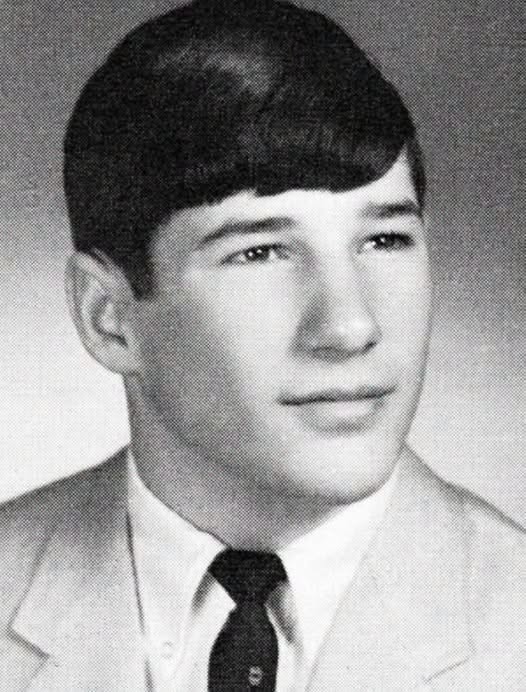

Richard Gere: Career, Human Rights Advocacy, and Lasting Cultural Influence
Richard Gere became one of the most recognizable actors of his generation through a career that combined major studio films, acclaimed dramatic performances, and a public commitment to humanitarian causes. From his early work in theater to internationally successful films such as American Gigolo, An Officer and a Gentleman, Pretty Woman, and Chicago, Gere developed a screen image that balanced charisma with restraint.
His public identity, however, has never been limited to movie stardom. Over several decades, Gere has spoken about human rights, Buddhist practice, and the status of Tibet. His advocacy has made him a notable example of an entertainer whose public life extends beyond the entertainment industry. While his career includes commercial success and awards recognition, it also reflects a deliberate interest in varied roles, personal conviction, and work outside Hollywood.
Early Life and Interest in Music and Theater
Richard Tiffany Gere was born on August 31, 1949, in Philadelphia, Pennsylvania, and grew up in Syracuse, New York. His father, Homer Gere, worked in insurance and later became involved in community service, while his mother, Doris Ann, was a homemaker. Gere showed an interest in creative pursuits at an early age, particularly music. He learned to play several instruments, including the trumpet, and his experience with music helped shape his early interest in performance.
After high school, Gere attended the University of Massachusetts Amherst on a gymnastics scholarship. He studied philosophy before leaving college without graduating. His decision to pursue acting was not unusual for young performers of the era, but it required persistence. Rather than entering film immediately, he built experience through theater, where actors often develop the technical skills and professional discipline needed for long-term careers.
In the late 1960s and early 1970s, Gere worked with theater companies in the United States and appeared in stage productions in Seattle, Provincetown, and London. One important early role came in the London production of the musical Grease, in which he played Danny Zuko. Theater gave Gere an opportunity to work in front of live audiences and establish himself before he became known to film viewers worldwide.
Richard Gere’s Breakthrough in 1970s Cinema
Gere began appearing in films during the 1970s, a period when American cinema was producing character-driven dramas and giving opportunities to a new generation of actors. His early work included a small role in Report to the Commissioner in 1975. He received wider attention with Looking for Mr. Goodbar in 1977, directed by Richard Brooks and starring Diane Keaton.
His role in Terrence Malick’s 1978 drama Days of Heaven helped establish his reputation as a serious young actor. The visually distinctive film, set in the Texas Panhandle during the early 20th century, later gained a strong critical reputation. Gere played Bill, a laborer whose choices contribute to the story’s emotional tension. The performance showed that he could work effectively in a quiet, atmospheric film that relied heavily on expression and mood rather than extensive dialogue.
Another significant early project was Yanks in 1979, directed by John Schlesinger. Set in Britain during World War II, the film featured Gere as an American soldier stationed overseas. Although it was not the film that made him a global star, it strengthened his standing as an actor capable of leading sophisticated romantic dramas.
American Gigolo and the Rise of a Hollywood Leading Man
Gere’s major commercial breakthrough arrived with Paul Schrader’s 1980 film American Gigolo. He played Julian Kaye, a Los Angeles escort whose carefully constructed lifestyle begins to unravel after he is connected to a criminal investigation. The role made Gere a prominent Hollywood leading man and helped define his public image during the 1980s.
The film was notable for its sleek visual style, fashion-conscious presentation, and electronic score by Giorgio Moroder. Gere’s performance depended on controlled body language and emotional reserve, qualities that became associated with his acting style. His portrayal did not treat the character as a simple romantic hero; instead, it presented a man whose confidence masks vulnerability and isolation.
American Gigolo also demonstrated how a single film can shape an actor’s career. Gere became closely identified with romantic and sophisticated leading roles, but he did not remain exclusively in that category. In later years, he moved between romance, musicals, courtroom dramas, independent films, and character-driven stories.
Major Films: From An Officer and a Gentleman to Pretty Woman
In 1982, Gere starred in An Officer and a Gentleman, directed by Taylor Hackford. He played Zack Mayo, a Navy Aviation Officer Candidate struggling with his past while undergoing demanding training. The film became a major success and remains one of the best-known romantic dramas of its period. Gere’s performance combined toughness with emotional uncertainty, helping make the central relationship believable without reducing the story to a conventional romance.
The film received several Academy Award nominations and won two Oscars, including Best Supporting Actor for Louis Gossett Jr. Its success reinforced Gere’s place among the most prominent male stars in American cinema during the 1980s.
Gere reached an even broader international audience through Pretty Woman in 1990. Directed by Garry Marshall, the romantic comedy paired Gere with Julia Roberts, who played Vivian Ward. Gere portrayed Edward Lewis, a wealthy corporate businessman whose relationship with Vivian changes both characters. The film became a major box-office success and has remained a widely recognized work in popular culture.
Although Pretty Woman is often remembered for its fairy-tale tone, its longevity also reflects the chemistry between its leads and the effectiveness of its humor. Roberts received an Academy Award nomination for her performance, while Gere’s role cemented his association with polished romantic leads. The film has continued to be discussed as an influential example of the modern Hollywood romantic comedy.
Expanding His Range as an Actor
Throughout his career, Gere took roles that challenged the expectations created by his early success. In Internal Affairs in 1990, he played a corrupt police officer opposite Andy García. The role differed sharply from his romantic screen persona and demonstrated a willingness to portray morally compromised characters.
He also appeared in films including Primal Fear in 1996, where he played defense attorney Martin Vail. The legal thriller introduced many audiences to Edward Norton, whose supporting performance earned an Academy Award nomination. Gere’s character was confident, ambitious, and ethically complicated, making the film one of his more notable dramatic roles of the decade.
In 2002, Gere starred in the screen adaptation of the musical Chicago, directed by Rob Marshall. He played Billy Flynn, an influential lawyer who understands the power of media attention and courtroom spectacle. Gere sang and danced in the film, showing skills that connected to his early experience in music and theater. Chicago won the Academy Award for Best Picture, and Gere received a Golden Globe Award for Best Actor in a Motion Picture Musical or Comedy.
Later projects further demonstrated his interest in varied material. In Arbitrage in 2012, Gere played Robert Miller, a wealthy financier under growing professional and personal pressure. The performance earned him a Golden Globe nomination and was praised by critics for its tension and complexity. In Time Out of Mind in 2014, he played a man experiencing homelessness in New York City, a role that required a more understated and observational approach.
Buddhism, Tibet, and Human Rights Advocacy
Beyond acting, Richard Gere is widely known for his commitment to Buddhism and Tibetan causes. He became interested in Tibetan Buddhism in the late 1970s and has described the Dalai Lama as an important spiritual teacher. Gere has supported the preservation of Tibetan culture and has advocated for human rights for Tibetan people.
In 1987, he established the Gere Foundation, which supports a range of humanitarian initiatives. Its work has included support for Tibetan cultural and human rights organizations, public health efforts, and programs serving vulnerable communities. The foundation’s stated mission reflects Gere’s longstanding effort to connect philanthropy with issues he has publicly discussed for decades.
Gere has also served as chairman of the International Campaign for Tibet, an advocacy organization that promotes human rights and seeks dialogue concerning Tibet’s future. His activism has drawn international attention, particularly because Tibet remains a politically sensitive issue in relations between China and other countries.
His advocacy has had personal consequences. Gere has said publicly that he has been barred from entering China because of his support for Tibet and his criticism of Chinese government policies. The situation illustrates the complex position public figures can face when advocacy intersects with international politics. It also shows why celebrities who address human rights issues may encounter professional and diplomatic pressures.
Public Life, Family, and Privacy
Like many major film stars, Gere’s relationships and family life have received extensive media attention. He was married to model Cindy Crawford from 1991 to 1995. He later married actor and model Carey Lowell in 2002, and they have a son together. In 2018, Gere married Spanish publicist Alejandra Silva. The couple have two children.
Despite the interest surrounding his private life, Gere has generally maintained boundaries between public attention and family life. Interviews and public appearances have often focused on his films, spiritual interests, and charitable work rather than detailed discussion of his home life. This approach is consistent with a broader pattern among long-serving actors who seek to preserve a distinction between professional visibility and personal privacy.
Richard Gere’s Enduring Legacy in Film and Culture
Richard Gere’s legacy cannot be measured only through ticket sales, awards, or magazine covers. Those achievements are significant, but his career is also defined by endurance. He has remained active across multiple decades while adapting to changing trends in filmmaking and celebrity culture.
His best-known films helped shape the romantic-drama and romantic-comedy genres for large international audiences. At the same time, performances in films such as Days of Heaven, Primal Fear, Arbitrage, and Time Out of Mind show an actor who continued to pursue dramatic challenges beyond familiar star roles.
Gere’s humanitarian work has also influenced public perceptions of his career. His advocacy for Tibetan rights and his support for charitable initiatives have made him one of the more visible examples of a Hollywood actor using international recognition to discuss political and social issues. Supporters view that work as evidence of sustained personal commitment, while observers may differ on the role celebrities should play in public debates. What is clear is that Gere has remained consistent in the causes he has chosen to support.
For audiences, Richard Gere remains associated with some of modern Hollywood’s most enduring films. For the film industry, he represents a performer who successfully moved between commercial entertainment and more demanding dramatic material. His career demonstrates that public fame can create opportunities, but lasting influence often depends on artistic choices, professional resilience, and the values an individual continues to express over time.
Sources
Disclaimer: This content is intended for entertainment purposes only and is not based on real events.