

Abandoned Home Yields Over 100 Mysterious White Eggs: Wildlife Experts Weigh In
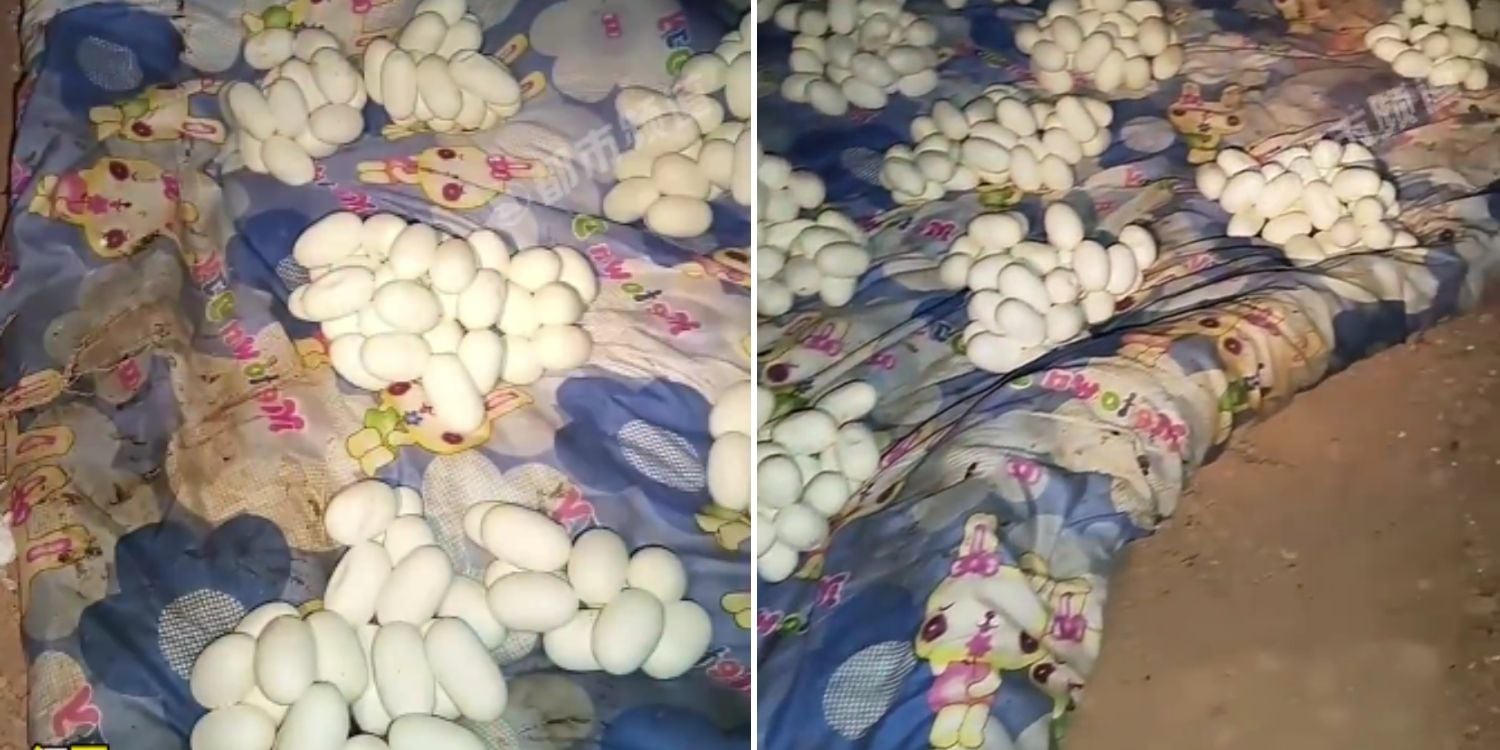
Returning to an abandoned home after months away can often bring surprises, but for one homeowner, the experience was more unexpected than most. Upon entering a bedroom, they encountered over a hundred mysterious white eggs scattered across the bed. The scene raised immediate questions: what creatures could have left such an astonishing array, and how did this occur within the seemingly secure walls of a home?
This unusual event quickly captured the attention of the online community, generating widespread discussion and speculation. While some wondered about snakes or lizards, others thought of birds or even insects. Regardless of the species involved, the find has highlighted the important intersection of human habitation and the wildlife that adapts to it.
Understanding the Origins of Mysterious Home Eggs
The discovery of eggs in a home is rare, but far from impossible. To understand what could lead to over a hundred eggs in such a location, it is necessary to consider the biological habits of various animals commonly found in human environments, as well as the environmental conditions that make abandoned properties attractive to wildlife.
Potential Animal Culprits
Wildlife experts point out that a variety of animals lay eggs that may appear in or near human dwellings, especially when the property is left unused or unsecured. Among the most likely suspects in this case are reptiles, such as snakes and lizards. Unlike birds, which typically produce hard-shelled eggs in carefully constructed nests, many reptiles lay soft, leathery eggs in hidden or protected locations. Depending on the species, a female may lay anywhere from a few dozen to over a hundred eggs at once.
Birds are generally less likely to lay such a large cluster of eggs in a single spot, especially indoors and away from their usual nesting locations. Insects, including some species of moths or beetles, occasionally lay clusters of eggs, but their egg masses usually look quite different from those of reptiles or birds.
Why Abandoned Homes Attract Wildlife
Homes left vacant for months can become ideal habitats for various animals. Without the regular disturbance of human activity, rooms grow quiet and undisturbed, providing a safe haven for wildlife seeking shelter and breeding grounds. Damaged walls, open windows, gaps around doors, broken roofing, and poorly maintained vents can serve as entry points for animals. Bedrooms, storage areas, attics, and basements can quickly transform into temporary nesting sites for creatures entering from outdoors.
This tendency is part of a broader pattern observed worldwide, where urban and suburban wildlife adapt to available shelter and resources in human-built environments.
Expert Advice on Identifying Unknown Eggs
The Challenges of Accurate Identification
Identifying unknown eggs based purely on their size, shape, and color is challenging, even for experts. Many species produce similar-looking eggs, and environmental conditions can further alter their appearance. Wildlife biologists typically use not only physical characteristics, but also the location, arrangement, and other clues to narrow down the possibilities. A professional might collect samples for further examination under laboratory conditions, in order to avoid misidentification and ensure safety.
Reptilian species, for instance, often bury their eggs or hide them in secluded environments. Their eggs may feel leathery, rather than hard, which is a key feature distinguishing them from the hard-shelled eggs of birds. However, some small birds do lay clusters of eggs, particularly in cases of nest parasitism or accidental human disturbance that causes eggs to be scattered.
Risks of Direct Contact
Wildlife experts strongly advise against handling mysterious eggs. There are several reasons for this caution:
- Eggs may be carrying harmful bacteria or parasites transferable to humans or pets.
- Touching, moving, or breaking eggs may damage developing embryos or expose them to fatal environmental changes.
- Incorrectly disposing of eggs could disrupt local ecosystems, especially if the eggs belong to protected or native species.
- If the eggs belong to venomous reptiles, parents may be present or return to the area.
Appropriate Steps for Homeowners
Recommended Actions
If you encounter unfamiliar eggs in your home, it is crucial to act cautiously:
- Do not touch, remove, or attempt to destroy the eggs.
- Keep children and pets away from the area to avoid accidental contact or disturbance.
- Document the scene with photographs if safe, as these can help experts with identification.
- Contact local wildlife authorities, animal rescue groups, or licensed pest control professionals. These organizations can identify the eggs and advise or carry out safe removal, depending on legal and environmental considerations.
In many places, it’s illegal to move or disturb the nests of protected species. Authorities will know how to handle the situation in accordance with local wildlife protection laws and ethical standards.
Wildlife Management and Prevention Strategies
Securing Properties Against Wildlife Entry
To prevent similar surprises in abandoned or infrequently used homes, wildlife and home security experts recommend the following strategies:
- Regularly inspect empty properties, especially after storms or periods of absence.
- Repair damaged roofing, walls, and foundations to eliminate entry points for animals.
- Secure or replace broken window panes and door seals, and use weatherstripping as necessary.
- Install wire mesh over open vents and chimneys to deter entry while maintaining airflow.
- Store food, birdseed, and organic waste securely to avoid attracting animals seeking sustenance.
- Keep yards clear of dense vegetation, overgrown shrubs, and leaf litter adjacent to the home.
These preventive steps not only deter wildlife from nesting indoors but also help maintain the structural integrity and hygiene of the property.
When to Seek Professional Help
Abandoned homes may already host wildlife populations, making DIY removal risky. Local wildlife agencies or certified pest management professionals can safely and humanely remove nests while minimizing harm to both humans and animals. These experts are informed about regional wildlife laws and know how to handle the eggs or creatures found inside homes accordingly.
In some cases, organizations may relocate the animals or eggs, while in other instances, monitoring the site until hatching occurs and then safeguarding the young is advised. It is particularly important to rely on official expertise when dealing with animals that might be venomous, endangered, or protected under conservation agreements.
The Broader Implications: Human Environments and Wildlife Adaptation
As human habitats expand, interactions with wildlife become more frequent. Abandoned or little-used homes become prime examples of how adaptive some animal species can be. The case of over 100 mysterious eggs underscores the resourcefulness of reptiles, birds, and even some insects in finding new places to reproduce and survive. Such stories highlight the need for ongoing education about coexisting with wildlife and encourage responsible actions when unexpected encounters occur.
Ecologists and conservationists remind us that these situations, while surprising, are natural outcomes of the dynamic boundary between urban living and the resilience of local animal populations. Encouraging conversations about wildlife, reminding homeowners to secure their properties, and supporting conservation efforts are key elements in fostering healthy coexistence between humans and the ecosystems around them.
Conclusion: Marvels and Responsibilities of Sharing Spaces with Nature
The peculiar case of over 100 white eggs scattered in an abandoned home serves as a reminder of nature’s ability to find niches and opportunities in the most unlikely places. While it may initially seem alarming, such encounters reflect the broader reality that human habitats are intertwined with the natural world. By responding thoughtfully—with caution, respect for wildlife, and recourse to professional advice—homeowners can ensure safe outcomes for both themselves and the animals that cross their paths. Proactive property care and a general awareness of local wildlife go a long way in minimizing future surprises, while deepening our understanding of the complex relationships between people and wild creatures.
Sources
- National Geographic
- The Wildlife Society
- BBC News
- Centers for Disease Control and Prevention (CDC)
- Audubon Society
- Reuters
Disclaimer: This content is intended for entertainment purposes only and is not based on real events.