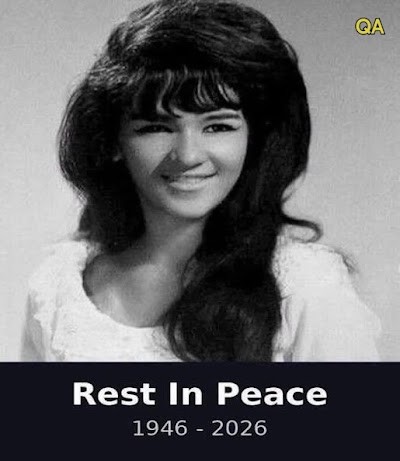

The music world is mourning the loss of Nedra Talley-Ross, the beloved singer whose unforgettable contributions to the legendary girl group The Ronettes helped define the sound of the 1960s. Her passing at the age of 80 marks the end of an extraordinary chapter in American music history. Remembered for her elegance, remarkable vocal talent, and role in creating some of the most recognizable recordings of her generation, Talley-Ross leaves behind a musical legacy that continues to connect with audiences decades after her greatest successes.
Born in New York City in 1946, Nedra Talley grew up surrounded by the musical influences that would eventually shape her career. Alongside her cousins Ronnie and Estelle Bennett, she became part of The Ronettes, a group whose distinctive harmonies, glamorous appearance, and powerful stage presence transformed popular music. Their signature combination of dramatic hairstyles, fashionable clothing, and emotionally expressive performances made them instantly recognizable. At a time when female vocal groups were reshaping the recording industry, The Ronettes established themselves as one of the era’s defining acts.
The group’s greatest breakthrough came with the release of “Be My Baby,” a recording that became one of the most celebrated songs in pop music history. Produced by Phil Spector, the song featured the elaborate orchestration and powerful rhythms associated with his famous Wall of Sound production technique. Talley’s contributions to the group’s vocal harmonies helped create the rich, distinctive sound that audiences immediately embraced. Other memorable recordings, including “Baby, I Love You” and “Walking in the Rain,” further established The Ronettes as influential performers whose music would inspire generations of artists.

After her years in the spotlight, Talley-Ross gradually moved toward a quieter personal life, choosing to focus on family and interests beyond the demanding entertainment industry. Nevertheless, her contributions to popular music remained widely appreciated. In 2007, The Ronettes were inducted into the Rock and Roll Hall of Fame, recognizing their lasting influence on American musical culture. The honor celebrated not only the group’s commercial achievements but also the groundbreaking role its members played in shaping the sound and appearance of modern female vocal performers.
Nedra Talley-Ross will be remembered as an essential voice in a group that helped transform popular music. Her work with The Ronettes captured the excitement, romance, and emotional intensity of an unforgettable musical era. Although the passing of a beloved performer brings sadness to admirers, the recordings she helped create remain a lasting testament to her talent. Every time the opening rhythm of “Be My Baby” fills a room, another generation encounters the extraordinary sound that Talley-Ross helped bring into the world. Her voice and contributions will remain part of music history for generations to come.
From Spanish Harlem to Global Pop Icons
Before they conquered international airwaves and toured alongside The Beatles and The Rolling Stones, Nedra Talley, Ronnie Bennett (later Ronnie Spector), and Estelle Bennett were three close-knit cousins growing up in New York’s Washington Heights and Spanish Harlem neighborhoods. Music was not an abstract ambition in their household—it was a family language. Encouraged by their mothers and grandmothers, the trio practiced harmonies in living rooms, entered local talent competitions at the legendary Apollo Theater, and honed their choreography in mirror-lined dance halls.
In 1961, their kinetic energy caught the attention of management at Manhattan’s famed Peppermint Lounge—the epicenter of the Twist dance craze. Initially hired to dance and keep the crowd energized, the trio quickly stepped up to the microphones, proving that their vocal blend possessed a raw, streetwise magnetism that set them apart from the more demure pop acts of the early 1960s.
The Architecture of the Ronettes’ Sound and Style
What made The Ronettes revolutionary was not merely hit songwriting, but the seamless fusion of vocal power and visual boldness. While Ronnie Spector’s unmistakable vibrato carried the lead melody, Nedra Talley and Estelle Bennett provided the crucial harmonic anchor—blending lush, soaring backing vocals that could cut cleanly through dense, multi-layered studio instrumentation.
This distinct aesthetic broke barriers for women of color in mainstream American pop. As a multiracial trio—combining African American, Native American, and Puerto Rican heritage—The Ronettes brought authentic New York attitude to global stages, directly inspiring generations of artists ranging from Brian Wilson of The Beach Boys and Bruce Springsteen to Amy Winehouse and Bruno Mars.
Stepping Away from the Noise: Grace Beyond the Spotlight
The music industry of the 1960s was notoriously unforgiving, particularly for young female artists navigating complex contracts, grueling tour schedules, and intense personal pressures. Following the group’s dissolution in the late 1960s, Nedra Talley-Ross made a deliberate, courageous choice: rather than chasing endless nostalgia circuits or allowing industry turmoil to define her adult life, she stepped away from commercial performing.
Marrying Scott Ross—a former radio DJ who became a prominent television journalist—she devoted herself to family life, faith, community work, and personal peace. Her decision stood as a quiet testament to self-preservation. While she remained proud of her musical heritage and stood alongside her cousins during long legal battles to secure fair royalties—as well as their triumphant 2007 Rock and Roll Hall of Fame induction—Talley-Ross demonstrated that a life does not need constant public applause to remain rich, purposeful, and fulfilled.

An Unbroken Thread in Popular Music
With the passing of Estelle Bennett in 2009, Ronnie Spector in 2022, and now Nedra Talley-Ross at 80, all three original members of The Ronettes have left the stage. Yet their collective imprint on modern culture remains impossible to erase.
Every dramatic drum intro in modern pop, every fearless eyeliner wing, and every vocal harmony built to convey pure, unfiltered longing carries traces of what those three cousins created together in New York more than sixty years ago. Nedra Talley-Ross’s voice helped turn fleeting three-minute pop singles into timeless emotional landmarks—ensuring that whenever the music starts, her grace and artistry remain vibrantly alive.