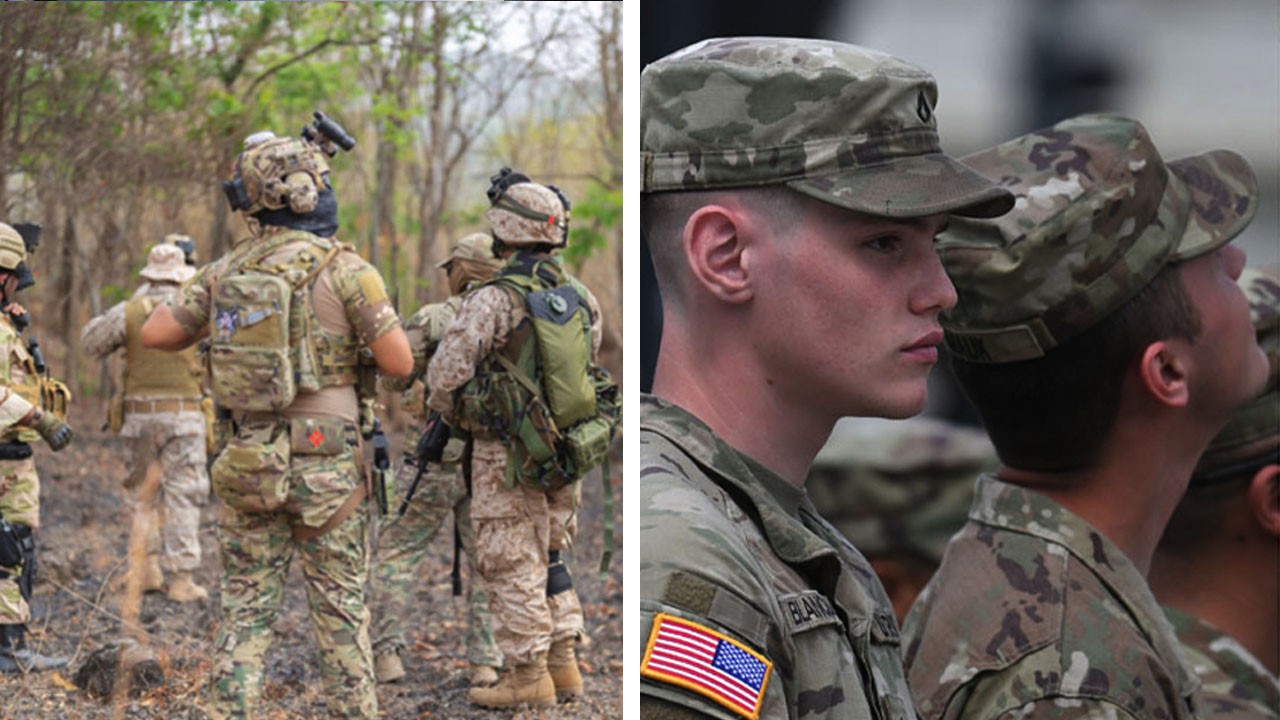

US Military Draft Registration and Automatic Enrollment Explained
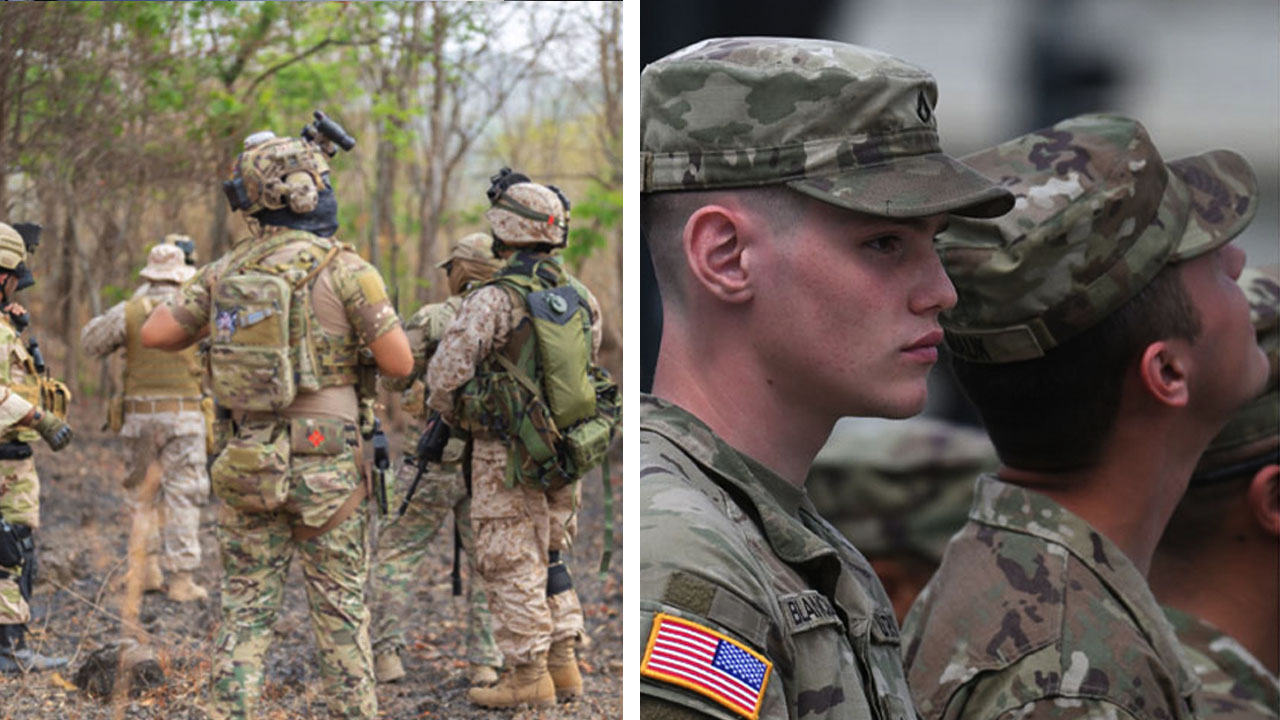
The United States maintains an all-volunteer military force, meaning that people generally choose to enlist or accept a commission in the armed services. However, the federal government also operates the Selective Service System, a preparedness program designed to identify people who could potentially be called for service if Congress and the president authorized a military draft in the future.
For decades, most men living in the United States have been required to register with Selective Service around their 18th birthday. Registration is not the same as military service, and it does not mean that a person has been drafted, assigned to a branch of the military, or placed in active-duty training. It is an administrative requirement intended to preserve a system for national mobilization during an extraordinary emergency.
Recent policy discussions have focused on whether Selective Service registration should move from an individual responsibility to a more automated government process. Supporters of automatic registration argue that it could improve compliance, reduce administrative costs, and ensure that the government’s records are more complete. At the same time, questions about military readiness, personal responsibility, privacy, and the prospect of a future draft continue to shape public debate.
What Is the Selective Service System?
The Selective Service System is an independent federal agency established to administer registration for a possible military draft. It does not recruit people for the armed forces, decide who joins the military, or conduct routine enlistment. Those functions belong to the Department of Defense and the individual military branches.
Under current federal law, most male U.S. citizens and male immigrants between the ages of 18 and 25 are required to register. In general, registration must occur within 30 days of a person’s 18th birthday. Men who enter the United States after turning 18 may also be required to register if they are still under age 26 and meet the eligibility criteria.
The system’s purpose is contingency planning. If Congress were to authorize induction into the armed forces, Selective Service would use its registration database as part of the process for identifying people who could be considered. A draft would require separate legal and political action; registration alone cannot activate one.
The United States last used a military draft during the Vietnam War era. Inductions ended in 1973, and the country has relied on an all-volunteer force ever since. Registration was later resumed in 1980 during the administration of President Jimmy Carter, amid heightened international tensions following the Soviet invasion of Afghanistan. Since then, registration has remained in place even though no one has been drafted.
Automatic Selective Service Registration: What It Means
Automatic registration refers to a system in which an eligible person’s information could be added to Selective Service records using existing government data, rather than relying solely on each individual to complete registration independently. Depending on the legal and administrative design, relevant data could come from federal agencies or state-level records.
Advocates say this approach could address a persistent compliance problem. Not every eligible person registers on time, sometimes because they are unfamiliar with the requirement, move frequently, lack access to reliable information, or incorrectly assume that registration occurs automatically. Selective Service has historically relied on public-awareness campaigns, school outreach, state partnerships, and online registration tools to encourage compliance.
Many states already connect Selective Service registration to services such as driver’s license applications or state identification cards. These arrangements can make the process easier for eligible residents, although the exact process varies by state. An expanded federal automatic-registration system would seek to make participation more consistent across the country.
Any major change to federal registration practices must be implemented in accordance with enacted law, agency procedures, data-protection standards, and applicable privacy rules. Specific implementation dates, data-sharing arrangements, and eligibility rules should be checked against official Selective Service announcements and the final text of any relevant legislation.
Why Policymakers Support a More Automated System
Proponents of automatic registration often describe it as an efficiency and readiness measure rather than a signal that a draft is imminent. Their central argument is that a contingency system works best when its records are accurate and broad-based. If a substantial share of eligible people are absent from the registration database, the system may be less reliable if it is ever needed.
Automated enrollment could also reduce the burden on young adults. Many people turn 18 while balancing school, work, family responsibilities, relocation, or other major life transitions. A process that uses existing government information may reduce accidental noncompliance and make the requirement less dependent on public awareness.
Another potential benefit is reduced spending on reminders and outreach. Federal agencies regularly devote resources to informing people about legal obligations. Supporters believe that shifting some administrative responsibility to the government could allow more resources to be directed toward maintaining accurate systems, cybersecurity, emergency planning, and other readiness priorities.
There is also a fairness argument. A registration requirement that depends heavily on individual knowledge can affect people differently based on access to information, family support, educational resources, or interaction with government services. Automatic systems may create more uniform coverage, provided they include clear notice procedures and accessible ways to correct errors.
Does Automatic Registration Mean a Military Draft Is Returning?
No. Automatic registration and military conscription are legally distinct issues. A change in the method of registration does not by itself authorize the president, the Department of Defense, or Selective Service to draft anyone into military service.
For a draft to return, Congress would need to pass legislation authorizing inductions under the Military Selective Service Act or another applicable legal framework. The president would also play a central role in initiating the process under the authority Congress provides. That decision would involve substantial congressional debate, public scrutiny, military planning, and legal review.
The all-volunteer force remains the foundation of U.S. military personnel policy. The Army, Navy, Air Force, Marine Corps, Space Force, Coast Guard, National Guard, and Reserve components recruit volunteers and use a mix of active-duty and reserve personnel to meet national security requirements. In ordinary circumstances, the government relies on these volunteer forces rather than conscription.
Public anxiety about a possible draft can increase during international crises, military operations, or periods of geopolitical uncertainty. It is important to distinguish between concern about world events and a confirmed change in U.S. law. Official statements from Congress, the White House, the Department of Defense, and Selective Service are the most reliable sources for information about any actual policy change.
Who Is Required to Register With Selective Service?
According to Selective Service guidance, most male U.S. citizens and male immigrants living in the United States are required to register between ages 18 and 25. This includes many lawful permanent residents, refugees, asylum seekers, and undocumented immigrants. Registration does not determine immigration status, and Selective Service does not enforce immigration law.
There are exceptions and special circumstances. For example, some people who are hospitalized, institutionalized, incarcerated, or otherwise unable to register during the normal period may have grounds to explain or document their circumstances. Individuals should consult Selective Service directly for current rules, exemptions, and procedures.
Women are not currently required to register under federal law. The issue has been debated in Congress and reviewed in court challenges, particularly as women have taken on broader roles across the armed forces. In 2021, the U.S. Supreme Court declined to review a challenge to the male-only registration requirement, while noting that Congress remains responsible for considering changes to the law.
People who are uncertain about their status can verify their registration through the official Selective Service website. Keeping personal information current is also important, since registrants are generally expected to report certain address changes until age 26.
Consequences of Failing to Register
Federal law provides penalties for knowingly and willfully failing to register when required. The law allows for criminal sanctions, including possible fines and imprisonment, although enforcement practices and individual circumstances can vary. In practical terms, failure to register may also affect eligibility for certain federal employment opportunities or other benefits governed by federal or state rules.
Because the rules can be complex, people who missed the registration deadline should not assume that they have no options. Selective Service provides information for men who are older than 26 and did not register, including guidance on how to request a status information letter. Such documentation may help explain whether a failure to register was knowing and willful when another agency requests proof of compliance.
Automated registration could reduce these problems by limiting the number of people who inadvertently miss the deadline. However, any automated system would need reliable safeguards. People should be able to confirm whether they were registered, correct inaccurate personal data, and seek review if they believe they were added or categorized improperly.
Privacy, Data Accuracy, and Public Accountability
Expanding automatic registration raises legitimate questions about how government agencies collect, match, store, and protect personal information. A system based on federal records would need to comply with privacy laws, data-security practices, and rules governing information sharing among agencies.
Policy experts commonly emphasize that effective administration requires transparency. The public should be able to understand which datasets are being used, what information is collected, how records are protected, and how long information is retained. Clear notification procedures can help ensure that eligible people know they have been registered and understand how to review their status.
Accuracy is equally important. Government databases can contain outdated addresses, duplicated records, typographical errors, or incomplete information. A well-designed automatic system would need procedures for resolving discrepancies without placing unreasonable burdens on the people affected.
These concerns do not necessarily prevent automation, but they underscore why implementation details matter. Congressional oversight, public reporting, independent security assessments, and accessible appeals processes can strengthen confidence in any new registration framework.
The Broader Debate Over National Service and Military Readiness
The discussion around Selective Service is part of a larger national conversation about military readiness and civic responsibility. Some analysts argue that preserving a draft-registration system is a prudent safeguard, even if it is never used. They believe a large-scale national emergency could require capabilities beyond those available through voluntary recruitment alone.
Others question whether a draft-era model is suited to modern military needs. Today’s armed forces depend heavily on specialized training, advanced technology, professional leadership, and technical expertise. Critics of conscription argue that volunteer forces are generally better aligned with these requirements and that any future manpower policy should reflect contemporary military realities.
There are also wider debates about national service outside the military. Some advocates support voluntary civilian programs in public health, disaster response, conservation, education, and infrastructure. These proposals are separate from Selective Service but share broader questions about civic participation, opportunity, and how communities prepare for national challenges.
What Young Adults and Families Should Know
For most eligible men, the immediate issue is straightforward: Selective Service registration is an existing legal requirement, while a military draft is not currently active. Registering does not mean someone will be sent into military service, and changes to registration procedures should not be confused with a decision to reinstate conscription.
People should use official government resources to check their registration status and learn about eligibility. They should also be careful with social media posts or headlines that claim a draft has been activated without citing an official law, executive action, or statement from the responsible federal agencies.
As policymakers consider automatic registration, the central questions will concern efficiency, fairness, privacy, cost, and public confidence. Whatever system is ultimately adopted, accurate information and transparent administration will be essential. The United States has maintained Selective Service registration for decades as a contingency measure, but any actual return to a draft would require a separate and highly consequential decision by elected officials.
Sources
Disclaimer: This content is intended for entertainment purposes only and is not based on real events.
