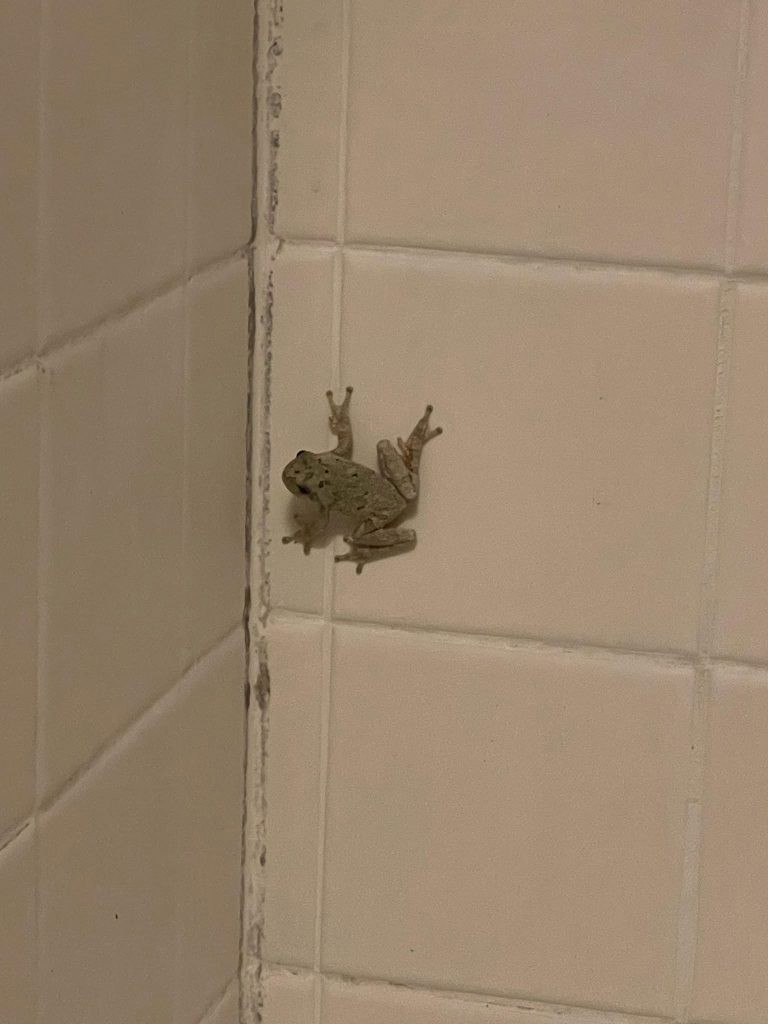

What Does It Mean When You Find a Frog in Your Bathroom?
Finding a frog in your bathroom can be an unexpected experience. A small amphibian near the bathtub, toilet, shower drain, or a damp corner may prompt questions about how it got indoors and whether its appearance has a special meaning. For many people, a frog in the home is simply a surprising encounter with local wildlife. For others, frogs carry cultural associations with luck, renewal, rainfall, prosperity, and transformation.
Both perspectives can coexist. Scientifically, a frog in a bathroom is usually there because the space offers moisture, shelter, and a possible route inside. Symbolically, people may choose to see the encounter as a positive reminder of nature, change, or seasonal renewal. What matters most is separating cultural tradition from biological fact and responding in a way that protects both the animal and the household.
Why Frogs Are Drawn to Bathrooms
The most practical explanation for finding a frog in a bathroom is moisture. Frogs are amphibians, and many species depend on moist environments to support their sensitive skin and normal body functions. Unlike mammals, frogs do not have fur or scales that provide a strong barrier against drying. Their skin plays an important role in water balance and, in many species, gas exchange. As a result, dry indoor conditions can be stressful for them, while damp spaces may seem temporarily suitable.
Bathrooms can provide several features that attract a wandering frog. Wet floors, condensation, dripping taps, shower areas, cool tile, laundry spaces, and gaps around plumbing may create a sheltered microenvironment. During periods of hot weather, drought, heavy rain, or seasonal movement, a frog may enter a home while looking for cover or following insects attracted to lights.
Frogs can get inside through surprisingly small openings. Common entry routes include spaces beneath exterior doors, damaged window screens, open doors, vents, pet doors, cracks in foundations, and openings around pipes or utility lines. In some homes, frogs may enter through floor drains or plumbing-related gaps, although this is less common than entry through doors, windows, and exterior openings.
A frog indoors does not necessarily mean there is a larger problem with household cleanliness. It is more often a sign that the animal found an accessible route and a favorable damp resting spot. However, repeated sightings may indicate that an entry point needs attention or that the outdoor area close to the house provides particularly attractive shelter.
Do Frogs in the House Have a Spiritual Meaning?
Across many cultures, frogs have been associated with water, rain, fertility, transformation, and abundance. These connections developed naturally because frogs often become more visible during rainy seasons and because their life cycle—from egg to tadpole to adult—provides a striking example of metamorphosis. In agricultural societies, rainfall was essential for crops, and the appearance or calls of frogs could be linked in people’s minds with seasonal rain and productive land.
Some people interpret a frog near a home as a favorable sign. In various folk traditions, frogs can represent new beginnings, adaptability, or good fortune. Decorative symbols inspired by Chinese folklore, including the three-legged money frog often called Chan Chu or Jin Chan, are commonly associated with wealth and prosperity in popular Feng Shui traditions. These objects are cultural symbols rather than biological evidence that a real frog predicts financial outcomes.
It is important to distinguish belief from fact. There is no scientific evidence that finding a frog in a bathroom forecasts money, happiness, a major life event, or future opportunities. Symbolic interpretations are personal or cultural expressions, and they may be meaningful to individuals without being testable predictions. A balanced view is to appreciate the traditions surrounding frogs while recognizing that the animal likely entered for environmental reasons.
For people who enjoy symbolic interpretations, seeing a frog can be a gentle prompt to think about resilience and change. For those who prefer a scientific explanation, it is an opportunity to observe how wildlife responds to shelter, moisture, and seasonal conditions around homes. Neither response requires fear or alarm.
Frogs as Symbols of Transformation and Renewal
Frogs are widely recognized as symbols of transformation because of their distinctive development. Most frog species begin life as eggs in water. They hatch into tadpoles, which typically have tails and gills and live fully aquatic lives. During metamorphosis, tadpoles gradually develop limbs, lungs, and adult body structures. This biological process has made frogs a natural symbol of growth and transition in art, literature, education, and folklore.
The connection between frogs and renewal also reflects their seasonal behavior. In many regions, frogs become more active during warm, wet periods. Their calls can be a familiar sound of spring or the rainy season. Because amphibians are sensitive to changes in habitat and water quality, their presence can also remind people of the importance of healthy wetlands, ponds, streams, and gardens.
Scientists often regard amphibians as important parts of ecosystems. Frogs eat insects and other small invertebrates, while frogs and tadpoles also serve as food for birds, fish, reptiles, and mammals. Tadpoles can contribute to nutrient cycling in freshwater habitats. Although the role of a particular species varies by location, frogs are generally valuable members of food webs and are not pests simply because one has wandered into a home.
What to Do if You Find a Frog in Your Bathroom
If you find a frog indoors, the safest approach is usually calm, gentle removal. Avoid handling it unnecessarily, as frogs have delicate skin that can be harmed by dry hands, soap residue, lotion, sunscreen, cleaning products, or rough contact. Keep pets away from the animal and make sure children understand that it should not be squeezed, chased, or kept as a temporary toy.
If possible, open an exterior door near the frog and give it a quiet path to leave. Turn off bright indoor lights if nighttime lighting seems to be attracting insects and drawing the frog farther inside. If the frog does not leave on its own, it can often be guided carefully into a clean container using a piece of stiff cardboard or a similar smooth object.
When moving a frog, use clean, damp hands only if direct contact is necessary, and handle it as little as possible. A container with air holes can be used for a short transfer outdoors. Release the frog in a sheltered, moist area close to where it was found, such as near plants, leaf litter, a shaded garden edge, or a suitable natural habitat. Releasing it close by is generally preferable to moving it far away, because local animals are adapted to their own territory and nearby conditions.
Do not release a frog into a pond, stream, or wetland far from your home unless you are certain it came from that exact place. Moving amphibians between sites can expose them to unfamiliar conditions and may contribute to the spread of disease. If you believe the animal may be injured, trapped, or part of an unusual wildlife situation, contact a local wildlife rehabilitation organization, animal control service, or environmental agency for advice.
Can Frogs Be Harmful to People or Pets?
In most cases, a frog found in a bathroom is not dangerous. Frogs generally avoid people and are more likely to hide than interact. Still, basic hygiene is sensible around all wild animals. Some amphibians can carry microorganisms, including bacteria such as Salmonella, even when they appear healthy. The United States Centers for Disease Control and Prevention recommends washing hands thoroughly with soap and water after touching amphibians, their habitat items, or anything they may have contacted.
It is also wise to prevent pets from mouthing or eating frogs. Some frog and toad species produce skin secretions that can irritate the mouth or cause illness in animals. The level of risk varies greatly by species and region, and many frogs pose little concern. However, because species can be difficult to identify, pet owners should discourage close contact. If a pet appears unwell after contact with a frog or toad, contacting a veterinarian promptly is the safest option.
For the frog’s welfare, avoid using household chemicals, insect sprays, bleach, or cleaning solutions near it. Amphibian skin is highly permeable, and chemical exposure can be harmful. A simple, humane relocation outdoors is usually the most appropriate response.
How to Prevent Frogs From Returning Indoors
Preventing future visits does not require harming frogs or removing them from the surrounding environment. The most effective strategy is to make it harder for wildlife to enter while reducing attractive conditions immediately around the building.
Start by checking doors and windows. Install or replace door sweeps, repair damaged screens, and close windows that lack secure screens. Inspect areas around pipes, cables, vents, and air-conditioning lines for gaps. Small openings can often be sealed with appropriate materials, but drainage and ventilation systems should remain functional. If a property has recurring wildlife entry issues, a qualified pest or wildlife professional can help identify access points without using harmful control methods.
Outdoor maintenance can also make a difference. Remove standing water where practical, repair persistent leaks, and keep vegetation trimmed away from exterior walls if it creates dense hiding places immediately next to entryways. At the same time, homeowners should recognize that frogs are beneficial wildlife and that gardens can support them responsibly through pesticide reduction, native plants, and safe water features designed with easy exit routes.
Exterior lights attract insects, and insects can attract frogs. Using motion-activated lights or reducing unnecessary lighting near doors may limit nighttime activity around entrances. These adjustments can help create a practical boundary between a wildlife-friendly yard and a wildlife-free interior.
Why Protecting Frogs Matters
Frogs, toads, salamanders, and other amphibians face significant environmental pressures worldwide. Habitat loss, pollution, climate change, invasive species, and infectious diseases have contributed to declines in many amphibian populations. The International Union for Conservation of Nature has reported that amphibians are among the most threatened groups of vertebrate animals globally.
This broader context makes small household encounters more meaningful. A frog in a bathroom is not necessarily a rare or alarming event, but it is a reminder that human homes exist alongside local ecosystems. Simple actions—avoiding unnecessary pesticides, protecting wetlands, reducing pollution, and relocating indoor frogs carefully—can support wildlife without compromising a clean and comfortable home.
In many communities, frogs are also valued for their presence in gardens because they feed on insects. While they should not be treated as a guaranteed form of pest control, their role in natural food webs is one reason to approach them with care rather than hostility.
The Bottom Line: A Frog in the Bathroom Is Usually Seeking Shelter
Finding a frog in your bathroom is usually explained by ordinary environmental factors. The animal may have entered through a gap, open door, screen, vent, or plumbing opening while searching for moisture, cover, or insects. Bathrooms can offer a cool and damp temporary refuge, especially during changing weather conditions.
Cultural traditions may attach positive meanings to frogs, including prosperity, renewal, and transformation. These interpretations can be personally meaningful, but they are not scientific predictions. The most reliable response is to handle the situation calmly, help the frog return outdoors safely, wash your hands afterward, and inspect the home for potential entry points.
Whether viewed as a small visitor from the natural world or as a symbol of change, a frog in the bathroom is an opportunity to respond with curiosity, respect, and practical care.
Sources
Disclaimer: This content is intended for entertainment purposes only and is not based on real events.