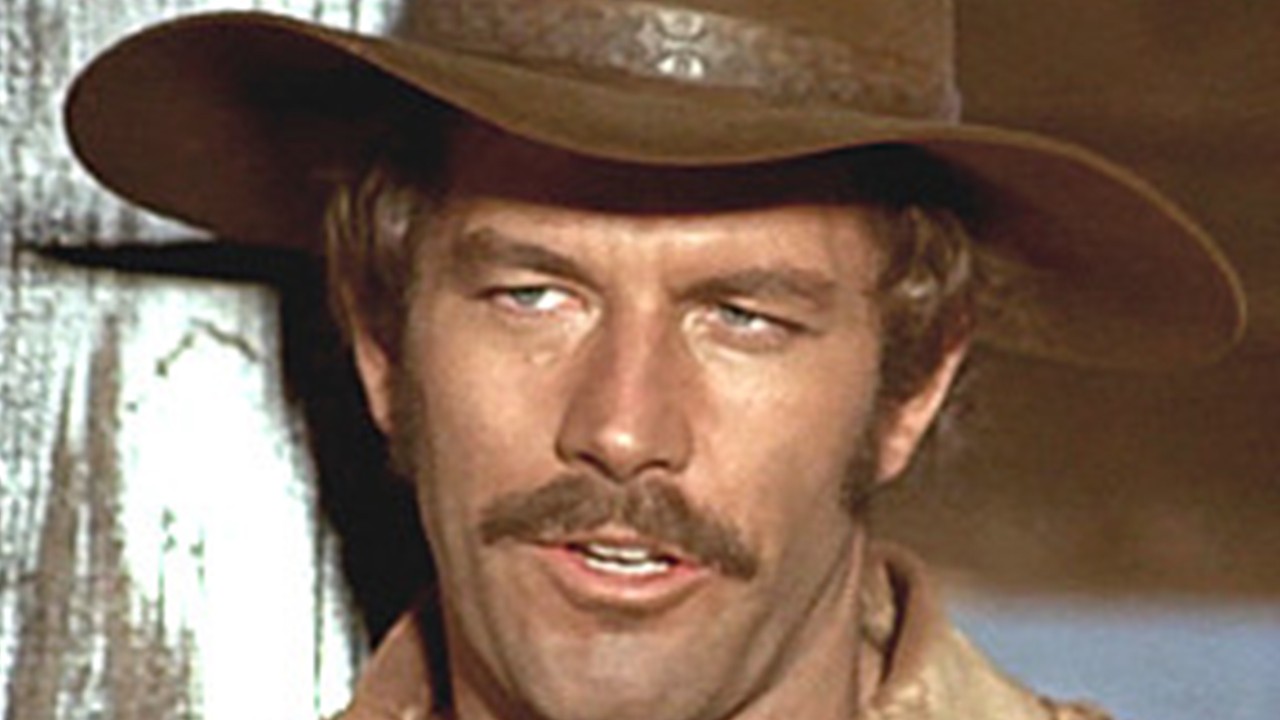

For anyone who grew up watching the gritty, larger-than-life spaghetti Westerns of the 1960s and ’70s, Richard Harrison was a familiar face.
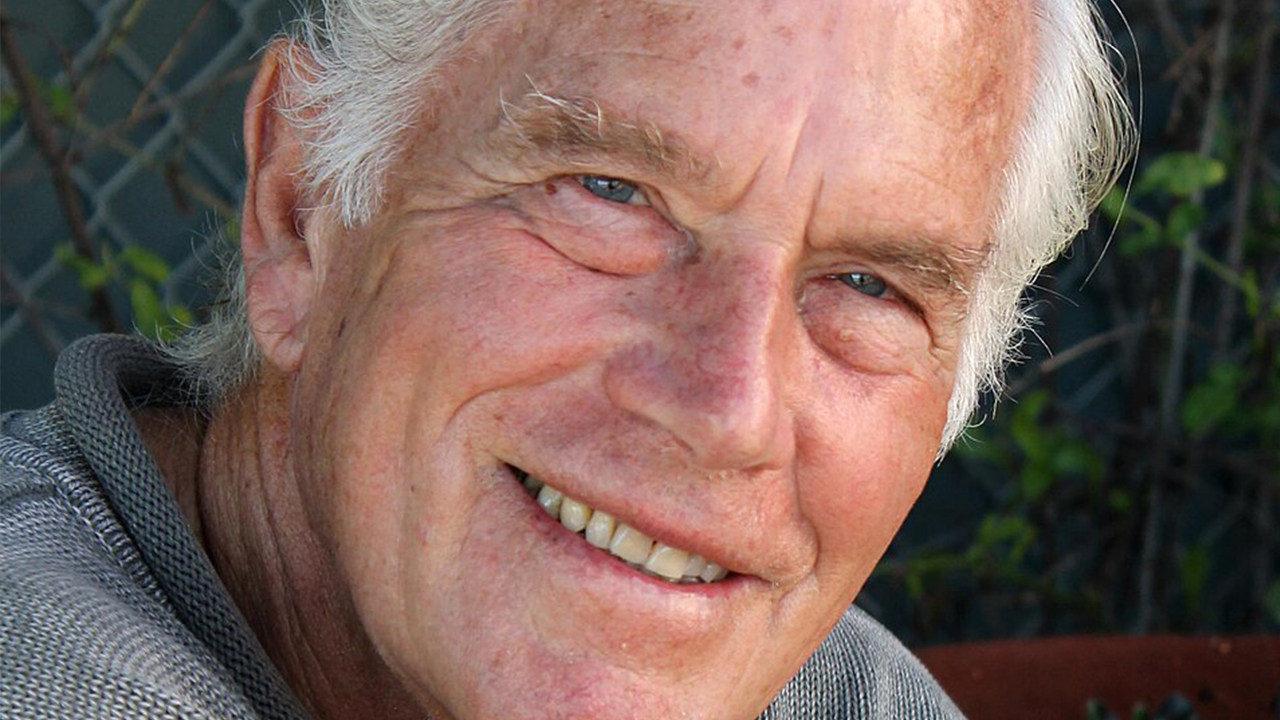
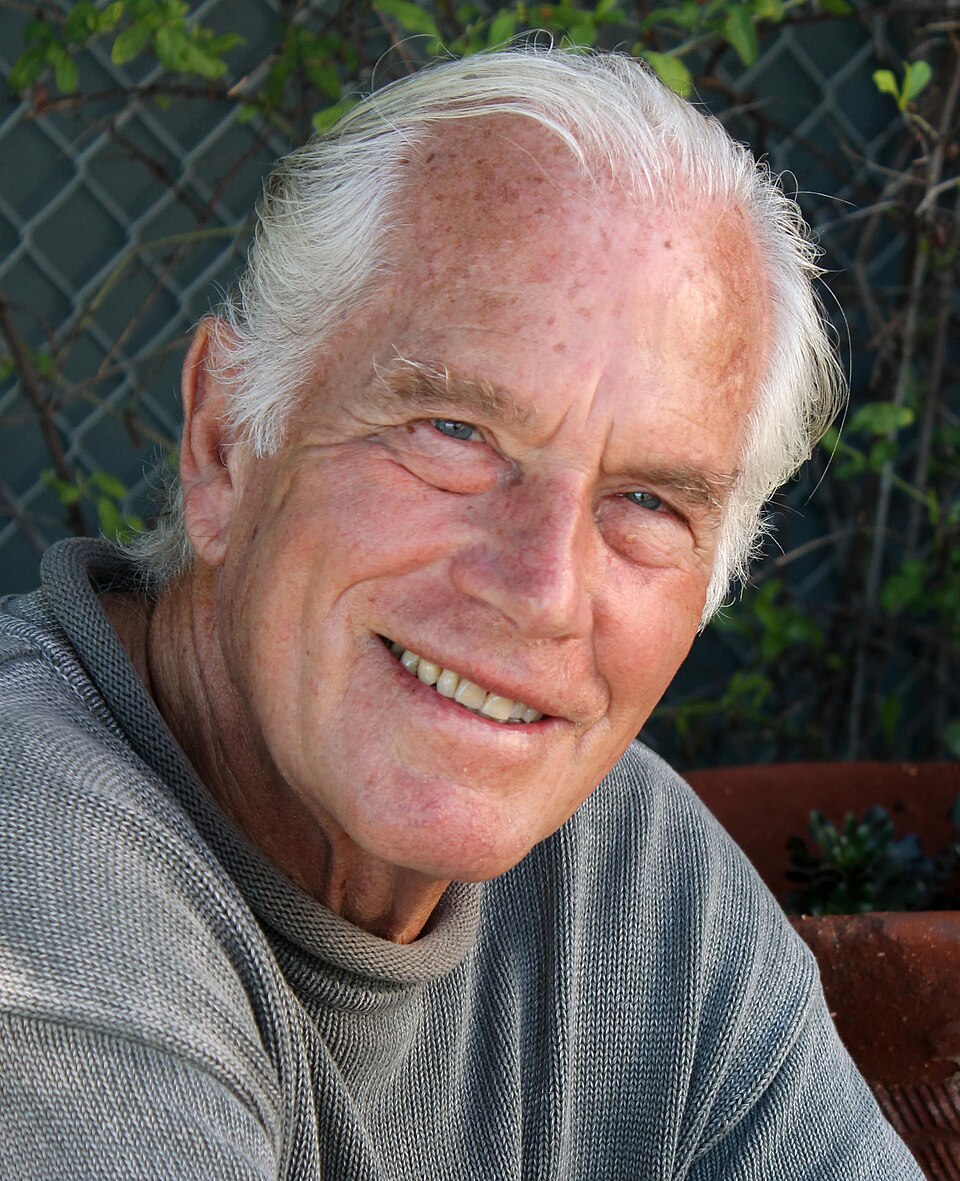
Richard Harrison, a prominent yet often underappreciated figure in international cinema, has passed away at the age of 90 in Los Angeles from natural causes, as confirmed by producer and longtime friend Joan Borsten. Best known for his prolific career in European action films, particularly spaghetti Westerns of the 1960s and 1970s, Harrison’s legacy offers a fascinating lens through which to explore a unique era of filmmaking far from Hollywood’s traditional centers of power.
Early Life and Ambitions in Hollywood
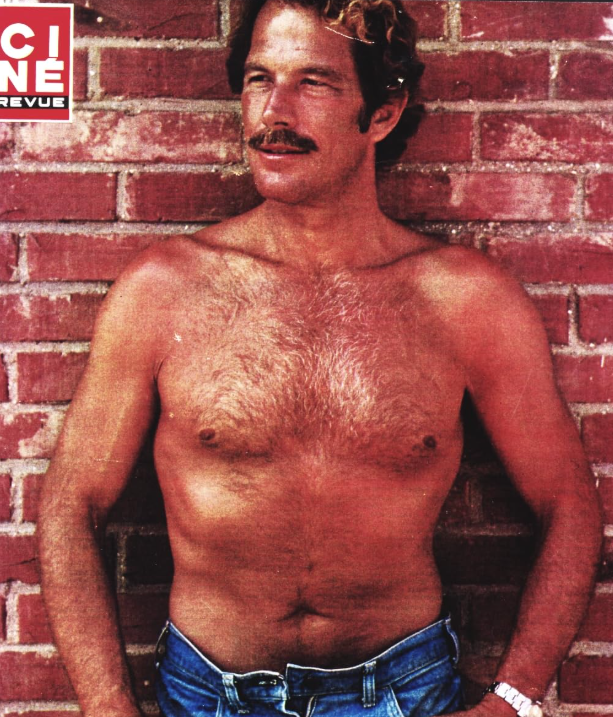
Born in Salt Lake City, Utah, on May 26, 1936, Richard Harrison developed an early passion for physical fitness and the performing arts. At the age of 17, he moved to Hollywood, driven by the vision of establishing himself as an actor. During his early years in California, Harrison worked at famed gyms owned by bodybuilders Vic Tanny and Bert Goodrich. This immersion in the fitness culture of Los Angeles not only contributed to his enduringly athletic physique but also introduced him to the world of modeling. Harrison’s early modeling career included work for men’s fitness and so-called “beefcake” magazines, which were a cultural phenomenon in the postwar era.
In tandem, Harrison sought to refine his acting abilities by studying under Sanford Meisner, one of the most respected acting instructors of his time, at the Fox studio. The Meisner technique, emphasizing emotional truth and impulse, would later influence Harrison’s approach to his roles, especially as he navigated a variety of genres throughout his career.
Harrison’s fledgling career began with minor appearances in Hollywood productions, including science fiction film Kronos (1957), the biographical drama Jeanne Eagels (1957), Too Much, Too Soon (1958), the classic musical South Pacific (1958), and Tall Story (1960). Yet as Hollywood proved difficult for many new actors to break through, Harrison began looking beyond American shores for opportunities.
Italian Cinema and the Spaghetti Western Boom
Harrison’s fortunes changed dramatically when he decided to leave Hollywood for Italy at the dawn of the 1960s. Europe’s film industry, especially in Italy, was booming thanks in part to the popularity of “peplum” or sword-and-sandal movies. These tales of mythic heroes and gladiators found ready audiences, and Harrison’s looks and physical presence made him a sought-after leading man in these productions.
His breakthrough role came with The Invincible Gladiator (1962), cementing his status as a reliable actor for heroic roles. This period in Italian cinema was known for starring American actors in physically demanding roles, echoing the success of Steve Reeves in films such as Hercules. Harrison’s collaborations in subsequent projects broadened his profile. He starred in action-packed epics like Gladiator 7 and Avenger of the Seven Seas.
However, it was the rise of the spaghetti Western that offered Harrison his greatest visibility. The genre’s signature style—gritty realism, anti-heroes, stylized violence, dramatic music, and distinctive cinematography—redefined the Western for international audiences. In 1963, Harrison portrayed the lead in Gunfight in the Red Sands, a vital entry in the genre featuring music by the soon-to-be-legendary Ennio Morricone. These films played a key role in forming the cultural mythology of the Western in postwar Europe.
Turning Down A Fistful of Dollars: Harrison’s Connection to Cinema History
In what has become a famous footnote in film history, Harrison was originally offered the lead role in Sergio Leone’s transformative spaghetti Western, A Fistful of Dollars (1964). This film would eventually be credited with igniting the global craze for spaghetti Westerns and turning its eventual star, Clint Eastwood, into an international icon.
According to Harrison, he chose to decline the role. In an interview with Nanarland, he explained, “After I affirmed I would not do the film they read me three names of actors from Hollywood that had been sent to them. Since they did not know who they were, they asked me to recommend one of them. I knew of all three. My choice was Clint, only because he knew how to ride a horse. So many American actors were not able to ride well.” Harrison thus played a direct role, albeit inadvertently, in shaping the future of both Clint Eastwood and the Western genre itself.
The decision, from today’s perspective, stands as a testament to Harrison’s sense of professionalism as well as a sliding-door moment in film history. Eastwood’s subsequent career—enjoying superstar status as an actor, director, and cultural icon—traces its roots back to this moment of offhanded mentorship from Harrison.
Genre Versatility and the Move to Asian Cinema
As the appetite for sword-and-sandal films and spaghetti Westerns waned in the late 1970s, Harrison demonstrated remarkable adaptability. He moved to Hong Kong, where he found a niche in another burgeoning film trend: low-budget ninja and martial arts movies. The European and Asian markets for these films were strong, and Harrison’s international stature allowed him to land a wealth of roles—sometimes in productions that straddled boundaries of quality and taste.
In reflecting on this chapter, Harrison himself expressed ambivalence. “This experience made me feel very dirty. I really felt like a prostitute. They were thrown in my face all the time. I saw part of one once—it had something to do with witches. I don’t think I had more than a couple of scenes in it,” he later recalled. This frustration points toward the challenges faced by actors who, while internationally recognized, were limited to typecast roles or productions that prioritized quantity over depth. Nonetheless, the sheer number of movies in which Harrison appeared bolstered his legend among genre cinema aficionados.
Over the course of his career, Harrison appeared in more than 100 films, including many so-called “B-movies.” Noted titles include Ninja Terminator and Fireback—works that, while often derided at the time, have since developed a notable cult following and are celebrated in retro film circuits today. Harrison even directed several low-budget projects, further broadening his contributions to international genre cinema.
Legacy in Film: A Cult Icon Across Decades
By the 1990s, Harrison began to step back from acting. His last Hollywood-adjacent appearance was in the 1993 erotic thriller Angel Eyes, followed by a role in the 2000 comedy Jerks. Interestingly, many of his lowest-budget films from his Asian career later found new life with the growth of home video and online nostalgia communities.
Critics and fans alike regard Harrison as an emblem of a specific era when international co-productions thrived and genre films dominated European and Asian screens. While he may not have achieved household-name status in the United States, his image—stoic, rugged, and powerfully physical—remains etched in the memories of generations of spaghetti Western and cult movie enthusiasts. Film scholars now view his career as a testament to the importance of cross-cultural collaboration in cinema, as well as the unpredictability and often circuitous nature of Hollywood and global stardom.
Harrison’s experience highlights how many American actors found a level of fame and creative fulfillment abroad that eluded them in Hollywood, contributing to a wave of transnational film culture in the 20th century. Today, retrospectives of Italian genre cinema and cult film festivals routinely showcase Harrison’s extensive body of work, further cementing his status as a pioneer of an oft-ignored but influential chapter in cinematic history.
Appreciation and Societal Reflection
Upon news of Harrison’s passing, tributes flowed not only from within the film community but also among devoted fans around the world. Many recalled his dedication to challenging roles and his willingness to reinvent himself in an ever-changing media landscape. Film historians point to his collaborations with pioneering composers like Ennio Morricone and filmmakers such as Sergio Leone and their combined influence in shaping modern film tropes, music, and anti-hero archetypes.
Internationally, Harrison’s career is frequently cited as an emblem of the collaborative energy that defined the postwar European and Asian film industries. His films are screened at film festivals, often celebrated for their historical and entertainment value as much as for their camp appeal. Not uncommonly, film critics today revisit Harrison’s pictures with renewed appreciation for their sincerity, energy, and their role in fostering new styles of cinematic storytelling.
For generations—those who remember the height of spaghetti Westerns and the explosion of genre filmmaking in Europe and Asia—Richard Harrison is a face and name associated with the enduring spirit of the movies. His rugged heroes, evocative landscapes, and storied career continue to inspire film fans and researchers alike, reminding us of a period when cinema was both universal and vividly stylized.
Conclusion
Richard Harrison may not have become a mainstream superstar in America, but his decades-long journey through Hollywood, Rome, and Hong Kong stands as a remarkable chronicle of adaptation, perseverance, and global collaboration. His filmography is not merely a roll call of genre movies but a vital testament to the borderless nature of cinema and the unexpected ways in which actors can influence, and participate in, the making of film history. For those who cherish the golden days of spaghetti Westerns, ninja adventures, and B-movie icons, Richard Harrison’s legacy will not soon be forgotten.
Disclaimer: This content is intended for entertainment purposes only and is not based on real events.
