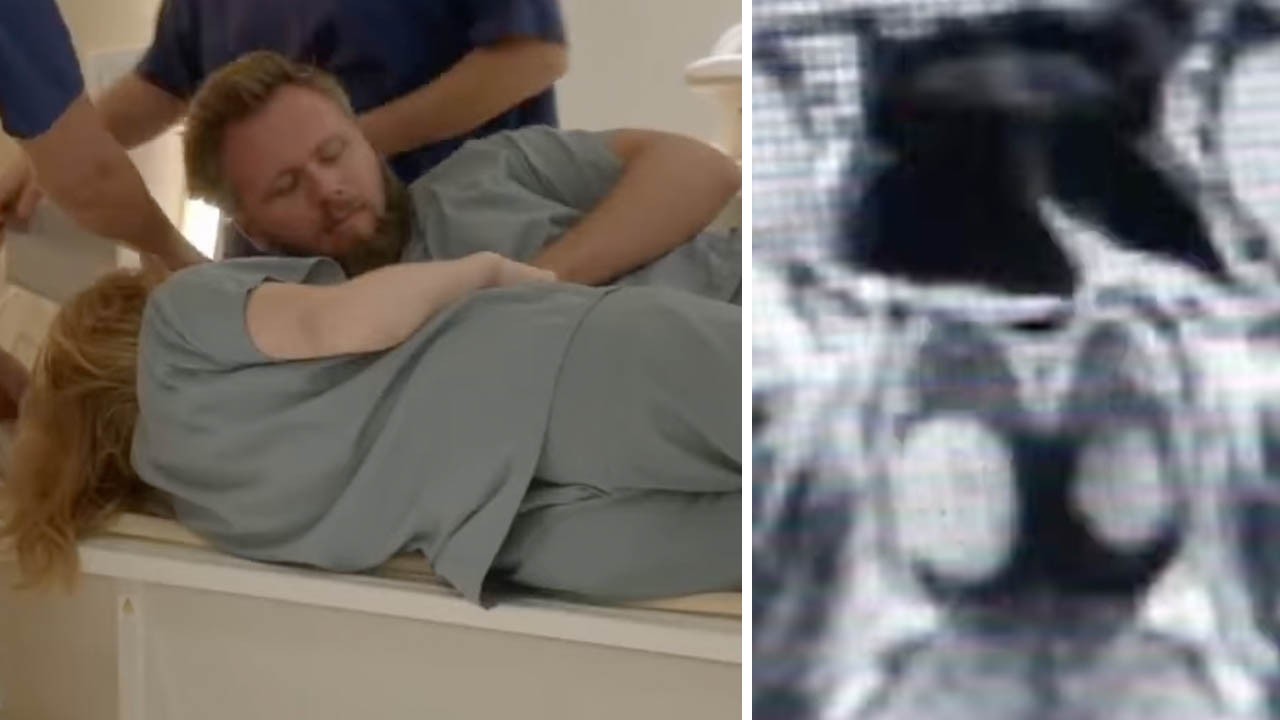

A Couple Agreed to Have Sex Inside an MRI Scanner for Science. The Result? Well, the Video and Images Revealed Something Researchers Had Never Seen Before.
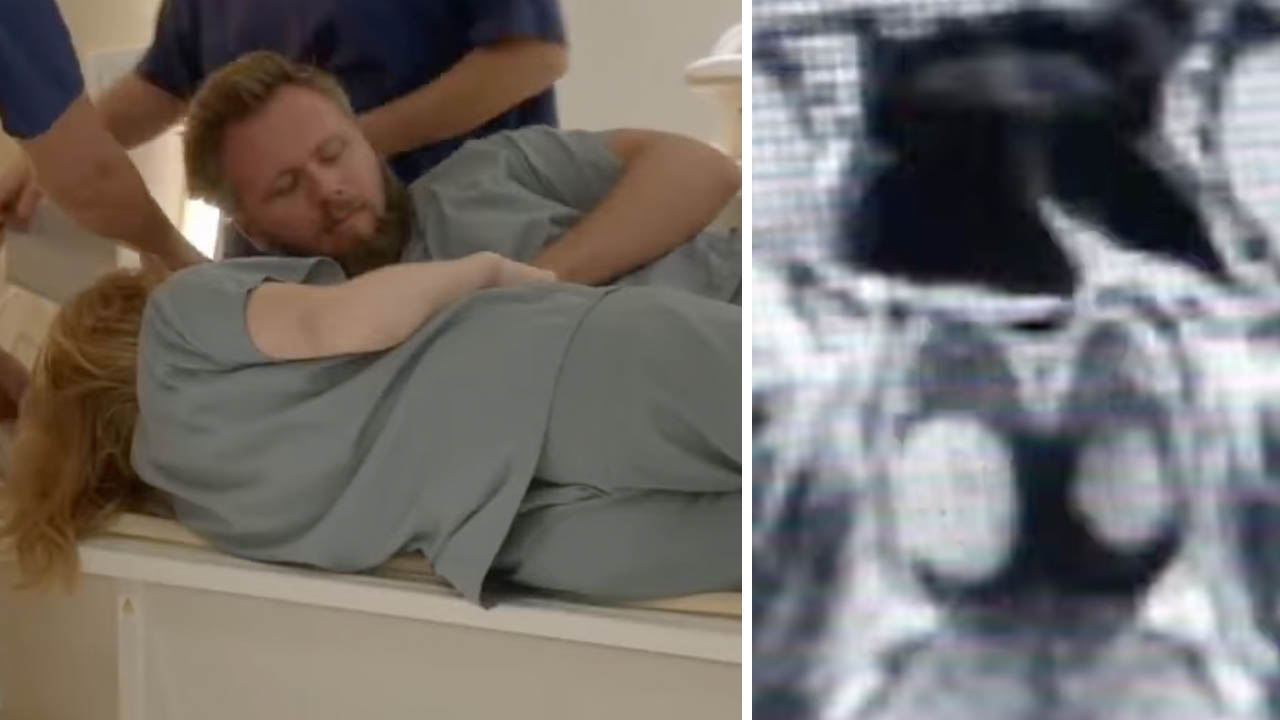
In a groundbreaking experiment that still fascinates scientists and the public alike, a Dutch couple agreed to engage in sexual intercourse inside an MRI (Magnetic Resonance Imaging) scanner, revealing unprecedented images of the human body during one of its most intimate acts. Originally conducted in 1991 but published in 1999, this scientific endeavor shattered several preconceived notions about human anatomy and physiology, and it continues to influence research today.
Background: Science, Curiosity, and Courage
The idea to image live sexual intercourse in an MRI device came from Dr. Menko Victor “Pek” van Andel and a team of Dutch researchers driven by fundamental curiosity: What really happens inside the human body during sex? While sounds like a premise from a science fiction film, the experiment was meticulously planned with the cooperation of volunteers and the use of state-of-the-art medical imaging technology.
Ida Sabelis and her partner, Jupp, demonstrated extraordinary openness and bravery by volunteering for the study. Their willingness to engage in sexual activity within the cramped confines of an MRI machine presented both physical and emotional challenges. As Sabelis later remarked, “It wasn’t romantic, it was more like an act of love and a performance,” highlighting that the context was scientific rather than intimate.
The Technical Challenge of Imaging Sexual Intercourse
MRI scanners, while invaluable for imaging soft tissues and organs, are narrow and restrictive. The participants had to adapt to the limited space, ultimately adopting a spooning position because their initial positions were physically impossible within the machine. During the procedure, they were instructed to remain as still as possible for several seconds at a time, enabling the MRI to capture clear images.
Researchers observed the process remotely from a nearby control room. The machine’s powerful magnets and detailed imaging allowed for a view of the act never before seen—a literal “inside look” at the mechanics, anatomy, and the changes that take place in the body at such times.
Unprecedented Scientific Insights
The images and data collected from this experiment provided unique insights into human sexual anatomy and function. Most notably, they challenged longstanding assumptions about the shape and position of the penis during intercourse and the anatomical relationships of the surrounding structures.
The findings, published in the prestigious British Medical Journal in 1999, overturned some historical misconceptions dating back as far as Leonardo da Vinci’s artistic depictions. Unlike earlier beliefs, the MRI imagery demonstrated that the penis adopts a “boomerang” shape during coitus, a result that intrigued urologists, anatomists, and the general public alike. The visual evidence illuminated aspects of female anatomy, dispelling myths and fostering a body-positive understanding of natural variation.
This study rapidly became one of the most talked-about and widely read articles in the history of the journal, celebrated for its boldness and its contribution to the field of sexual medicine.
Public Interest and Societal Response
More than thirty years after the original MRI images were made public, interest in this pioneering research remains strong. The experiment has become a touchstone for discussions about the intersection between science, privacy, and the willingness of human subjects to push the boundaries of knowledge.
Public reaction ranged from surprise to admiration for the couple’s candor and for the scientific team’s commitment to advancing understanding of human biology. Popular science outlets, news organizations, and TV programs continue to reference the study, often highlighting not just the scientific results but the personal stories behind the research.
Following in Their Footsteps: Further Studies
The Dutch MRI study inspired similar research in subsequent years. In particular, another couple, Sven and Michaela, participated in an MRI investigation for the BBC’s educational show The Human Body: Secrets of Your Life Revealed, using the latest imaging technology to further explore the physiological processes occurring during both foreplay and sexual intercourse.
Their experiences, too, were marked by a combination of curiosity and discomfort, underscoring that scientific research into intimate human behavior requires remarkable trust, clear ethical guidelines, and strict attention to consent and privacy.
The Science of Sexual Response: What Happens Inside?
Sexual arousal and response are intricate phenomena involving the coordination of the nervous, endocrine, cardiovascular, and reproductive systems. During sexual excitement, the brain sends messages to the adrenal glands, prompting the secretion of adrenaline, which increases heart rate and blood flow throughout the body. The release of dopamine—the “reward” hormone—creates feelings of pleasure and desire, directing keen focus toward one’s partner.
The physiological response serves an evolutionary purpose: to unite the smallest cell in the human body, the sperm, with the largest, the egg, ensuring reproduction.
The images and insights obtained during these MRI experiments provide scientists with a concrete visual framework for understanding arousal, orgasm, and the complex interactions between mind and body that characterize sexual intimacy.
Expert Views: Anatomy, Medicine, and Ethics
Medical professionals and scientists have largely praised these MRI studies for their pioneering approach. Anatomists highlight how the images clarified the mechanics of penetrative intercourse, while urologists have used the findings to better educate patients on both normal sexual variation and certain medical conditions.
Bioethicists point out the significance of informed consent in such sensitive research and the necessity of ensuring participants’ dignity, safety, and privacy. The willingness of volunteers to contribute to medical knowledge by participating in explicit, physically uncomfortable experiments is regarded with respect.
According to experts, these studies exemplify the importance of approaching human sexuality as a topic worthy of serious, open, and respectful scientific investigation—free from stigma and rooted in the desire to advance personal and public health.
Media, Education, and Popular Impact
Television programs and documentaries have built on the legacy of these MRI studies to make science accessible and relatable for broad audiences. By visually demystifying sexual arousal and intercourse, media coverage helps combat myths, reduce stigma, and promote healthier attitudes toward sex and the body.
Academic settings have also seen the incorporation of this research into medical, psychological, and sex education curricula. These efforts aim to sensitize future healthcare professionals to the importance of sexual health and the diversity of natural sexual experiences.
International and Cultural Reactions
The research has sparked discussion not only in Europe, where the experiments took place, but worldwide. Attitudes toward sex research vary across cultures, and the ethical issues surrounding such studies are complex. Nonetheless, the international scientific community largely acknowledges the MRI studies as milestones in understanding human sexuality.
In some societies, the research has prompted debates about privacy and the limits of scientific investigation. In others, it has been used to promote more open conversations about sexual health, function, and anatomy.
The Legacy of MRI Sex Research
Decades after the initial experiment, the legacy of MRI sex research remains robust. Not only did it yield specific, actionable biological knowledge, but it also elevated public discourse on the value—and sometimes the challenges—of studying human sexuality in rigorous, evidence-based ways.
Supporters of the research emphasize its positive role in shattering taboos and providing people with accurate, factual information about their own bodies. Those who criticize or question such studies often cite cultural sensitivities, underlining the need for ongoing dialogue about ethics, respect, and the purpose of scientific inquiry.
Ongoing Questions and Future Directions
While much has been learned, many questions remain. How do sexual responses vary among individuals and couples? What are the impacts of age, health status, and relationship factors? Can future imaging technologies offer even clearer, less intrusive insights? Researchers continue to explore new methods for capturing the intricacies of human connection.
What is clear is that the courage and openness of those who participated in these early MRI studies paved the way for fresh thinking in medicine, psychology, sex education, and public health.
Conclusion: Beyond Curiosity—Understanding Ourselves
What began as a scientific curiosity has transformed into a celebrated chapter in the study of human anatomy and sexual health. The Dutch and British MRI studies, and the couples who took part, demonstrated that even in the most private corners of life, there remains room for discovery, learning, and greater understanding.
As science and society continue to evolve, these studies serve as reminders of the value of evidence-based knowledge, the importance of ethical research, and the shared desire to understand the profound experiences that connect us all.
Disclaimer: This content is intended for entertainment purposes only and is not based on real events.
