
Bed Bugs: Signs, Bites, Prevention, and Control
Bed bugs are small household pests that can cause considerable disruption despite their size. An infestation may affect sleep, create stress, and require careful cleaning and professional pest management. While bed bugs are commonly linked with itchy skin marks, not everyone reacts to their bites in the same way. Some people develop noticeable itching or welts, while others may have little or no visible skin reaction.
Understanding how bed bugs live, where they hide, and what signs they leave behind can help households respond early. Early detection does not always make treatment simple, but it can reduce the chance that the insects spread through a home or are carried to another location. Reliable information is especially important because bed bugs are often misunderstood, and their presence is not a reflection of personal hygiene or the cleanliness of a home.
What Are Bed Bugs?
Bed bugs are small, wingless insects in the genus Cimex. The species most often associated with homes and hotels is Cimex lectularius, commonly called the common bed bug. Adult bed bugs are generally reddish-brown, oval-shaped, and flat before feeding. They are visible to the naked eye, although their small size and tendency to hide in narrow spaces can make them difficult to find.
These pests feed primarily on blood, usually when people are resting or sleeping. Bed bugs are often more active at night, but they may feed at other times if a host is available. They do not live on people’s bodies like lice or ticks. Instead, they remain close to places where people sleep or rest and return to hiding places after feeding.
Although beds are a common location, bed bugs can be found in many areas. They may hide in mattress seams, box springs, bed frames, headboards, upholstered furniture, curtains, carpeting, baseboards, electrical outlets, luggage, and cracks in walls or furniture. Their flattened bodies allow them to fit into very small gaps, which is one reason infestations can be challenging to eliminate without a detailed inspection.
How Bed Bugs Spread Between Homes and Buildings
Bed bugs do not jump or fly. Instead, they move by crawling and are frequently transported accidentally in personal belongings. Luggage, backpacks, clothing, boxes, used furniture, and bedding can all carry bed bugs or their eggs from one place to another. Hotels, apartments, college residences, public transportation, and shared living spaces can all be locations where exposure occurs, but bed bugs can appear in any community.
It is important to avoid blaming individuals or families for an infestation. Public health agencies emphasize that bed bugs are not attracted to dirt, and their presence does not indicate poor housekeeping. Clutter can provide more hiding places and make treatment more difficult, but even well-maintained homes can experience an infestation after the insects are introduced through travel or belongings.
In multi-unit buildings, bed bugs may also move between nearby rooms or apartments through cracks, utility openings, hallways, or shared furniture. For that reason, residents who suspect bed bugs should report the concern promptly to a landlord, building manager, or housing authority according to local rules. Coordinated inspection and treatment can be important in preventing repeated problems.
Common Signs of a Bed Bug Infestation
Skin marks alone cannot confirm the presence of bed bugs. Many skin conditions and insect bites can look similar, and some people do not react visibly at all. The most reliable confirmation comes from finding the insects themselves or evidence that they have been present.
Common warning signs include:
- Live bed bugs in mattress seams, furniture joints, bed frames, or other sheltered areas.
- Small dark or blackish spots on bedding, mattresses, walls, or furniture. These may be bed bug droppings.
- Rust-colored stains on sheets or pillowcases, sometimes caused by crushed insects after feeding.
- Pale shed skins, which bed bugs leave behind as they grow.
- Tiny pearly-white eggs or eggshells in cracks and seams.
- An unusual sweet or musty odor in larger infestations, although odor alone is not a dependable way to identify bed bugs.
A flashlight and a careful inspection of seams, folds, screw holes, joints, and nearby furniture can be useful. Because bed bugs may hide far from the bed, finding no evidence in one quick inspection does not necessarily rule them out. A trained pest management professional can provide a more thorough assessment when there is uncertainty.
Bed Bug Bites and Skin Reactions
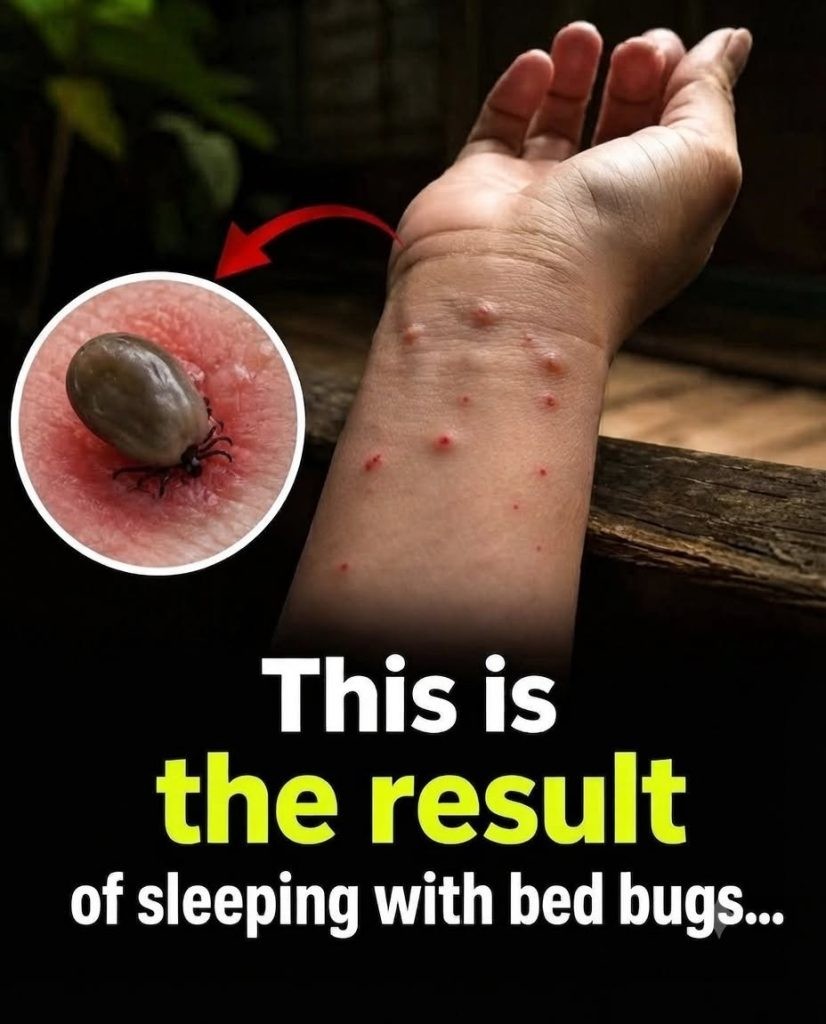
Possible bed bug bites may appear as small, itchy, red bumps or raised areas of skin. They are often noticed on exposed skin, including the arms, hands, neck, face, shoulders, or legs. Bites can sometimes appear in clusters or lines, but this pattern is not specific enough to diagnose bed bugs. Other insects and skin conditions can produce similar marks.
Responses vary substantially from person to person. Some individuals may develop itching within hours, while for others the reaction may be delayed by days. Some people may have no obvious reaction. The U.S. Centers for Disease Control and Prevention notes that a healthcare professional may help evaluate unexplained skin symptoms, particularly if they are persistent, severe, or appear to be infected.
Current public health guidance indicates that bed bugs are not known to transmit disease to people. This distinguishes them from some other blood-feeding pests. Nevertheless, bites can be uncomfortable, and repeated scratching may damage the skin. If skin becomes increasingly painful, warm, swollen, or produces drainage, medical advice should be sought because these can be signs of a secondary skin infection.
For mild symptoms, basic care may include gently washing the area with soap and water and avoiding scratching where possible. A pharmacist or healthcare professional can advise on appropriate options for itch relief. People who experience a severe allergic reaction, difficulty breathing, or swelling of the face or throat should seek urgent medical care.
The Emotional and Sleep-Related Effects of Bed Bugs
The effects of bed bugs are not limited to the skin. The possibility of being bitten during sleep can lead to worry, disrupted rest, embarrassment, and frustration. These reactions are understandable. Sleep disruption can affect concentration, mood, and daily routines, especially when an infestation is ongoing or treatment requires several visits.
Clear information and a practical plan can reduce uncertainty. It may help to document signs with photographs, keep communication with landlords or pest control professionals in writing, and follow treatment instructions closely. People experiencing significant anxiety or ongoing sleep difficulties may also benefit from discussing their concerns with a healthcare professional or trusted support person.
Community response matters as well. Stigma can discourage people from reporting an infestation early, allowing it to spread further. A respectful, evidence-based approach recognizes that bed bugs can affect travelers, homeowners, tenants, hotels, schools, and workplaces in many parts of the world.
How to Get Rid of Bed Bugs Safely
Successful bed bug control usually requires an integrated approach. This means combining inspection, targeted cleaning, heat treatment of belongings, careful use of pest control products when appropriate, and follow-up monitoring. Simply spraying a room with an insecticide or discarding a mattress may not solve the problem, because bed bugs can remain hidden in other parts of the room.
When bed bugs are suspected, avoid moving untreated belongings into other rooms or homes. Moving items can spread the insects. Instead, contain items where possible and develop a treatment plan with a qualified pest management professional.
Practical Steps That Can Support Treatment
- Wash bedding, clothing, and washable fabrics according to their care labels, using hot water when suitable.
- Dry items on high heat for at least 30 minutes when the fabric can safely tolerate it. Heat from the dryer is an important part of killing bed bugs and eggs.
- Place cleaned items in sealed bags or containers until treatment and monitoring are complete.
- Vacuum mattresses, bed frames, carpets, upholstered furniture, and cracks near sleeping areas. Empty the vacuum contents into a sealed bag and discard it outdoors promptly.
- Reduce clutter around beds and furniture so that hiding places are easier to inspect and treat.
- Use mattress and box-spring encasements designed for bed bug control when recommended by a pest professional.
- Install interceptor devices under bed legs when appropriate to help monitor activity and reduce access to the bed.
Do not rely on home remedies that have not been proven effective. Rubbing alcohol, gasoline, kerosene, and similar flammable substances can create serious fire and health risks. Foggers and “bug bombs” may not reach concealed bed bugs and can expose people to pesticides if used incorrectly. Pest control products should always be used exactly as directed on the label and only in locations approved for that product.
Professional treatment is frequently necessary, particularly for established infestations. Licensed pest management professionals may use a combination of approved insecticides, steam, heat, vacuuming, monitoring devices, and repeat visits. Because bed bug eggs and hidden insects can survive an initial treatment, follow-up inspections are often essential. Residents should ask providers about the treatment plan, preparation requirements, expected number of visits, and safe re-entry instructions.
Bed Bug Prevention During Travel and at Home
Prevention cannot eliminate every risk, but several practical habits can reduce the chance of bringing bed bugs home. When staying in hotels or other temporary accommodations, inspect the mattress seams, headboard, luggage rack, and nearby upholstered furniture for visible evidence. Keeping suitcases on a luggage rack away from the bed and wall can be helpful.
After returning from travel, unpack luggage in an area away from bedrooms if possible. Wash and dry travel clothing promptly using heat settings that are safe for the fabrics. Inspect luggage seams and pockets before storing bags. These steps are precautionary and should not be treated as proof that an accommodation had bed bugs.
Secondhand furniture, mattresses, and upholstered items should be inspected carefully before being brought indoors. Free furniture found on the street may carry a higher risk because its history is unknown. If an item shows signs of bed bugs, it should not be taken home or passed to someone else.
At home, regular vacuuming, reducing clutter, and periodically checking sleeping areas can make signs easier to notice. These habits do not guarantee prevention, but they support early detection. If bed bugs are found, addressing the issue promptly and calmly is generally more effective than attempting many untested solutions.
When to Contact a Professional or Healthcare Provider
Contact a licensed pest management professional when live bed bugs, eggs, shed skins, or consistent evidence is found. Professional help is also advisable when a household has tried basic measures without success, when the infestation may involve multiple rooms, or when the property is an apartment or other shared building.
Contact a healthcare professional for severe itching, unusual skin symptoms, possible infection, or uncertainty about whether a rash is caused by bites. A clinician can assess the skin and recommend appropriate treatment. Since bed bug bites cannot be confirmed from appearance alone, an environmental inspection remains important.
Key Takeaways About Bed Bugs
Bed bugs are persistent pests, but they can be managed through accurate identification, early reporting, careful preparation, and evidence-based treatment. They are not known to spread disease, yet they can cause discomfort and meaningful stress. The most dependable way to confirm an infestation is to find the insects or their physical signs rather than relying only on skin reactions.
Households should avoid unsafe do-it-yourself chemical methods and seek qualified assistance when needed. With a coordinated approach, thorough follow-up, and practical prevention habits, it is possible to reduce the impact of bed bugs and restore a more comfortable sleeping environment.
Sources
Disclaimer: This content is intended for entertainment purposes only and is not based on real events.