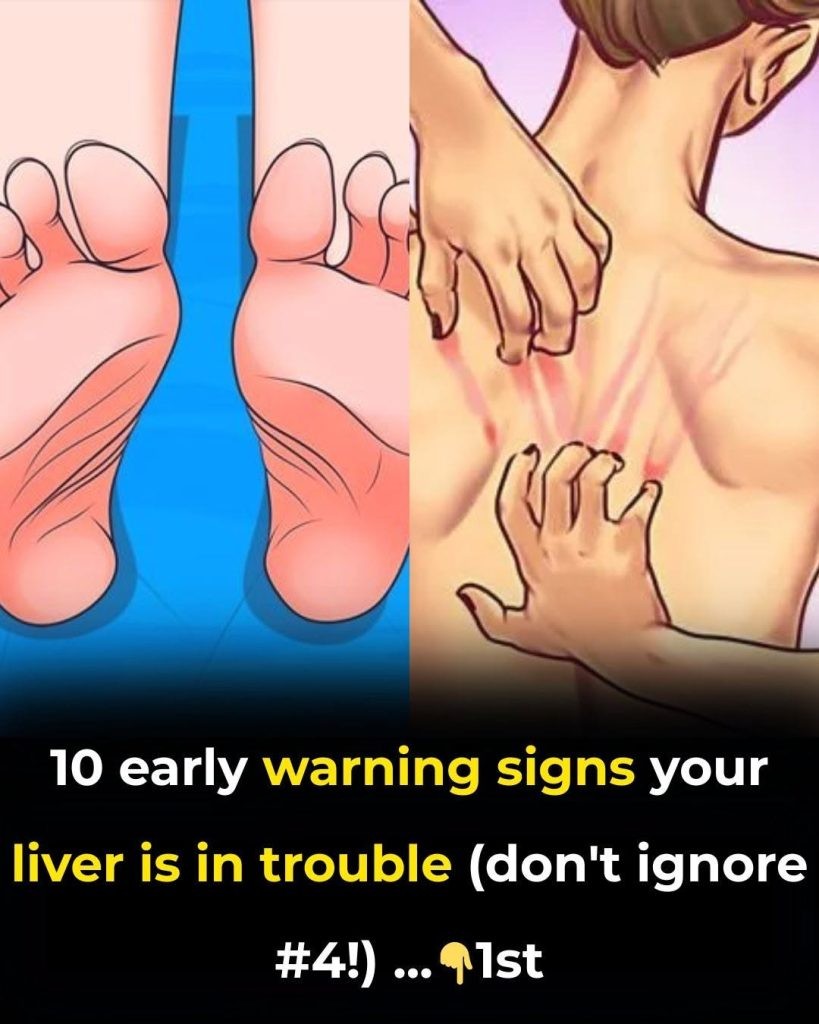

Early Warning Signs of Liver Problems
The liver performs hundreds of essential jobs in the body, yet liver conditions can progress quietly for a long time. Understanding possible warning signs, major risk factors, and the value of timely medical testing may help people seek appropriate care before serious complications develop.
Why Liver Health Matters
The liver is a large organ located in the upper-right area of the abdomen, beneath the rib cage. It helps process nutrients, produces bile to support digestion, stores energy, filters certain substances from the blood, makes proteins involved in blood clotting, and helps regulate metabolism.
Because the liver has a substantial ability to continue functioning despite injury, many liver conditions do not produce obvious symptoms during their early stages. This can make routine health care especially important for people with known risk factors, including type 2 diabetes, obesity, high blood pressure, high cholesterol, heavy alcohol use, or a history of viral hepatitis exposure.
Liver disease is not one single condition. It is a broad term that includes fatty liver disease, alcohol-associated liver disease, viral hepatitis, autoimmune liver disease, inherited disorders, medication-related injury, fibrosis, and cirrhosis. Some causes can be prevented or managed, particularly when they are identified early.
Symptoms alone cannot confirm liver disease. Fatigue, nausea, itching, swelling, and abdominal discomfort can occur for many different reasons. However, persistent, worsening, or unexplained symptoms should be discussed with a qualified health professional, especially if they occur alongside jaundice, changes in urine or stool color, or abdominal swelling.
Persistent Fatigue and Low Energy
Ongoing fatigue is one of the most commonly reported symptoms among people with liver disease, although it is also one of the least specific. Feeling tired despite adequate rest can be linked to sleep problems, anemia, thyroid disorders, depression, infections, medication effects, nutritional deficiencies, and many other health conditions.
In liver disease, fatigue may be associated with changes in metabolism, inflammation, sleep quality, or the body’s ability to process substances efficiently. Some people describe reduced stamina, lack of motivation, or difficulty completing usual daily tasks. The symptom may develop gradually and be easy to dismiss as stress or aging.
Fatigue is more meaningful when it lasts for weeks, interferes with normal activities, or occurs with additional symptoms such as poor appetite, unintentional weight changes, jaundice, nausea, or swelling. A clinician can assess the wider picture and determine whether blood tests or other evaluations are appropriate.
Jaundice: Yellowing of the Skin or Eyes
Jaundice is a yellow discoloration of the skin and the whites of the eyes. It occurs when bilirubin, a yellow substance produced during the normal breakdown of red blood cells, builds up in the bloodstream. The liver usually processes bilirubin so it can leave the body through bile and stool.
When the liver is inflamed or damaged, when bile ducts are blocked, or when there is another problem affecting bilirubin processing, jaundice may develop. It can be associated with hepatitis, gallstones, certain medication reactions, pancreatic or bile duct conditions, blood disorders, and other medical causes.
New jaundice should be assessed promptly by a medical professional. It is especially important to seek urgent advice if yellowing occurs with severe abdominal pain, fever, vomiting, confusion, unusual sleepiness, or rapidly worsening illness. Early assessment can help identify the cause and guide treatment.
Itching Without a Clear Rash
Persistent itching, known medically as pruritus, can sometimes occur in liver and bile duct disorders. It may be more noticeable at night and may occur without an obvious skin rash. In certain cholestatic conditions, where bile flow is reduced or blocked, substances normally removed in bile may contribute to itching.
Itching is common and often has causes unrelated to the liver, such as dry skin, eczema, allergic reactions, kidney disease, certain medications, or endocrine conditions. For that reason, itching by itself is not a reliable indicator of liver disease.
Still, medical evaluation is sensible when itching is persistent, severe, unexplained, or accompanied by yellowing of the eyes, dark urine, pale stools, fatigue, or abdominal symptoms. Treatment depends on the cause and may include addressing an underlying bile-flow problem, reviewing medicines, or managing skin irritation.
Dark Urine and Pale or Clay-Colored Stools
Changes in urine and stool color can offer useful clues about bile and bilirubin metabolism. Urine may become unusually dark when bilirubin is present in the urine. This is different from urine that appears darker simply because a person is dehydrated, which often improves with fluids.
Stools may become pale, gray, or clay-colored when insufficient bile reaches the intestines. Bile normally helps give stool its typical brown color. Reduced bile flow can occur in some liver, gallbladder, pancreas, or bile duct conditions.
These changes should not be ignored when they persist or occur with jaundice, itching, fever, nausea, abdominal pain, or unintended weight loss. A clinician may order blood tests and imaging studies to investigate the source of the problem. People should avoid self-diagnosing based on color changes alone, as diet, supplements, and medicines can also affect urine and stool appearance.
Swelling in the Legs, Ankles, or Abdomen
Swelling in the feet, ankles, and legs is known as edema. It can occur for many reasons, including prolonged sitting or standing, vein problems, heart disease, kidney disease, certain medicines, and liver disease. In advanced liver disease, edema may result from changes in blood flow, salt and water regulation, and lower production of albumin, an important blood protein.
Fluid can also collect in the abdomen, a condition called ascites. Ascites can cause a visibly enlarged abdomen, a feeling of pressure or fullness, weight gain related to fluid, and discomfort. It is most often associated with advanced liver disease but can also have other medical causes.
New or rapidly increasing abdominal swelling requires medical evaluation. People should seek urgent care if swelling is accompanied by breathing difficulty, fever, severe pain, vomiting, confusion, or marked weakness. These symptoms may require timely assessment and should not be managed solely with over-the-counter remedies or drastic dietary changes.
Nausea, Reduced Appetite, and Feeling Full Quickly
Nausea, poor appetite, and a sensation of becoming full after eating only a small amount can occur in liver disease, but they are not specific to it. Digestive infections, acid reflux, gallbladder conditions, anxiety, medications, pregnancy, and many other issues may produce similar symptoms.
When liver inflammation or advanced liver disease is present, appetite changes may be linked to inflammation, altered metabolism, digestive changes, or fluid buildup in the abdomen. Reduced food intake over time can contribute to poor nutrition, muscle loss, and lower energy levels.
It is important to consult a clinician if appetite loss is persistent, causes unintentional weight loss, or occurs with jaundice, dark urine, persistent vomiting, abdominal swelling, or pain. Medical professionals can consider liver-related causes alongside other gastrointestinal and systemic conditions.
Easy Bruising or Prolonged Bleeding
The liver produces several proteins that are involved in normal blood clotting. Significant liver dysfunction can affect production of these proteins and may contribute to easy bruising or bleeding that takes longer than expected to stop. However, these signs also have many other possible explanations.
Blood-thinning medicines, aspirin, some supplements, platelet disorders, vitamin deficiencies, aging-related skin changes, and certain blood conditions can all increase bruising or bleeding. Anyone who experiences frequent unexplained bruises, recurrent nosebleeds, bleeding gums, blood in stool or urine, or bleeding that does not stop should seek medical advice.
Emergency medical attention is appropriate for heavy bleeding, vomiting blood, black tar-like stools, fainting, severe weakness, or signs of shock. These symptoms are not specific to liver disease but can indicate a serious medical issue requiring immediate care.
Discomfort Under the Right Rib Cage
The liver sits beneath the right side of the rib cage, so some people with liver enlargement or inflammation may report discomfort, pressure, or a dull ache in that region. However, pain in the upper-right abdomen is not a dependable way to identify liver disease. The gallbladder, intestines, muscles, ribs, lungs, and other structures can also cause discomfort in this area.
Severe or sudden pain, particularly when combined with fever, jaundice, vomiting, chest discomfort, or shortness of breath, should be assessed promptly. A health professional may use physical examination, laboratory tests, ultrasound, or other imaging studies to evaluate the cause.
Confusion and Difficulty Concentrating in Advanced Disease
In advanced liver disease, the liver may no longer effectively clear certain substances from the blood. This can contribute to hepatic encephalopathy, a condition that may affect concentration, sleep patterns, memory, coordination, mood, and alertness. Symptoms can range from subtle forgetfulness to pronounced confusion.
Confusion is never a symptom to dismiss, especially in a person with known liver disease. It can also be caused by infection, dehydration, low blood sugar, medication effects, stroke, or other urgent conditions. Sudden confusion, inability to stay awake, changes in behavior, or loss of coordination warrants immediate medical assessment.
Common Causes and Risk Factors for Liver Disease
Non-alcoholic fatty liver disease, increasingly referred to by some medical organizations as metabolic dysfunction-associated steatotic liver disease, is one of the most common liver conditions worldwide. It occurs when excess fat accumulates in the liver and is often associated with insulin resistance, type 2 diabetes, excess body weight, high triglycerides, and other metabolic risk factors.
Alcohol-associated liver disease can develop when alcohol intake damages liver cells over time. Risk varies between individuals and can be influenced by the amount and pattern of alcohol consumption, genetics, nutrition, sex, and the presence of other liver conditions. People concerned about alcohol use can discuss confidential support and evidence-based treatment options with a health professional.
Viral hepatitis is another important cause. Hepatitis B and hepatitis C can lead to chronic liver inflammation, although effective vaccines are available for hepatitis B and highly effective antiviral treatments are available for hepatitis C. Testing is important because some people with viral hepatitis do not have noticeable symptoms for years.
Other causes include autoimmune hepatitis, primary biliary cholangitis, primary sclerosing cholangitis, inherited conditions such as hemochromatosis and Wilson disease, and liver injury linked to medicines or supplements. People should not stop prescribed medicine without medical guidance, but they should tell their clinician about all prescription drugs, over-the-counter products, herbal remedies, and supplements they use.
How Liver Problems Are Diagnosed
Doctors do not diagnose liver disease based on a single symptom or blood test. Evaluation usually begins with a medical history, including alcohol use, medicines, supplements, family history, travel, potential exposure to viral hepatitis, and metabolic health. A physical examination may identify signs such as jaundice, swelling, tenderness, or liver enlargement.
Blood testing may include liver enzyme measurements, bilirubin, albumin, clotting tests, blood counts, and tests for viral hepatitis or autoimmune conditions when indicated. Abnormal liver tests do not always mean permanent liver damage, but they can help clinicians decide what further evaluation is needed.
Ultrasound, elastography, CT scans, or MRI may be used to assess liver structure, fat accumulation, bile ducts, or signs of scarring. In selected cases, a liver biopsy may be recommended to clarify the cause or severity of disease. The right testing approach depends on the individual’s symptoms, medical history, and initial results.
Protecting Liver Health
Many liver conditions can be reduced or managed through preventive care and early treatment. Maintaining a balanced eating pattern, regular physical activity, and a weight that supports overall health can help reduce metabolic risk. For people with fatty liver disease, gradual and medically appropriate weight loss may improve liver fat and related health markers.
Avoiding excessive alcohol consumption is an important part of liver protection. People with liver disease, a history of alcohol-related problems, or questions about what level of alcohol may be safe for them should seek individualized medical advice. There is no proven “detox” product that can replace evidence-based medical care or reverse significant liver injury.
Vaccination against hepatitis A and hepatitis B may be appropriate for some people, depending on their health status, travel plans, occupation, and risk factors. Safe injection practices, avoiding shared needles or personal items that may carry blood, and using appropriate protection during sex can reduce the risk of blood-borne infections, including viral hepatitis.
Regular checkups are particularly valuable for people with diabetes, obesity, high cholesterol, high blood pressure, or a family history of liver disease. A clinician can recommend screening or testing based on personal risk rather than symptoms alone.
When to Seek Medical Advice
Arrange a medical appointment for persistent fatigue, unexplained itching, ongoing nausea, appetite loss, recurrent upper-abdominal discomfort, swelling, or unusual bruising. These symptoms may have many causes, but professional evaluation can help identify whether liver testing is needed.
Seek prompt medical care for yellowing of the eyes or skin, dark urine with pale stools, a newly swollen abdomen, or worsening leg swelling. Emergency evaluation is appropriate for confusion, severe abdominal pain, breathing difficulty, fever with jaundice, heavy bleeding, fainting, or rapidly worsening symptoms.
The central message is measured rather than alarming: a single symptom rarely provides a diagnosis, but persistent changes deserve attention. Liver conditions are often more manageable when recognized early, and medical testing can provide clearer answers than self-diagnosis.
Sources
- World Health Organization: Hepatitis B Fact Sheet
- World Health Organization: Hepatitis C Fact Sheet
- Centers for Disease Control and Prevention: About Viral Hepatitis
- National Institute of Diabetes and Digestive and Kidney Diseases: Liver Disease
- Mayo Clinic: Cirrhosis Symptoms and Causes
- NHS: Jaundice
Disclaimer: This content is intended for entertainment purposes only and is not based on real events.