
Two Teenagers Help Rescue a Squirrel Trapped in Insulation Foam
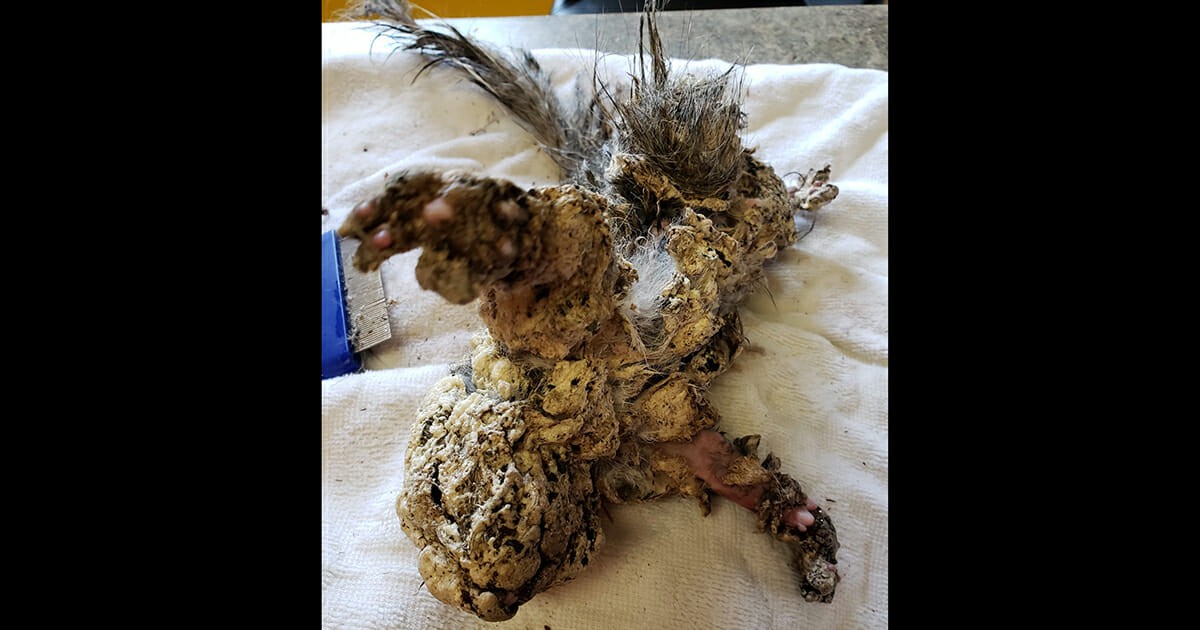
A remarkable act of kindness by two teenagers in New Brunswick, Canada, demonstrated how compassion, quick thinking, and cooperation can make a meaningful difference in an animal’s life. What began as an ordinary walk through their community turned into an unexpected wildlife rescue when the boys discovered a squirrel trapped beneath a vehicle and almost completely covered in expanding insulation foam.
The incident involved Jaydon Pettipas and Aidan Hart, two friends from Saint Andrews, New Brunswick. Their decision to seek help rather than ignore the animal ultimately gave the squirrel an opportunity to recover and return to its natural environment.

An Unexpected Discovery in Saint Andrews, New Brunswick
The unusual incident took place in Saint Andrews, a coastal community in the Canadian province of New Brunswick. Jaydon Pettipas and Aidan Hart were walking through their neighborhood when they noticed a group of people gathered around a parked car.
Curious about what had attracted everyone’s attention, the teenagers approached the crowd. At first, they struggled to identify the object beneath the vehicle. It appeared to be a strange, motionless mass, and its unusual appearance made it difficult to recognize the animal underneath.
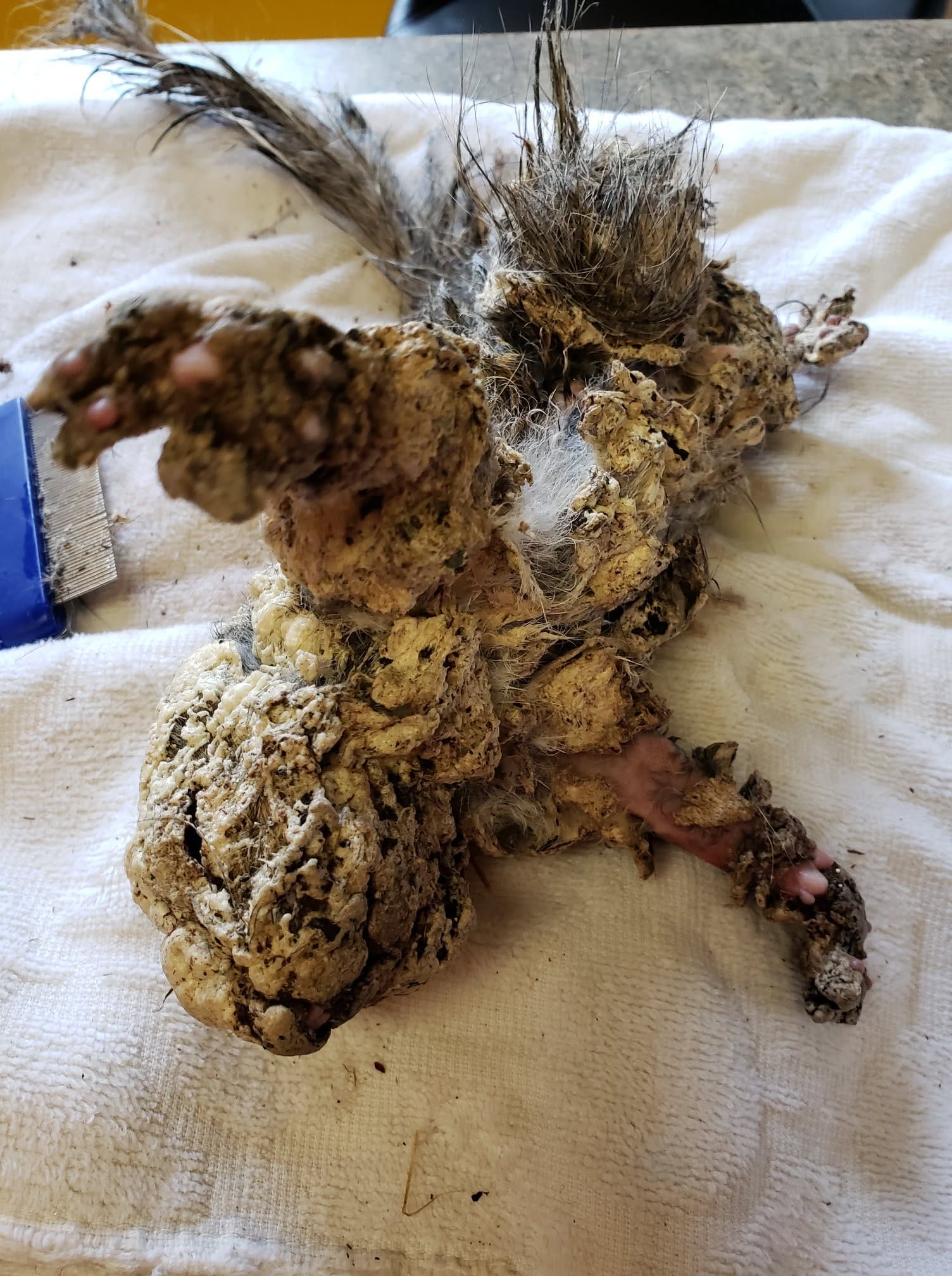
As they looked more closely, they realized that the object was a squirrel in serious difficulty. The small animal had become trapped beneath the car and was covered in insulation foam. The hardened material had affected its ability to move, leaving it unable to escape without assistance.
Rather than walking away, the teenagers recognized that the squirrel needed immediate attention. Although they had no specialist knowledge of wildlife rescue, they understood that attempting to remove the material themselves could make the situation worse. Their first priority was to find a safe way to get the animal professional help.
Why the Squirrel Was Unable to Move
According to reporting by Canada’s CBC, the squirrel was so heavily coated in insulation foam that its appearance was barely recognizable. Jaydon described the animal’s condition by explaining that there was almost nothing identifiable about it.
Expanding insulation foam is commonly used in buildings to fill gaps, seal openings, and reduce unwanted air movement. It can be useful in construction and home improvement projects, but its properties can create hazards for small animals when it is applied in places they can access.
Many insulation products expand after application and gradually harden. An animal that comes into contact with the material while it is still wet may become trapped as the foam cures. Once hardened, the substance can cling tightly to fur and restrict movement.
In this case, veterinarian Dr. Melanie Eagan of St. George Veterinary Clinic suspected that the squirrel might have been living in or exploring a garage, basement, or outdoor shed. It may have encountered foam that someone had recently used to seal an opening in a building.
That explanation was a professional suspicion rather than a confirmed account of exactly how the accident happened. Nevertheless, it illustrates why building maintenance materials should be stored and applied carefully, particularly in areas where wildlife may be present.
The Teenagers Take Action to Protect the Animal
Once Jaydon and Aidan understood that the squirrel was in trouble, they began looking for a practical way to protect it while arranging assistance.
They went into a nearby grocery store and obtained a small milk crate that could temporarily hold the animal. This gave them a way to contain the squirrel rather than allowing it to remain exposed beneath the vehicle.
The situation was unfamiliar to everyone nearby. The teenagers and other people at the scene were unsure how to remove the hardened foam safely. Trying to pull the substance off without the appropriate knowledge or equipment could potentially injure the squirrel’s skin or cause additional stress.
Recognizing that they needed assistance, the boys contacted friends and family members. Their efforts to find someone with the knowledge and resources to help were an important part of the rescue.
The response also highlights a useful lesson for anyone who encounters an injured or trapped wild animal: helping does not necessarily mean attempting a complicated rescue personally. Keeping the situation as safe as possible and contacting an appropriate wildlife professional or veterinary clinic can be the more responsible choice.
A Veterinary Clinic Provides Urgent Assistance
Jaydon’s mother eventually became involved and contacted St. George Veterinary Clinic, located approximately 20 miles from the teenagers’ location. After explaining the squirrel’s condition, she was advised to bring the animal to the clinic immediately.
That decision gave the squirrel access to professional veterinary care. Instead of attempting to remove the foam at the scene, the family transported it to people equipped to assess the animal and determine how to proceed.
Dr. Melanie Eagan said she had never encountered a case quite like it. The veterinarian explained that the squirrel was extensively covered in insulation foam and could move only its back legs slightly.
The animal’s limited mobility made careful treatment particularly important. The hardened material had to be removed without causing unnecessary injury, and the process required patience rather than force.
The veterinarian’s involvement was crucial because small wild animals can be vulnerable to stress and physical injury. Their condition may also be difficult for an inexperienced observer to assess. Professional evaluation helps determine the safest approach to treatment and recovery.
How the Veterinary Team Removed the Insulation Foam
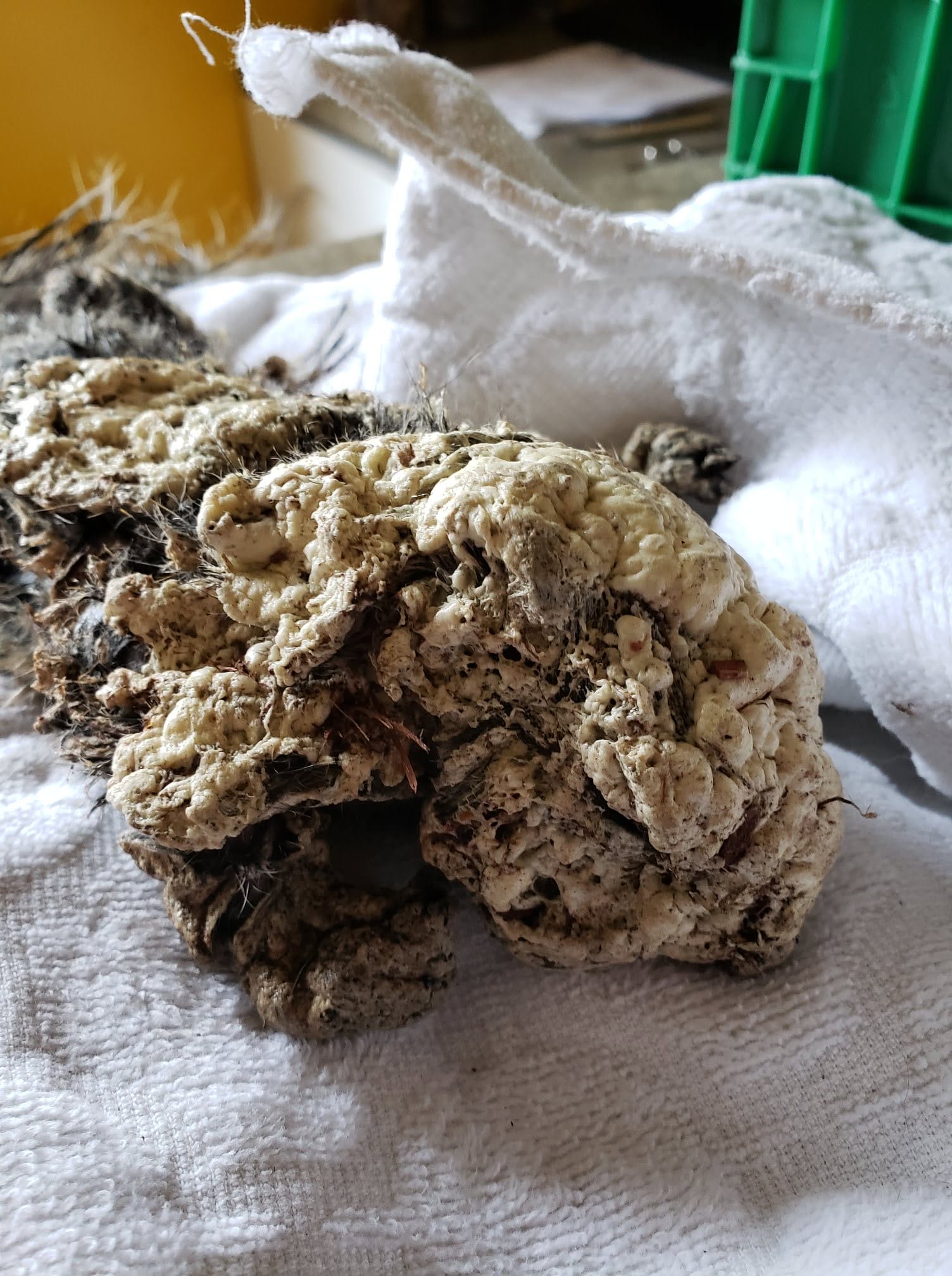
Removing the hardened foam was not a simple task. According to the CBC report, Dr. Eagan used rubbing alcohol to help loosen the material from the squirrel’s fur. She worked carefully to separate the foam and comb it away.
The process took time and patience. Because the insulation had become firmly attached to the animal’s coat, removing it required careful attention to avoid causing additional harm.
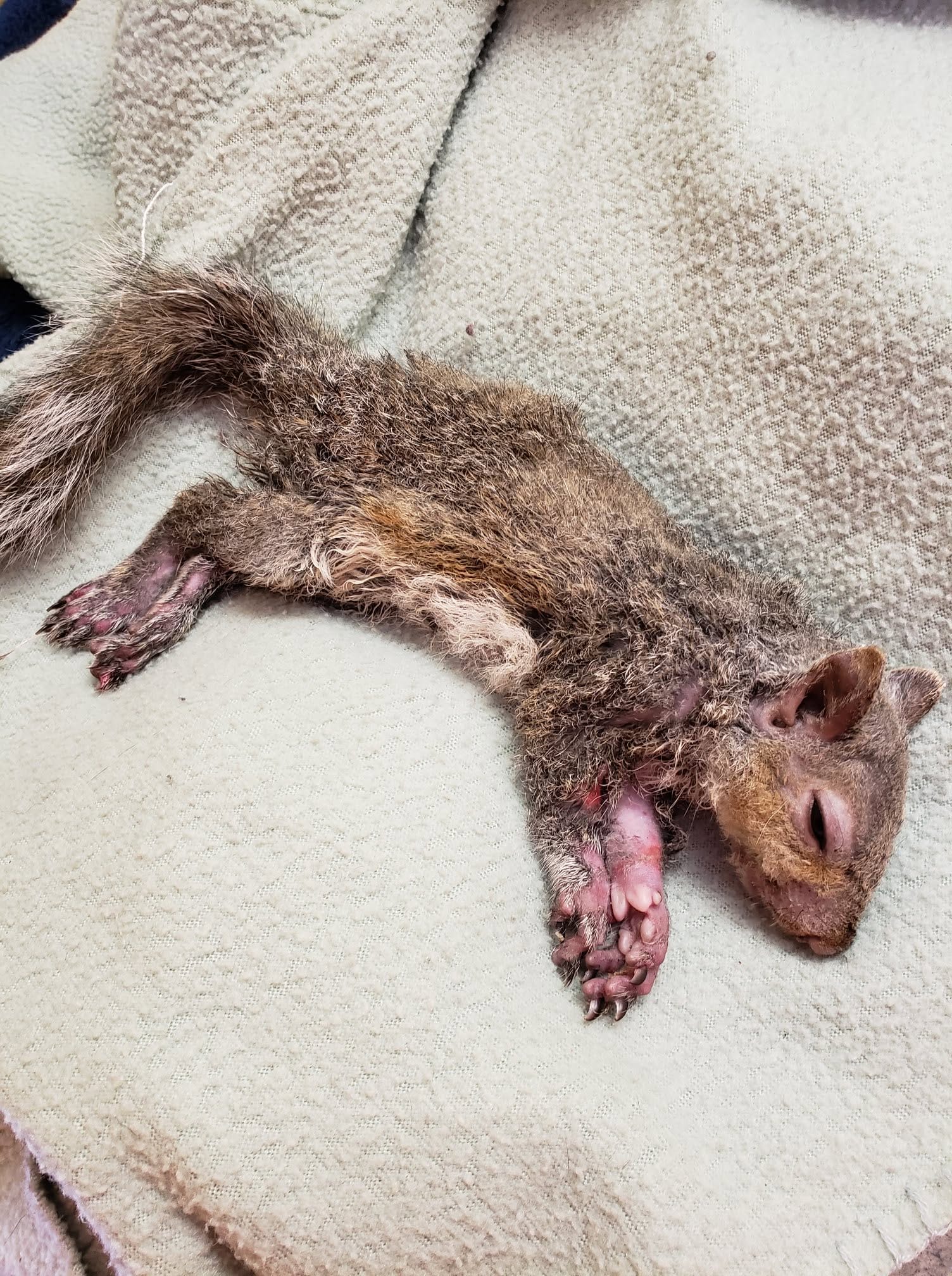
Some of the squirrel’s fur was lost during the treatment. However, the veterinarian was able to remove the material that had restricted its movement and address the immediate problem.
This part of the rescue demonstrates why people should avoid experimenting with household solvents, cleaning products, or improvised removal techniques when an animal becomes trapped in a construction material. Different products have different chemical properties, and an approach that appears suitable for a household surface may be unsafe for an animal.
When wildlife encounters adhesives, insulation, paint, or other building materials, the safest response depends on the substance involved and the animal’s condition. A veterinarian or qualified wildlife rehabilitator can assess the situation and recommend appropriate treatment.
What May Have Caused the Accident?
Dr. Eagan suggested that the squirrel may have been exploring a building when it encountered freshly applied insulation foam. Someone could have been sealing a gap to prevent cold air from entering a garage, basement, or shed, creating an opportunity for the animal to come into contact with the material.
Because expanding foam can harden relatively quickly, the squirrel may have become trapped before it could escape. Once the material set around its fur, normal movement became increasingly difficult.
Although the precise circumstances were not established, the incident provides a reminder that wildlife often occupies spaces close to human homes. Squirrels and other small mammals may enter sheds, roof spaces, garages, and other sheltered locations in search of food, nesting materials, or protection from changing weather.
Homeowners carrying out repairs can reduce the likelihood of similar incidents by checking work areas before beginning projects, identifying possible animal entry points, and following the safety instructions supplied with construction products.
It is also important to make sure that animals are not trapped inside a structure before sealing openings. If wildlife is discovered in a building, contacting a local wildlife professional can help prevent accidental harm.
The Squirrel Makes a Recovery and Returns to the Wild
Fortunately, the rescue had a positive outcome. After the foam was removed, the squirrel recovered sufficiently to be released back into the wild.
Its return to its natural environment was the most encouraging part of the story. The animal had gone from being almost completely unable to move to receiving the care needed to overcome the immediate danger.
Although the available report does not provide extensive details about the squirrel’s subsequent condition, its release indicates that the veterinary intervention was successful enough for the animal to return outdoors.
Wildlife rehabilitation generally aims to help animals recover from injury or distress so that they can resume independent lives whenever possible. The appropriate treatment and release decision depend on the species, the severity of the problem, and the animal’s ability to survive without human assistance.

Why Responsible Wildlife Rescue Matters
Encounters between wildlife and human environments are common in communities where natural habitats overlap with residential development. Animals may find shelter in garages, gardens, sheds, and other structures, sometimes exposing themselves to risks associated with household activities.
Situations involving trapped wildlife can be upsetting, particularly when an animal is unable to move freely. However, a calm and informed response can improve the chances of a positive outcome.
People who discover an animal in difficulty should first consider their own safety and avoid handling it unnecessarily. Wild animals may become frightened when approached, and even a small animal can react unpredictably when distressed.
Where possible, observers should contact a licensed wildlife rehabilitator, veterinarian, or local animal authority. They can explain what has happened, identify the material involved, and follow professional instructions about temporary containment or transportation.
It is equally important not to assume that an animal is dead or beyond help simply because it appears motionless. A qualified professional is better placed to determine its condition and whether treatment is possible.
A Small Act of Kindness With a Lasting Lesson
Jaydon Pettipas and Aidan Hart did not set out that day intending to become involved in a wildlife rescue. They simply noticed something unusual and chose to investigate rather than ignore it.
Their actions involved several practical decisions: recognizing that the squirrel was in danger, finding a temporary container, contacting people who might be able to help, and accepting assistance from an adult who could arrange veterinary care.
Their mother’s involvement and Dr. Eagan’s professional treatment were also essential parts of the successful outcome. The rescue was therefore an example of cooperation between young people, family members, and veterinary professionals.
The story from Saint Andrews offers a positive reminder that compassion does not require specialized training. It does, however, require recognizing personal limitations and knowing when to seek professional assistance.
For the squirrel, the timely response meant an opportunity to return to the wild. For the teenagers, the experience showed how a few thoughtful decisions can make a meaningful difference to an animal in need.
The incident remains a heartwarming example of community awareness and responsible kindness toward wildlife. Their quick thinking, combined with veterinary expertise and family support, helped turn an unusual and potentially serious situation into a successful rescue.
Sources
Disclaimer: This content is intended for entertainment purposes only and is not based on real events.